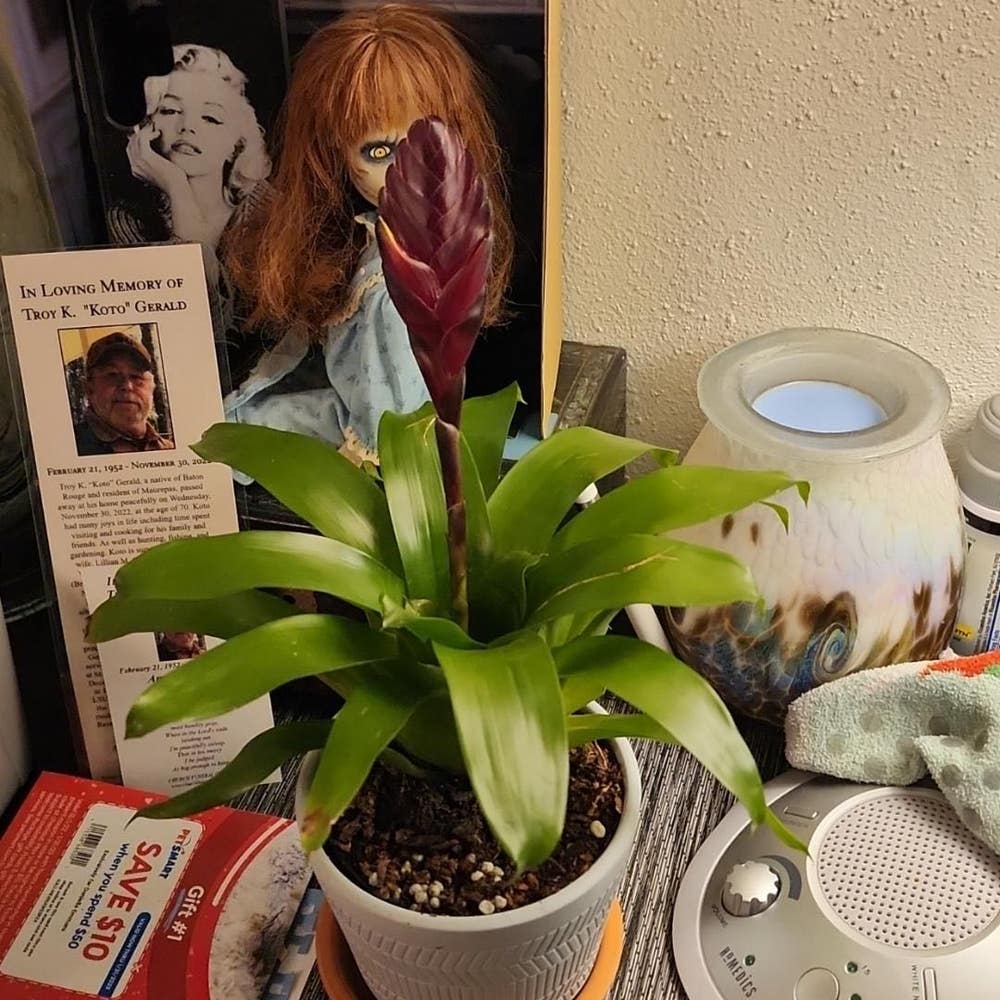
🌺 All About Vriesea cipoensis: Essential Facts
Vriesea cipoensis
By the Greg Editorial Team
Feb 26, 2025•11 min read
This article was created with the help of AI so we can cover more plants for you. May contain errors. See one? Report it here.
Elevate your home with Vriesea cipoensis, a vibrant, low-maintenance plant that purifies air and boosts humidity! 🌱✨
- 🌞 Vriesea cipoensis thrives in bright, indirect light; avoid direct sunlight to prevent damage.
- 💧 Maintain humidity levels between 60-80% for optimal growth and health.
- 🌱 Use well-draining soil to prevent root rot and ensure healthy growth.
How to Grow
Choosing a Location 🌞
To thrive, Vriesea cipoensis needs bright, indirect light. Direct sunlight can scorch its leaves, so find a spot that offers filtered light for optimal growth.
Humidity is crucial for this plant. Aim to maintain levels between 60-80% to keep your Vriesea cipoensis happy and healthy.
Soil Preparation 🌱
For soil, a well-draining, organic potting mix or orchid bark works best. This ensures that excess moisture drains away, preventing root rot.
The ideal pH level for the soil is slightly acidic to neutral, ranging from 5.5 to 7.0. This balance supports healthy growth and nutrient absorption.
Planting Techniques 🌼
When selecting a container, choose pots with drainage holes to prevent water accumulation. Hanging baskets can also be a great option for epiphytic growth.
Make sure to plant your Vriesea cipoensis with the base of the rosette above the soil line. This prevents rot and encourages healthy growth.
Watering Requirements 💧
Water your plant when the top inch of soil feels dry, which is typically every 1-2 weeks. This helps to maintain the right moisture balance.
Use distilled or rainwater for the best results. Avoid letting water accumulate in the rosette, as this can lead to rot.
Fertilizing Schedule 🌿
For fertilization, opt for a diluted bromeliad or orchid fertilizer. This provides the necessary nutrients without overwhelming the plant.
Fertilize every 4-6 weeks during the growing season, which is spring and summer. This routine supports vigorous growth and flowering.
Pruning and Ongoing Care ✂️
Regularly prune dead or damaged leaves to promote airflow and overall plant health. This simple step can prevent disease and encourage new growth.
Keep an eye on humidity levels and adjust your watering schedule based on environmental conditions. This attentiveness will help your plant thrive.
Outdoor vs. Container Growing 🌍
If you live in a tropical climate, outdoor growing can be ideal. Just ensure your Vriesea cipoensis is protected from harsh sunlight and strong winds.
Container growing is perfect for indoor environments. It allows you to control conditions, making it easier to meet the plant's specific needs.
With these tips, you’re well on your way to nurturing a vibrant Vriesea cipoensis. Next, let’s explore how to propagate this beautiful plant!
Propagation
🌱 Methods of Propagation
Propagation of Vriesea cipoensis can be achieved through two primary methods: offsets and seeds. Offsets, or pups, are the easiest way to grow new plants, while seeds offer a more traditional approach.
📝 Step-by-Step Instructions for Each Method
Offsets
- Wait until pups are at least one-third the size of the parent plant.
- Gently twist or cut the pup away from the parent.
- Plant the offset in a suitable potting mix and water lightly.
Seeds
- Sow seeds on the surface of a moist, well-draining medium.
- Cover the seeds lightly and maintain humidity until germination, which takes about 2-4 weeks.
With these straightforward methods, you can expand your collection of Vriesea cipoensis and enjoy the beauty of this unique plant in multiple locations. Now that you know how to propagate, let’s explore the lifecycle of this fascinating bromeliad.
Lifecycle
Lifecycle Stages 🌱
Vriesea cipoensis is a perennial plant that can thrive for several years, showcasing its resilience and adaptability.
Germination for seeds typically takes about 2-4 weeks, setting the stage for new growth.
Growth Rate 📈
This plant has a moderate growth rate, usually taking 1-2 years to reach maturity.
With proper care, you can expect it to flourish and develop its unique characteristics over time.
Flowering Time 🌸
Flowering generally occurs in late spring to summer, adding vibrant colors to your space.
This seasonal display is a highlight for many growers, marking the plant's health and vitality.
Overall Lifespan ⏳
Under optimal conditions, Vriesea cipoensis can live for 3-5 years.
Providing the right environment and care can significantly enhance its longevity and beauty.
As you nurture this plant, remember that its lifecycle stages are a journey of growth and transformation, reflecting the care you invest in it. Next, let’s explore the size of this fascinating bromeliad and what to expect as it matures.
Size
Mature Height and Spread 🌱
Vriesea cipoensis typically reaches a mature height of 12 to 24 inches (30 to 60 cm). Its spread can expand to 12 to 18 inches (30 to 45 cm) in diameter, making it a striking addition to any space.
Growth Rate and Size Variability 📏
This plant has a moderate growth rate, which can be influenced by factors such as light, humidity, and overall care. Size variability is common, as growing conditions and care practices can lead to differences in how large or small your Vriesea cipoensis ultimately becomes.
As you nurture your plant, keep in mind that optimal conditions will encourage it to thrive and reach its full potential. With the right environment, you can enjoy the beauty and vibrancy of this unique bromeliad for years to come.
Next, let’s explore the fascinating lifecycle of Vriesea cipoensis, from germination to flowering.
Roots
🌱 Root System Characteristics
Vriesea cipoensis features a fibrous root system that is essential for its stability. These roots are shallow and spread laterally, allowing the plant to anchor itself effectively while absorbing nutrients from the surrounding soil.
⚠️ Common Root-Related Issues
One of the most common problems with Vriesea cipoensis is root rot, which occurs due to overwatering. Symptoms include mushy roots and yellowing leaves, indicating that the plant is struggling.
To differentiate between healthy and unhealthy roots, look for firmness and a white color in healthy roots, while unhealthy roots will appear brown and mushy.
Another issue to watch for is being rootbound, which happens when roots grow out of drainage holes or start circling the pot.
If you notice these signs, the solution is straightforward: repot your plant into a larger container to give it room to grow.
By addressing these root-related issues promptly, you can ensure your Vriesea cipoensis remains healthy and vibrant.
Next, let’s explore the benefits of growing this stunning plant and how it can enhance your space.
Benefits
🌟 Top 5 Benefits of Growing Vriesea cipoensis
1. Ornamental Value
Vriesea cipoensis is a showstopper in any garden or home. Its vibrant colors and unique shapes can elevate your space, making it a stunning focal point.
2. Air Purification
This plant does more than just look good; it actively improves indoor air quality. By filtering pollutants, it creates a healthier environment for you and your loved ones.
3. Low Maintenance
If you’re looking for a plant that doesn’t demand constant attention, Vriesea cipoensis is your friend. It requires minimal care compared to many other houseplants, making it perfect for busy lifestyles.
4. Humidity Enhancement
In dry indoor conditions, this bromeliad can be a game changer. It naturally increases humidity levels, benefiting both the plant and your skin.
5. Cultural Significance
Beyond its beauty, Vriesea cipoensis represents the resilience of Brazilian flora. Growing this plant connects you to a rich cultural heritage, adding depth to your gardening experience.
Embracing Vriesea cipoensis in your home or garden not only enhances your space but also contributes positively to your well-being. Next, let’s explore how to propagate this remarkable plant for even more greenery!
Companion Plants
Best Companion Plants 🌿
When it comes to choosing companion plants for Vriesea cipoensis, consider other bromeliads, ferns, and shade-loving plants. These companions thrive under similar humidity and light conditions, creating a harmonious environment that benefits all plants involved.
Plants to Avoid 🚫
On the flip side, steer clear of heavy feeders or plants that demand direct sunlight. These plants can compete for resources, potentially stunting the growth of your Vriesea cipoensis and leading to an unhealthy garden ecosystem.
By selecting the right companions, you can enhance the beauty and vitality of your Vriesea cipoensis while ensuring a thriving plant community. Next, let’s explore the safety of this stunning plant for both humans and pets.
Toxicity to Humans
🛡️ Safety of Vriesea cipoensis for Humans
Vriesea cipoensis is not considered toxic to humans, according to major poison control centers. This means you can enjoy this beautiful plant without worrying about harmful effects.
However, it's worth noting that excessive contact with the plant may lead to mild skin irritation. If ingested in large quantities, it could cause some digestive discomfort, so moderation is key.
Always exercise caution with any plant. If you experience unusual symptoms after contact or ingestion, it's best to seek medical advice.
Toxicity to Dogs
Safety of Vriesea cipoensis for Dogs 🐶
Vriesea cipoensis is considered non-toxic to dogs, according to major pet poison control centers. This means you can enjoy this beautiful plant without worrying about your furry friends getting sick.
However, if your dog consumes a large amount, it may experience mild gastrointestinal upset. To prevent any issues, keep the plant out of reach and monitor your dog's behavior around new additions to your home.
Tips for Dog Owners 🐾
- Placement: Position your Vriesea cipoensis in areas that are less accessible to your dog.
- Observation: Watch for any unusual behavior or signs of chewing, especially when introducing new plants.
By taking these simple precautions, you can ensure a safe environment for both your plants and your pets. Now that you know about the safety of Vriesea cipoensis for dogs, let's explore its toxicity to cats.
Toxicity to Cats
🐱 Safety of Vriesea cipoensis for Cats
Vriesea cipoensis is considered non-toxic to cats according to major pet poison control centers. This means you can enjoy this beautiful plant without worrying about your feline friends getting harmed.
However, it's important to note that excessive consumption of the plant may lead to mild gastrointestinal upset. While it's generally safe, moderation is key.
To keep your cat safe, position the plant in areas that are less accessible. This simple step can help prevent any curious nibbling and ensure your plant thrives alongside your furry companion. Always monitor your cat's behavior around new plants to catch any unusual interest early on.
Problems
Common Problems Faced 🌱
Incorrect Watering
Watering is crucial for Vriesea cipoensis, and getting it wrong can lead to issues. Overwatering causes yellowing leaves, while underwatering results in crispy edges.
To remedy this, adjust your watering frequency based on the moisture level of the soil. Check the top inch of soil; if it feels dry, it’s time to water.
Incorrect Light Conditions
Light conditions play a significant role in the health of your plant. Too much light can scorch the leaves, while too little light leads to leggy growth.
If you notice these symptoms, consider relocating your plant to a spot with the right light levels. Bright, indirect light is ideal for Vriesea cipoensis.
Incorrect Temperature
Temperature fluctuations can stunt growth or cause wilting. Vriesea cipoensis thrives in temperatures between 60°F to 80°F (15°C to 27°C).
To maintain optimal growth, monitor the temperature and make adjustments as needed. Keeping your plant in a stable environment will help it flourish.
Diseases
Diseases can also affect Vriesea cipoensis, with common culprits being powdery mildew, rust, and root rot. These issues often arise from poor air circulation or water accumulation.
To combat diseases, improve air circulation around the plant and ensure that water doesn’t pool. Regularly inspect your plant for any signs of distress.
Leaf Issues
Leaf problems can manifest as scorching, yellowing, or fuzzy growth. These symptoms often indicate issues with light, humidity, or watering practices.
Assess your plant's environment and make necessary adjustments to light and humidity levels. Consistent care will help keep your Vriesea cipoensis healthy and vibrant.
By addressing these common problems, you can ensure your Vriesea cipoensis thrives. Next, let’s explore potential pest issues that may arise.
Bugs
🐜 Potential Pest Issues
Vriesea cipoensis is generally pest-resistant, making it a resilient choice for plant enthusiasts. However, it can still be affected by certain pests that may compromise its health.
🕷️ Common Pests
Spider Mites
- Identification: Look for fine webbing on the leaves, which is a telltale sign of spider mites.
- Damage: These pests can cause leaf discoloration and eventual leaf drop.
- Treatment: To combat spider mites, increase humidity around the plant and consider using miticides for effective control.
Mealybugs
- Identification: Mealybugs appear as white, cottony masses on the leaves.
- Damage: They weaken the plant and can lead to significant leaf drop if not addressed.
- Treatment: You can remove mealybugs manually or apply insecticidal soap to eliminate them.
Scale Insects
- Identification: Scale insects are recognized by their hard, shell-like bumps on the stems and leaves.
- Damage: They reduce the plant's vigor and can lead to dieback if left untreated.
- Treatment: Use horticultural oil or insecticidal soap to effectively manage scale infestations.
By staying vigilant and addressing these common pests promptly, you can keep your Vriesea cipoensis thriving and vibrant. Next, let's explore what animals might pose a threat to your plant and how to deter them effectively.
What Eats Vriesea cipoensis
🦌 Common Animals That May Damage
Vriesea cipoensis can attract a few hungry visitors, including deer, rabbits, and squirrels. These critters often nibble on the foliage, leaving behind signs like chewed leaves, droppings, and tracks around the plant.
🚫 Deterrent Methods
To protect your plant, consider using commercial repellents or homemade solutions, such as garlic spray. Additionally, you might want to think about fencing or planting deterrent species nearby to keep these animals at bay.
By taking these precautions, you can help ensure your Vriesea cipoensis thrives without unwanted munching. Now that you know how to safeguard your plant, let’s explore some common problems that may arise during its care.
⚠️ Safety First
This content is for general information and may contain errors, omissions, or outdated details. It is not medical, veterinary advice, or an endorsement of therapeutic claims.
Always consult a qualified healthcare professional before using any plant as food, medicine, or supplement.
Never eat any plant (or feed one to pets) without confirming its identity with at least two trusted sources.
If you suspect poisoning, call Poison Control (800) 222-1222, the Pet Poison Helpline (800) 213-6680, or your local emergency service immediately.
Spotted an error? Please report it here.
Help your Vriesea cipoensis thrive 🌱 with Greg's personalized watering reminders and expert care tips that ensure your bromeliad flourishes beautifully!