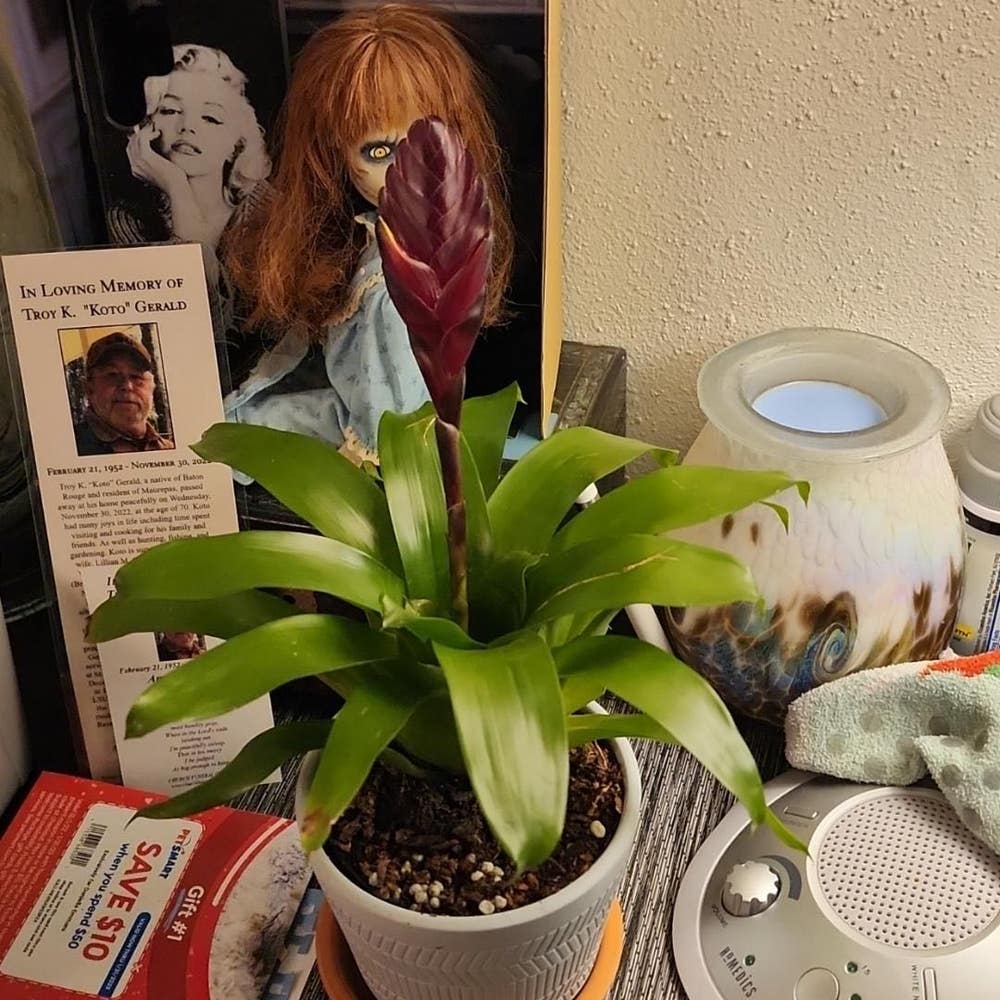
🌺 All About Vriesea cacuminis: Essential Facts
Vriesea cacuminis
By the Greg Editorial Team
Feb 23, 2025•9 min read
This article was created with the help of AI so we can cover more plants for you. May contain errors. See one? Report it here.
Elevate your indoor garden with the stunning Vriesea cacuminis—care tips for thriving beauty await! 🌿
- 🌞 Vriesea cacuminis thrives in bright, indirect sunlight; avoid direct sun exposure.
- 💧 Humidity levels of 60-80% are crucial for Vriesea cacuminis health.
- 🌡️ Ideal temperatures range from 20°C to 30°C for optimal growth.
How to Grow
Choosing the Right Location 🌞
To thrive, Vriesea cacuminis needs bright, indirect sunlight. Direct sun exposure can scorch its delicate leaves, so be mindful of its light requirements.
Humidity is crucial for this plant, ideally between 60-80%. Consider using a humidity tray or misting to maintain these levels, especially in drier environments.
Temperature also plays a significant role in its growth. Aim for a comfortable range of 20°C to 30°C (68°F to 86°F) to keep your plant happy and healthy.
Soil Preparation 🌱
Selecting the right soil is essential for Vriesea cacuminis. A well-draining mix, such as a bromeliad or orchid mix, is ideal for preventing water retention.
When it comes to pH, strive for a slightly acidic to neutral range of 5.5 to 7.0. This balance supports optimal nutrient absorption for your plant.
Planting Techniques 🌿
Proper spacing is vital for air circulation. Ensure you allow at least 12-18 inches between plants to promote healthy growth.
For container options, choose pots with drainage holes to prevent waterlogging. Alternatively, consider mounting your Vriesea cacuminis on tree bark for a stunning epiphytic display.
Watering Requirements 💧
Water your Vriesea cacuminis when the top inch of soil feels dry, typically every 1-2 weeks. This routine helps maintain the right moisture levels without overwatering.
You can water the soil directly or fill the central rosette with water. Just ensure it drains properly to avoid root rot.
Fertilizing Schedule 🌼
Use a balanced, water-soluble fertilizer diluted to half strength for feeding. This approach provides essential nutrients without overwhelming the plant.
Fertilize every 4-6 weeks during the growing season, which spans spring and summer. This schedule supports robust growth and vibrant blooms.
Pruning and Ongoing Care ✂️
Regular maintenance is key to keeping your Vriesea cacuminis looking its best. Trim off any brown or dead leaves to enhance its appearance.
Additionally, check for overcrowding regularly. Adjusting the plant's arrangement will help maintain its shape and overall health.
With these guidelines, you'll be well on your way to nurturing a thriving Vriesea cacuminis. Next, let’s explore how to propagate this beautiful plant!
None
Lifecycle
🌱 Lifecycle Stages
The lifecycle of Vriesea cacuminis is fascinating and unfolds in distinct stages. It begins with germination, where seeds sprout within 2-4 weeks.
Following germination, the plant enters the seedling stage, developing into a small rosette over several months. This is followed by a period of vegetative growth, which lasts 1-2 years, leading up to the flowering stage.
During flowering, vibrant inflorescences emerge, typically in late spring to summer. After this beautiful display, the plant may produce seeds, continuing the cycle.
⏳ Duration to Maturity and Growth Rate
Reaching full maturity takes approximately 2-3 years, a reasonable timeframe for such a stunning plant. Its growth rate is moderate, influenced by factors like light and humidity.
🌳 Lifespan
Vriesea cacuminis generally enjoys a lifespan of 3-5 years, although this can vary based on care and environmental conditions. With proper attention, you can help your plant thrive throughout its lifecycle.
Understanding these stages not only enhances your appreciation for Vriesea cacuminis but also equips you with the knowledge to provide optimal care. Next, let’s explore the size of this remarkable plant and what to expect as it grows.
Size
Mature Height and Spread 🌱
Vriesea cacuminis typically reaches a mature height of about 12-18 inches (30-45 cm). Its spread can extend up to 24 inches (60 cm) in diameter, making it a striking addition to any plant collection.
Growth Rate and Factors Affecting Size 📈
This plant has a moderate growth rate, which can be influenced by several factors. Light, humidity, and nutrient availability play crucial roles in determining how quickly it grows and how large it can become.
Size Variability 📏
The size of Vriesea cacuminis can vary significantly based on growing conditions. For instance, container size and care practices can lead to differences in height and spread, so it's essential to provide optimal conditions for the best results.
As you consider adding Vriesea cacuminis to your space, remember that its size can be a reflection of the care it receives. With the right environment, this plant can flourish beautifully, enhancing your indoor or outdoor garden.
Next, let’s explore the fascinating lifecycle of Vriesea cacuminis and how it develops over time.
Roots
Characteristics of the Root System 🌱
Vriesea cacuminis features a fibrous root system that is shallow and spread out. This design allows the plant to easily absorb moisture and nutrients from the surrounding environment.
Common Root-Related Issues ⚠️
One of the most common problems is root rot, which occurs due to overwatering. In this case, the roots become mushy and dark, signaling a serious issue.
Visual Cues for Healthy vs. Unhealthy Roots 👀
Healthy roots are firm and typically white or light tan in color. In contrast, unhealthy roots will appear dark, mushy, or emit a foul smell, indicating rot.
Recognizing Rootbound Plants 🪴
If you notice stunted growth or roots emerging from the drainage holes, your plant may be rootbound. The solution is simple: repot the plant into a larger container with fresh soil to give it room to thrive.
Understanding the root system of Vriesea cacuminis is crucial for its overall health. By keeping an eye on these indicators, you can ensure your plant remains vibrant and healthy.
None
Companion Plants
Explanation of Companion Planting 🌱
Companion planting involves growing compatible plants together to enhance growth and deter pests. This practice can create a thriving ecosystem in your garden or home.
List of Compatible Companion Plants 🌼
- Orchids: These beauties share similar humidity and light needs, making them perfect companions for Vriesea cacuminis.
- Ferns: Thriving in similar conditions, ferns not only complement the aesthetic but also boost humidity levels.
- Peace Lily: With shared care requirements, Peace Lilies help manage pests while adding to the visual appeal.
Plants to Avoid 🚫
- Cacti: Preferring dry conditions, cacti may compete for moisture and hinder the growth of Vriesea cacuminis.
- Heavy feeders: Plants that require high nutrients can outcompete Vriesea cacuminis, leading to stunted growth.
By carefully selecting companion plants, you can create a harmonious environment that benefits all your greenery. This thoughtful approach not only enhances the beauty of your space but also promotes healthier plants.
Toxicity to Humans
Safety of Vriesea cacuminis for Humans 🛡️
Vriesea cacuminis is not considered toxic by major poison control centers and health organizations. This means you can handle and even ingest small amounts without significant risk.
Potential Minor Issues ⚠️
While generally safe, some individuals may experience mild skin irritation or digestive discomfort if they consume large quantities. It's always wise to be mindful of how your body reacts.
Recommendations for Caution 🚨
Exercise caution with any plant, including Vriesea cacuminis. If you notice unusual symptoms after contact or ingestion, seek medical advice promptly. Staying informed helps ensure a safe and enjoyable experience with your plants.
None
Toxicity to Cats
Safety of Vriesea cacuminis for Cats 🐱
Vriesea cacuminis is considered safe for cats, as it is not listed as toxic by major pet poison control centers and veterinary organizations. This means you can enjoy the beauty of this plant without worrying about your feline friends.
Potential Minor Issues ⚠️
While generally safe, consuming large amounts of the plant may lead to mild gastrointestinal upset in cats. It's always best to keep an eye on your pet's behavior around new plants.
Tips for Introducing to Homes with Cats 🏡
Proper placement: Position your Vriesea cacuminis in areas that are out of reach of curious cats. This helps prevent any accidental nibbling.
Monitor behavior: Keep an eye on your cat's interactions with the plant. Look for any signs of interest or nibbling, and be ready to relocate the plant if necessary.
By taking these precautions, you can create a harmonious environment where both your plants and pets thrive. Now that you know about the safety of Vriesea cacuminis for cats, let’s explore how to effectively manage any potential problems that may arise with this beautiful plant.
None
Bugs
Potential Pest Issues 🐜
Vriesea cacuminis is known for its moderate pest resistance, but it can still fall victim to a few pesky invaders. Keeping an eye out for these common pests will help ensure your plant remains healthy and vibrant.
Identification and Damage Caused by Pests 🕷️
Spider Mites
- Signs: Look for fine webbing and stippled leaves.
- Damage: These tiny pests weaken your plant's health by sucking out vital nutrients.
Mealybugs
- Signs: White, cottony masses on leaves are a telltale sign.
- Damage: They are sap-sucking insects that can lead to leaf drop if not controlled.
Aphids
- Signs: Small, green insects often found on new growth.
- Damage: Aphids stunt growth and cause leaf curling, making them a nuisance.
Effective Treatment Options 💊
To combat these pests, consider using insecticidal soap or neem oil. Both are effective and relatively safe for your plant.
Additionally, introducing beneficial insects like ladybugs can help keep pest populations in check. These natural predators will feast on the pests, providing a sustainable solution to your bug problems.
By staying vigilant and addressing pest issues promptly, you can maintain the health and beauty of your Vriesea cacuminis. Next, let’s explore what animals might be interested in snacking on your plant.
What Eats Vriesea cacuminis
🦌 Common Animals That May Damage
Vriesea cacuminis can attract a few hungry visitors.
- Deer: Look for chewed leaves and broken stems as telltale signs of their munching.
- Rabbits: These little nibblers often leave behind nibbled edges on leaves.
- Squirrels: If you notice digging around the base of your plant, it might be the work of curious squirrels.
🔍 Signs of Animal Presence and Damage
Identifying animal damage is crucial for protecting your plant.
Keep an eye out for:
- Droppings: Small piles can indicate recent visits.
- Tracks: Footprints around the plant can help you identify the culprit.
- Chewed foliage: Look for irregular bites on leaves that signal feeding.
🚫 Methods for Deterring or Managing
Preventing animal damage can save your Vriesea cacuminis from becoming a snack.
- Chemical deterrents: Commercial repellents can effectively keep animals at bay.
- Organic control methods: Consider planting deterrent species nearby or using physical barriers to protect your plant.
By being proactive, you can enjoy the beauty of Vriesea cacuminis without the worry of unwanted nibblers. Now, let’s explore how to keep your plant thriving despite these challenges!
⚠️ Safety First
This content is for general information and may contain errors, omissions, or outdated details. It is not medical, veterinary advice, or an endorsement of therapeutic claims.
Always consult a qualified healthcare professional before using any plant as food, medicine, or supplement.
Never eat any plant (or feed one to pets) without confirming its identity with at least two trusted sources.
If you suspect poisoning, call Poison Control (800) 222-1222, the Pet Poison Helpline (800) 213-6680, or your local emergency service immediately.
Spotted an error? Please report it here.
Cultivating your Vriesea cacuminis is a breeze 🌿 with Greg's tailored watering reminders and care tips, ensuring your plant thrives in its ideal environment!