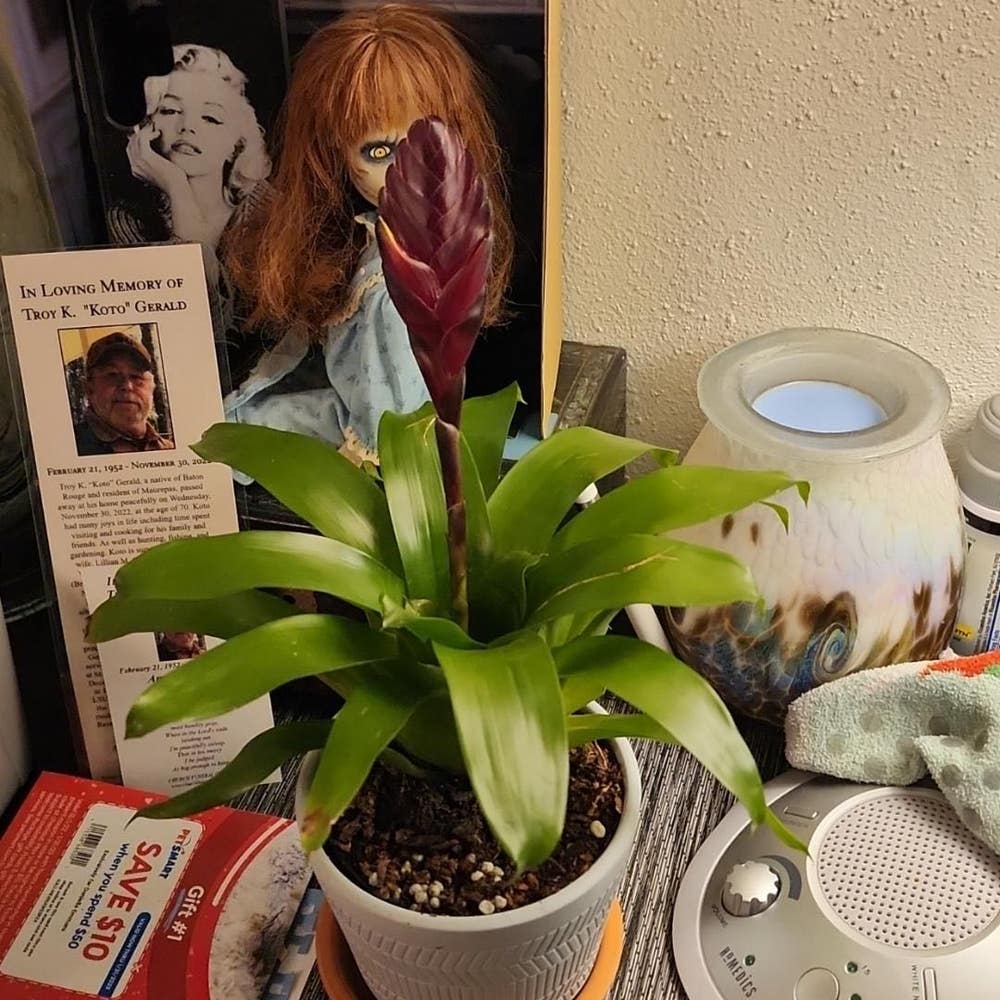
Ultimate Guide to Vriesea altomayoensis
Vriesea altomayoensis
By the Greg Editorial Team
Feb 26, 2025•11 min read
This article was created with the help of AI so we can cover more plants for you. May contain errors. See one? Report it here.
Elevate your indoor garden with the stunning Vriesea altomayoensis—beauty and low maintenance in one! 🌿✨
- 🌱 Vriesea altomayoensis thrives in indirect light and tolerates low light conditions.
- 💧 High humidity (60%+) is crucial for healthy growth; keep it moist!
- 🌡️ Ideal temperatures are 18-24°C (65-75°F) for optimal development.
How to Grow
Choosing a Location 🌍
When growing Vriesea altomayoensis, selecting the right location is crucial. This plant thrives in indirect light and can tolerate low light conditions, making it versatile for various indoor settings.
Humidity is another key factor; Vriesea altomayoensis flourishes in high humidity, ideally at 60% or more. For temperature, aim for a comfortable range between 18°C to 24°C (65°F to 75°F) to keep your plant happy and healthy.
Soil Preparation 🪴
The right soil is essential for the growth of Vriesea altomayoensis. Use a well-draining, organic-rich potting mix to provide the nutrients it needs.
Aim for a slightly acidic to neutral soil pH, ideally between 5.5 and 7.0. Don't forget to ensure your containers have drainage holes to prevent waterlogging, which can harm the roots.
Planting Techniques 🌱
Proper planting techniques can set your Vriesea altomayoensis up for success. When planting outdoors, space them 12-18 inches apart to allow for adequate growth.
Make sure to plant at a depth level with the top of the root ball. This ensures the roots have enough room to spread while keeping the plant stable.
Watering Requirements 💧
Watering is a critical aspect of care for Vriesea altomayoensis. Check the top inch of soil; when it feels dry, it's time to water, typically every 1-2 weeks.
To avoid crown rot, water at the base of the plant rather than on the leaves. This simple technique can make a significant difference in your plant's health.
Fertilizing Schedule 🌿
A balanced fertilizing schedule will help your Vriesea altomayoensis thrive. Use a water-soluble fertilizer, such as a 20-20-20 mix, to provide essential nutrients.
Fertilize every 4-6 weeks during the growing season to support robust growth. This regular feeding will keep your plant vibrant and healthy.
Pruning and Ongoing Care ✂️
Ongoing care is vital for maintaining the beauty of your Vriesea altomayoensis. Regularly remove dead leaves to enhance the plant's aesthetics and overall health.
Additionally, consider techniques for shaping your plant. Encouraging healthy growth through pruning can lead to a more attractive and robust specimen.
With these tips, you'll be well on your way to successfully growing Vriesea altomayoensis. Next, let's explore how to propagate this stunning plant for even more greenery in your space.
Propagation
🌱 Methods of Propagation
Vriesea altomayoensis can be propagated through two primary methods: offsets and seeds.
Offsets
Offsets are small plants that grow from the base of the parent plant. They are easy to identify and separate, making this method beginner-friendly.
Seeds
Seed propagation is a bit more complex but rewarding. It involves collecting seeds and nurturing them through the germination process.
📝 Step-by-Step Instructions for Each Method
Offsets
- Timing: The best time to separate offsets is in spring or early summer when the plant is actively growing.
- Tools: Use clean, sharp scissors to carefully cut the offsets from the parent plant.
Seeds
- Sowing Depth: Lightly cover the seeds with soil, ensuring they are not buried too deep.
- Germination Conditions: Maintain humidity and warmth to encourage successful germination.
By following these methods, you can easily expand your collection of Vriesea altomayoensis and enjoy the beauty of these unique plants in your home or garden. Next, let’s explore the lifecycle of this fascinating bromeliad.
Lifecycle
Lifecycle Stages 🌱
The lifecycle of Vriesea altomayoensis unfolds in distinct stages, each crucial for its development.
Germination occurs within 2-4 weeks after sowing seeds, marking the beginning of its journey.
Once germination is successful, the seedling stage follows, characterized by the emergence of true leaves, which are essential for photosynthesis.
Next comes the vegetative growth phase, lasting several months, where the plant focuses on building its structure and foliage.
Finally, the plant enters the flowering stage, typically occurring in late summer, showcasing its vibrant blooms.
Lifespan and Growth Timeline ⏳
Under optimal conditions, Vriesea altomayoensis boasts an overall lifespan of 3-5 years.
It takes approximately 1-2 years for the plant to reach its full size, depending on care and environmental factors.
The growth rate is moderate, influenced by light, humidity, and soil quality, making attentive care essential for thriving plants.
Understanding these stages and timelines helps you nurture your Vriesea altomayoensis effectively, ensuring it flourishes beautifully.
As we explore further, let’s delve into the fascinating aspects of its size and growth characteristics.
Size
Mature Dimensions and Growth Rate 🌱
Vriesea altomayoensis typically reaches a mature height of 30-60 cm (12-24 inches). It can also spread up to 30 cm (12 inches) in diameter, making it a striking addition to any plant collection.
The growth rate of this bromeliad is influenced by several factors, including light, humidity, and soil quality. Providing optimal conditions can enhance its growth and overall health.
Size Variability 📏
When comparing indoor and outdoor growth, you'll notice some differences in size potential. Outdoor plants often thrive better, benefiting from natural light and humidity, which can lead to larger dimensions.
In contrast, indoor specimens may be smaller due to limited light and space. However, with the right care, you can still achieve impressive growth indoors.
Understanding these size dynamics helps you set realistic expectations for your Vriesea altomayoensis, ensuring you provide the best environment for its development.
Next, let’s explore the fascinating lifecycle of this unique plant.
Roots
Characteristics of the Root System 🌱
Vriesea altomayoensis features a fibrous root system that is shallow yet extensive. Typically, the roots extend between 15-30 cm (6-12 inches) deep, allowing the plant to absorb moisture and nutrients efficiently.
Common Root-Related Issues ⚠️
Root rot is a common concern for this plant, with signs including mushy roots and yellowing leaves. Additionally, if the plant becomes rootbound, you may notice stunted growth and roots circling the pot, indicating it's time to repot.
Visual Cues for Healthy vs. Unhealthy Roots 👀
Healthy roots are firm and white, exuding a fresh, earthy smell. In contrast, unhealthy roots appear dark, mushy, and may emit a foul odor, signaling that something is amiss.
Tips for Managing Root Problems 🛠️
To prevent root rot, ensure proper watering practices and adequate drainage in your pots. If your plant is rootbound, consider repotting it into a larger container to encourage healthy growth and development.
With these insights, you can maintain a thriving Vriesea altomayoensis, setting the stage for its vibrant beauty to flourish. Next, let’s explore the benefits of growing this stunning plant!
Benefits
Top 5 Benefits of Growing Vriesea altomayoensis 🌱
1. Aesthetic Appeal
Vriesea altomayoensis boasts striking foliage and vibrant flowers that can elevate any space. Its unique appearance makes it a standout addition to your home or garden.
2. Air Purification
This plant contributes to improved indoor air quality. By filtering toxins, it helps create a healthier environment for you and your loved ones.
3. Low Maintenance
One of the best features of Vriesea altomayoensis is its low maintenance requirements. It thrives with minimal care, making it perfect for busy plant lovers.
4. Humidity Boost
Vriesea altomayoensis increases humidity levels in dry indoor environments. This is particularly beneficial during winter months when indoor air can become excessively dry.
5. Unique Ornamental Value
Adding this bromeliad to your collection introduces diversity and intrigue. Its distinct characteristics make it a conversation starter among plant enthusiasts.
Incorporating Vriesea altomayoensis into your plant collection not only enhances your decor but also promotes a healthier living space. With its many benefits, it's a fantastic choice for both novice and experienced gardeners alike.
Companion Plants
🌱 Companion Planting Benefits
Companion planting is a fantastic way to enhance your garden's diversity. It promotes better pest management and overall plant health, creating a thriving ecosystem.
🤝 Compatible Companion Plants
When growing Vriesea altomayoensis, consider pairing it with ferns, orchids, and other bromeliads. These plants share similar humidity and light requirements, making them ideal companions.
🚫 Plants to Avoid
Be cautious with heavy feeders or plants that require full sun. These can compete for resources and may not thrive alongside your Vriesea.
Incorporating the right companions can elevate your gardening experience. With thoughtful choices, you can create a vibrant and healthy plant community that flourishes together.
Toxicity to Humans
Safety Overview 🌿
Vriesea altomayoensis is considered non-toxic by major health organizations. This means you can enjoy its beauty without worrying about harmful effects.
Potential Minor Issues ⚠️
While generally safe, consuming large quantities may lead to mild skin irritation or digestive discomfort. It's always wise to exercise caution and consult a medical professional if you experience any unusual symptoms.
Cautionary Notes 🐾
Even though toxicity is low, it's best to keep this plant out of reach of small children and curious pets. Awareness is key to ensuring a safe and enjoyable gardening experience.
In summary, Vriesea altomayoensis is a delightful addition to your plant collection, offering aesthetic appeal without significant health risks. Next, let’s explore its safety for our furry friends!
Toxicity to Dogs
Safety Overview 🐶
Vriesea altomayoensis is considered non-toxic to dogs, according to major pet poison control centers. This means you can enjoy this beautiful plant without worrying about your furry friend getting sick.
Potential Minor Issues ⚠️
While generally safe, excessive consumption of the plant may lead to mild gastrointestinal upset in dogs. It's always a good idea to keep an eye on your pet's behavior around houseplants.
Tips for Pet Owners 🏡
To ensure your dog's safety, keep the Vriesea out of reach. Monitoring your dog's interactions with the plant can help prevent any potential issues and keep your home a safe haven for both plants and pets.
As you care for your Vriesea altomayoensis, remember that a little precaution goes a long way in maintaining a harmonious environment for your beloved pets.
Toxicity to Cats
Safety Overview 🐱
Vriesea altomayoensis is considered non-toxic to cats, according to major pet poison control centers. This means you can enjoy this beautiful plant without worrying about your feline friend getting sick.
Potential Minor Issues ⚠️
While generally safe, excessive consumption of the plant may lead to mild gastrointestinal upset in cats. It's always a good idea to keep an eye on your pet's behavior around the plant.
Tips for Care 🛡️
To ensure your cat stays safe, monitor their interactions with the plant. Keeping Vriesea altomayoensis out of reach can help prevent any accidental nibbling.
With these precautions, you can enjoy the vibrant beauty of this bromeliad while keeping your furry companion safe and sound.
Problems
Common Problems 🌱
Growing Vriesea altomayoensis can be rewarding, but it’s essential to watch for common problems.
Incorrect Watering
Overwatering can lead to root rot, while underwatering may cause wilting. Check the soil moisture regularly to find the right balance.
Incorrect Light Conditions
Too much direct sunlight can scorch the leaves, while too little light can stunt growth. Observe your plant's response to its environment to ensure it thrives.
Incorrect Temperature
Extreme temperatures can stress your plant. Keep it within the ideal range of 18°C to 24°C (65°F to 75°F) for optimal health.
Identification and Causes 🔍
Identifying issues early is key to maintaining a healthy plant.
Diseases
Fungal problems like powdery mildew and root rot can arise from poor care. Regularly inspect your plant for signs of distress.
Leaf Issues
Look for scorching, yellowing, or fuzzy growth on leaves. These symptoms often indicate underlying problems that need addressing.
Solutions for Resolving Problems 🛠️
Reviving an unhealthy Vriesea altomayoensis requires prompt action.
Adjust Watering Practices
If you suspect overwatering, allow the soil to dry out before watering again. For underwatering, increase the frequency of watering.Modify Light Exposure
If your plant is showing signs of light stress, consider relocating it to a spot with more suitable lighting conditions.Regulate Temperature
Ensure your plant is in a stable environment, avoiding drafts or extreme heat sources.
By staying vigilant and responsive to your plant's needs, you can enjoy the beauty of Vriesea altomayoensis for years to come. Next, let’s explore how to effectively propagate this stunning plant.
Bugs
🐜 Potential Pest Issues
Vriesea altomayoensis can face various pest challenges, but it also exhibits some resistance to certain pests. Understanding its susceptibility helps in proactive care and management.
🔍 Identification and Damage
Common pests that may target your Vriesea include spider mites, mealybugs, and aphids. Look for signs like stippled leaves, webbing, or a sticky residue, which indicate an infestation and can hinder plant health.
🧪 Treatment Options
For pest management, both organic and chemical treatments are effective. Neem oil and insecticidal soap are great organic options, while chemical pesticides can be used for severe infestations.
Regular monitoring and prompt action can keep your Vriesea thriving and pest-free. If you notice any issues, don’t hesitate to adjust your care routine to ensure your plant remains healthy and vibrant.
What Eats
🦌 Common Animals
Vriesea altomayoensis can attract a variety of hungry critters. Common culprits include deer, rabbits, squirrels, and rodents, all of which may find your plant a tasty treat.
🔍 Signs of Damage
Keep an eye out for signs of damage that indicate your plant is being feasted upon. Look for leaf chewing, frond damage, and even uprooting, which can signal that animals are taking advantage of your plant's lush foliage.
🚫 Deterrent Methods
To protect your Vriesea, consider implementing some effective control methods. Chemical repellents can deter animals, while organic deterrents, such as planting strong-smelling herbs nearby, can also help keep these pests at bay.
By being proactive and observant, you can enjoy the beauty of your Vriesea altomayoensis without the worry of it becoming a snack for local wildlife.
⚠️ Safety First
This content is for general information and may contain errors, omissions, or outdated details. It is not medical, veterinary advice, or an endorsement of therapeutic claims.
Always consult a qualified healthcare professional before using any plant as food, medicine, or supplement.
Never eat any plant (or feed one to pets) without confirming its identity with at least two trusted sources.
If you suspect poisoning, call Poison Control (800) 222-1222, the Pet Poison Helpline (800) 213-6680, or your local emergency service immediately.
Spotted an error? Please report it here.
Nurture your Vriesea altomayoensis to bloom beautifully 🌺 with Greg's custom care tips and watering reminders that keep your plant thriving in any environment!