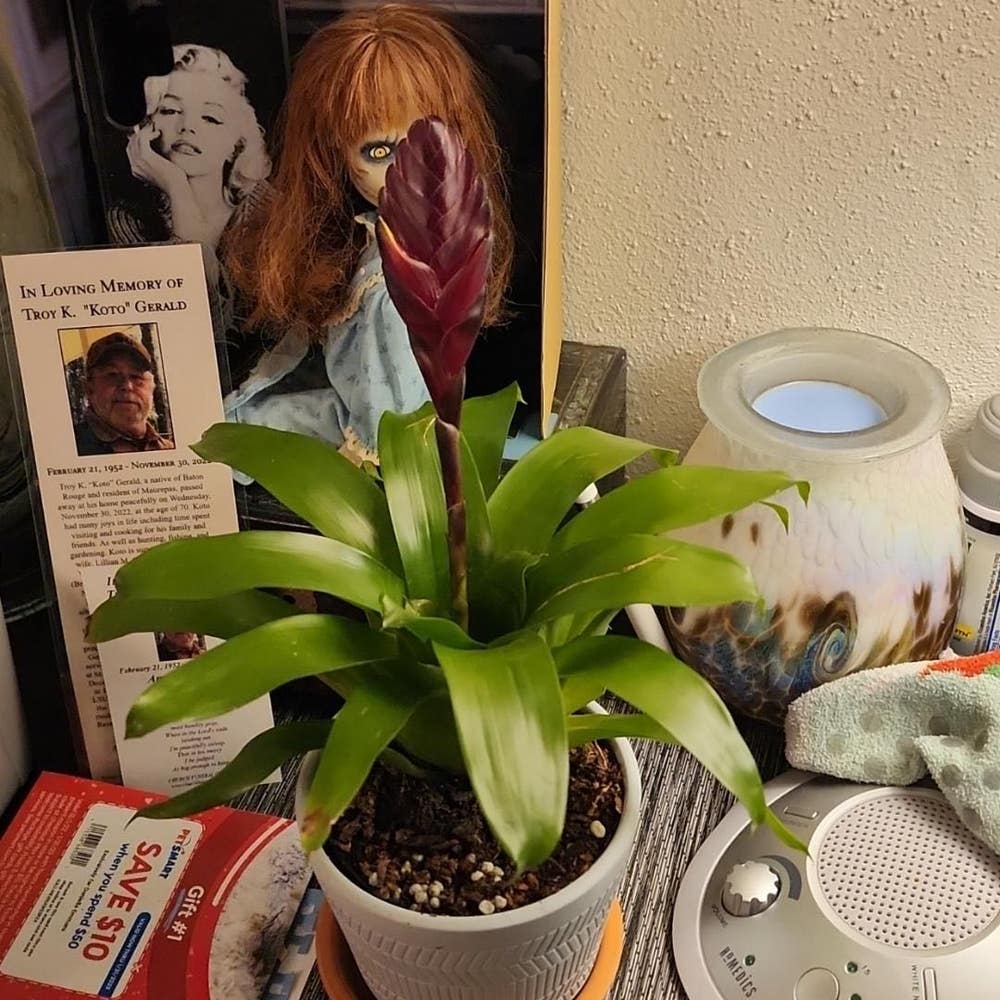
What You Should Know About Vriesea altomacaensis 🌺
Vriesea altomacaensis
By the Greg Editorial Team
Feb 23, 2025•7 min read
This article was created with the help of AI so we can cover more plants for you. May contain errors. See one? Report it here.
- 🌞 Bright, indirect sunlight is essential to prevent leaf scorching in Vriesea altomacaensis.
- 💧 Humidity above 60% is crucial for maintaining plant health and vitality.
- 🌱 Well-draining soil mix and proper watering ensure successful growth and prevent rot.
How to Grow
🌞 Choosing the Right Location
To thrive, Vriesea altomacaensis needs bright, indirect sunlight. Direct sun exposure can scorch its delicate leaves, so find a spot that offers filtered light.
Humidity is crucial for this plant, with levels of 60% or more being ideal. If your environment is too dry, consider using a humidifier or placing a tray of water nearby.
Temperature also plays a significant role in growth. Aim for a range between 20°C to 30°C (68°F to 86°F) for optimal health.
🏗️ Soil Preparation
When it comes to soil, a well-draining mix is essential. Combine orchid bark, peat, and perlite to create the perfect environment for your Vriesea.
Pay attention to pH levels as well. A slightly acidic to neutral pH (between 5.5 and 7.0) will support healthy growth.
🌱 Planting Techniques
For planting, choose pots with drainage holes to prevent waterlogging. Alternatively, you can mount your Vriesea on trees for a more natural look.
If planting outdoors, space your plants 12-18 inches apart. This allows for adequate airflow, which is vital for preventing diseases.
💧 Watering Practices
Water your Vriesea when the top inch of soil feels dry, typically every 1-2 weeks. This helps maintain the right moisture level without overwatering.
You can water from the base or use a spray bottle to mist the leaves. Both methods are effective in keeping your plant hydrated.
🌿 Fertilizing Schedule
Use a balanced, water-soluble fertilizer, such as a 20-20-20 mix. This will provide the necessary nutrients for healthy growth.
During the growing season, dilute the fertilizer to half-strength. This ensures your plant gets the nutrients it needs without the risk of over-fertilization.
With these guidelines, you’ll be well on your way to successfully growing Vriesea altomacaensis. Next, let’s explore how to propagate this beautiful plant.
Propagation
🌱 Methods of Propagation
Propagation of Vriesea altomacaensis can be achieved through two primary methods: offsets and seeds.
Offsets are the easiest way to propagate this plant. You can remove pups when they reach at least one-third the size of the parent plant.
Seeds offer another option, allowing you to collect them from mature flowers for sowing. This method requires a bit more patience but can be rewarding.
📋 Step-by-Step Instructions
Offsets
- Remove the Pup: Gently twist or cut the pup from the parent plant.
- Dry the Cut: Allow the cut to dry for 24 hours before planting to prevent rot.
- Planting: Place the pup in a well-draining mix and water lightly to encourage root development.
Seeds
- Sow Seeds: Sprinkle seeds on the surface of a moist, sterile seed-starting mix.
- Cover Lightly: Lightly cover the seeds with soil to protect them.
- Maintain Humidity: Keep the environment humid until germination occurs, which typically takes a few weeks.
With these methods, you can successfully propagate Vriesea altomacaensis and expand your collection. Whether you choose offsets or seeds, each method has its charm and rewards.
Next, let’s explore the lifecycle of this fascinating plant, from germination to maturity.
Lifecycle
Overview of Lifecycle Stages 🌱
Understanding the lifecycle of Vriesea altomacaensis is essential for successful cultivation. It begins with germination, where seeds sprout within 2-4 weeks under the right conditions.
The next phase is the seedling stage, lasting about 3-6 months. During this time, the plant establishes its roots and begins to grow.
Following the seedling stage is the vegetative growth phase, which can last from 1-2 years. This is when the plant experiences rapid growth, expanding its leaves and overall size.
After a couple of years, typically around 2-3 years, the plant will enter the flowering stage. This is a rewarding time, as the vibrant blooms showcase the plant's maturity.
Finally, Vriesea altomacaensis has a lifespan of approximately 5-10 years when cared for properly. With attention to its needs, you can enjoy its beauty for many years.
This lifecycle knowledge sets the foundation for understanding how to nurture your plant effectively. Next, let’s explore its growth habits to see how big you can expect your Vriesea altomacaensis to get!
Size
Growth Habits 🌱
Vriesea altomacaensis is a striking plant that typically reaches a mature height of 18-24 inches (45-60 cm). Its spread can extend up to 12-18 inches (30-45 cm), making it a lovely addition to any space.
The growth rate of this bromeliad is moderate, influenced by factors such as light, humidity, and nutrients. Providing the right conditions will help your plant thrive and reach its full potential.
In optimal environments, you can expect vibrant foliage and a healthy structure. Remember, the more you nurture it, the more rewarding your gardening experience will be.
As you consider the size and growth habits of Vriesea altomacaensis, think about how these characteristics will fit into your garden or indoor space. Next, let’s explore common issues that may arise while caring for this beautiful plant.
Problems
Common Issues 🌱
Growing Vriesea altomacaensis can be rewarding, but it’s not without its challenges. Understanding common issues can help you maintain a healthy plant.
Incorrect Watering 🚰
Watering is crucial for this bromeliad. Overwatering can lead to root rot, while underwatering may cause wilting.
Incorrect Light Conditions ☀️
Light plays a significant role in the health of your plant. Too much direct sunlight can scorch the leaves, leading to unsightly damage.
Diseases 🦠
Fungal diseases are a common concern. Watch for signs of powdery mildew or black rot, which can compromise your plant's health.
Leaf Issues 🍃
Leaf problems can indicate underlying issues. Yellowing leaves or fuzzy growth often signal that something isn't right, requiring your attention.
By staying vigilant and addressing these common problems, you can ensure your Vriesea altomacaensis thrives. Next, let’s explore how to manage pests that may invade your plant.
Bugs
🐞 Pest Management
Keeping your Vriesea altomacaensis healthy means staying vigilant against pests. Two common culprits are spider mites and mealybugs.
Spider Mites
Spider mites are tiny pests that can wreak havoc on your plant. Look for fine webbing and stippled leaves as signs of their presence.
Mealybugs
Mealybugs are another nuisance, identifiable by their white, cotton-like masses on leaves and stems. These pests can quickly multiply if not addressed.
Treatment Options
For both spider mites and mealybugs, neem oil or insecticidal soap works wonders. These treatments are effective against soft-bodied pests and are generally safe for your plant.
Maintaining a regular check on your Vriesea can prevent these issues from escalating. If you notice any signs of infestation, act quickly to keep your plant thriving.
Next, let’s explore what animals might be interested in munching on your Vriesea and how to deter them effectively.
What Eats
🦌 Animal Interactions
Vriesea altomacaensis can attract a few hungry visitors, notably deer and rabbits.
Deer Damage
If deer are munching on your plants, you’ll notice chewed leaves and broken stems. These signs indicate that your Vriesea is on their menu, which can be quite frustrating for any plant lover.
Rabbit Activity
Rabbits are another potential threat. Look for cleanly cut leaves and stems, which are telltale signs of their nibbling habits.
🚫 Methods for Deterring
To protect your beloved Vriesea, consider using commercial repellents designed to keep these animals at bay.
Alternatively, homemade solutions can also be effective. Spraying a mixture of water with a few drops of dish soap or using strong scents like garlic can deter these critters.
By taking these precautions, you can help ensure your Vriesea altomacaensis thrives without unwanted visitors. Next, let’s explore common issues that might arise while caring for this unique plant.
⚠️ Safety First
This content is for general information and may contain errors, omissions, or outdated details. It is not medical, veterinary advice, or an endorsement of therapeutic claims.
Always consult a qualified healthcare professional before using any plant as food, medicine, or supplement.
Never eat any plant (or feed one to pets) without confirming its identity with at least two trusted sources.
If you suspect poisoning, call Poison Control (800) 222-1222, the Pet Poison Helpline (800) 213-6680, or your local emergency service immediately.
Spotted an error? Please report it here.
Keep your Vriesea altomacaensis thriving 🌱 by using Greg's tailored care reminders and tips to create the perfect environment for its growth!