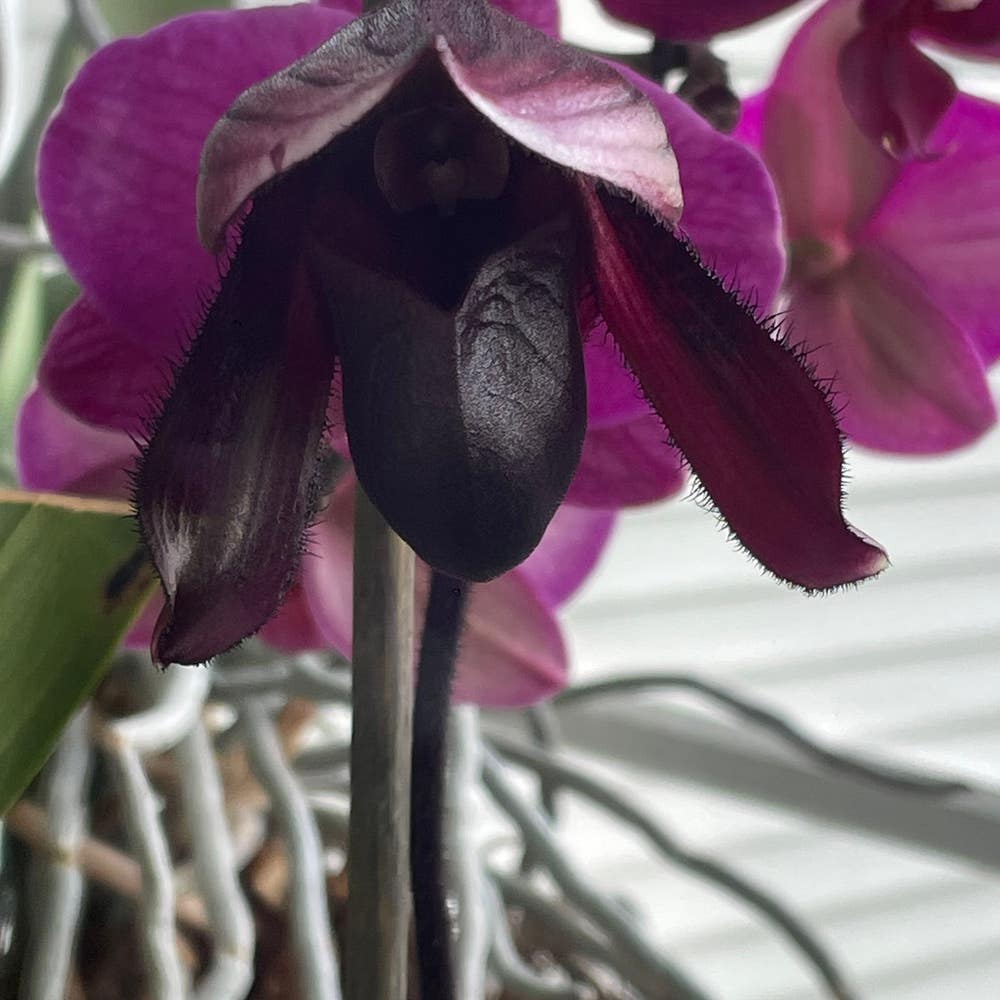
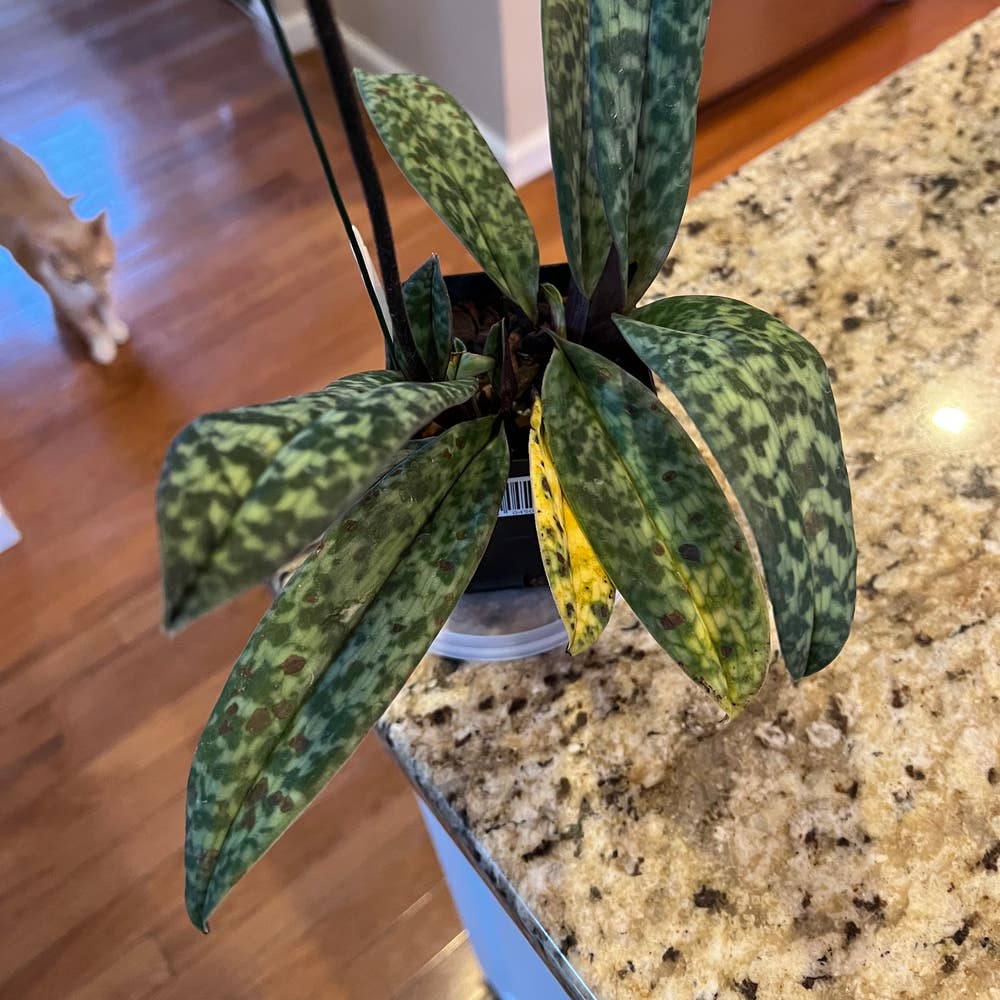
🌸 Victoria Maria's Lady Slipper: A Comprehensive Overview
Paphiopedilum 'Victoria Maria'
By the Greg Editorial Team
Feb 04, 2025•11 min read
This article was created with the help of AI so we can cover more plants for you. May contain errors. See one? Report it here.
- 🌳 Victoria Maria's Lady Slipper thrives in shade, perfect for shaded garden areas.
- 🌡️ Ideal temperatures range from 15°C to 25°C for optimal growth.
- 💧 Maintain humidity levels between 50% to 70% for healthy plants.
How to Grow
Choosing the Right Location 🌳
To successfully grow Victoria Maria's Lady Slipper, start by selecting the right location. This plant thrives in partial to full shade, making it ideal for shaded garden spots.
Temperature is another crucial factor. Aim for cool to moderate temperatures between 15°C to 25°C (59°F to 77°F) to keep your plant happy and healthy.
Humidity plays a vital role as well. High humidity levels, ideally between 50% to 70%, are recommended to mimic its natural habitat.
Soil Preparation 🏞️
Next, focus on soil preparation. Victoria Maria's Lady Slipper prefers well-draining soil rich in organic matter.
The ideal soil pH is slightly acidic to neutral, ranging from 5.5 to 7.0. To enhance soil quality, incorporate organic amendments like peat moss or compost for improved drainage and nutrients.
Planting Techniques 🌱
When it comes to planting, proper techniques are essential. Position the root crown at soil level to ensure healthy growth.
Spacing is equally important; plant your Lady Slippers 12-18 inches apart to allow for adequate growth and airflow.
Watering Requirements 💧
Watering is a critical aspect of care. Keep the soil consistently moist but avoid waterlogging, which can lead to root issues.
For the best results, use distilled or rainwater to prevent chemical buildup that could harm your plant.
Fertilizing Schedule 🌼
Fertilizing your Lady Slipper will help it flourish. Use a balanced orchid fertilizer (20-20-20) diluted to half strength for optimal nutrition.
Timing is key; fertilize every 4-6 weeks during the growing season, which spans from spring to early fall.
Pruning and Ongoing Care ✂️
Ongoing care includes regular pruning. Deadheading spent flowers encourages new growth and keeps your plant looking its best.
Lastly, monitor for pests and diseases. Adjust your care routine as needed to ensure your Lady Slipper remains healthy and vibrant.
With these guidelines, you're well on your way to cultivating a thriving Victoria Maria's Lady Slipper. Next, let’s explore the fascinating world of propagation techniques!
Propagation
🌱 Seed Propagation
Seed propagation of Victoria Maria's Lady Slipper is a fascinating process. It requires specific conditions, including moisture and warmth, and can take several months for seeds to germinate.
Timing is crucial for successful seed propagation. The best period to start is late winter to early spring, aligning with the plant's natural growth cycle.
✂️ Division of Established Plants
Dividing established plants is another effective propagation method. This should be done every 3-4 years, ideally in early spring when the plant is just waking up from dormancy.
When dividing, take care to separate the root clumps gently. Ensure that each division has both roots and shoots to promote healthy growth in the new plants.
This propagation method not only helps in expanding your collection but also rejuvenates the parent plant, enhancing its vitality.
With these techniques, you can successfully propagate Victoria Maria's Lady Slipper and enjoy its beauty in multiple locations. Next, let’s explore the lifecycle of this remarkable plant.
Lifecycle
Lifecycle Stages 🌱
Victoria Maria's Lady Slipper is a perennial plant known for its longevity. Its lifecycle includes several distinct stages: seed germination, seedling stage, vegetative growth, flowering, and seed production.
Growth Timeline ⏳
Germination typically takes about 4 to 8 weeks under optimal conditions. After germination, it usually requires 2 to 3 years to reach flowering maturity, making patience a key part of the growing process.
This timeline reflects the plant's natural rhythm, rewarding gardeners with stunning blooms after a bit of nurturing. Understanding these stages helps you provide the right care at each phase, ensuring a thriving plant.
As you embark on this journey, remember that each stage is an opportunity to learn and connect with the beauty of nature. Next, we'll explore the size of this remarkable plant and what to expect as it matures.
Size
Mature Dimensions 🌱
Victoria Maria's Lady Slipper reaches a mature height of 12 to 24 inches (30 to 60 cm) and spreads about 12 to 18 inches (30 to 45 cm) wide. This size makes it a striking addition to any garden, providing a lovely focal point without overwhelming the space.
Growth Rate and Size Variability 📈
The growth rate of this orchid is moderate, typically taking 2 to 3 years to reach its full size. Factors such as light exposure, soil quality, and water availability play significant roles in how quickly and robustly these plants grow.
Understanding these dimensions and growth patterns can help you plan your garden layout effectively. With the right conditions, you can enjoy the beauty of Victoria Maria's Lady Slipper as it flourishes over the years.
As we explore the next section, let's dive into the fascinating lifecycle of this unique plant.
Roots
Characteristics of the Root System 🌱
Victoria Maria's Lady Slipper features a fibrous root system that remains relatively shallow. Typically, these roots extend about 6-12 inches (15-30 cm) deep, allowing the plant to absorb nutrients effectively while maintaining stability.
Common Root-Related Issues ⚠️
Root health is crucial for the overall vitality of your Lady Slipper. Two common issues include root rot, often caused by overwatering and poor drainage, and rootbound conditions, which occur when roots fill the pot and hinder growth.
Visual Cues for Healthy vs. Unhealthy Roots 👀
Identifying root health is straightforward. Healthy roots are firm and exhibit a white or light tan color, while unhealthy roots appear dark, mushy, or may even emit a foul smell.
Solutions for Root Problems 🛠️
To address rootbound plants, look for roots circling the pot or emerging from drainage holes. The solution is simple: repot the plant into a larger container filled with fresh soil to give it room to thrive.
As you nurture your Lady Slipper, keeping an eye on root health will ensure a flourishing plant. Next, we’ll explore the benefits of growing this unique orchid, highlighting why it deserves a spot in your garden.
Benefits
Top 5 Benefits 🌟
Aesthetic Appeal
The Victoria Maria's Lady Slipper boasts unique flowers that can transform any garden into a stunning visual masterpiece. Their vibrant colors and intricate shapes are sure to catch the eye of any passerby.Biodiversity
These orchids play a vital role in supporting local ecosystems. By attracting pollinators like bees and butterflies, they contribute to a healthier environment.Cultural Significance
In various traditions, the Lady Slipper symbolizes beauty and rarity. Its presence can add a touch of cultural richness to your garden.Low Maintenance
Once established, these plants require minimal care. This makes them an excellent choice for both novice and experienced gardeners looking for a hassle-free addition to their landscape.Educational Value
Growing Victoria Maria's Lady Slipper offers insights into orchid cultivation and conservation. It’s a fantastic opportunity to learn about plant care and the importance of preserving native species.
These benefits make the Victoria Maria's Lady Slipper not just a beautiful addition to your garden, but also a meaningful one. As we explore the next section, you'll discover how to propagate these remarkable plants, ensuring their beauty continues for generations to come.
Companion Plants
🌱 Companion Planting Benefits
Companion planting is a fantastic way to enhance your garden's diversity. It promotes healthy growth by fostering symbiotic relationships between different plant species.
🌼 Compatible Companion Plants
When selecting companions for your Victoria Maria's Lady Slipper, consider these options:
- Ferns: They thrive in similar moisture and light conditions, making them ideal partners.
- Hostas: These plants provide excellent ground cover and shade, complementing the slipper's needs.
- Astilbe: Known for attracting pollinators, astilbe flourishes in conditions that suit the Lady Slipper.
🚫 Plants to Avoid
While some plants are great companions, others can hinder growth. Avoid these:
- Aggressive weeds: They compete fiercely for nutrients and water, which can harm your slipper.
- Plants requiring full sun: These may not provide the necessary shade, leading to stress for your Lady Slipper.
By carefully choosing companion plants, you can create a thriving garden ecosystem that benefits all your plants, including the stunning Victoria Maria's Lady Slipper. Next, let’s explore the potential toxicity of this beautiful orchid to pets and humans.
Toxicity to Humans
Victoria Maria's Lady Slipper is not listed as toxic by major poison control centers. This means it's generally safe for handling and even ingestion in small amounts.
However, it's important to note that consuming large quantities may lead to mild skin irritation or digestive discomfort. Always exercise caution with any plant and seek medical advice if you experience unusual symptoms after contact or ingestion.
In summary, while this beautiful orchid is a delightful addition to your garden, it's wise to treat it with respect. Enjoy its beauty, but remember to keep an eye on how you interact with it.
Toxicity to Dogs
When it comes to the Victoria Maria's Lady Slipper, dog owners can breathe easy. This plant is not listed as toxic by major pet poison control centers, making it generally safe for homes with dogs.
However, it's important to note that while the plant poses no significant health risks, consuming large quantities may lead to mild gastrointestinal upset. To ensure your furry friends stay safe, keep the plant out of their reach.
🌱 Proper Placement
Positioning the Lady Slipper in an area that's inaccessible to dogs is a smart move. This not only protects your plant but also prevents any potential mishaps.
👀 Monitoring Behavior
Always keep an eye on your dog's behavior around the plant. If you notice any unusual interest, it might be a good idea to redirect their attention elsewhere.
In summary, the Victoria Maria's Lady Slipper is a delightful addition to your garden that won't pose a threat to your canine companions. With a little precaution, you can enjoy its beauty without worry.
Toxicity to Cats
Victoria Maria's Lady Slipper is not listed as toxic to cats by major pet poison control centers. This means that generally, it is safe for your feline friends to be around.
However, if a cat consumes large quantities of the plant, it may experience mild gastrointestinal upset.
🐾 Proper Placement
To ensure safety, keep the plant elevated or out of reach of curious cats. This simple step can prevent any potential nibbling.
👀 Monitoring Behavior
It's wise to observe your cat's behavior around the plant. If you notice any unusual interest, consider relocating the Lady Slipper to a less accessible spot.
In summary, while this beautiful orchid poses no significant health risks to cats, a little caution goes a long way in keeping your pets safe. Now, let’s explore the potential problems that can arise when caring for this stunning plant.
Bugs
Potential Pest Issues 🐜
While Victoria Maria's Lady Slipper is known for its pest resistance, it can still encounter some challenges. Keeping an eye out for common pests will help ensure your plant remains healthy and vibrant.
List of Pests 🦠
Spider Mites
These tiny pests can be identified by their webbing and stippled leaves. Treat them with insecticidal soap to eliminate the infestation.
Scale Insects
Look for sticky residue and hard shells on the plant. You can remove them manually or apply horticultural oil for effective control.
Fungus Gnats
Recognizable by small flies hovering around the soil, these pests thrive in overly moist conditions. Allow the soil to dry out between waterings to manage their population.
Mealybugs
These pests appear as cotton-like masses on the plant. Treat them with neem oil or insecticidal soap to keep them at bay.
Aphids
Clusters of these small insects on new growth can signal an infestation. Control them using insecticidal soap or by introducing natural predators.
By staying vigilant and addressing these potential pest issues promptly, you can enjoy a thriving Victoria Maria's Lady Slipper. Next, let's explore the common problems that may arise in its care.
What Eats
🦌 Common Garden Animals
Victoria Maria's Lady Slipper can attract a variety of garden animals that may cause damage.
Deer: Look for nibbled leaves and tracks. Fencing or repellents can effectively deter them.
Rabbits: Chewed stems and droppings are telltale signs. Barriers or repellents work well to keep them at bay.
Squirrels: If you notice digging around the base, squirrels might be the culprits. Noise or movement devices can help deter them.
Birds: They may peck at the flowers, so using netting can protect your blooms.
Rodents: Signs include gnawed roots. Traps or natural deterrents can help manage their presence.
Groundhogs/Woodchucks: Look for large bites on leaves. Fencing or repellents can keep them away.
🕵️♂️ Signs of Animal Presence and Damage
Identifying animal activity is crucial for protecting your plants.
Chewed leaves, tracks, and droppings are clear indicators that animals are visiting your garden.
🚫 Deterrent Methods
Preventing damage from these garden visitors is essential for the health of your Lady Slipper.
Chemical repellents: These commercial products are designed to deter specific animals effectively.
Organic control methods: Natural deterrents like garlic or hot pepper sprays can also be effective and are safer for the environment.
By being proactive with these strategies, you can enjoy the beauty of your Victoria Maria's Lady Slipper without the worry of unwanted nibblers.
⚠️ Safety First
This content is for general information and may contain errors, omissions, or outdated details. It is not medical, veterinary advice, or an endorsement of therapeutic claims.
Always consult a qualified healthcare professional before using any plant as food, medicine, or supplement.
Never eat any plant (or feed one to pets) without confirming its identity with at least two trusted sources.
If you suspect poisoning, call Poison Control (800) 222-1222, the Pet Poison Helpline (800) 213-6680, or your local emergency service immediately.
Spotted an error? Please report it here.
Transform your shaded garden with the vibrant blooms of Victoria Maria's Lady Slipper 🌿—let Greg guide you with custom reminders for watering and care to keep your plant flourishing!