🌸 Ultimate Guide to Verbena 'Superbena Pink Parfait'
Verbena 'Superbena Pink Parfait'
By the Greg Editorial Team
Jan 24, 2025•12 min read
This article was created with the help of AI so we can cover more plants for you. May contain errors. See one? Report it here.
Cultivate a vibrant garden with Verbena 'Superbena Pink Parfait' and enjoy its stunning blooms all season long! 🌼🌱
- 🌞 Verbena 'Superbena Pink Parfait' needs 6-8 hours of sunlight for optimal growth.
- 🌱 Well-draining, fertile soil with pH 6.0-7.0 is essential for healthy plants.
- 🌼 Regular deadheading and pruning promote continuous blooms and bushier growth.
How to Grow
Choosing the Right Location 🌞
To thrive, Verbena 'Superbena Pink Parfait' needs full sun, requiring 6-8 hours of sunlight daily. Additionally, consider wind exposure; providing protection from harsh weather will help your plants flourish.
Soil Preparation and Amendments 🌱
This plant prefers well-draining, fertile soil with a pH level between 6.0 and 7.0. Enhance soil fertility by adding organic matter or compost, ensuring your plants have the nutrients they need.
Planting Techniques for Optimal Growth 🌼
When planting, dig a hole that is 1-2 inches deep and space your plants 12-18 inches apart to allow for proper air circulation. Timing is crucial; plant them after the last frost for the best results.
Watering Requirements and Techniques 💧
After planting, give your Verbena a deep watering to help establish roots. Moving forward, water when the top inch of soil feels dry, using drip irrigation or soaker hoses to prevent waterlogging.
Fertilizing Schedule and Types of Fertilizers 🌿
Fertilize your plants every 4-6 weeks during the growing season to promote healthy growth. A balanced NPK fertilizer, such as 10-10-10, is recommended for optimal results.
Pruning and Deadheading for Continuous Blooms ✂️
Regularly deadhead throughout the blooming season to encourage more flowers. Pinching back stems will also promote bushier growth, keeping your plants looking vibrant.
Ongoing Care for Healthy Plants in Containers and Gardens 🪴
If you're growing in containers, ensure that your pots have drainage holes to prevent water accumulation. Regularly monitor your plants for pests and diseases to maintain their health and vitality.
With these tips, you'll be well on your way to cultivating a stunning display of Verbena 'Superbena Pink Parfait' in your garden or containers. Next, let’s explore how to propagate this beautiful plant for even more blooms!
Propagation
🌱 Methods of Propagation: Seeds vs. Cuttings
Verbena 'Superbena Pink Parfait' can be propagated through seeds or cuttings, each method offering unique advantages. Seed germination is straightforward and ideal for those who enjoy starting from scratch, while cuttings provide a quicker way to replicate existing plants.
🌼 Step-by-Step Guide for Seed Germination (difficulty: easy)
- Prepare seed trays with a quality seed-starting mix to ensure proper drainage and aeration.
- Sow seeds on the surface and lightly cover them with a thin layer of soil to protect them.
- Water gently and maintain consistent moisture until germination occurs, which typically takes 7-14 days.
✂️ Step-by-Step Guide for Taking and Rooting Cuttings (difficulty: moderate)
- Select healthy stems that are 4-6 inches long, ensuring they are free from disease.
- Remove lower leaves and dip the cut ends in rooting hormone to encourage root development.
- Plant in a well-draining medium and keep the soil moist until roots develop, which usually takes a few weeks.
By mastering these propagation techniques, you can expand your Verbena collection or share the beauty of 'Superbena Pink Parfait' with friends and family. Next, let’s explore the lifecycle of this vibrant plant and how it evolves from seed to bloom.
Lifecycle
Lifecycle Overview 🌱
The lifecycle of Verbena 'Superbena Pink Parfait' unfolds in distinct stages: germination, seedling, vegetative growth, flowering, and seed production. Each phase is crucial for the plant's development and overall health.
Duration Until Maturity ⏳
From seed to maturity, expect a timeline of approximately 12-16 weeks. This relatively quick growth allows you to enjoy vibrant blooms within the first season.
Growth Rate Specifics 📈
Verbena 'Superbena Pink Parfait' exhibits a moderate growth rate. With proper care, you’ll witness its beautiful flowers emerge, adding color and life to your garden.
Understanding this lifecycle is essential for successful cultivation. By recognizing each stage, you can provide the right care at the right time, ensuring your plants thrive.
Next, let’s explore the size of this stunning plant and what to expect as it matures.
Size
Mature Height and Spread 🌱
Verbena 'Superbena Pink Parfait' typically reaches a mature height of 12 to 18 inches. Its spread can extend from 18 to 24 inches, making it a lovely addition to any garden or container.
Growth Rate and Time to Reach Full Size ⏳
This vibrant plant has a moderate growth rate, taking approximately 12 to 16 weeks to reach its full size. Factors such as sunlight and soil quality can influence how quickly it grows.
Factors Affecting Size Variability ⚖️
Several elements can affect the size of your Verbena. Soil quality, sunlight exposure, and watering practices all play crucial roles in determining how robust and expansive your plants will become.
As you consider growing Verbena 'Superbena Pink Parfait', keep these size factors in mind. Understanding them will help you create the ideal environment for your plants to thrive.
Roots
Characteristics of the Fibrous Root System 🌱
The fibrous root system of Verbena 'Superbena Pink Parfait' is essential for its growth and resilience. This network of thin, branching roots helps the plant absorb water and nutrients efficiently.
Root Depth, Spread, and Growth Patterns 📏
Typically, the roots extend to a depth of 12-18 inches. Their extensive spread allows for optimal nutrient uptake, supporting healthy plant development.
Common Root-Related Issues and Solutions ⚠️
Root rot is a common issue, often indicated by wilting and yellowing leaves. To combat this, ensure proper drainage and avoid overwatering, which can suffocate the roots.
Identifying Healthy vs. Unhealthy Roots 🧐
Healthy roots are firm, white, and spread evenly throughout the soil. In contrast, unhealthy roots appear dark, mushy, or may emit a foul smell, signaling potential problems.
Recognizing and Addressing Rootbound Conditions 🔄
Signs of a rootbound plant include roots growing out of drainage holes. To remedy this, consider repotting into a larger container or dividing the plant to promote healthier growth.
Understanding the root system of Verbena 'Superbena Pink Parfait' is crucial for maintaining its health and vibrancy. With proper care, these plants can thrive beautifully in your garden or containers.
Benefits
🌟 Five Key Benefits of Growing
Growing Verbena 'Superbena Pink Parfait' offers numerous advantages for any garden enthusiast.
Long Blooming Period: This plant boasts a vibrant, extended blooming season, adding a splash of color to your garden from spring through fall.
Attracts Pollinators: Its nectar-rich flowers are a magnet for pollinators like bees and butterflies, promoting biodiversity in your garden.
Low Maintenance: Once established, it requires minimal care and is drought-tolerant, making it perfect for busy gardeners.
Versatile Planting Options: Whether in garden beds or containers, this verbena adapts well, allowing for creative landscaping.
Ground Cover Benefits: Its spreading habit helps suppress weeds, reducing the need for constant maintenance.
🌿 Cultural Significance and Symbolism
Verbena has a rich history in herbal medicine and folklore.
Historically, it has been used for its healing properties and is often associated with protection and purification in various cultures.
This cultural significance adds an extra layer of meaning to growing Verbena 'Superbena Pink Parfait', making it not just a beautiful addition to your garden but also a plant steeped in tradition and symbolism.
As you cultivate this lovely flower, you’re not just enhancing your space; you’re connecting with a legacy of healing and care.
With these benefits in mind, let’s explore how to effectively propagate this stunning plant for your garden.
Companion Plants
🌱 Explanation of Companion Planting and Its Benefits
Companion planting is a gardening technique that involves growing different plants together for mutual benefits. This practice can lead to improved growth, effective pest management, and enhanced garden diversity.
🌼 List of Compatible Companion Plants
When planting Verbena 'Superbena Pink Parfait', consider these companions:
Marigolds
Marigolds are excellent companions due to their pest-repellent properties. They deter harmful insects, making your garden healthier.
Petunias
Petunias not only add visual appeal but also share similar care needs with verbena. Their vibrant colors can complement the pink parfait beautifully.
Geraniums
Geraniums attract beneficial insects, which can help pollinate your verbena and keep pests at bay. Their presence promotes a balanced ecosystem in your garden.
🚫 Plants to Avoid Planting Near
While companion planting can be beneficial, some plants should be avoided. Steer clear of those that require excessive moisture or shade, as they can compete with your verbena for resources.
By selecting the right companions, you can create a thriving garden that showcases the beauty of Verbena 'Superbena Pink Parfait' while enhancing its growth and resilience.
Toxicity to Humans
Safety Overview 🌿
Verbena 'Superbena Pink Parfait' is generally safe for humans and is not classified as toxic. However, consuming large quantities may lead to mild digestive discomfort or skin irritation.
Caution is Key ⚠️
While this plant is not harmful, it's always wise to exercise caution with any plant. If you experience unusual symptoms after contact or consumption, seek medical advice promptly.
Enjoy Responsibly 🎉
Enjoy the beauty and benefits of Verbena 'Superbena Pink Parfait' in your garden, but remember to handle it responsibly. Awareness and care can ensure a safe and pleasant gardening experience.
As we move forward, let’s explore how this vibrant plant interacts with our furry friends.
Toxicity to Dogs
Safety Overview 🐶
Verbena 'Superbena Pink Parfait' is considered safe for dogs. It is not listed as toxic, which is great news for pet owners who love to garden.
Potential Upset 🤢
While the plant is non-toxic, consuming large quantities may lead to mild gastrointestinal upset. This means your furry friend might experience a bit of discomfort if they munch on too many leaves.
Proper Placement 🏡
To ensure safety, it's wise to keep this plant out of your dog's reach. Regularly monitor your dog's behavior around the garden to prevent any unwanted snacking.
Conclusion 🌼
With proper care and attention, you can enjoy the beauty of Verbena 'Superbena Pink Parfait' without worrying about your canine companion. This vibrant plant can thrive alongside your pets, adding color to your garden while keeping your furry friends safe.
Toxicity to Cats
Safety Overview 🐱
Verbena 'Superbena Pink Parfait' is not considered toxic to cats. This means you can enjoy these beautiful blooms without worrying about your feline friends getting harmed.
However, if a cat consumes large quantities, it may experience mild gastrointestinal upset. It's always wise to monitor your cat's behavior around plants and ensure they stay out of reach.
Best Practices for Plant Placement 🏡
To keep your cat safe, place your Verbena in areas that are less accessible. This simple step can prevent any potential nibbling and help you enjoy your garden worry-free.
In summary, while Verbena 'Superbena Pink Parfait' poses minimal risk, it's best to stay vigilant. By taking a few precautions, you can create a beautiful garden that both you and your pets can enjoy.
Next, let’s explore the common problems you might face while growing this lovely plant.
Problems
Common Problems Faced 🌱
Growing Verbena 'Superbena Pink Parfait' can be rewarding, but it’s not without its challenges. Understanding common problems can help you maintain healthy plants and vibrant blooms.
Incorrect Watering 🚰
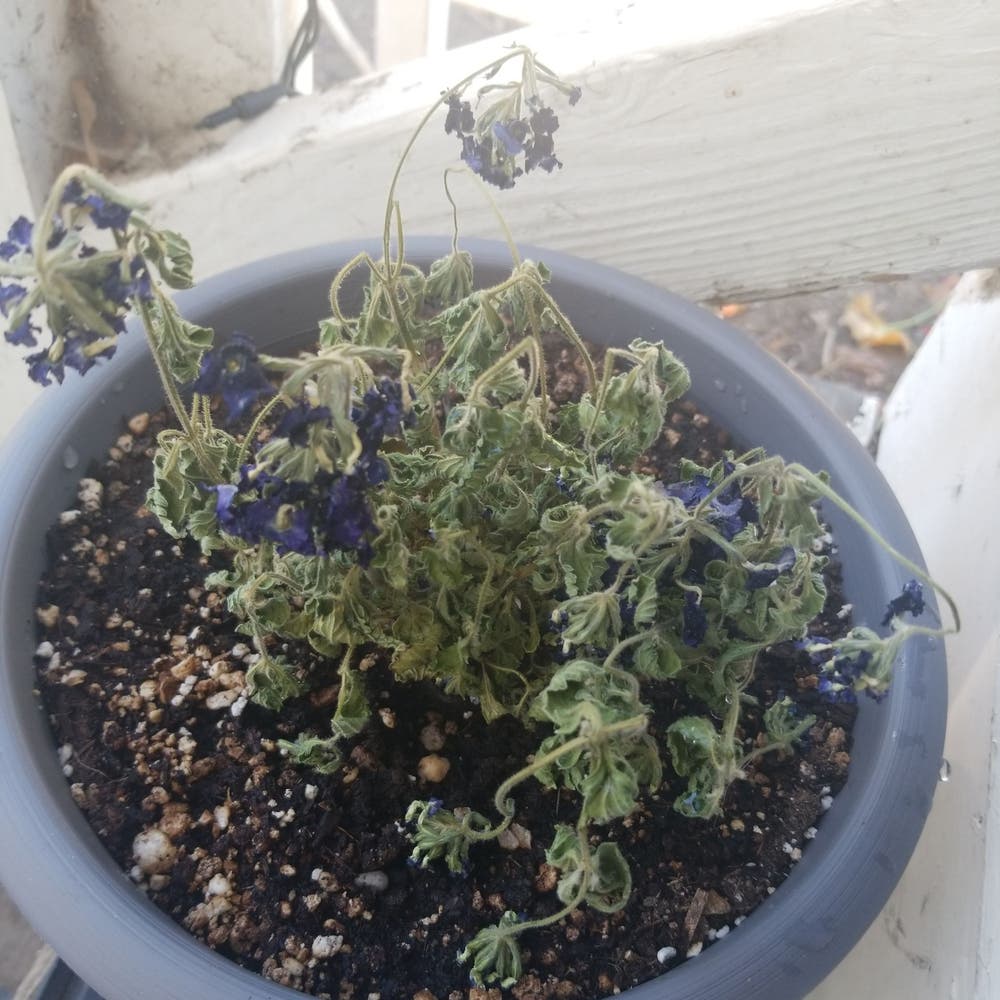
Watering issues are among the most frequent problems. Overwatering leads to root rot, characterized by wilting and yellowing leaves, while underwatering causes the plant to droop and leaves to crisp up.
Incorrect Light Conditions ☀️
Light conditions also play a crucial role in plant health. Too much sunlight can scorch the leaves, while insufficient light may result in leggy growth and fewer blooms.
Diseases 🦠
Fungal diseases, like powdery mildew, can plague your Verbena. To prevent this, ensure good air circulation and avoid overhead watering, which can create a damp environment conducive to fungal growth.
Root Problems 🪴
Root-related issues can severely impact plant health. Root rot is a common concern; look for signs such as wilting despite adequate watering. To combat this, ensure your soil drains well and avoid overwatering.
Leaf Issues 🍃
Leaf problems can manifest in various ways. Scorching occurs when plants are exposed to intense sunlight without adequate water, leading to crispy, brown edges. Yellowing leaves may indicate nutrient deficiencies or overwatering.
By being aware of these common problems, you can take proactive steps to ensure your Verbena thrives. Next, let’s explore potential pest issues that could affect your plants.
Bugs
Potential Pest Issues 🐛
When growing Verbena 'Superbena Pink Parfait', it's essential to be aware of potential pest issues that can affect your plants. While these flowers are generally resilient, they can still attract a few unwelcome guests.
Spider Mites 🕷️
Spider mites are tiny pests that can wreak havoc on your verbena. Look for signs like fine webbing on the leaves and stippling, which indicates they are feeding on the plant's sap.
Aphids 🐜
Aphids are another common pest that may invade your verbena. These small, soft-bodied insects can be identified by their green or black color and can cause leaf curling and distortion. Control methods include introducing natural predators like ladybugs or using insecticidal soap.
Whiteflies 🦋
Whiteflies are small, white, moth-like insects that can be problematic. Symptoms include yellowing leaves and a sticky residue on the foliage, known as honeydew. Effective treatments involve using yellow sticky traps and insecticidal sprays to manage their population.
Prevention and Management 🚫
To keep your Verbena healthy, regularly inspect your plants for any signs of pests. Early detection is key to preventing infestations. Implementing good cultural practices, such as proper watering and spacing, can also help reduce pest susceptibility.
By staying vigilant and addressing pest issues promptly, you can enjoy the vibrant blooms of your 'Superbena Pink Parfait' without the worry of pest damage. Next, let’s explore the common problems faced by these beautiful plants.
What Eats
Common Animals That May Damage 🦌
When cultivating Verbena 'Superbena Pink Parfait', be aware of the potential threats from local wildlife. Common culprits include deer, rabbits, squirrels, and various rodents.
Signs of Animal Damage 🐾
Keep an eye out for telltale signs of animal activity. Chewed leaves, missing flowers, and distinct tracks in the soil can indicate that your plants are being nibbled on.
Deterrent Methods 🚫
To protect your beloved verbena, consider implementing a few deterrent strategies:
- Fencing: A sturdy fence can keep larger animals like deer and rabbits at bay.
- Repellents: Commercial or homemade repellents can discourage smaller pests.
- Companion Planting: Pairing your verbena with plants that repel certain animals can create a natural barrier.
By taking these proactive steps, you can enjoy the beauty of your Verbena 'Superbena Pink Parfait' without the worry of unwanted visitors. Next, let’s explore the potential pest issues that can also affect your plants.
⚠️ Safety First
This content is for general information and may contain errors, omissions, or outdated details. It is not medical, veterinary advice, or an endorsement of therapeutic claims.
Always consult a qualified healthcare professional before using any plant as food, medicine, or supplement.
Never eat any plant (or feed one to pets) without confirming its identity with at least two trusted sources.
If you suspect poisoning, call Poison Control (800) 222-1222, the Pet Poison Helpline (800) 213-6680, or your local emergency service immediately.
Spotted an error? Please report it here.
Unlock a vibrant garden display 🌸 with Verbena 'Superbena Pink Parfait' by using Greg's tailored care reminders to keep your plants thriving and attract pollinators!