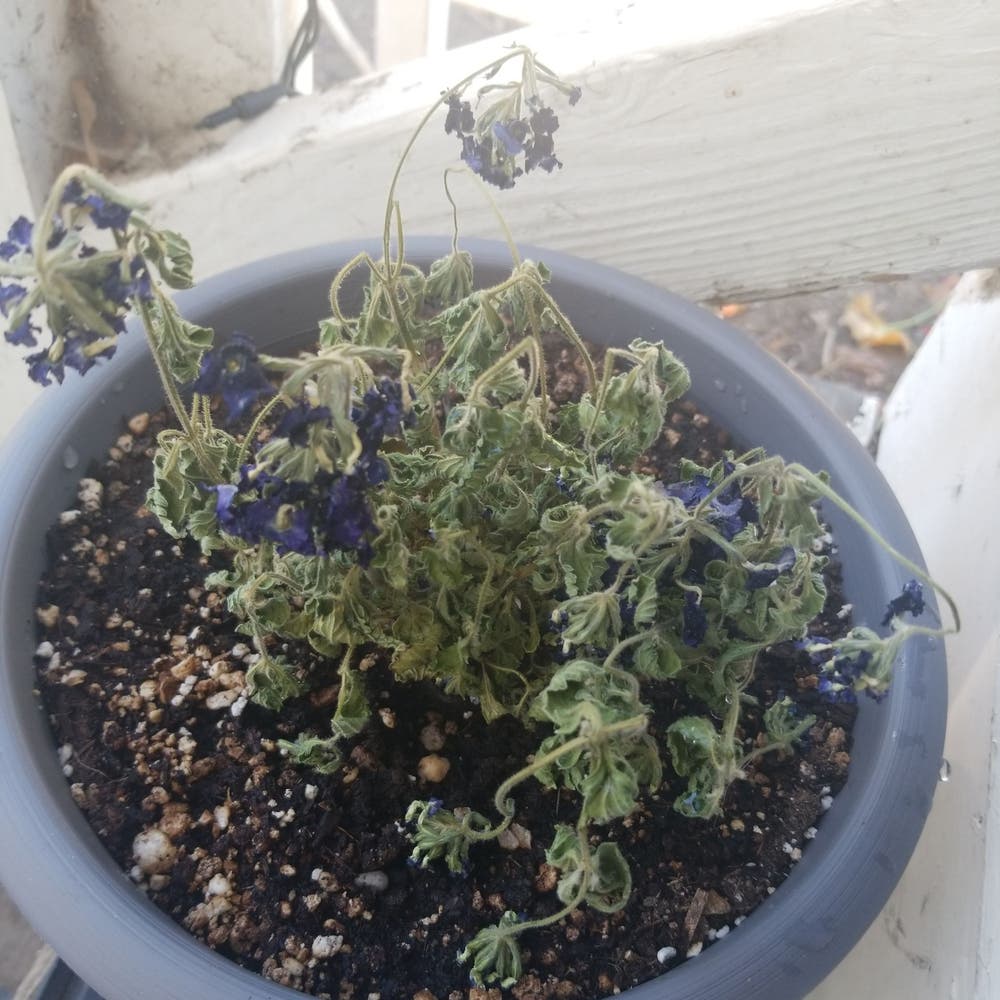
Ultimate Guide to Verbena moranii 🌸
Verbena moranii
By the Greg Editorial Team
Feb 26, 2025•13 min read
This article was created with the help of AI so we can cover more plants for you. May contain errors. See one? Report it here.
Elevate your garden with vibrant Verbena moranii 🌼, a resilient beauty that attracts pollinators and thrives effortlessly!
- ☀️ Verbena moranii needs 6-8 hours of sunlight daily for optimal growth.
- 🌱 Well-draining sandy loam with pH 6.0-7.5 is ideal for planting.
- 💧 Water consistently until established, then allow soil to dry to prevent root rot.
How to Grow
Choosing a Location 🌞
For optimal growth, Verbena moranii thrives in full sun, requiring 6 to 8 hours of direct sunlight daily. When deciding between outdoor planting and container growing, consider your space and climate; containers offer flexibility, while garden beds provide more room for root expansion.
Soil Preparation 🏜️
The ideal soil for Verbena moranii is well-draining sandy loam. Aim for a soil pH between 6.0 and 7.5, and enhance drainage by incorporating organic matter, which also enriches the soil.
Planting Techniques 🌱
When planting, dig a hole 1 to 2 inches deep and space your plants 12 to 18 inches apart for optimal growth. The best time to plant is in spring, after the last frost has passed, ensuring a healthy start.
Watering Requirements 🚰
Initially, keep the soil consistently moist until the plants are established. Afterward, water moderately, allowing the soil to dry out between waterings to prevent root rot.
Fertilizing Schedule 🍽️
Fertilize Verbena moranii every 4 to 6 weeks during the growing season. Use a balanced NPK fertilizer, such as 10-10-10, or opt for organic options to nourish your plants.
Pruning Methods ✂️
Prune your Verbena in late spring or early summer to encourage new blooms. Deadheading spent flowers not only keeps the plant looking tidy but also promotes further flowering.
Ongoing Care 🛡️
Regularly monitor your plants for pests and diseases, adjusting your watering schedule based on weather conditions. For container plants, seasonal care tips include ensuring adequate drainage and protecting them from extreme temperatures.
With these guidelines, you're well on your way to cultivating vibrant Verbena moranii in your garden or containers. Next, let’s explore how to propagate this beautiful plant for even more blooms!
Propagation
🌱 Seed Propagation
Starting Verbena moranii from seeds is a straightforward process. Sow the seeds at a depth of 1/4 inch, and keep the soil warm and moist for optimal germination.
Germination typically takes 7-14 days at a temperature of 70°F (21°C). This method is rewarding, as it allows you to witness the entire growth cycle from the very beginning.
✂️ Cutting Propagation
Cutting propagation is another effective way to expand your Verbena collection. Select healthy stems that are 4-6 inches long, ensuring they are free from disease.
For the rooting medium, use a mix of equal parts peat and perlite. This combination provides excellent drainage and aeration, crucial for root development. Expect rooting to take about 2-3 weeks.
🌿 Division Propagation
Division is best done in early spring or fall when the plant is actively growing. Carefully separate clumps of Verbena moranii, ensuring each division has a healthy root system.
Replant the divisions in well-prepared soil, and watch them thrive. This method not only helps manage plant size but also rejuvenates older plants, promoting vigorous growth.
With these propagation techniques, you can easily multiply your Verbena moranii and enjoy its beauty in various spots around your garden. Next, let’s explore the lifecycle of this vibrant plant and how it develops over time.
Lifecycle
Lifecycle Stages 🌱
Verbena moranii showcases a fascinating lifecycle that varies with climate. In cooler regions, it behaves as an annual, while in warmer areas, it thrives as a perennial.
Germination Process 🌡️
Successful germination hinges on warmth and moisture. Ensure the seeds are kept in a warm environment to encourage sprouting.
Seedling Stage 🌿
The seedling stage lasts about 4-6 weeks. During this time, the plants develop true leaves, marking their transition into the next phase.
Vegetative Growth 🌳
As Verbena moranii enters vegetative growth, it adopts a sprawling, bushy appearance. This growth habit allows it to fill space effectively in your garden.
Flowering Phase 🌼
Typically, blooms appear in summer, adding vibrant color to your landscape. The flowering phase is a highlight, attracting pollinators and enhancing garden biodiversity.
Seed Production 🌾
After flowering, the plant produces seeds within capsules. This natural process ensures the continuation of the species for future seasons.
Growth Timeline ⏳
From seed to maturity, Verbena moranii takes approximately 12-16 weeks. This timeline is essential for planning your planting and care strategies.
Understanding the lifecycle of Verbena moranii not only enriches your gardening experience but also helps you anticipate its needs throughout the growing season. Next, let’s explore how to effectively propagate this beautiful plant.
Size
Mature Height and Spread 🌱
Verbena moranii typically reaches an average height of 12 to 24 inches. Its spread usually ranges from 18 to 24 inches, making it a lovely addition to any garden or container arrangement.
Growth Rate and Size Variability 📈
The growth rate of Verbena moranii can vary significantly based on several factors. Soil quality, sunlight exposure, and watering practices all play crucial roles in determining how robust and expansive your plants will become.
Factors Affecting Size 🌍
When considering planting options, the choice between containers and ground planting can greatly influence the size of Verbena moranii. Container plants may remain smaller due to limited root space, while those planted in the ground often achieve their full potential.
Understanding these size dynamics can help you plan your garden layout effectively. With the right conditions, Verbena moranii can thrive beautifully, enhancing your outdoor space.
As we move forward, let's explore the fascinating process of propagating this vibrant plant.
Roots
Root System Characteristics 🌱
Verbena moranii features a fibrous root system that is essential for its growth. This type of root system is typically shallow but spreads extensively, allowing the plant to absorb nutrients efficiently.
Common Root-Related Issues ⚠️
One of the most common problems with Verbena moranii is root rot, which occurs due to overwatering or poor drainage. This condition can severely impact the plant's health if not addressed promptly.
Identifying Healthy vs. Unhealthy Roots 🔍
Healthy roots are characterized by a firm texture, a white color, and an even spread throughout the soil. In contrast, unhealthy roots may appear dark, mushy, or emit a foul smell, indicating a need for immediate intervention.
Recognizing Rootbound Plants 🪴
If you notice roots growing out of the drainage holes of your container, your Verbena moranii may be rootbound. The solution is simple: repot the plant into a larger container to give it room to thrive.
This understanding of root health is crucial for maintaining vibrant Verbena moranii plants. Next, we’ll explore the benefits of growing this beautiful flower in your garden.
Benefits
Top 5 Benefits 🌼
Attracts Pollinators: Verbena moranii is a magnet for bees, butterflies, and other pollinators, boosting your garden's biodiversity. This not only helps your plants thrive but also supports local ecosystems.
Drought-Tolerant: Once established, this plant requires minimal watering, making it an excellent choice for water-wise gardening. Its resilience to dry conditions means less maintenance for you.
Vibrant Flowers: The colorful blooms of Verbena moranii add a stunning visual element to any garden. Their bright hues can elevate your outdoor space and bring joy to your day.
Herbal Remedies: Historically, Verbena has been used in traditional medicine for various mild ailments. Its leaves can be brewed into teas or used in infusions, offering natural relief.
Versatile Planting Options: Whether you need ground cover or a container plant, Verbena moranii fits the bill. Its adaptability allows it to thrive in various settings, enhancing your garden's layout.
Symbolism and Cultural Significance 🌿
Verbena has a rich history in traditional medicine and folklore. Often associated with healing and protection, it has been used in rituals and remedies across cultures. This deep-rooted significance adds an intriguing layer to its presence in your garden, making it not just a plant, but a symbol of care and connection to nature.
As you explore the benefits of Verbena moranii, consider how it can enhance your gardening experience. Its practical advantages and cultural depth make it a worthy addition to any green space. Next, let's delve into the art of propagation, ensuring you can share this beautiful plant with others.
Companion Plants
🌱 Concept of Companion Planting
Companion planting is a gardening strategy that pairs plants together for mutual benefits. This practice enhances pest management and promotes healthier growth, creating a more vibrant garden ecosystem.
🌼 Best Companion Plants
When it comes to Verbena moranii, certain companions shine.
- Marigolds: These bright flowers repel pests, making them excellent companions.
- Basil: Sharing similar care needs, basil thrives alongside verbena, creating a harmonious garden.
🚫 Plants to Avoid
Not all plants play well together.
- Heavy Feeders: Plants that require a lot of nutrients can compete with Verbena moranii, stunting its growth. Avoid planting them nearby to ensure your verbena flourishes.
By carefully selecting companion plants, you can create a thriving garden that benefits all its inhabitants. This thoughtful approach not only enhances the beauty of your space but also supports the health of your Verbena moranii.
Next, let’s explore the fascinating topic of toxicity and safety for humans and pets.
Toxicity to Humans
🛡️ Safety for Humans
Verbena moranii is generally safe for humans, as it is not listed as toxic by major poison control centers. However, some individuals may experience mild skin irritation or digestive discomfort if they consume it in excessive amounts.
Always exercise caution and seek medical advice if you notice any unusual symptoms after contact or ingestion. It's better to be safe than sorry when it comes to plant interactions!
This vibrant plant can be a delightful addition to your garden, but it's essential to stay informed about its effects. By understanding its safety profile, you can enjoy the beauty of Verbena moranii without worry.
As we move forward, let's explore how this plant interacts with our furry friends.
Toxicity to Dogs
🐶 Safety for Dogs
When it comes to Verbena moranii, you can breathe easy. This plant is not considered toxic by veterinary organizations, making it a safe choice for dog owners.
However, moderation is key. While it's generally safe, consuming large quantities may lead to mild gastrointestinal upset in dogs.
🐾 Tips for Dog Owners
To ensure your furry friend stays safe, keep Verbena moranii out of reach. It's also wise to monitor your dog's interactions with the plant, just to be on the safe side.
With these simple precautions, you can enjoy the beauty of this vibrant plant without worrying about your dog's health.
As we move forward, let's explore how Verbena moranii interacts with our feline friends.
Toxicity to Cats
Safety for Cats 🐱
When it comes to Verbena moranii, you can breathe easy. This plant is not considered toxic by major pet poison control centers, making it a safe choice for your feline friends.
However, moderation is key. If your cat indulges in excessive nibbling, it may experience mild gastrointestinal upset.
Tips for Cat Owners 🏡
To keep your cat safe and healthy, monitor their behavior around new plants. If you notice any unusual interest, consider placing the plant in an area that's out of reach.
By being proactive, you can enjoy the beauty of Verbena moranii without worrying about your furry companion's well-being.
As we explore the benefits of this vibrant plant, let's dive into how it can enhance your garden and attract pollinators.
Problems
Common Problems 🌱
Growing Verbena moranii can be rewarding, but it's not without its challenges. Here are some common issues you might encounter:
- Overwatering: This can lead to yellowing leaves and wilting, signaling that your plant is drowning.
- Underwatering: If your Verbena appears droopy and the soil feels dry, it’s time to give it a drink.
- Incorrect Light Conditions: Too much sun can scorch the leaves, leaving them crispy and brown.
- Diseases: Watch out for powdery mildew and root rot, which can devastate your plants if not addressed.
- Growth Problems: Insufficient light can cause leggy growth, making your Verbena look spindly and weak.
Identifying Symptoms and Causes 🔍
Recognizing the symptoms of these problems is crucial for effective care.
- Overwatering Symptoms: Look for yellowing leaves and a mushy stem.
- Underwatering Symptoms: Drooping leaves and dry soil indicate your plant is thirsty.
- Light Condition Symptoms: Leaf scorch appears as brown tips or edges.
- Disease Symptoms: Powdery mildew manifests as a white, powdery coating on leaves, while root rot shows up as wilting despite wet soil.
- Growth Problems Symptoms: Leggy growth results in long stems with few leaves, often leaning towards the light source.
Solutions for Common Issues 🛠️
Addressing these problems can be straightforward with the right approach.
- For Overwatering: Allow the soil to dry out completely before watering again. Ensure your pot has good drainage.
- For Underwatering: Water thoroughly until moisture seeps from the drainage holes. Establish a regular watering schedule.
- For Incorrect Light Conditions: Move your plant to a location with filtered sunlight or partial shade to prevent leaf scorch.
- For Diseases: Remove affected leaves and improve air circulation around the plant. Consider using fungicides for severe cases.
- For Growth Problems: Increase light exposure gradually to encourage bushier growth.
By staying vigilant and responsive to your Verbena's needs, you can cultivate a thriving plant that brings beauty to your garden. Next, let’s explore the fascinating world of pests that might challenge your Verbena moranii.
Bugs
🐛 Potential Pest Issues
While Verbena moranii is known for its moderate pest resistance, it can still attract a few unwelcome guests. Keeping an eye out for these pests is crucial to maintaining the health of your plants.
🔍 Identification of Pests
Common pests that may invade your Verbena include:
- Spider Mites: Tiny, spider-like creatures that thrive in dry conditions.
- Aphids: Small, soft-bodied insects that cluster on new growth.
- Whiteflies: Tiny, white flying insects that can be found on the undersides of leaves.
Identifying these pests early can save your plants from significant damage.
⚠️ Damage Caused by Pests
Each pest leaves its mark in different ways.
- Spider Mites: Look for fine webbing and stippled leaves.
- Aphids: They cause curling leaves and a sticky residue known as honeydew.
- Whiteflies: These pests can lead to yellowing leaves and stunted growth.
Recognizing these symptoms quickly will help you take action before the damage escalates.
🛠️ Effective Treatment Options
Managing pests effectively involves a mix of organic and chemical control methods.
- Organic Options: Introduce beneficial insects like ladybugs or use insecticidal soap to target pests without harming your plants.
- Chemical Control: If the infestation is severe, consider using a targeted pesticide, but always follow the manufacturer's instructions.
Regular monitoring and prompt action are key to keeping your Verbena thriving.
By staying vigilant and proactive, you can enjoy the beauty of your Verbena moranii without the hassle of pest problems. Next, let’s explore what animals might be lurking around your garden, looking to munch on your plants.
What Eats
🦌 Common Animals
When it comes to Verbena moranii, several common animals may take a liking to your plants. Deer, rabbits, squirrels, and rodents are the usual suspects that might munch on these vibrant blooms.
🕵️♂️ Signs of Animal Presence
Identifying these critters can be straightforward. Look for tracks, droppings, and chewed foliage, which are clear indicators that your garden has become a buffet for local wildlife.
💔 Damage Description
The damage caused by these animals can vary. Deer may strip leaves and flowers, while rabbits tend to nibble on stems. Squirrels and rodents might dig around the base, disrupting roots and causing further harm.
🚫 Deterrent Methods
To protect your Verbena moranii, consider both chemical and organic deterrent methods. Chemical repellents can be effective, but many gardeners prefer organic options like planting strong-smelling herbs or using barriers to keep animals at bay.
By being proactive, you can enjoy the beauty of your Verbena moranii without the worry of unwanted visitors. Now that you know how to safeguard your plants, let’s explore the common problems that can arise in their care.
⚠️ Safety First
This content is for general information and may contain errors, omissions, or outdated details. It is not medical, veterinary advice, or an endorsement of therapeutic claims.
Always consult a qualified healthcare professional before using any plant as food, medicine, or supplement.
Never eat any plant (or feed one to pets) without confirming its identity with at least two trusted sources.
If you suspect poisoning, call Poison Control (800) 222-1222, the Pet Poison Helpline (800) 213-6680, or your local emergency service immediately.
Spotted an error? Please report it here.
Grow thriving Verbena moranii 🌞 with Greg's personalized care tips and watering reminders to ensure your garden flourishes and attracts beautiful pollinators!