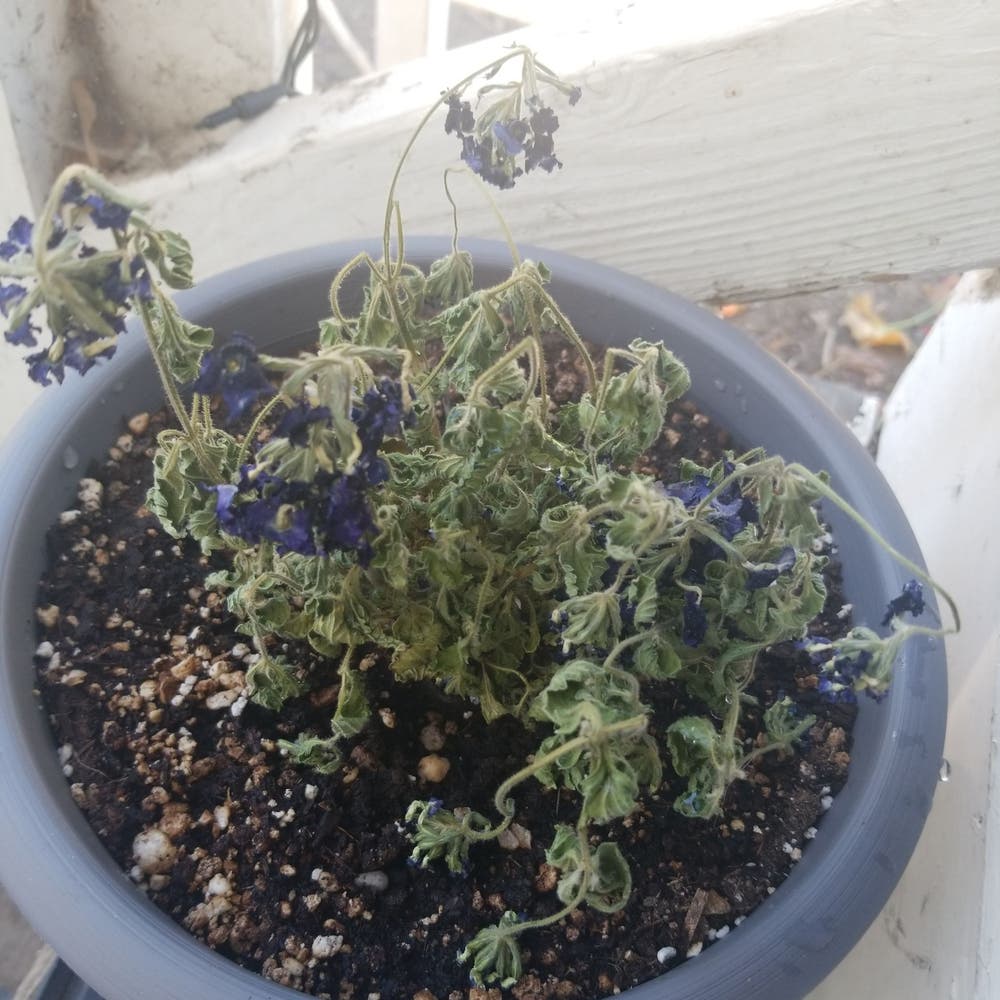
Understanding Verbena moctezumae: The Basics
Verbena moctezumae
By the Greg Editorial Team
Feb 26, 2025•13 min read
This article was created with the help of AI so we can cover more plants for you. May contain errors. See one? Report it here.
- ☀️ Verbena moctezumae needs 6-8 hours of sunlight daily for optimal growth.
- 🌱 Well-drained soil with pH 6.0-7.0 is ideal for planting this perennial.
- 🐝 Attracts pollinators and is drought-tolerant, making it low-maintenance once established.
How to Grow
Choosing a Location 🌞
To thrive, Verbena moctezumae requires full sun, ideally receiving 6-8 hours of sunlight daily. Additionally, ensure the soil is well-drained to prevent root rot, which can be detrimental to the plant's health.
Soil Preparation 🏜️
For optimal growth, aim for loamy or sandy soil that offers good drainage. The ideal pH level for this plant ranges from slightly acidic to neutral, specifically between 6.0 and 7.0.
Planting Techniques 🌱
When planting, dig a hole that is 1-2 inches deep. Space the plants 12-18 inches apart to allow for adequate air circulation, which is crucial for their development.
Watering Requirements 🚰
Initially, keep the soil consistently moist until the plants are established. Once established, water only when the top inch of soil feels dry to the touch, ensuring the plants do not become waterlogged.
Fertilizing Schedule 🍽️
Use a balanced, slow-release fertilizer to nourish your Verbena moctezumae. Apply it once in early spring and again in mid-summer for the best results.
Pruning Methods ✂️
Prune the plants back after flowering to encourage new growth. Techniques such as deadheading spent flowers can also promote additional blooming throughout the season.
Ongoing Care Tips 🌿
For container care, ensure that pots have drainage holes and utilize a quality potting mix. If growing outdoors, apply mulch to help retain moisture and suppress weed growth, creating a healthier environment for your plants.
With these guidelines, you'll be well on your way to cultivating a vibrant and healthy Verbena moctezumae garden. Next, let's explore how to propagate this beautiful plant effectively.
Propagation
🌱 Seed Propagation
Seed propagation is one of the easiest methods to grow Verbena moctezumae. Simply sow the seeds about 1/4 inch deep in well-drained soil.
Germination typically occurs within 7-14 days at a temperature of 70°F (21°C). This method is perfect for those looking to start their garden from scratch.
✂️ Cutting Propagation
For a more hands-on approach, consider cutting propagation. Take healthy stems and cut them to a length of 4-6 inches.
Use a rooting medium that combines perlite and peat moss for optimal results. This method requires a bit more skill but can be very rewarding.
🌿 Division Propagation
Division propagation is another effective technique, especially for established plants. The best time to divide is in early spring or fall.
Carefully separate the clumps and replant them in new locations. This not only helps manage plant size but also encourages new growth.
By mastering these propagation techniques, you can easily expand your Verbena moctezumae collection and enjoy its beauty in various spots around your garden. Next, let's explore the lifecycle of this resilient plant.
Lifecycle
🌱 Lifecycle Stages
Verbena moctezumae is typically a perennial plant in warmer climates. This means it can thrive year after year, providing consistent beauty and benefits to your garden.
🌱 Germination Process
The germination process for Verbena moctezumae takes about 7-14 days under optimal conditions. Ensuring the right temperature and moisture levels is key to successful sprouting.
🌱 Seedling Stage
Once germinated, the seedling stage lasts approximately 4-6 weeks before transplanting. During this time, young plants develop their initial roots and leaves, setting the stage for future growth.
🌱 Vegetative Growth
Following the seedling stage, Verbena moctezumae enters a vegetative growth phase that lasts about 6-8 weeks. This is when the plant experiences rapid growth, establishing a robust structure.
🌸 Flowering Phase
The flowering phase typically begins in late spring to early summer. This is when the plant showcases its stunning purple flowers, attracting pollinators and adding visual appeal to your garden.
🌱 Seed Production
After flowering, seeds mature in late summer. This stage is crucial for propagation, allowing you to collect seeds for future planting.
⏳ Lifespan and Growth Rate
Verbena moctezumae reaches full growth in approximately 3-4 months. With consistent care, it maintains a moderate growth rate, ensuring a vibrant display throughout the growing season.
As you nurture your Verbena moctezumae, understanding its lifecycle will help you provide the best care possible. Next, let’s explore how to effectively propagate this beautiful plant for even more garden enjoyment.
Size
Mature Height and Spread 🌱
Verbena moctezumae typically reaches a height of 12 to 24 inches, making it a versatile choice for various garden settings. Its spread ranges from 18 to 24 inches, allowing it to fill out spaces beautifully without overwhelming neighboring plants.
Growth Rate and Size Variability 📈
This plant exhibits a moderate growth rate, which can be influenced by several factors, including the care it receives and its growing conditions. Size variability is common; plants may grow larger or smaller depending on soil quality and the amount of sunlight they receive.
Factors Affecting Size ⚖️
Soil quality plays a crucial role in the growth of Verbena moctezumae. Poor soil can limit its potential, leading to stunted growth and less vibrant blooms.
Water availability is another significant factor. Drought conditions can hinder growth, so ensuring consistent moisture is key to achieving the plant's full size and health.
In summary, understanding the size characteristics of Verbena moctezumae helps gardeners plan their spaces effectively. With the right conditions, this plant can thrive and add beauty to any garden.
Next, let’s explore the fascinating root system of Verbena moctezumae and how it supports its growth.
Roots
🌱 Root System Characteristics
Verbena moctezumae features a fibrous root system. This type of root structure allows the plant to efficiently absorb water and nutrients from the soil.
📏 Root Depth and Spread
Typically, the roots extend 12-18 inches deep. They can also spread wider than the plant's canopy, which helps stabilize the plant and access more nutrients.
⚠️ Common Root-Related Issues
One of the most common problems is root rot, often caused by overwatering. To prevent this, ensure your plant has proper drainage.
👀 Identifying Healthy vs. Unhealthy Roots
Healthy roots are firm, white, and spread evenly throughout the soil. In contrast, unhealthy roots appear dark, mushy, or may emit a foul smell.
🌿 Recognizing Rootbound Plants
If you notice roots growing out of the drainage holes, your plant may be rootbound. The solution is simple: repot into a larger container or divide the plant to encourage healthy growth.
Understanding the root system of Verbena moctezumae is crucial for its overall health. By keeping an eye on these characteristics, you can ensure your plant thrives and flourishes.
Next, let’s explore the benefits of growing this vibrant plant in your garden.
Benefits
Top 5 Benefits of Verbena moctezumae 🌼
Verbena moctezumae is a fantastic addition to any garden, offering numerous advantages that cater to both aesthetics and practicality.
Attracts Pollinators
This vibrant plant draws in bees, butterflies, and other pollinators, enhancing garden biodiversity. A thriving ecosystem benefits not just your garden but the environment as a whole.Drought-Tolerant
Verbena moctezumae is remarkably drought-resistant, making it a smart choice for water-conscious gardeners. This trait helps reduce overall water usage, which is increasingly important in today’s climate.Low-Maintenance
Perfect for busy gardeners, this plant requires minimal care once established. Its resilience means you can enjoy a beautiful garden without constant upkeep.Visual Appeal
The stunning purple flowers add a splash of color to any landscape. Their beauty can elevate the overall aesthetic of your garden, creating a welcoming atmosphere.Resilient in Poor Soil
This plant thrives even in less-than-ideal soil conditions. Its ability to flourish in poor soil promotes sustainable gardening practices, allowing you to cultivate a vibrant garden without heavy reliance on fertilizers.
Incorporating Verbena moctezumae into your garden not only enhances its beauty but also supports a healthier ecosystem. Next, let’s explore the concept of companion planting and how it can further benefit your gardening experience.
Companion Plants
🌱 Concept of Companion Planting
Companion planting is all about creating a thriving garden ecosystem. By pairing plants that benefit each other, you can enhance biodiversity and improve pest management.
🌼 Best Companion Plants
When it comes to Verbena moctezumae, certain companions shine brightly:
Marigolds
These vibrant flowers are known for their pest-repellent properties. They help keep harmful insects at bay, making them a perfect partner for your verbena.
Lavender
With similar care needs, lavender not only attracts pollinators but also adds a delightful fragrance to your garden. This duo thrives together, creating a beautiful and beneficial environment.
Zinnias
Zinnias bring visual appeal and attract beneficial insects. Their bright colors complement the purple blooms of verbena, making your garden a feast for the eyes.
🚫 Plants to Avoid
While many plants can coexist harmoniously, some should be kept at a distance. Heavy feeders like tomatoes compete for nutrients, potentially stunting the growth of your verbena.
By choosing the right companions, you can create a flourishing garden that supports both your plants and the local ecosystem. Next, let's explore the potential toxicity of Verbena moctezumae to pets and humans.
Toxicity to Humans
Safety for Humans 🛡️
Verbena moctezumae is not listed as toxic by major poison control centers, making it a safe choice for gardens. However, like many plants, it can cause mild skin irritation or digestive discomfort if consumed in large quantities.
Caution is Key ⚠️
While this plant is generally considered safe, it's always wise to exercise caution. If you experience any unusual symptoms after contact or ingestion, seeking medical advice is the best course of action.
This awareness ensures a positive gardening experience while keeping safety in mind. Now that we've covered human safety, let's explore how this plant interacts with our furry friends.
Toxicity to Dogs
Safety for Dogs 🐶
When it comes to Verbena moctezumae, you can breathe easy. This plant is not listed as toxic by major pet poison control centers, making it a safe choice for dog owners.
However, it's important to note that if your furry friend munches on large quantities, they might experience mild gastrointestinal upset. Keep an eye on them, especially if they’re curious about your garden.
Tips for Introducing to Homes with Dogs 🏡
To ensure a harmonious coexistence, consider the placement of your Verbena moctezumae. Position it in areas that are less accessible to your dog, reducing the chance of any nibbling.
Monitoring their behavior around the plant is also key. If you notice any unusual interest, gently redirect them to their toys or treats. This way, you can enjoy your beautiful garden while keeping your pup safe and happy.
As we move forward, let’s explore how this plant interacts with our feline friends.
Toxicity to Cats
🐱 Safety for Cats
When it comes to Verbena moctezumae, you can breathe easy. This plant is not listed as toxic by major pet poison control centers, making it a safe choice for households with feline friends.
However, it's worth noting that if your cat decides to munch on a large quantity, they might experience mild gastrointestinal upset. While this is not common, it's always best to keep an eye on your pet's behavior.
🏡 Tips for Introducing to Homes with Cats
To ensure a harmonious coexistence, consider proper placement of the plant. Position it in an area that's less accessible to your curious cat.
Monitoring your cat's behavior around the plant is also crucial. If you notice any unusual interest or nibbling, it may be time to rethink its location.
With a little care, you can enjoy the beauty of Verbena moctezumae while keeping your feline companions safe and sound.
Problems
🌱 Common Problems with Verbena moctezumae
Growing Verbena moctezumae can be rewarding, but it's essential to be aware of common issues that may arise. Here’s a quick guide to help you troubleshoot effectively.
Incorrect Watering
- Symptoms: Look out for wilting or yellowing leaves. These signs often indicate that your plant is either overwatered or underwatered.
- Solution: Adjust your watering schedule. Ensure the soil is consistently moist but not soggy.
Incorrect Light Conditions
- Symptoms: If you notice leggy growth or sparse flowering, your plant may not be getting enough sunlight.
- Solution: Move your Verbena to a sunnier location where it can soak up those rays.
Incorrect Temperature
- Symptoms: Exposure to frost can lead to wilting or browning leaves.
- Solution: Protect your plants from cold temperatures, especially during unexpected frosts.
Diseases
- Symptoms: Watch for white powdery spots or leaf discoloration, which may indicate diseases like powdery mildew, rust, or black rot.
- Solution: Improve air circulation around the plants and consider applying fungicides if necessary.
Root Problems
- Symptoms: Stunted growth or wilting can signal root issues, such as root rot or squishy roots.
- Solution: Ensure proper drainage and adjust your watering practices to prevent overwatering.
By keeping an eye on these common problems, you can maintain the health and beauty of your Verbena moctezumae. Remember, a little attention goes a long way in ensuring your plants thrive!
🐛 Transition to Pest Management
Now that we've covered potential problems, let’s explore how to manage pests that might threaten your Verbena moctezumae. Understanding pest issues is crucial for maintaining a healthy garden.
Bugs
🐜 Potential Pest Issues
While Verbena moctezumae is generally resilient, it can still fall prey to a few pesky pests. Keeping an eye out for these invaders is essential for maintaining the health of your plants.
🔍 Identifying Pests and Damage
- Spider Mites: Look for fine webbing and stippled leaves, which indicate these tiny critters are at work.
- Scale Insects: These pests leave a sticky residue and cause yellowing leaves, making them easy to spot.
- Aphids: If you notice curling leaves and a sticky honeydew substance, aphids might be the culprits.
🧪 Treatment Options
To combat these pests, consider using neem oil or insecticidal soap, both of which are effective and eco-friendly.
Regular monitoring is crucial; catching infestations early can save your plants from significant damage.
Stay vigilant, and your Verbena moctezumae will thrive!
Now that you’re equipped to handle pests, let’s explore what animals might be munching on your plants next.
What Eats
🦌 Common Animals
When it comes to Verbena moctezumae, several critters might find it a tasty treat.
- Deer: Look for chewed leaves and stems as telltale signs of their munching.
- Rabbits: If you notice clipped stems and missing foliage, these furry friends are likely the culprits.
- Squirrels: Digging around the base of the plant often indicates squirrel activity.
🔍 Signs of Animal Presence and Damage
Keep an eye out for evidence of nibbling or missing parts of your plants.
These signs can help you identify which animals are causing the damage, allowing you to take appropriate action.
🚫 Deterrent Methods
To protect your Verbena moctezumae from hungry visitors, consider these deterrent methods:
- Fencing: Installing barriers can effectively keep larger animals like deer out of your garden.
- Repellents: Use commercial or homemade deterrents, such as garlic spray, to discourage feeding.
By implementing these strategies, you can help ensure your plants thrive without unwanted interference.
⚠️ Safety First
This content is for general information and may contain errors, omissions, or outdated details. It is not medical, veterinary advice, or an endorsement of therapeutic claims.
Always consult a qualified healthcare professional before using any plant as food, medicine, or supplement.
Never eat any plant (or feed one to pets) without confirming its identity with at least two trusted sources.
If you suspect poisoning, call Poison Control (800) 222-1222, the Pet Poison Helpline (800) 213-6680, or your local emergency service immediately.
Spotted an error? Please report it here.
Cultivate a vibrant Verbena moctezumae garden 🌼 with Greg's personalized care tips and watering reminders to ensure your plants thrive beautifully in full sun!