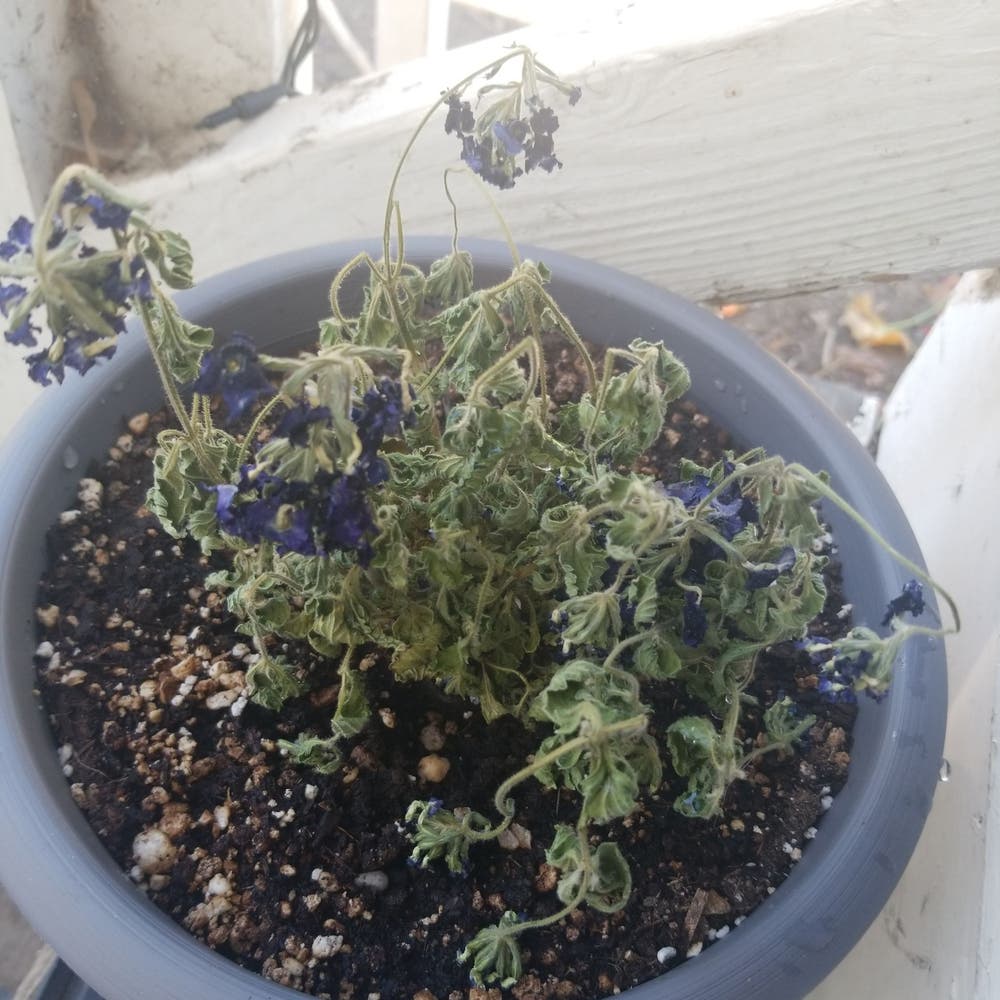
Why Verbena halei Is A Perennial Plant
Verbena halei
By the Greg Editorial Team
Aug 01, 2024•6 min read
This article was created with the help of AI so we can cover more plants for you. May contain errors. See one? Report it here.
Transform your garden into a perennial paradise with the enduring charm of Verbena halei 🌿.
- 🌱 Verbena halei regrows annually, offering a long-term garden presence.
- 🌸 Consistent flowering from spring to autumn with proper care.
- 🌞🌧️ Adapts to climate variations, thriving in warm zones with seasonal dormancy.
Defining Perennial Plants
🌱 Perennial Plant Basics
Perennial plants are the long-term players in the garden, thriving for more than two years and often for much longer. Their roots stay alive even when their above-ground structures die back, allowing them to burst back into life when the conditions favor them.
Perennials, such as Verbena halei, differ significantly from their garden counterparts:
- Annuals: These are the sprinters of the plant world, completing their life cycle in one season. They grow, bloom, set seed, and die within a single year. Think of marigolds and petunias.
- Biennials: The middle-distance runners, living for two years. They typically spend the first year growing and the second year flowering and seeding.
- Perennials: The marathoners, with Verbena halei as a prime example. They can survive for several years, regrowing each spring from their enduring root systems.
Verbena halei's Perennial Traits
🌱 Lifespan and Regrowth
Verbena halei, with its robust perennial nature, thrives year after year. Unlike annuals that bloom once and then perish, Verbena halei retreats to its roots after flowering, only to re-emerge with renewed vigor. This cycle of dormancy and regrowth allows it to grace gardens with its presence for multiple seasons.
- Lifespan: Typically, Verbena halei can be expected to enliven your garden for several years.
- Regrowth: It rejuvenates from the same roots annually, a testament to its enduring spirit.
🌿 Seasonal Growth Patterns
As the seasons shift, so does the growth of Verbena halei. Its adaptability is evident in how it responds to the changing weather, ensuring a display of delicate lavender flowers for much of the year.
- Bloom Time: From early spring to late autumn, Verbena halei showcases its colors almost year-round.
- Growth Response: It adjusts its growth rate according to moisture, light, and temperature, a dance with the elements that results in a resilient and vibrant display.
Perennial Growth Impacts
🌸 Flowering Consistency
Verbena halei's status as a perennial plant ensures a spectacular display of flowers, season after season. Unlike annuals, which bloom once and then say goodbye, Verbena halei returns to the spotlight reliably, thanks to its enduring root system.
- Its flowering consistency is not just a stroke of luck but the result of several interplaying factors:
- Adequate sunlight exposure is crucial for those vibrant blooms.
- Proper fertilization, particularly with flower-specific nutrients, encourages a robust flowering season.
- Pruning plays a subtle yet significant role, shaping the plant's energy towards producing flowers.
The longevity of Verbena halei is a symphony of conditions working in harmony. Here's what keeps this plant in the perennial game for the long haul:
- Climate compatibility is key; Verbena halei thrives in conditions that match its hardy nature.
- Soil quality can't be overlooked; well-drained, fertile soil means a longer, healthier life for this plant.
- Disease and pest management is essential; staying vigilant against common threats keeps Verbena halei in peak condition.
- Environmental stressors, such as extreme temperatures, can take a toll, so providing a stable environment is vital for longevity.
Dormancy and Adaptation
Verbena halei, like many perennials, orchestrates its growth cycle with the rhythm of the seasons. During colder months, it enters a dormancy phase, conserving energy and retreating to its roots. This period is crucial for the plant's survival, as it allows Verbena halei to withstand unfavorable conditions and emerge rejuvenated with the return of warmer weather.
- Dormancy is triggered by shorter daylight hours and lower temperatures.
- The plant's above-ground growth may die back, but the root system remains alive.
🌍 Climate Zone Variations
The resilience of Verbena halei is displayed in its adaptability across diverse climate zones. While it flourishes in its native warm, temperate regions, gardeners in cooler zones can still enjoy its perennial qualities with some extra care.
- In USDA Hardiness Zones 7 to 9, Verbena halei thrives outdoors with minimal winter protection.
- In zones cooler than 7, it may require mulching or bringing indoors to survive the winter.
- The plant's blooming can be extended in regions with milder winters, offering a longer display of its vibrant flowers.
Gardening with Verbena halei
🌼 Perennial Advantages
Verbena halei's perennial nature offers a suite of benefits for the savvy gardener. Here's why it's a garden favorite:
- Year-Round Interest: Its ability to bloom across multiple seasons adds consistent color and texture to your garden.
- Economic Efficiency: Save on the costs and effort of annual replanting; Verbena halei comes back each year without extra investment.
- Design Stability: The plant's longevity helps maintain the original design vision of your garden, providing a reliable structure year after year.
🌿 Root System Benefits
The robust root system of Verbena halei not only anchors it firmly in your garden but also brings several under-the-surface advantages:
- Drought Resilience: Thanks to its established roots, Verbena halei is more tolerant of dry conditions, making it ideal for water-wise gardens.
- Soil Enrichment: Deep roots help improve soil structure and fertility over time, contributing to a healthier garden ecosystem.
- Wildlife Haven: Its flowers are a magnet for butterflies, adding life and movement to your garden space.
Cultivation Strategies
🌱 Enhancing Perennial Benefits
Maximizing the perennial benefits of Verbena halei starts with understanding its growth needs. Here's how to ensure this hardy plant thrives year after year:
- Soil Preparation: Verbena halei prefers well-draining soil. Amend sandy or clay-heavy soil with organic matter to improve texture and nutrient content.
- Water Management: Once established, Verbena halei is drought-tolerant. Water deeply but infrequently to encourage a strong root system.
- Fertilization: Apply a balanced, slow-release fertilizer in the spring to support vigorous growth and abundant flowering.
- Pruning: Trim back after the first bloom to promote a second flowering cycle and maintain a compact shape.
- Pest and Disease Control: Keep an eye out for pests and treat promptly. Healthy plants are less susceptible to disease.
- Mulching: A layer of mulch conserves moisture, suppresses weeds, and provides winter protection.
🌿 Long-Term Garden Planning
Incorporating Verbena halei into your garden design requires foresight. Here are strategies for a garden that grows in beauty each year:
- Companion Planting: Pair Verbena halei with other drought-tolerant perennials and native bees' favorites to create a low-maintenance, pollinator-friendly garden.
- Succession Blooming: Plan for continuous color by planting alongside species with different blooming periods.
- Structural Integration: Use Verbena halei's upright habit as an accent among lower-growing perennials or as a backdrop for annuals.
- Wildlife Attraction: Its flowers are a magnet for butterflies; position plants where you can easily view these visitors.
- Space Allocation: Allow room for growth over the years; Verbena halei can spread to form a robust clump.
- Climate Consideration: In colder zones, select a sheltered location or provide winter protection to ensure its perennial return.
⚠️ Safety First
This content is for general information and may contain errors, omissions, or outdated details. It is not medical, veterinary advice, or an endorsement of therapeutic claims.
Always consult a qualified healthcare professional before using any plant as food, medicine, or supplement.
Never eat any plant (or feed one to pets) without confirming its identity with at least two trusted sources.
If you suspect poisoning, call Poison Control (800) 222-1222, the Pet Poison Helpline (800) 213-6680, or your local emergency service immediately.
Spotted an error? Please report it here.
Embrace the enduring beauty of Verbena halei's blooms 🌸 with Greg's tailored care plan ensuring your garden thrives through the seasons.