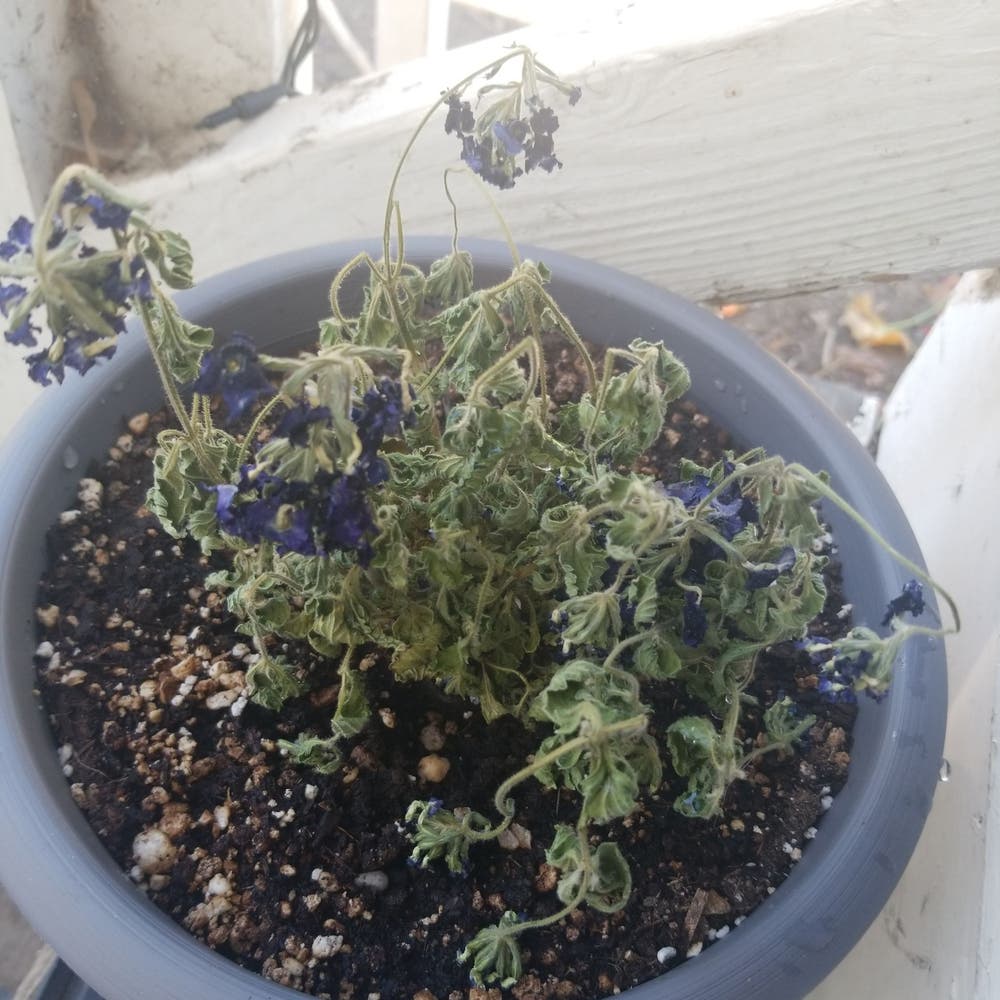
How to Fix Dropping Leaves on Your Verbena halei
Verbena halei
By the Greg Editorial Team
Aug 01, 2024•4 min read
This article was created with the help of AI so we can cover more plants for you. May contain errors. See one? Report it here.
Stop Verbena halei leaf drop dead in its tracks with these essential care tips! 🌿
- 🌞 Bright light for 6-8 hours prevents Verbena halei leaf drop.
- 💧 Consistent watering and drainage keep soil perfectly moist.
- 🌡️🐛 Stable temps and pest control are key to healthy foliage.
Identifying Leaf Drop Causes
🌞 Insufficient Light Exposure
Verbena halei thrives in bright conditions. If it's tucked away in too much shade, the plant may respond with a cascade of falling leaves, signaling a plea for more sunlight.
- Ensure it receives full to partial sun, with some afternoon shade in hotter regions.
- Consider supplemental lighting or repositioning if natural light is inadequate.
Just like Goldilocks, Verbena halei prefers it not too hot and not too cold. Extreme temperatures can cause leaves to drop as a stress response.
- Protect the plant from scorching midday heat and frosty chills.
- Maintain a stable environment, away from drafts and heat sources.
💧 Watering Missteps
Watering is a delicate dance for Verbena halei. Both overwatering and underwatering can lead to leaf loss.
- Aim for moist soil that's never soggy or bone dry.
- Establish a regular watering routine, adjusting for seasonal changes.
🌿 Nutrient Shortfalls
Nutrient deficiencies can leave Verbena halei looking lackluster and shedding leaves.
- Look for signs of nutrient deficiency, such as yellowing leaves or stunted growth.
- Use a balanced fertilizer to replenish essential nutrients and encourage healthy foliage.
Correcting Environmental Stress
🌞 Optimizing Sunlight
Verbena halei loves the spotlight but in just the right doses. To keep its leaves from dropping, aim for this sweet spot:
- Ensure your Verbena halei gets 6 to 8 hours of bright light daily.
- Avoid the midday sun's harsh rays that could stress the plant. Think of it as sunbathing with protection.
- If your plant's leaves show signs of distress, consider moving it to a location with morning light or dappled shade.
- Rotate the plant periodically to promote even growth and prevent reaching or leaning.
Temperature control is like setting the perfect room temperature—comfort is key:
- Protect your Verbena halei from extreme temperatures. It's not a fan of the sauna or the icebox.
- Steer clear of placing your plant near air vents, heaters, or drafty windows.
- During hot spells, provide some shade; in cooler times, a warmth boost may be necessary.
- Monitor the environment with a thermometer and make adjustments to maintain a stable climate around your plant.
Watering and Soil Management
Establishing a Watering Routine
Verbena halei thrives on consistency. Here's how to keep the watering just right:
- Water deeply but allow the soil to dry slightly between sessions, promoting strong root development.
- Use the finger test or a moisture meter to check the top inch of soil; if it's dry, it's time to water.
- Adjust your watering schedule with the seasons—less frequent in cooler months, more so during heat spells.
🚰 Ensuring Proper Drainage
Proper drainage is non-negotiable for Verbena halei. Here are techniques to keep roots healthy:
- Choose pots with adequate drainage holes to prevent water accumulation.
- Opt for a well-draining soil mix, like a blend of peat, perlite, and vermiculite.
- Consider raised beds or drainage pipes for outdoor plants to combat heavy rain challenges.
Nutrient and Fertilization Practices
🌱 Selecting the Right Fertilizer
- Look for fertilizers with a balanced mix of macronutrients (N-P-K) and essential micronutrients.
- Consider the plant's growth stage and environmental conditions when choosing a fertilizer formula.
🌿 Fertilization Techniques
- Apply a granular, slow-release fertilizer evenly around the plant base, avoiding direct contact with foliage.
- Water thoroughly after fertilizing to help nutrients disperse into the soil.
- For established plants, alternate between different types of fertilizers to meet their changing nutritional needs.
Tackling Pests and Diseases
🐛 Identifying Harmful Pests
Pests can be sneaky, but catching them early is key to saving your Verbena halei from leaf drop. Here's what to watch for:
- Spider Mites: Look for tiny webs and yellowing leaves. Insecticidal soap or a neem oil spray can help.
- Aphids: These sap-suckers leave a sticky residue. Remove infested leaves and treat with insecticidal soap if needed.
- Lace Bugs: If leaves look stippled or bleached, lace bugs might be the culprits. Neem oil is an effective treatment.
🦠 Managing Plant Diseases
Diseases can be trickier than pests, but they're not unbeatable. Prevention is best, but here's how to act fast if your plant is affected:
- Fungal and Bacterial Diseases: Keep an eye out for spots or wilting. Remove affected areas and apply appropriate fungicides.
- Viral Infections: These can be tough to treat. Look for mottling or distortion in leaves. Remove and destroy infected parts to prevent spread.
- Preventative Care: Regularly inspect your plants, keep them dry, and practice good hygiene to avoid disease transmission.
Preventing Future Leaf Drop
- Regular monitoring is a plant's best defense against leaf drop.
- Check for early signs of stress, such as color changes or wilting, to address issues promptly.
🌿 Ongoing Plant Care
- Pruning is vital to remove dead or dying foliage and encourage new growth.
- Maintain a consistent care routine, adjusting as needed for seasonal changes.
⚠️ Safety First
This content is for general information and may contain errors, omissions, or outdated details. It is not medical, veterinary advice, or an endorsement of therapeutic claims.
Always consult a qualified healthcare professional before using any plant as food, medicine, or supplement.
Never eat any plant (or feed one to pets) without confirming its identity with at least two trusted sources.
If you suspect poisoning, call Poison Control (800) 222-1222, the Pet Poison Helpline (800) 213-6680, or your local emergency service immediately.
Spotted an error? Please report it here.
Nurture your Verbena halei to flourish 🌞 with Greg's personalized care reminders, helping you shine as a plant parent with every leaf that stays put.