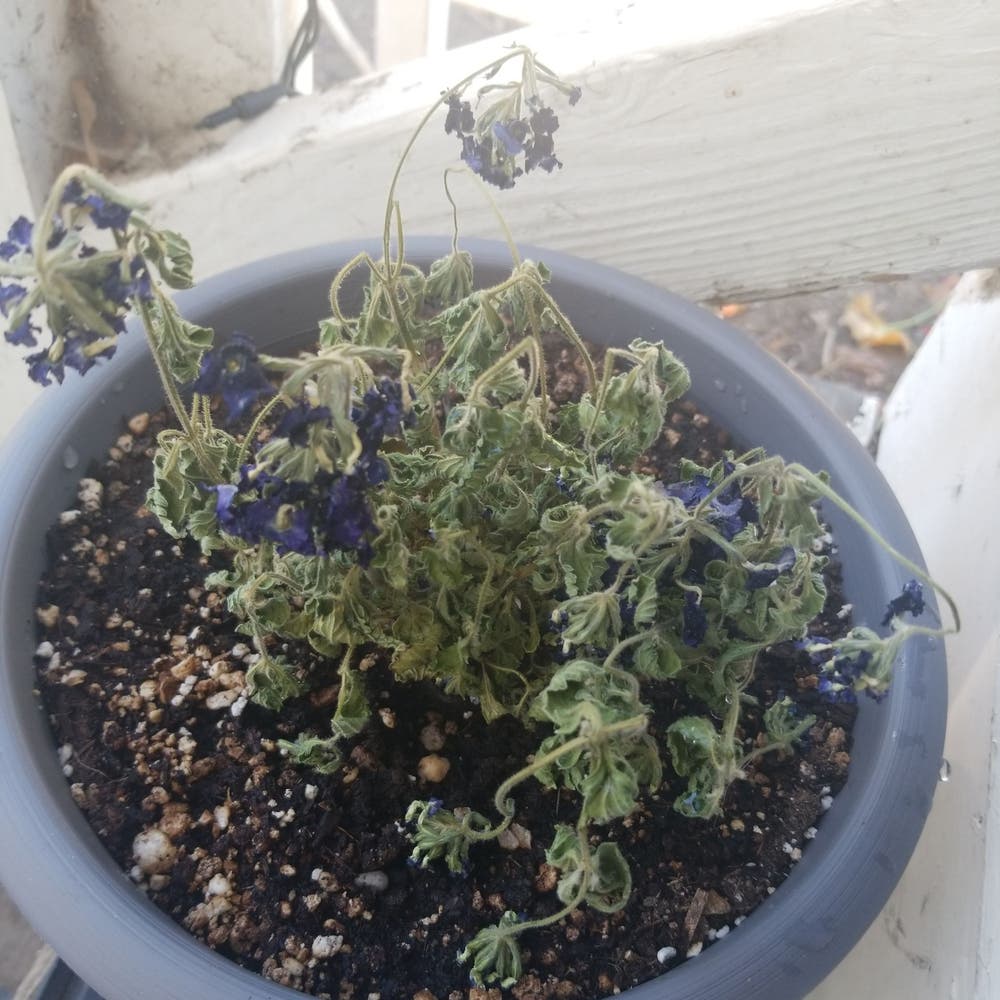
Best Tips for Droopy Leaves on Verbena halei
Verbena halei
By the Greg Editorial Team
Aug 01, 2024•4 min read
This article was created with the help of AI so we can cover more plants for you. May contain errors. See one? Report it here.
Perk up your Verbena halei 🌿 with proven tips to banish droopy leaves and ensure plant vitality!
- Droopy leaves signal health issues; assess severity and variations for targeted care.
- Adjust water and soil to fix droopiness; consider moisture levels and drainage.
- Regular checks and seasonal care prevent droopiness; prune and inspect Verbena halei routinely.
Identifying Droopy Leaves
Verbena halei's vitality is often reflected in the state of its leaves. Recognizing when they're droopy is key to maintaining plant health.
- Look for leaves that appear limp and lack their usual firmness, often hanging down from the stems.
- Check for any discoloration or wilting, which can indicate distress beyond simple tiredness.
- Feel the leaves; they should be resilient, not soft or flaccid.
- Observe the plant's posture; droopy leaves may cause the entire plant to have a sagging appearance.
Quick tips for assessing the severity of the condition:
- Determine if the droopiness is affecting the whole plant or just specific leaves or branches.
- Notice if the droopiness varies throughout the day, which could suggest issues with hydration or environmental stress.
- Inspect the soil moisture; it should be balanced, not too wet or too dry.
- Look under the leaves for signs of pests or disease, such as spots, lesions, or webbing.
- Remember, catching these signs early can make a significant difference in the plant's recovery.
Immediate Remedies
💧 Adjusting Water Intake
Watering issues often underlie droopy leaves. Here's how to strike the right balance:
- Underwatering: If the soil is bone-dry, immerse the pot in water for 5-10 minutes. Wait for the top inch of soil to feel moist, then allow it to drain.
- Overwatering: Stop watering and let the soil dry out. When it's no longer soggy, resume watering but check the soil moisture first.
🌱 Improving Soil Conditions
Soil health is crucial for plant recovery. To improve it:
- Mix in perlite or sand to enhance drainage.
- Consider soil amendments like peat moss or vermiculite for better water retention.
🌿 Environmental Optimization
Lastly, the right environment can prevent droopiness:
- Ensure bright, indirect light is available.
- Keep the plant in a room with moderate temperatures.
- Increase air circulation to help the soil dry out evenly.
Long-Term Prevention
💧 Watering Schedule
Verbena halei thrives on consistency, especially when it comes to watering. Here's how to keep your plant's thirst perfectly quenched:
- Establish a routine where you water only when the top inch of soil is dry.
- Adjust the frequency based on seasonal changes; water less during cooler months.
- Use tools like moisture meters or the finger test to avoid over or under-watering.
🌱 Soil and Pot Selection
Choosing the right environment for your Verbena halei is crucial for its long-term health:
- Opt for well-draining soil mixes, such as those containing sandy or loamy components.
- Ensure pots have adequate drainage holes to prevent waterlogging.
- Select a pot size that accommodates growth but doesn't dwarf the plant, which can lead to excess soil moisture.
👀 Regular Plant Checks
Routine inspections can catch early signs of trouble, helping you prevent droopiness before it starts:
- Check the leaves for pests and diseases regularly.
- Observe the plant's response to your care routine and be ready to make adjustments.
- Keep an eye on environmental factors like humidity and airflow that can affect soil moisture.
Maintenance for Vigor
🌿 Pruning Techniques
Pruning isn't just about aesthetics; it's a vital part of maintaining the vigor of your Verbena halei. To prevent droopy leaves, here's what you need to know:
- When to Prune: The best time to prune is during the late dormant season. This timing encourages strong spring growth and minimizes disease risk.
- How to Prune: Focus on removing damaged or excess foliage. This helps the plant direct its energy to healthy growth and can prevent future droopiness.
- Post-Prune Care: After pruning, monitor the plant's water needs carefully. Overwatering can be as harmful as neglect, especially when the plant is healing from pruning.
🌼 Seasonal Adjustments
As the seasons shift, so do the needs of your Verbena halei. To keep those leaves perky throughout the year, consider these tips:
- Temperature and Light: Move your plant to avoid drafty spots in cooler months and adjust its position to ensure it gets the right amount of light.
- Watering: Tailor your watering schedule to the plant's growth cycle—more during active growth periods, less during dormancy.
- Inspection: Regularly check your plant for signs of stress or pests, especially when transitioning between seasons. Early detection is key to preventing droopy leaves.
⚠️ Safety First
This content is for general information and may contain errors, omissions, or outdated details. It is not medical, veterinary advice, or an endorsement of therapeutic claims.
Always consult a qualified healthcare professional before using any plant as food, medicine, or supplement.
Never eat any plant (or feed one to pets) without confirming its identity with at least two trusted sources.
If you suspect poisoning, call Poison Control (800) 222-1222, the Pet Poison Helpline (800) 213-6680, or your local emergency service immediately.
Spotted an error? Please report it here.
Banish droopiness in your Verbena halei by leveraging Greg's 🌱 custom care plans and real-time environment tracking for vibrant, healthy leaves.