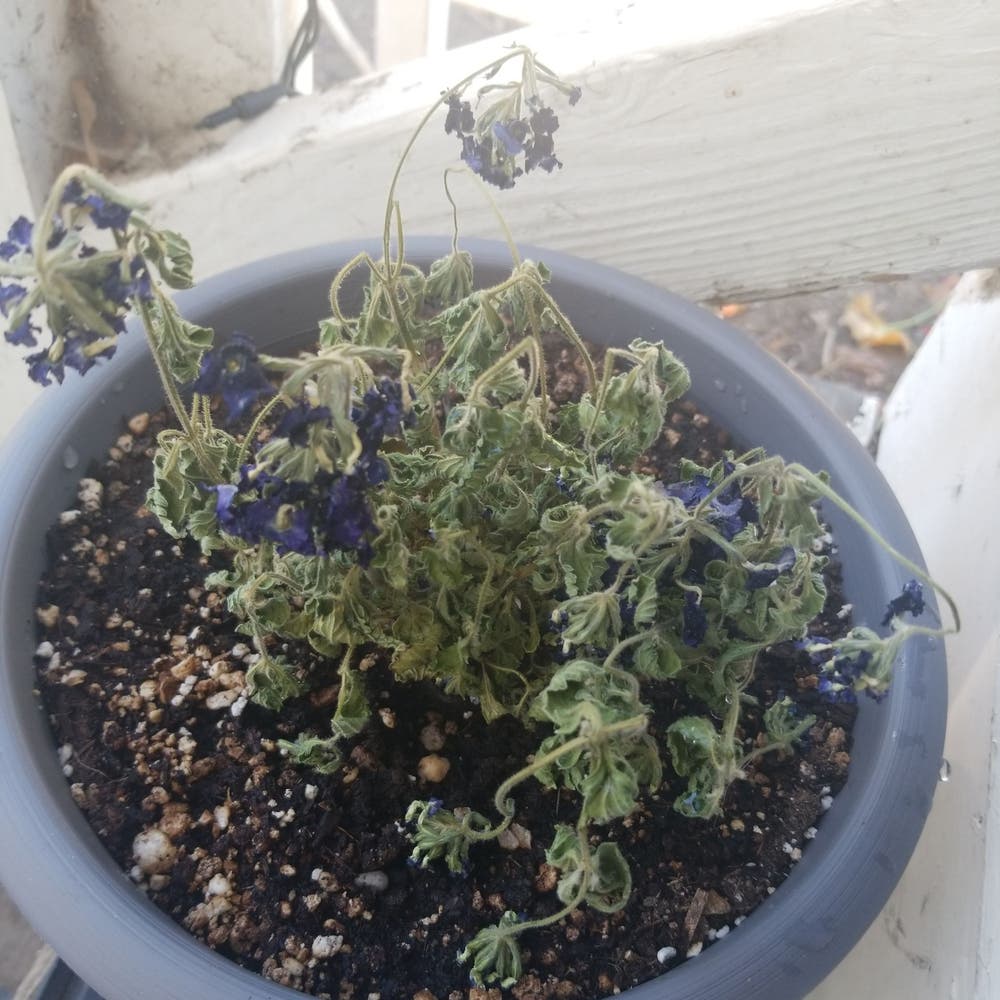
How to Cure Curling Leaves on Your Verbena halei
Verbena halei
By the Greg Editorial Team
Aug 01, 2024•3 min read
This article was created with the help of AI so we can cover more plants for you. May contain errors. See one? Report it here.
Solve the mystery of curling Verbena halei leaves 🌿 for lush, healthy growth!
- 🌿 Environmental factors like light and water often cause Verbena halei leaf curl.
- 🐜 Pests and diseases need regular checks for early detection and treatment.
- 💡 Adjust care and fertilize to prevent and remedy leaf curling issues.
Identifying Curling Causes
🌿 Environmental Triggers
- Verbena halei leaves curling? Temperature, light, and water are the usual suspects. Let's break it down:
- Temperature: Keep your Verbena halei away from extreme heat or cold to prevent leaf curl.
- Light: Aim for bright, indirect sunlight. Too much direct sun can cause leaves to curl as they seek protection.
- Watering: Over or under-watering can lead to curling. Adjust your watering schedule based on the plant's needs and the weather.
🐜 Pests and Infestations
- Pests can be stealthy invaders, causing your Verbena halei's leaves to curl. Here's what to look for:
- Check for signs like bite marks or webbing.
- Implement pest control measures promptly to stop infestations.
🦠 Disease-Related Curling
- Diseases can sneak up on your plant, leading to leaf curl. Keep an eye out for:
- Fungal infections, which may leave a powdery residue.
- Viral diseases, which can cause a range of symptoms including leaf curling.
🌱 Nutrient Imbalance
- Nutrient deficiencies can also cause leaves to curl. Here's how to address them:
- Yellowing leaves may indicate a need for nitrogen.
- Stunted growth could be a sign of phosphorus deficiency.
- Use a balanced, water-soluble fertilizer to correct these issues, but be careful not to overfeed.
Treating Curling Leaves
Adjusting Care Routines
Verbena halei thrives in stability. To combat leaf curling, consider these tweaks to your care regimen:
- Ensure your plant is not exposed to extreme temperatures; keep it away from drafts and direct heat sources.
- Check the humidity levels; use a humidifier or pebble tray to maintain consistent moisture in the air.
- Water only when the top inch of soil is dry, preferably in the early morning, to prevent fungal diseases.
🐜 Pest Control Solutions
Pests can be stealthy invaders, but with vigilance, you can keep them at bay:
- Regularly inspect your plants for signs of pests, such as webbing or sticky residue.
- Introduce beneficial insects, or use insecticidal soap or neem oil for a more natural approach.
- In severe cases, consider environmentally friendly pesticides, but always follow label instructions.
🦠 Disease Management
Diseases demand decisive action to protect your Verbena halei:
- Remove and dispose of any affected foliage with sterilized shears to halt the spread of disease.
- Apply organic or chemical fungicides as needed, prioritizing the least toxic options first.
- Isolate infected plants to prevent cross-contamination with healthy ones.
💡 Fertilization Practices
Nutrients are essential, but balance is key:
- Use a balanced, water-soluble fertilizer monthly during the growing season.
- Avoid over-fertilization, which can exacerbate leaf curling and other health issues.
- Ensure the soil is well-draining to prevent waterlogged conditions that can lead to root rot.
Preventing Future Issues
Regular checks are the cornerstone of plant health. Establish a habit of inspecting your Verbena halei, looking for early signs of stress or disease. This proactive approach can prevent minor issues from escalating.
- Set a schedule for routine inspections.
- Keep a detailed log of plant health and any changes you observe.
- Adjust care routines based on the plant's feedback to promote vibrant growth.
Maintaining optimal growing conditions is essential for the well-being of your Verbena halei. A consistent care routine can make all the difference.
- Ensure your plant receives the right amount of sunlight and water.
- Sterilize your tools to prevent the spread of pathogens.
- Prune damaged foliage to promote air circulation and prevent disease.
- Adapt your care with the seasons, providing more water in the dry months and less when it's cooler.
- Rotate the plant regularly for even light exposure and growth.
⚠️ Safety First
This content is for general information and may contain errors, omissions, or outdated details. It is not medical, veterinary advice, or an endorsement of therapeutic claims.
Always consult a qualified healthcare professional before using any plant as food, medicine, or supplement.
Never eat any plant (or feed one to pets) without confirming its identity with at least two trusted sources.
If you suspect poisoning, call Poison Control (800) 222-1222, the Pet Poison Helpline (800) 213-6680, or your local emergency service immediately.
Spotted an error? Please report it here.
Combat Verbena halei leaf curling with precision 🎯 using Greg's tailored care reminders and health tracking, ensuring your plant thrives from the insights in this guide.