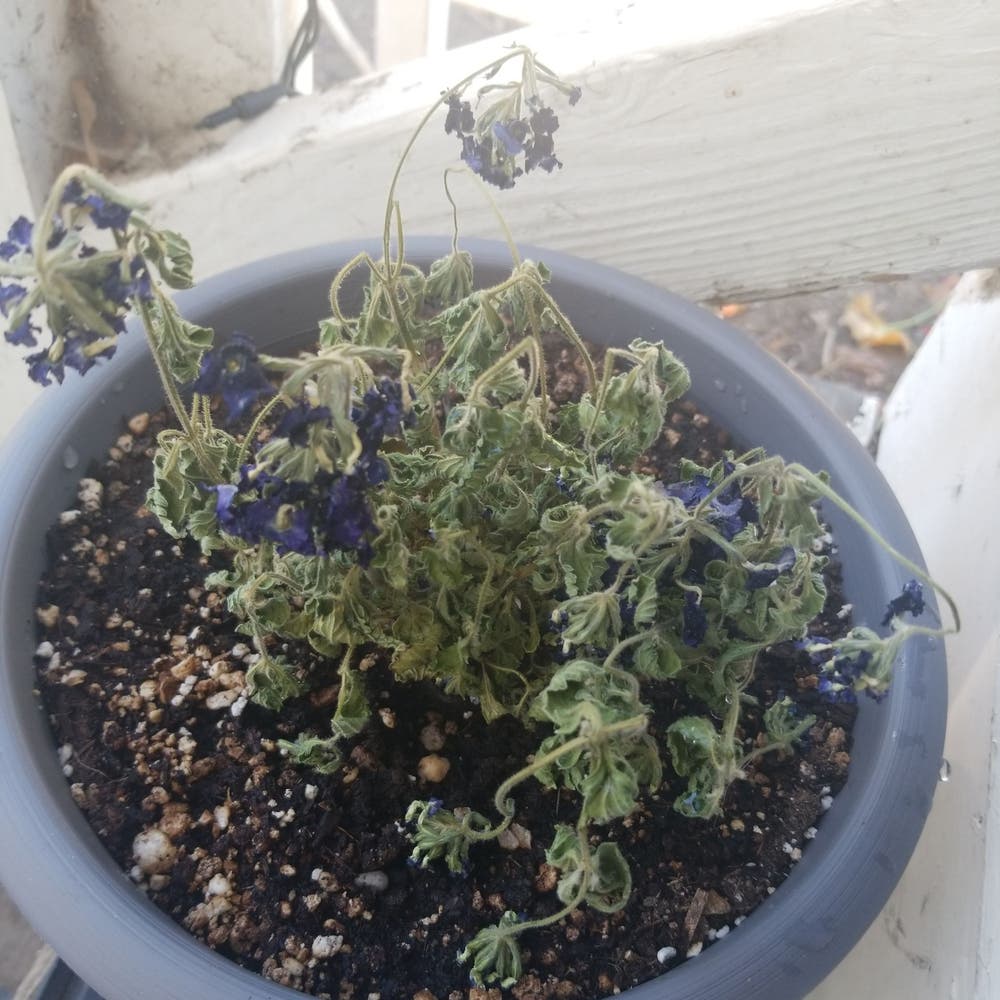
Why Verbena halei Is Not an Annual
Verbena halei
By the Greg Editorial Team
Aug 01, 2024•5 min read
This article was created with the help of AI so we can cover more plants for you. May contain errors. See one? Report it here.
Transform your garden into a perennial paradise with Verbena halei, and reap years of blooms for a one-time effort! 🌼🌱
- 🌱 Verbena halei is perennial, thriving for multiple seasons with proper care.
- 🌞🌿 Deep roots and dormancy enable survival through winters and lasting garden presence.
- 🌼 Distinguishes from annuals with mature growth, sustainable gardening, and cost-effectiveness.
Defining Plant Lifecycles
Annual plants are the sprinters of the plant world, completing their life cycle in just one growing season. From seed to flower to seed again, they pack a lifetime of growth into a single year. Think of marigolds and petunias as classic examples.
Perennials, on the other hand, are the marathon runners. They pace themselves to live through multiple years, often withstanding the whims of weather and seasons. Their extensive root systems are their secret to longevity, supporting regrowth year after year. Daylilies and peonies exemplify this group.
Verbena halei falls into the latter category. It's a perennial powerhouse, returning each spring with a resilience that outlasts the fleeting glory of annuals. Here's why:
- Lifespan: Verbena halei doesn't bow out after a single season. It's built for the long haul, thriving for several years.
- Root System: Its roots dig deep, storing the energy needed to survive winters and bounce back with vigor.
- Growth Pattern: Unlike annuals, which race to reproduce within a year, Verbena halei takes its time to mature and spread.
This perennial nature means it's not a one-and-done plant. Gardeners who plant Verbena halei can expect a return on their investment for years to come.
Perennial Traits of Verbena Halei
🌱 Growth and Reproduction
Verbena halei showcases its perennial nature through distinct growth patterns. Unlike annuals that complete their lifecycle in one season, this plant returns year after year.
- Grows up to about 30 inches tall, with a shrub-like habit.
- Reproduces through seeds, aligning with perennial lifecycles.
- Can potentially be propagated through vegetative means, though seed propagation is more common.
🌿 Longevity and Dormancy
Verbena halei's ability to weather multiple seasons is a hallmark of its perennial status.
- Survives for several years, outliving the single-season span of annuals.
- Enters dormancy periods, conserving energy when conditions are not favorable for growth.
- In some climates, may retain foliage during dormancy, indicating a partial rest phase.
Lifecycle Comparisons
🌱 Verbena Halei vs Annuals
Verbena halei and annual plants present a study in contrasts when it comes to their lifecycles. Let's delve into these differences:
Growth Patterns: Annuals, like petunias and marigolds, burst onto the scene, grow rapidly, flower, set seed, and die all in one season. Verbena halei, on the other hand, paces itself. It establishes its roots and foliage and may not even flower in its first year. Over time, it grows more robust and can reach up to about 30 inches tall.
Flowering and Seed Production: Annuals are the sprinters of the plant world, racing to bloom and produce seeds before the year's end. Verbena halei takes a more leisurely approach, often flowering from early spring through late fall, year after year. This extended blooming period is a hallmark of its perennial nature.
For gardeners, these distinctions are crucial. While annuals offer a quick show of color, they require replanting each year. Verbena halei, with its perennial stamina, provides lasting structure and beauty. Gardeners can plant once and enjoy the display for multiple seasons, making it a sustainable and cost-effective choice for long-term garden design.
Regional Variations
Misconceptions and Exceptions
Verbena halei, while inherently a perennial, can exhibit annual tendencies in certain climates. This chameleon-like behavior often leads to confusion among gardeners.
- In colder regions, Verbena halei may not survive the winter, mimicking an annual's lifecycle.
- In areas with extreme heat, the plant might complete its life cycle rapidly, appearing to be an annual.
Despite these regional quirks, Verbena halei's genetic makeup remains that of a perennial. It's designed to endure more than a single growing season.
- The plant's ability to regrow from its root system is a telltale perennial trait, even if above-ground growth is not always evident.
- In milder climates, Verbena halei thrives, showcasing its true perennial nature with multi-season longevity and recurring blooms.
Gardeners should note that these exceptions are situational and do not redefine the plant's fundamental biology. With proper understanding and care, Verbena halei's perennial qualities can be preserved and celebrated.
Gardening Insights
🌼 Leveraging Perennial Benefits
Verbena halei's perennial traits offer a wealth of opportunities for savvy gardeners. By understanding and utilizing these characteristics, you can create a garden that thrives year after year.
- Plan for permanence by incorporating Verbena halei into your garden design. Its long blooming season and attractive foliage make it a standout in perennial borders, wildflower meadows, or xeriscaped areas.
- Pair Verbena halei with other drought-tolerant perennials like lavender and salvia to create a low-maintenance, water-wise garden.
To maintain Verbena halei's perennial qualities and ensure its longevity, consider the following tips:
- Prioritize sun-soaked spots. Verbena halei thrives in full sun, so choose a location that receives ample daylight.
- Embrace its low water needs. Once established, Verbena halei is drought-tolerant, reducing the need for frequent watering.
- Enhance your soil. While adaptable to various soil types, ensuring good drainage will promote healthier growth.
- Practice timely pruning. Deadheading spent flowers encourages new blooms and prevents the plant from looking untidy.
- Propagate wisely. Divide roots or collect seeds to expand your Verbena halei display or share with fellow garden enthusiasts.
By integrating these practices, you'll enjoy the enduring beauty and ecological benefits of Verbena halei for seasons to come.
⚠️ Safety First
This content is for general information and may contain errors, omissions, or outdated details. It is not medical, veterinary advice, or an endorsement of therapeutic claims.
Always consult a qualified healthcare professional before using any plant as food, medicine, or supplement.
Never eat any plant (or feed one to pets) without confirming its identity with at least two trusted sources.
If you suspect poisoning, call Poison Control (800) 222-1222, the Pet Poison Helpline (800) 213-6680, or your local emergency service immediately.
Spotted an error? Please report it here.
Embrace the resilience of Verbena halei 🌿 with Greg's tailored care plans, ensuring your garden's vibrancy across seasons.