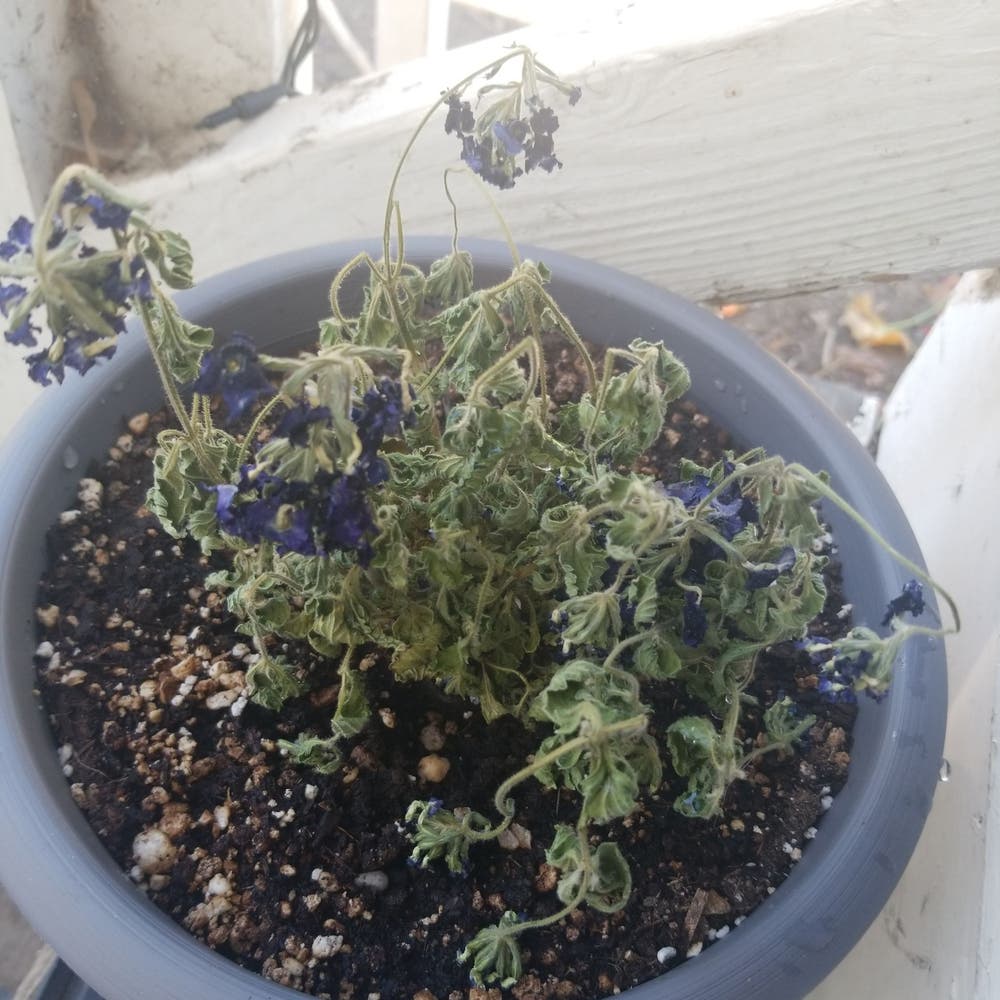
🌸 Introduction to Verbena gracilescens var. gracilescens
Verbena gracilescens var. gracilescens
By the Greg Editorial Team
Feb 26, 2025•11 min read
This article was created with the help of AI so we can cover more plants for you. May contain errors. See one? Report it here.
- 🌞 Verbena gracilescens needs 6-8 hours of sunlight for optimal growth.
- 🌱 Well-draining, nutrient-rich soil with pH 6.0-7.0 is essential for thriving plants.
- 🌼 Regular deadheading encourages blooms and keeps your Verbena looking tidy.
How to Grow
Choosing a Location 🌞
To thrive, Verbena gracilescens var. gracilescens needs full sun exposure, ideally basking in 6-8 hours of sunlight daily. Additionally, ensure there's enough space around the plants to promote air circulation, which helps prevent diseases.
Soil Preparation 🏞️
The ideal soil for this plant is well-draining and rich in nutrients. Aim for a pH level between 6.0 and 7.0, which is slightly acidic to neutral, to foster healthy growth.
Planting Techniques 🌱
When planting, space your Verbena plants 12-18 inches apart to allow for optimal growth. Be sure to plant them at the same depth they were in their nursery containers to avoid transplant shock.
Watering Requirements 💧
Initially, water your Verbena regularly until it's established, then you can reduce the frequency. Always water at the base of the plant to keep the foliage dry and prevent fungal issues.
Fertilizing 🌼
Use a balanced fertilizer with an NPK ratio of 10-10-10 to nourish your plants. Fertilize every 4-6 weeks during the growing season to keep them healthy and vibrant.
Pruning and Ongoing Care ✂️
Regularly deadhead spent flowers to encourage more blooms and maintain a tidy appearance. Additionally, keep an eye out for pests and diseases to ensure your plants remain healthy.
Outdoor vs. Container Growing 🏡
For outdoor growing, ensure your Verbena has good drainage and enough space to spread out. If you're using containers, select pots with drainage holes and monitor moisture levels closely to avoid overwatering.
With these tips, you’ll be well on your way to cultivating a thriving Verbena gracilescens var. gracilescens garden! Next, let’s explore how to propagate this beautiful plant.
Propagation
🌱 Seed Propagation
To start your journey with Verbena gracilescens var. gracilescens, sow seeds indoors 6-8 weeks before the last frost. This timing ensures that your plants are ready to thrive as the weather warms up.
For optimal germination, maintain a temperature of 70°F (21°C). This warm environment encourages seeds to sprout, setting the stage for healthy growth.
✂️ Cutting Propagation
Another effective method is taking cuttings from a healthy parent plant. Select 4-6 inch stems, ensuring they are robust and disease-free.
For rooting, place the cuttings in a moist potting mix and cover them with plastic. This creates a humid environment that promotes root development, giving your new plants the best chance to flourish.
With these propagation techniques, you'll be well on your way to expanding your Verbena collection. Next, let’s explore the lifecycle of this vibrant plant.
Lifecycle
Lifecycle Stages 🌱
The lifecycle of Verbena gracilescens var. gracilescens unfolds through several distinct stages. It begins with seed or cutting, followed by germination, seedling development, vegetative growth, flowering, and ultimately, seed production.
Lifespan 🌼
This plant is typically a perennial, thriving for several years when given optimal conditions. Its resilience makes it a favorite among gardeners looking for long-lasting beauty.
Growth Timeline ⏳
Expect Verbena gracilescens to reach maturity in about 12 to 16 weeks. This relatively quick growth allows you to enjoy its vibrant blooms in a short time frame, making it a rewarding addition to any garden.
As you cultivate this plant, keep an eye on its progress through each stage. Understanding its lifecycle will help you provide the right care at the right time, ensuring a flourishing display in your garden.
Next, let’s explore how to effectively manage its size and growth rate.
Size
Mature Height and Spread 🌱
Verbena gracilescens var. gracilescens typically reaches a height of 12 to 24 inches. Its spread can extend 18 to 24 inches wide, making it a lovely addition to any garden.
Growth Rate and Size Variability 📈
This plant has a moderate growth rate, capable of growing 1 to 2 feet in a season. However, its size can vary significantly based on growing conditions, including soil quality and sunlight exposure.
Understanding these size characteristics helps you plan your garden layout effectively. With the right care, Verbena gracilescens can thrive and become a vibrant focal point in your landscape.
As we explore the next section, let's dive into the fascinating root system of this resilient plant.
Roots
🌱 Root System Characteristics
Verbena gracilescens var. gracilescens features a fibrous root system that provides stability and nutrient absorption. Typically, these roots extend 12-18 inches deep, allowing the plant to access moisture and nutrients effectively.
⚠️ Common Root-Related Issues
One of the most common problems is root rot, often caused by overwatering. Symptoms include wilting and yellowing leaves, signaling that the roots are struggling to breathe.
Another issue is becoming rootbound, which occurs when the roots fill the container. Signs of this include stunted growth and a plant that seems to have hit a growth plateau.
👀 Visual Cues for Healthy vs. Unhealthy Roots
Healthy roots are firm, white, and spread out, indicating a thriving plant. In contrast, unhealthy roots may appear dark, mushy, or even emit a foul smell, suggesting serious issues that need addressing.
🛠️ Solutions for Root Problems
To prevent root rot, ensure proper drainage and avoid overwatering your plants. If you notice your plant is rootbound, consider repotting it into a larger container or pruning the roots to encourage new growth.
By keeping an eye on root health, you can ensure your Verbena gracilescens var. gracilescens thrives beautifully. Next, let’s explore the benefits this stunning plant brings to your garden.
Benefits
Aesthetic Appeal 🌸
Verbena gracilescens var. gracilescens brings a burst of vibrant color to any garden or landscape. Its striking flowers can brighten up borders, containers, and even hanging baskets.
Attracts Pollinators 🐝
This plant is a magnet for pollinators. Bees, butterflies, and other beneficial insects flock to its blooms, making it an excellent choice for eco-friendly gardening.
Drought Resistance 💧
Once established, Verbena gracilescens var. gracilescens requires minimal maintenance. Its drought-resistant nature makes it ideal for xeriscaping, allowing you to enjoy a beautiful garden with less water.
Cultural Significance 🎨
Often found in traditional gardens, this plant carries beauty and symbolism. Its presence can evoke a sense of nostalgia and connection to nature.
Use in Companion Planting 🌱
Incorporating Verbena gracilescens var. gracilescens into your garden enhances diversity. It can aid in pest management, creating a healthier ecosystem for your plants.
These benefits make Verbena gracilescens var. gracilescens a fantastic addition to any garden. Whether you're looking to attract pollinators or simply add some color, this plant has you covered!
Companion Plants
🌱 Explanation of Companion Planting Benefits
Companion planting is a gardening strategy that promotes symbiotic relationships between plants. This method not only enhances garden diversity but also improves the overall health of your plants.
🌼 Best Companion Plants
When growing Verbena gracilescens var. gracilescens, consider these excellent companions:
- Marigolds: These vibrant flowers repel pests and attract beneficial insects, making them a perfect partner for verbena.
- Basil: Sharing similar care needs, basil not only thrives alongside verbena but also enhances the flavor of nearby plants.
🚫 Plants to Avoid
While many plants can thrive together, some should be kept apart. Avoid planting Verbena gracilescens var. gracilescens near overly aggressive plants that may compete for resources. This ensures your verbena has the space and nutrients it needs to flourish.
By choosing the right companions, you can create a thriving garden ecosystem that benefits all your plants. Next, let’s explore the potential toxicity of Verbena gracilescens var. gracilescens to humans and pets.
Toxicity to Humans
Verbena gracilescens var. gracilescens is generally considered safe and is not listed as toxic by major poison control centers. This means you can enjoy its beauty without worrying about severe health risks.
However, it's important to note that consuming large quantities may lead to mild skin irritation or digestive discomfort. Always exercise caution with any plant, and if you experience unusual symptoms, seek medical advice promptly.
Staying informed about the plants in your garden can enhance your enjoyment and safety. Embrace the vibrant colors and charm of Verbena gracilescens while keeping these considerations in mind.
Toxicity to Dogs
When it comes to Verbena gracilescens var. gracilescens, dog owners can breathe a sigh of relief. This plant is not listed as toxic to dogs by major pet poison control centers.
However, it's important to note that while it's generally safe, excessive consumption may lead to mild gastrointestinal upset. Keeping an eye on your furry friends around new plants is always a good practice.
🐶 Monitoring Your Dog
Proper placement of the plant can help minimize any potential issues. Ensure that your dog doesn't have easy access to nibble on the leaves or stems.
📝 Conclusion
By being mindful of your dog's behavior and the plant's location, you can enjoy the beauty of Verbena gracilescens var. gracilescens without worry. Next, let’s explore how this plant interacts with our feline friends.
Toxicity to Cats
Verbena gracilescens var. gracilescens is considered safe for cats, as it is not listed as toxic by major pet poison control centers. This means you can enjoy the beauty of this plant without worrying about harming your feline friends.
However, it's important to note that excessive consumption may lead to mild gastrointestinal upset. To keep your cats safe and healthy, ensure proper placement of the plant and monitor their behavior around it.
By taking these simple precautions, you can create a vibrant garden while keeping your curious cats out of trouble. Enjoy the colorful blooms and the peace of mind that comes with knowing your plants are safe for your pets!
Next, let’s explore the common problems that may arise when growing Verbena gracilescens var. gracilescens.
Problems
Common Problems Faced 🌱
Growing Verbena gracilescens var. gracilescens can come with its share of challenges. Understanding these common problems will help you maintain a healthy plant.
Incorrect Watering 🚰
Watering is crucial for plant health. Overwatering often leads to yellowing leaves, while underwatering results in wilting.
Incorrect Light Conditions ☀️
Light plays a vital role in growth. Insufficient sunlight can cause leggy growth, making the plant look weak and stretched.
Diseases 🦠
Fungal diseases can be a concern. Watch out for powdery mildew and rust, which can affect the plant's overall health.
Root Problems 🌿
Root health is essential for stability. Signs of root rot include squishy roots, often a result of overwatering.
Prevention and Care 🛡️
To prevent these issues, monitor your watering habits closely. Ensure your plant receives adequate sunlight and check for any signs of disease or root problems regularly.
By staying vigilant and addressing these common problems, you can enjoy a thriving Verbena gracilescens var. gracilescens in your garden. Next, let’s explore the potential pest issues that may arise.
Bugs
🐞 Potential Pest Issues
Verbena gracilescens var. gracilescens is known for its resilience against pests. However, like any plant, it can occasionally attract certain nuisances that require attention.
🔍 Identification and Treatment Options
Spider Mites
These tiny pests can be a real headache. Look for fine webbing on the leaves; if you spot it, treat your plant with insecticidal soap to eliminate them effectively.
Aphids
These small, soft-bodied insects can curl leaves and stunt growth. If you notice curled leaves, control aphids with neem oil, which is both effective and safe for your plants.
Mealybugs
Identifiable by their cotton-like masses on stems, mealybugs can weaken your plant. Remove them by hand or use alcohol swabs to wipe them away, keeping your Verbena healthy.
By staying vigilant and addressing these potential pest issues promptly, you can ensure your Verbena gracilescens thrives beautifully. Next, let’s explore what animals might be tempted to munch on this lovely plant.
What Eats Verbena gracilescens var. gracilescens
🦌 Common Animals That May Damage the Plant
Verbena gracilescens var. gracilescens can attract a few hungry visitors.
- Deer: Look for signs like chewed leaves and stems.
- Rabbits: They tend to leave cleanly cut stems at ground level.
- Squirrels and Rodents: These critters may dig around the base of the plant, causing disturbance.
🕵️♂️ Signs of Animal Presence and Damage
Identifying animal damage is crucial for maintaining your plants.
Chewed foliage is a clear indicator, along with disturbed soil around the base. If you notice these signs, it’s time to take action.
🚫 Deterrent Methods
Keeping your Verbena safe from these munching animals can be achieved through various methods.
- Chemical Repellents: Commercial deer repellents can be effective in keeping deer at bay.
- Organic Methods: Consider planting strong-smelling herbs nearby. They can deter animals naturally and enhance your garden's diversity.
By being proactive, you can protect your Verbena and enjoy its beauty without the worry of unwanted nibblers.
⚠️ Safety First
This content is for general information and may contain errors, omissions, or outdated details. It is not medical, veterinary advice, or an endorsement of therapeutic claims.
Always consult a qualified healthcare professional before using any plant as food, medicine, or supplement.
Never eat any plant (or feed one to pets) without confirming its identity with at least two trusted sources.
If you suspect poisoning, call Poison Control (800) 222-1222, the Pet Poison Helpline (800) 213-6680, or your local emergency service immediately.
Spotted an error? Please report it here.
Cultivate vibrant Verbena blooms 🌼 effortlessly with Greg's tailored care reminders and expert tips, ensuring your garden thrives while attracting pollinators!