🌸 Ultimate Guide to Verbena falcata
Verbena falcata
By the Greg Editorial Team
Feb 26, 2025•11 min read
This article was created with the help of AI so we can cover more plants for you. May contain errors. See one? Report it here.
Elevate your garden with vibrant Verbena falcata 🌼, a resilient beauty that attracts pollinators and thrives effortlessly!
- ☀️ Verbena falcata needs 6-8 hours of sunlight daily for optimal growth.
- 🌱 Well-drained, sandy soil with pH 6.0-7.5 is ideal for planting.
- 🌼 Regular deadheading and monitoring prevent pests and promote blooming.
How to Grow
Choosing a Location 🌞
To thrive, Verbena falcata needs full sun exposure, ideally basking in 6 to 8 hours of sunlight daily. It flourishes in well-drained, sandy, or loamy soil, making it essential to consider whether you’re planting outdoors or in containers.
Soil Preparation 🏜️
Aim for a soil pH between 6.0 and 7.5 for optimal growth. Enhance soil fertility by adding compost or organic matter, and ensure good drainage to prevent root rot.
Planting Techniques 🌱
When planting seeds, aim for a depth of about 1/4 inch. Space your plants 12 to 18 inches apart to promote air circulation, and the best time to plant is in spring, after the last frost.
Watering Requirements 🚰
Initially, keep the soil consistently moist until the plants are established. Once established, allow the soil to dry out between waterings to avoid overwatering, which can lead to root issues.
Fertilizing Schedule 🍽️
Fertilize Verbena falcata monthly during the growing season to support healthy growth. Balanced NPK or organic fertilizers are recommended for best results.
Pruning and Ongoing Care ✂️
Regular deadheading encourages blooming and keeps your plants looking tidy. Additionally, inspect your plants frequently for pests and diseases to maintain their health and vigor.
This foundational knowledge will set you on the right path to cultivating beautiful Verbena falcata. Next, let’s explore how to propagate this resilient plant for even more blooms in your garden!
Propagation
Seed Propagation 🌱
To propagate Verbena falcata from seeds, start by sowing them at a depth of 1/4 inch. Expect germination to occur within 7-14 days, ideally at a temperature of 70°F (21°C) for the best results.
Cutting Propagation ✂️
Cutting propagation is another effective method. Select healthy stems and take cuttings that are 4-6 inches long. Use a rooting medium composed of peat and perlite to encourage growth. Under humid conditions, these cuttings typically root within 2-3 weeks.
Division Propagation 🌿
For division propagation, the best time to separate clumps is during early spring or fall. Carefully separate the clumps and replant them to allow for new growth and expansion.
This section on propagation sets the stage for understanding how to expand your Verbena falcata collection effectively. Next, let’s explore the lifecycle of this vibrant plant and what to expect as it grows.
Lifecycle
🌱 Lifecycle Stages
Verbena falcata can be classified as either an annual or perennial plant, depending on the climate in which it grows. Understanding its lifecycle stages is crucial for successful cultivation.
The lifecycle begins with seed or cutting propagation, followed by germination. After germination, the plant enters the seedling stage, progressing to vegetative growth, flowering, and ultimately seed production.
⏳ Lifespan and Growth Rate
As a perennial, Verbena falcata typically has an average lifespan of 2-3 years. It exhibits a moderate growth rate, reaching maturity in about 3-4 months under optimal conditions.
This growth cycle allows gardeners to enjoy vibrant blooms and the benefits of this resilient plant throughout its life. By recognizing these stages, you can better cater to its needs and ensure a thriving garden.
With a solid understanding of its lifecycle, you can now explore how to propagate Verbena falcata effectively.
Size
Mature Height and Spread 🌱
Verbena falcata typically reaches a height of 12 to 24 inches. Its spread ranges from 12 to 18 inches, making it a compact yet vibrant addition to your garden.
Growth Rate and Size Variability 📈
Several factors influence the growth rate of Verbena falcata. Soil quality, water availability, and sunlight exposure all play crucial roles in determining how quickly and robustly this plant grows.
Variability in size can also occur based on growing conditions. For instance, plants in optimal sunlight and well-drained soil may flourish more than those in shaded or poor-quality environments.
Understanding these dynamics can help you create the best conditions for your Verbena falcata to thrive. With the right care, you can enjoy a stunning display of blooms that enhance your garden's beauty.
Roots
Root System Characteristics 🌱
Verbena falcata features a fibrous root system that is both shallow and extensive. This structure allows the plant to efficiently absorb water and nutrients from the upper soil layers.
Common Root-Related Issues ⚠️
One of the most common problems with Verbena falcata is root rot, which can occur when the soil remains too wet. Symptoms include yellowing leaves and a foul smell from the roots, indicating the need for better drainage.
To identify healthy roots, look for firm, white roots. Unhealthy roots often appear brown and mushy, signaling potential issues that need addressing.
Recognizing Rootbound Plants 🪴
A rootbound plant has roots that circle the pot, indicating it has outgrown its container. Signs of this condition include stunted growth and water pooling on the surface after watering.
To remedy rootbound plants, consider repotting them into a larger container or performing root pruning. This encourages healthier growth and allows the plant to thrive in its environment.
Understanding the root system and its needs is crucial for the overall health of Verbena falcata. With proper care, you can ensure your plants flourish, setting the stage for vibrant blooms and robust growth.
Benefits
Top 5 Benefits 🌟
Verbena falcata is not just a pretty face in the garden; it offers a multitude of benefits that make it a favorite among gardeners.
Ornamental Appeal
The vibrant flowers of Verbena falcata can transform any garden into a colorful oasis. Their striking hues add visual interest and charm, making them perfect for borders or as focal points.
Attracting Pollinators
These flowers are a magnet for pollinators like bees and butterflies. By planting Verbena falcata, you’re not only beautifying your space but also supporting local ecosystems.
Drought Resistance
Once established, Verbena falcata shows impressive drought resistance. This adaptability makes it an excellent choice for low-maintenance gardens, especially in dry climates.
Cultural Significance
Historically, Verbena has held cultural significance in various societies. It symbolizes healing and protection, adding a layer of meaning to your garden.
Medicinal Uses
Traditionally, Verbena has been used in herbal medicine for its soothing properties. While it’s not a substitute for professional care, its historical uses highlight its value beyond mere aesthetics.
These benefits make Verbena falcata a worthwhile addition to any garden. Whether you’re looking to attract pollinators or simply enjoy its beauty, this plant has something to offer everyone.
Next, let’s explore the best companion plants that thrive alongside Verbena falcata.
Companion Plants
Best Companion Plants 🌼
When growing Verbena falcata, consider pairing it with marigolds, lavender, and other drought-tolerant plants. These companions not only share similar care needs but also help repel pests, creating a healthier garden environment.
Plants to Avoid 🚫
It's wise to steer clear of plants that require more moisture or compete for nutrients with Verbena falcata. Examples include heavy drinkers like ferns or plants that thrive in rich, moist soils, as they can hinder the growth of your verbena.
By choosing the right companions, you can enhance the beauty and resilience of your garden while ensuring that each plant thrives in harmony. This thoughtful approach will lead to a vibrant and flourishing landscape.
Next, let’s explore the potential toxicity of Verbena falcata to humans and pets, ensuring you have all the necessary information for a safe gardening experience.
Toxicity to Humans
Safety Overview 🛡️
Verbena falcata is not listed as toxic by major poison control centers, making it a safe choice for gardens and landscapes. Generally, there is minimal risk when handled or ingested in small amounts.
Caution Advised ⚠️
While the plant is considered safe, it's always wise to exercise caution. If you experience any unusual symptoms after contact or ingestion, seeking medical advice is recommended.
This knowledge allows you to enjoy the beauty of Verbena falcata without unnecessary worry. Now, let’s explore how this plant interacts with our furry friends!
Toxicity to Dogs
Safety Overview 🐶
Verbena falcata is not considered toxic according to veterinary organizations. This means your furry friends can safely roam around your garden without the risk of harmful effects.
General Safety 👀
While the plant poses minimal risk with normal interaction, it's always wise to keep an eye on your dog. If they show unusual interest in chewing on the leaves, monitor their behavior to ensure they don’t experience any adverse reactions.
Tips for Introducing to Homes 🏡
When introducing Verbena falcata to your home or garden, consider its placement carefully. Position it in areas where your dog can enjoy the space without being overly tempted to nibble on the plant.
In summary, Verbena falcata is a safe choice for dog owners. With a little mindfulness, you can enjoy the beauty of this plant while keeping your canine companion happy and healthy.
Toxicity to Cats
Safety Overview 🐱
Verbena falcata is considered safe for cats, as it is not listed as toxic by major pet poison control centers. This means that your feline friends can interact with this plant without significant risk.
General Safety 👀
While the risk is minimal, it's always wise to monitor your cat's behavior around any new plant. Normal interaction should pose no issues, but keep an eye out for any unusual reactions.
Tips for Introducing to Homes 🏡
When introducing Verbena falcata into your home, consider its placement carefully. Position it where your cat can admire it without being tempted to chew on the leaves.
Regularly check on your cat's behavior around the plant. This proactive approach ensures that both your pet and your garden can thrive together harmoniously.
As you enjoy the beauty of Verbena falcata, rest assured that your furry companions can safely coexist with this vibrant addition to your home.
Problems
🚰 Incorrect Watering
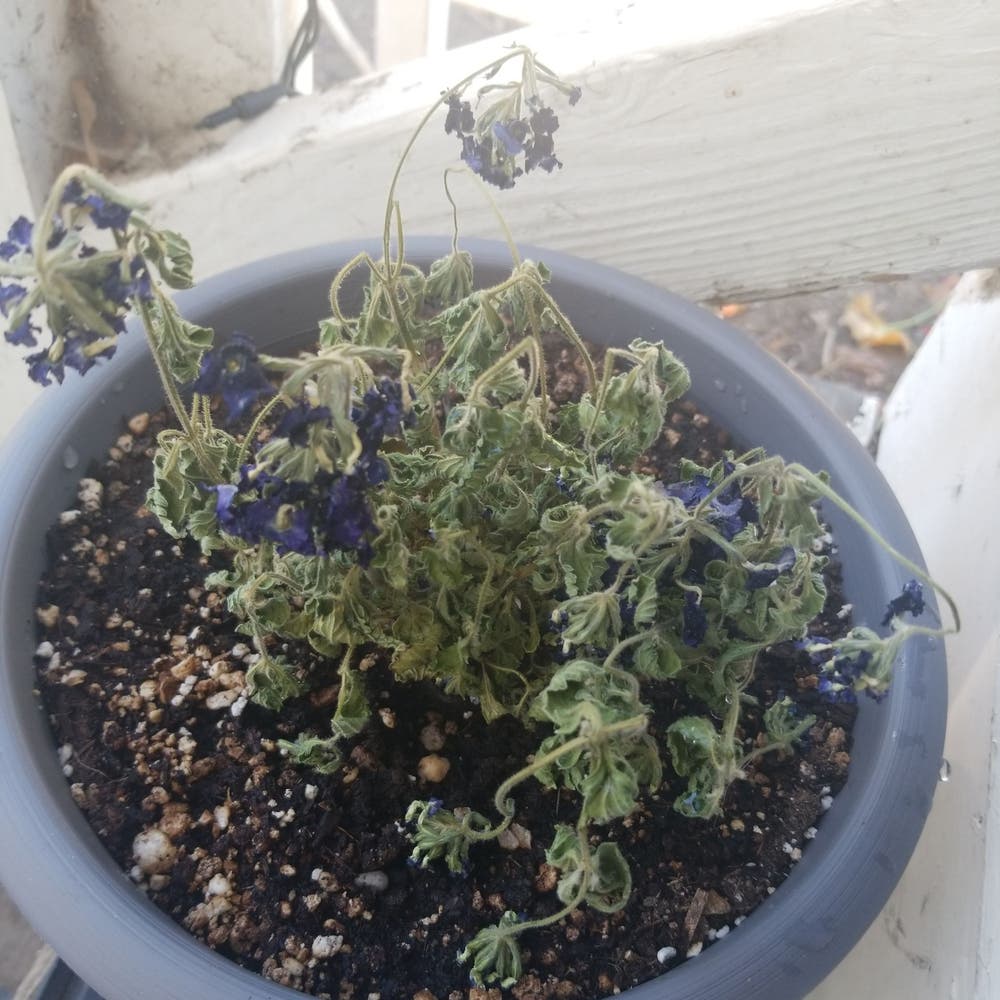
Watering is crucial for the health of your Verbena falcata. Overwatering can lead to root rot, where roots become mushy and dark, while underwatering causes wilting and dry leaves.
🌞 Incorrect Light Conditions
Light is another key factor. If your plants are not getting enough sunlight, you may notice leggy growth and fewer blooms, indicating they need a brighter spot.
🦠 Diseases
Fungal diseases can wreak havoc on your Verbena. Watch out for powdery mildew, rust, black rot, and blight, which can all cause significant damage if not addressed promptly.
🌱 Root Problems
Root issues can be tricky. Root rot is a common problem, often resulting from poor drainage, while squishy roots signal that your plant is in distress.
🍃 Leaf Issues
Leaf health is a good indicator of overall plant vitality. Scorching, yellowing, and fuzzy growth can signal environmental stress or pest infestations, so keep an eye on those leaves.
Understanding these common problems will help you maintain a thriving Verbena falcata. By addressing these issues early, you can ensure your plants remain healthy and vibrant.
Bugs
Potential Pest Issues 🐛
When growing Verbena falcata, it's essential to be aware of potential pest issues that can affect your plants. While these flowers are relatively resilient, they can still fall victim to a few common pests.
Common Pests 🦠
- Spider Mites: These tiny pests thrive in dry conditions and can cause significant damage by sucking the sap from leaves.
- Scale Insects: Often appearing as small, brown bumps on stems and leaves, scale insects can weaken your plants by feeding on their juices.
- Mealybugs: These cotton-like pests cluster in leaf joints and can lead to stunted growth if not controlled.
- Aphids: Known for their rapid reproduction, aphids can distort leaves and transmit diseases.
- Whiteflies: These small, white insects can create a sticky residue on leaves, leading to mold growth.
Treatment Options 💊
Managing pests on Verbena falcata can be approached in several ways.
- Organic Methods: Introduce beneficial insects like ladybugs or use insecticidal soap to control infestations naturally.
- Chemical Control: If the infestation is severe, consider applying a targeted pesticide, ensuring it’s safe for flowering plants.
Regular monitoring and early intervention are key to keeping your Verbena falcata healthy and thriving. By staying vigilant, you can enjoy the beauty of these vibrant flowers without the worry of pest damage.
Next, let’s explore what eats Verbena falcata and how to protect your plants from herbivores.
What Eats Verbena falcata
🦌 Common Herbivores
Verbena falcata can attract a variety of herbivores that might munch on its vibrant foliage. Common culprits include deer, rabbits, squirrels, birds, rodents, and groundhogs.
🔍 Signs of Animal Presence
Identifying these visitors can be straightforward. Look for tracks, droppings, and distinct damage patterns on the plants, such as chewed leaves or broken stems.
🚫 Methods for Deterring Animals
To protect your Verbena falcata, consider both chemical and organic control methods. Chemical repellents can be effective, but many gardeners prefer organic options like planting deterrent herbs or using barriers to keep these herbivores at bay.
By staying vigilant and employing these strategies, you can enjoy your Verbena falcata without the worry of unwanted nibblers. Next, let’s explore the common problems that can affect this beautiful plant.
⚠️ Safety First
This content is for general information and may contain errors, omissions, or outdated details. It is not medical, veterinary advice, or an endorsement of therapeutic claims.
Always consult a qualified healthcare professional before using any plant as food, medicine, or supplement.
Never eat any plant (or feed one to pets) without confirming its identity with at least two trusted sources.
If you suspect poisoning, call Poison Control (800) 222-1222, the Pet Poison Helpline (800) 213-6680, or your local emergency service immediately.
Spotted an error? Please report it here.
Unlock a blooming paradise 🌼 with Greg's tailored care reminders and expert tips, ensuring your Verbena falcata thrives in the perfect conditions for stunning growth!