🌸 Verbena calinfera Explained: Key Information
Verbena calinfera
By the Greg Editorial Team
Feb 26, 2025•12 min read
This article was created with the help of AI so we can cover more plants for you. May contain errors. See one? Report it here.
Elevate your garden with vibrant Verbena calinfera 🌼, a low-maintenance beauty that attracts pollinators and thrives effortlessly!
- ☀️ Verbena calinfera needs 6-8 hours of sunlight daily for optimal growth.
- 🌱 Well-draining sandy loam soil with pH 6.0-7.0 is ideal for planting.
- 🐝 Attracts pollinators like bees and butterflies, enhancing garden biodiversity.
How to Grow
🌞 Choosing the Right Location
To ensure your Verbena calinfera thrives, select a spot with full sun exposure, ideally receiving a minimum of 6-8 hours of sunlight daily. Additionally, consider planting in sheltered areas to protect your plants from strong winds.
🌱 Soil Preparation and Amendments
Verbena calinfera prefers well-draining sandy loam soil. Aim for a soil pH that is slightly acidic to neutral, ranging from 6.0 to 7.0, and enhance your soil with organic matter to improve drainage and fertility.
🌼 Planting Techniques and Spacing
When planting, dig a hole that is 1-2 inches deep and space your plants 12-18 inches apart to allow for adequate air circulation. The best time to plant is in the spring, after the last frost has passed.
💧 Watering Requirements and Frequency
After planting, give your Verbena a deep watering to help establish roots. Moving forward, water when the top inch of soil feels dry, as these plants prefer moderate watering and can tolerate dry spells once established.
🌿 Fertilizing Schedule and Types of Fertilizers
Fertilize your Verbena calinfera every 4-6 weeks during the growing season for optimal growth. Use a balanced NPK fertilizer, such as 10-10-10, or consider organic options for a more natural approach.
✂️ Pruning and Deadheading for Continuous Blooms
Regular deadheading is key to encouraging more blooms throughout the season. After flowering, prune your plants back by one-third to promote bushiness and a fuller appearance.
🌍 Ongoing Care for Outdoor and Container Growth
For container growth, ensure your pots have drainage holes and use a quality potting mix. If growing outdoors, keep an eye out for pests and diseases, addressing any issues promptly to maintain plant health.
With these tips, your Verbena calinfera will flourish, bringing vibrant color and life to your garden or patio. Next, let’s explore how to propagate this beautiful plant for even more blooms!
Propagation
🌱 Seed Propagation Steps
To start your Verbena calinfera from seeds, begin by collecting seeds from mature flowers. Sow these seeds indoors about 6-8 weeks before the last frost for the best results.
Germination typically takes 10-14 days at a temperature of 70°F (21°C). This initial phase is crucial for establishing healthy plants.
✂️ Cutting Propagation Techniques
Another effective method is cutting propagation. Take 4-6 inch cuttings from healthy stems, ensuring they are vigorous and disease-free.
Remove the lower leaves and dip the cut end in rooting hormone. Place the cuttings in a well-draining medium and keep them moist until roots develop, which usually takes about 2-3 weeks.
🌿 Division Methods for Established Plants
For established plants, division is a great option. Dig up the plant in early spring or fall when it’s less active.
Carefully divide the root ball into sections, making sure each section has at least one growing point. Replant these sections immediately in prepared soil to ensure they thrive.
With these propagation techniques, you can easily expand your Verbena calinfera collection and enjoy its beauty in various spots around your garden. Next, let’s explore the lifecycle of this vibrant plant.
Lifecycle
Life Cycle Stages 🌱
The lifecycle of Verbena calinfera unfolds in distinct stages. It begins with germination, where seeds sprout within 10-14 days.
Next, the seedling stage develops true leaves in about 2-3 weeks. This is followed by a rapid vegetative growth phase that lasts several weeks.
Flowering typically begins in late spring to early summer, adding vibrant color to your garden. Finally, seed production occurs after flowering, usually in late summer.
Duration Until Maturity and Growth Rate ⏳
From seed to maturity, Verbena calinfera takes approximately 12-16 weeks. During this time, the plant exhibits a moderate growth rate, potentially reaching heights of up to 3 feet.
Lifespan 🌼
While often treated as an annual, Verbena calinfera can behave like a perennial in warmer climates. This adaptability allows it to thrive and return season after season, bringing joy to gardens and landscapes alike.
As you cultivate this beautiful plant, understanding its lifecycle will help you provide the best care and enjoy its blooms for longer. Next, we’ll explore how to maximize its growth potential through proper care and maintenance.
Size
Mature Height and Spread 🌱
Verbena calinfera can reach a mature height of 12 to 36 inches, depending on the growing conditions. Its spread typically ranges from 12 to 24 inches wide, making it a versatile choice for various garden settings.
Growth Rate and Time to Reach Full Size ⏳
This plant has a moderate growth rate and can achieve its full size in about 3 to 4 months. Factors such as soil quality, sunlight exposure, and watering practices significantly influence its growth.
Size Variability Based on Growing Conditions 🌍
The size of Verbena calinfera can vary greatly based on its environment. In optimal conditions, you can expect larger and fuller plants, while stressed plants may show stunted growth, highlighting the importance of proper care.
As you consider planting Verbena calinfera, remember that its size and health are closely tied to the conditions you provide. Next, let’s explore the root system of this fascinating plant and how it contributes to its overall vitality.
Roots
Description of the Root System 🌱
Verbena calinfera features a fibrous root system that is both shallow and extensive. This structure is essential for efficient nutrient uptake, allowing the plant to thrive in various conditions.
Root Depth, Spread, and Growth Patterns 📏
Typically, the roots extend to a depth of 12-18 inches. They can spread laterally up to 2 feet, providing stability and access to nutrients in the surrounding soil.
Common Root-Related Issues and Solutions ⚠️
One common issue is root rot, often caused by overwatering. To prevent this, ensure proper drainage in your planting medium.
If you notice squishy roots, it’s a sign of rot. Remedy this by improving soil drainage and adjusting your watering habits.
Identifying Healthy vs. Unhealthy Roots 🧐
Healthy roots are firm, white, and spread out evenly. In contrast, unhealthy roots appear dark, mushy, or may emit a foul smell.
Recognizing Rootbound Plants and Corrective Actions 🔄
Signs of a rootbound plant include roots growing out of drainage holes or circling the pot. The solution is to repot the plant into a larger container or divide the root ball to promote healthy growth.
Understanding the root system of Verbena calinfera is crucial for its overall health. With proper care and attention, you can ensure your plants thrive and flourish. Next, let's explore the many benefits this vibrant plant offers.
Benefits
Five Key Benefits 🌼
Verbena calinfera offers a range of advantages that make it a favorite among gardeners.
Attracts Pollinators: Its vibrant flowers are a magnet for bees and butterflies, enhancing the biodiversity of your garden.
Drought-Resistant: Once established, this plant requires minimal water, making it an excellent choice for low-maintenance gardens.
Long Blooming Period: Enjoy a burst of color from spring through fall, as Verbena calinfera continuously produces blooms.
Versatile Use: Whether in borders, containers, or hanging baskets, this plant adapts beautifully to various garden settings.
Medicinal Properties: Historically, Verbena calinfera has been used for its health benefits, adding a layer of utility to its beauty.
Cultural Significance and Symbolism 🌍
Verbena calinfera holds a special place in various cultures, symbolizing healing and tranquility.
It has been utilized in traditional medicine and herbal remedies, showcasing its importance beyond mere aesthetics.
Incorporating this plant into your garden not only enhances its beauty but also connects you to a rich tapestry of cultural significance.
Companion Plants
🌱 Explanation of Companion Planting and Its Benefits
Companion planting is a gardening strategy that involves pairing plants to enhance growth, improve pest management, and increase garden diversity. This method not only promotes healthier plants but also creates a more vibrant ecosystem in your garden.
🌼 List of Compatible Companion Plants
When growing Verbena calinfera, consider these compatible companions:
- Marigolds: Known for their pest-repellent properties, marigolds can help keep harmful insects at bay.
- Basil: This aromatic herb shares similar care needs with Verbena calinfera and can enhance the flavor of nearby plants.
- Petunias: These colorful flowers attract beneficial insects, providing a natural form of pest control.
🚫 Plants to Avoid Planting Near
While companion planting can be beneficial, it's essential to avoid certain pairings. Steer clear of plants that require excessive moisture, such as ferns, as they can compete for water and nutrients, potentially harming your Verbena calinfera.
By choosing the right companions, you can create a thriving garden that supports the health and beauty of your Verbena calinfera. Next, let’s explore the toxicity of this plant to humans, dogs, and cats, ensuring you have all the information needed for safe gardening.
Toxicity to Humans
Safety of Verbena calinfera for Humans 🌿
Verbena calinfera is considered safe for humans, as it is not listed as toxic by major poison control centers. You can handle and even ingest it in small amounts without worry.
However, be mindful that consuming large quantities may lead to mild skin irritation or digestive discomfort. It's always wise to exercise caution with any plant and consult a medical professional if you experience unusual symptoms.
By staying informed, you can enjoy the beauty and benefits of Verbena calinfera while ensuring your safety.
Toxicity to Dogs
🐶 Safety of Verbena calinfera for Dogs
Verbena calinfera is considered safe for dogs, as it is not toxic according to veterinary organizations.
However, if your furry friend decides to munch on a large quantity, mild gastrointestinal upset may occur.
To keep your dog safe, place these plants out of reach and keep an eye on their behavior around new additions to your garden.
This way, you can enjoy your vibrant Verbena while ensuring your pet stays happy and healthy.
Toxicity to Cats
Safety of Verbena calinfera for Cats 🐱
Verbena calinfera is considered safe for cats according to pet poison control centers. This means you can enjoy this beautiful plant without worrying about your feline friends.
However, if a cat consumes large amounts, it may experience mild gastrointestinal upset. To prevent this, it's wise to position your plants where cats can't easily access them.
Always keep an eye on your pets' behavior around new plants. This way, you can ensure their safety while enjoying the vibrant blooms of Verbena calinfera.
As we explore further, let’s dive into the potential problems that can arise when growing this lovely plant.
Problems
🛠️ Common Problems Faced
Growing Verbena calinfera can be rewarding, but it’s not without its challenges. Here are some common problems you might encounter.
💧 Incorrect Watering
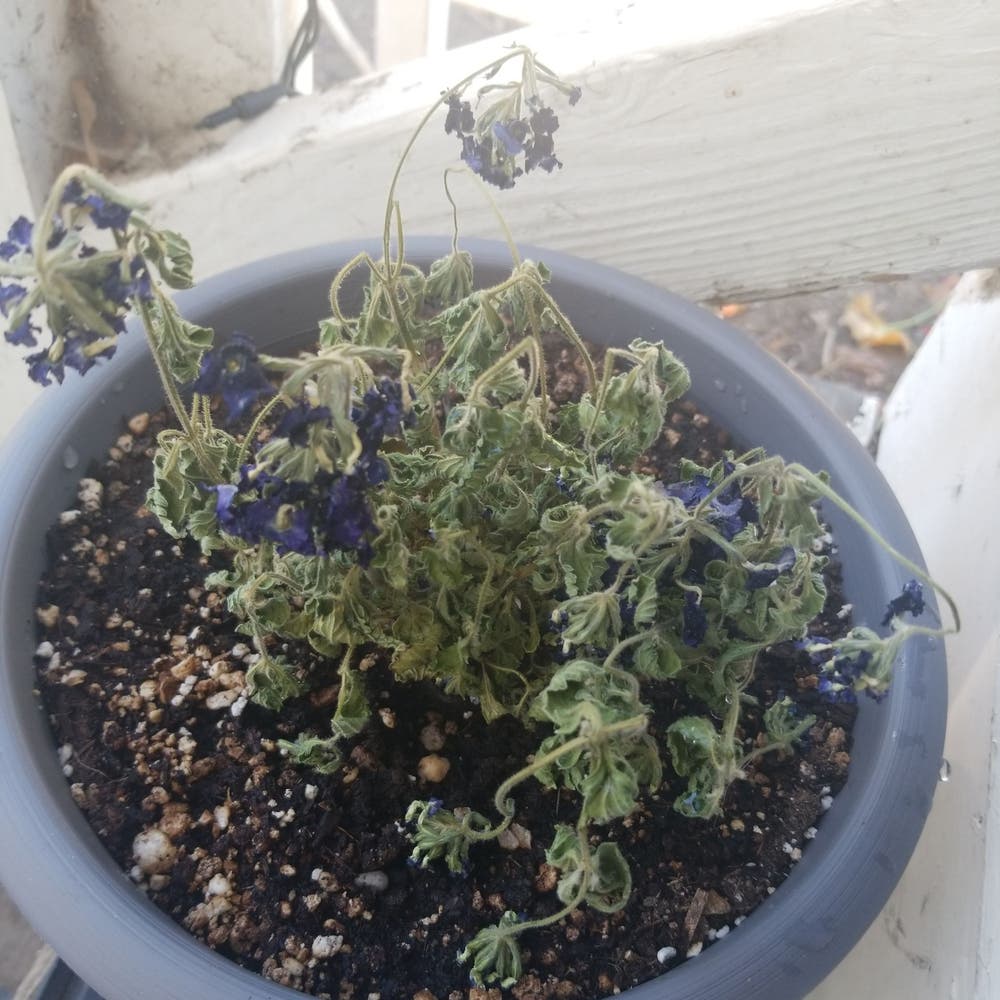
One of the most frequent issues is incorrect watering. Signs of this problem include wilting or yellowing leaves, indicating that your plant may be thirsty or overwatered.
💡 Incorrect Light Conditions
Insufficient light can lead to leggy growth, where the plant stretches toward the light source. Ensure your Verbena gets at least 6-8 hours of full sun daily for optimal health.
🌡️ Incorrect Temperature
Extreme temperatures can stunt growth. Keeping your plants in a stable environment helps them thrive.
🚰 Overwatering
Overwatering is a common mistake that can lead to root rot. If you notice symptoms like mushy roots or a foul smell, it’s time to adjust your watering frequency.
🍄 Fungal Diseases
Fungal diseases, such as powdery mildew, can also affect your Verbena. Treat these issues with fungicides and ensure good air circulation around your plants to prevent recurrence.
By being aware of these potential problems, you can take proactive steps to keep your Verbena calinfera healthy and vibrant. Next, let’s explore the pest issues that may arise in your garden.
Bugs
🐞 Potential Pest Issues
While Verbena calinfera is known for its moderate pest resistance, it can still attract a few unwelcome guests. Keeping an eye out for these pests can help maintain the health of your plants.
🕷️ Spider Mites
Spider mites are a common issue, identifiable by their fine webbing on the leaves. If you spot these tiny pests, treat your plants with insecticidal soap to eliminate them effectively.
🐜 Aphids
Aphids can also be a nuisance, often causing curled leaves as they feed on the plant's sap. To control an aphid infestation, neem oil is a great organic option that can help keep these pests at bay.
🦋 Whiteflies
Whiteflies are another pest to watch for, typically found on the undersides of leaves. Sticky traps can be an effective way to monitor and reduce their population.
By staying vigilant and addressing these pest issues promptly, you can ensure your Verbena calinfera thrives beautifully. Next, let’s explore what animals might be interested in snacking on your plants.
What Eats Verbena calinfera
🦌 Common Animals That May Damage
Verbena calinfera can attract a variety of hungry critters. Deer are notorious for munching on these plants, leaving behind chewed leaves and broken stems as evidence of their feast.
Rabbits also enjoy a nibble, often leaving cleanly cut stems at ground level. If you notice this, it’s a clear sign that these furry friends have been around.
Squirrels might not eat the plant directly, but they can disturb the soil around the base, causing damage. Look for signs like disturbed soil, droppings, or visible damage to the foliage.
🛡️ Preventative Measures
To protect your Verbena calinfera, consider using chemical repellents. Commercial deer repellents can be effective in keeping these larger animals at bay.
For a more natural approach, try planting garlic nearby or using physical barriers like fencing. These methods can deter not only deer but also rabbits and squirrels, helping your plants thrive without unwanted visitors.
By being proactive, you can enjoy the beauty of Verbena calinfera without the worry of it becoming a snack for local wildlife.
⚠️ Safety First
This content is for general information and may contain errors, omissions, or outdated details. It is not medical, veterinary advice, or an endorsement of therapeutic claims.
Always consult a qualified healthcare professional before using any plant as food, medicine, or supplement.
Never eat any plant (or feed one to pets) without confirming its identity with at least two trusted sources.
If you suspect poisoning, call Poison Control (800) 222-1222, the Pet Poison Helpline (800) 213-6680, or your local emergency service immediately.
Spotted an error? Please report it here.
Cultivate a thriving Verbena calinfera garden 🌼 with Greg's tailored watering and fertilizing reminders to keep your plants blooming beautifully all season long!