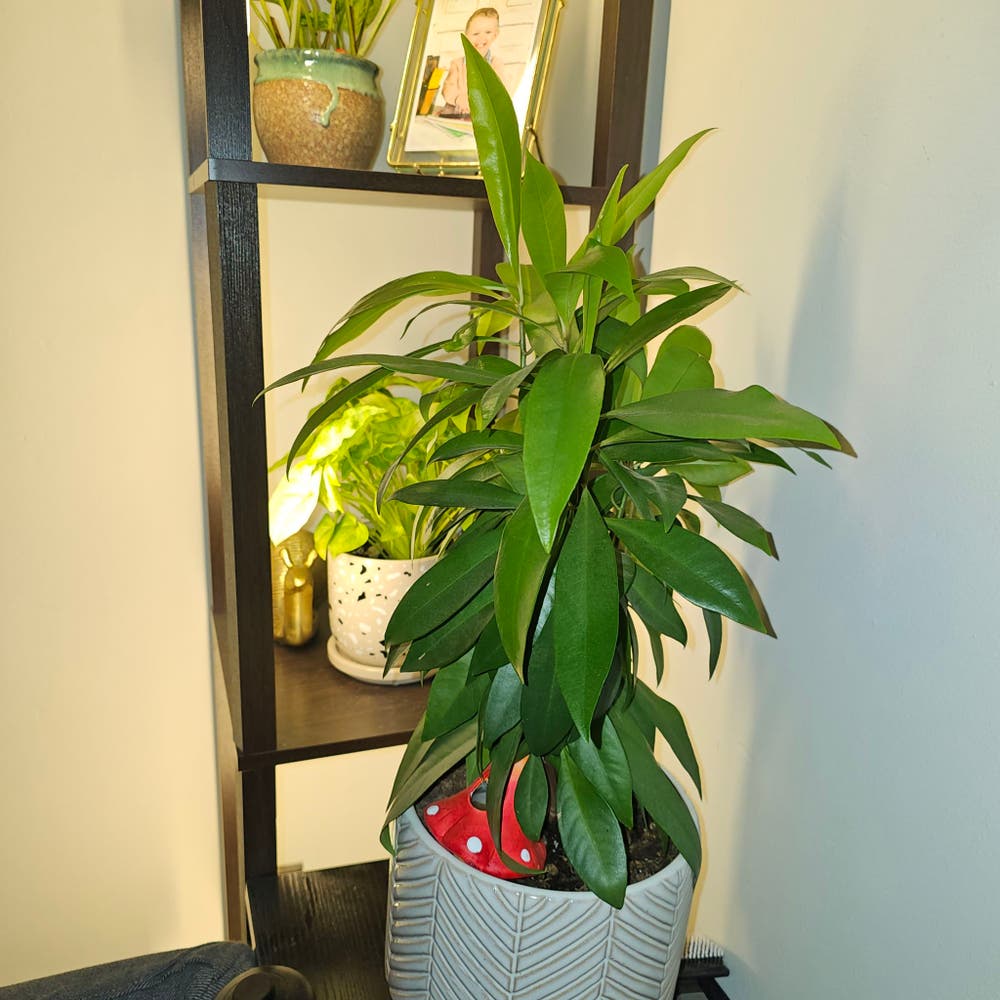
Venosissima Marlberry: A Comprehensive Overview
Ardisia venosissima
By the Greg Editorial Team
Feb 28, 2025•10 min read
This article was created with the help of AI so we can cover more plants for you. May contain errors. See one? Report it here.
- 🌞 Venosissima Marlberry thrives in full sun with high humidity for optimal growth.
- 🌱 Use well-drained, organic-rich soil with a pH of 6.0 to 7.0 for best results.
- 🍽️ Edible leaves offer unique culinary flavors and the plant supports local ecosystems.
How to Grow
Choosing a Location 🌞
To ensure your Venosissima Marlberry thrives, select a spot that receives full sun to partial shade. This plant loves warm, tropical conditions, ideally between 20°C to 30°C (68°F to 86°F), and it flourishes in high humidity levels of 60% or above.
Soil Preparation 🏞️
The right soil is crucial for healthy growth. Aim for well-drained soil rich in organic matter, with a pH level between 6.0 and 7.0. To boost fertility, incorporate compost or well-rotted manure into the soil.
Planting Techniques 🌱
When planting outdoors, space your Marlberry 2-3 feet apart to allow for proper growth. Ensure you plant at the same depth as it was in the nursery pot, and spring is the best time to plant after the last frost.
Watering Requirements 💧
Consistency is key when it comes to watering. Keep the soil moist but not soggy, using drip irrigation or watering at the base to prevent wetting the foliage.
Fertilizing Schedule 🌿
For optimal growth, use a balanced NPK fertilizer (10-10-10). Fertilize every 4-6 weeks during the growing season to keep your plant healthy and vigorous.
Pruning Methods ✂️
Pruning is essential for maintaining your plant's shape and health. The best time to prune is late winter or early spring, before new growth begins. Focus on removing dead or damaged branches and shaping the plant as needed.
Ongoing Care 🔍
Regularly monitor your plant for signs of stress or disease. Adjust your watering and fertilization practices based on seasonal changes to ensure your Marlberry continues to thrive.
With these guidelines, you'll be well on your way to cultivating a healthy and vibrant Venosissima Marlberry. Next, let's explore how to propagate this beautiful plant effectively.
Propagation
🌱 Seed Propagation
To start your Venosissima Marlberry from seeds, soak them in water for 24 hours before planting. This simple step helps kickstart the germination process, which thrives in warm temperatures around 25°C (77°F) and high humidity.
✂️ Cutting Propagation
Cutting propagation is another effective method. Choose healthy stems that are 4-6 inches long, then place them in a moist potting mix. Cover the cuttings with plastic to maintain humidity, creating a mini greenhouse effect that encourages root development.
🌿 Layering Techniques
Layering is a straightforward technique for propagation. Bend a low branch to the ground, cover part of it with soil, and leave the tip exposed. This method allows the buried section to develop roots while still attached to the parent plant, making it an easy way to expand your collection.
With these propagation methods, you can easily multiply your Venosissima Marlberry plants. Whether you choose seeds, cuttings, or layering, each technique offers a unique way to enjoy this beautiful plant. Next, let’s explore the lifecycle of the Venosissima Marlberry and what to expect as it grows.
Lifecycle
Germination Process and Timeline 🌱
Germination of Venosissima Marlberry seeds typically takes about 2-4 weeks under optimal conditions. Providing warmth and moisture is key to kickstarting this exciting phase.
Seedling Stage Characteristics 🌿
During the seedling stage, you'll notice small, tender leaves emerging. These young plants thrive on consistent moisture and warmth to establish a strong foundation.
Vegetative Growth Phase 🌳
The vegetative growth phase lasts around 4-6 months, where the plant experiences rapid leaf and stem growth. This is when you’ll see your Marlberry truly come to life, filling out and reaching for the sun.
Flowering and Seed Production 🌸
Flowers usually appear in late summer, followed closely by seed development. This is a rewarding time, as the plant showcases its beauty while preparing for the next generation.
Lifespan and Growth Rate ⏳
Venosissima Marlberry takes approximately 1-2 years to reach its full size. Its growth rate is moderate, influenced by environmental conditions like light, water, and nutrients, making it a delightful addition to any garden.
As you nurture your Marlberry through its lifecycle, you'll witness its transformation and resilience, paving the way for a flourishing garden. Next, let’s explore how to maximize its growth potential through effective care and maintenance.
Size
Mature Height and Spread 🌳
The Venosissima Marlberry typically reaches a mature height of 3 to 5 feet and spreads 2 to 4 feet wide. This size makes it a versatile choice for various garden settings, providing a lush, vibrant presence.
Growth Rate and Factors Affecting Size 📈
This plant has a moderate growth rate, which can be influenced by several factors. Key elements include light exposure, water availability, and nutrient levels in the soil.
Size Variability Based on Growing Conditions 🌱
The size of the Venosissima Marlberry can vary significantly based on its growing conditions. Plants grown in optimal garden beds often achieve larger dimensions compared to those confined to containers, where growth may be limited.
Understanding these aspects of size can help you better plan your garden layout and ensure your Venosissima Marlberry thrives. Next, let’s explore the root system characteristics that support its growth.
Roots
Root System Characteristics 🌱
The Venosissima Marlberry features a fibrous root system that is essential for its stability and nutrient uptake. Typically, these roots extend 12-18 inches deep and can spread outwards up to 2 feet, allowing the plant to access water and nutrients efficiently.
Common Root-Related Issues ⚠️
Root health is crucial for the overall vitality of the plant. Overwatering can lead to root rot, which manifests as wilting and yellowing leaves. Conversely, when roots fill their container, the plant becomes rootbound, showing signs like stunted growth and circling roots.
Visual Cues for Healthy vs. Unhealthy Roots 👀
Healthy roots are firm, white, and spread throughout the soil, indicating a thriving plant. In contrast, unhealthy roots are dark, mushy, or emit a foul smell, signaling potential rot that needs immediate attention.
Tips for Managing Root Problems 🛠️
To manage root issues effectively, start by recognizing rootbound plants; check for roots emerging from drainage holes. If you notice this, consider repotting into a larger container or pruning the roots to encourage healthier growth.
Understanding the root system of your Venosissima Marlberry is vital for its care and longevity. With proper attention, you can ensure your plant thrives and flourishes in your garden.
Benefits
Top 5 Benefits of Growing 🌱
Aesthetic Appeal: The Venosissima Marlberry boasts glossy leaves and fragrant flowers, making it a stunning addition to any garden. Its vibrant appearance can elevate the overall beauty of your outdoor space.
Pollinator Attraction: This plant is a magnet for bees and butterflies, promoting biodiversity in your garden. By attracting these essential pollinators, you contribute to the health of the local ecosystem.
Culinary Uses: The edible leaves of the Marlberry can be incorporated into local dishes, adding unique flavors to your meals. This versatility makes it a practical choice for both ornamental and culinary gardens.
Medicinal Properties: Historically, the Marlberry has been valued for its potential health benefits. Many cultures have utilized its properties for various medicinal purposes, showcasing its significance beyond mere aesthetics.
Environmental Benefits: Growing Venosissima Marlberry contributes to soil health and ecosystem balance. Its presence can enhance the overall vitality of your garden, supporting a thriving environment for other plants and wildlife.
Cultural Significance and Symbolism 🌍
The Venosissima Marlberry symbolizes resilience and adaptability in traditional practices. Its ability to thrive in diverse conditions reflects the strength and perseverance found in nature, making it a meaningful addition to gardens that honor cultural heritage.
Companion Plants
🌱 Explanation of Companion Planting
Companion planting is a gardening technique that pairs plants together to enhance growth and improve pest management. This practice not only boosts plant health but also fosters a diverse garden ecosystem.
🌼 List of Compatible Companion Plants
When growing Venosissima Marlberry, consider these compatible companions:
- Basil: Thrives in similar conditions and repels pests.
- Marigolds: Their vibrant flowers deter harmful insects.
- Nasturtiums: Attract beneficial insects while providing ground cover.
🚫 Plants to Avoid Planting Near
It's best to steer clear of heavy feeders like corn. These plants compete for nutrients, which can hinder the growth of your Marlberry.
🌍 Discussion on Symbiotic Relationships and Garden Diversity
Companion planting promotes a balanced ecosystem, reducing pest populations and enhancing plant health. By creating a diverse garden, you not only support your plants but also contribute to a thriving environment for pollinators and other beneficial organisms.
This interconnectedness in the garden is essential for maintaining a healthy growing space. As you plan your garden, think about how each plant can support its neighbors, leading to a more resilient and productive landscape.
Problems
Common Problems Faced When Growing 🌱
Growing Venosissima Marlberry can be rewarding, but it comes with its share of challenges. Incorrect watering is a primary concern; overwatering can lead to root rot, while underwatering results in wilting.
Light Conditions ☀️
Light conditions also play a crucial role in plant health. Insufficient light can cause leggy growth, whereas too much sun may scorch the leaves.
Identification and Causes of Issues 🔍
Identifying problems early is key to maintaining a healthy plant. Fungal diseases, such as powdery mildew and black rot, often manifest as white spots or leaf drop.
Leaf Issues 🍃
Leaf yellowing typically indicates nutrient deficiency, while fuzzy growth may signal a fungal infection. Keeping an eye on these signs can help you act swiftly.
Solutions for Each Identified Problem 🛠️
To combat overwatering, allow the soil to dry out between waterings and improve drainage.
Light Adjustment 💡
If light conditions are off, simply move your plant to a location with the appropriate light levels.
Disease Management 🦠
For disease management, consider using fungicides or removing affected leaves to prevent further spread.
By staying vigilant and addressing these common issues, you can ensure your Venosissima Marlberry thrives beautifully. Next, let’s explore potential pest problems that could affect your plant.
Bugs
🐜 Potential Pest Issues Specific to Venosissima Marlberry
While the Venosissima Marlberry is generally resilient, it can still fall victim to certain pests. Keeping an eye out for these intruders is essential for maintaining the health of your plant.
🔍 Identification of Common Pests
Spider Mites
These tiny pests leave fine webbing on leaves, leading to noticeable leaf discoloration. If you spot this webbing, it's a sign that spider mites have made themselves at home.
Aphids
Aphids are small, green insects that can cause significant damage. Look for curled leaves and a sticky residue, which indicates their presence.
⚠️ Damage Caused by Pests and Treatment Options
Pest damage can quickly escalate if not addressed. For spider mites and aphids, treatments like insecticidal soap or neem oil can effectively control their populations.
Additionally, consider introducing beneficial insects like ladybugs into your garden. They are natural predators of aphids and can help keep your Marlberry thriving.
By staying vigilant and taking proactive measures, you can protect your Venosissima Marlberry from these common pests. This will ensure your plant remains healthy and vibrant, ready to flourish in your garden.
Next, let's explore the various animals that may pose a threat to your Marlberry.
What Eats
Common Animals That May Damage 🦌
When growing Venosissima Marlberry, be on the lookout for common culprits like deer and rabbits. Deer often leave behind chewed leaves and broken branches, while rabbits create clean cuts on stems and leaves, indicating their presence.
Signs of Animal Presence and Types of Damage 🐿️
Squirrels can also be a nuisance, showing their activity through bark stripping and digging around the base of the plant. Birds may peck at the fruit or flowers, leaving noticeable marks that can detract from the plant's beauty.
Deterrent Methods for Managing Animal Threats 🚫
To protect your Marlberry, consider using chemical repellents available in stores. Alternatively, you can opt for organic methods, such as planting deterrent herbs or setting up physical barriers like fencing to keep these animals at bay.
By being proactive about potential threats, you can enjoy the beauty and benefits of your Venosissima Marlberry without the worry of unwanted visitors. Now that you’re equipped with knowledge about animal threats, let’s explore common problems faced when growing this plant.
⚠️ Safety First
This content is for general information and may contain errors, omissions, or outdated details. It is not medical, veterinary advice, or an endorsement of therapeutic claims.
Always consult a qualified healthcare professional before using any plant as food, medicine, or supplement.
Never eat any plant (or feed one to pets) without confirming its identity with at least two trusted sources.
If you suspect poisoning, call Poison Control (800) 222-1222, the Pet Poison Helpline (800) 213-6680, or your local emergency service immediately.
Spotted an error? Please report it here.
Grow your Venosissima Marlberry like a pro 🌱 with Greg's tailored watering reminders and expert care tips, ensuring it thrives while you enjoy its culinary and medicinal perks!