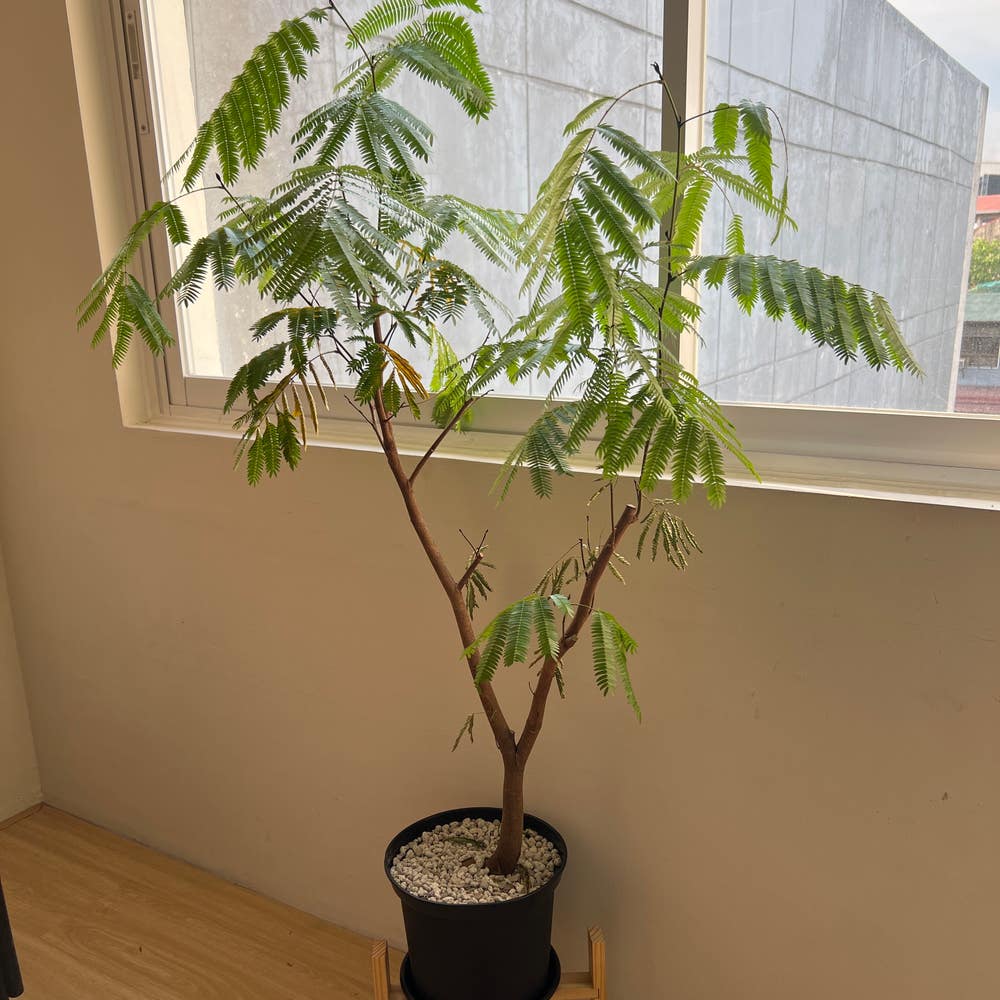
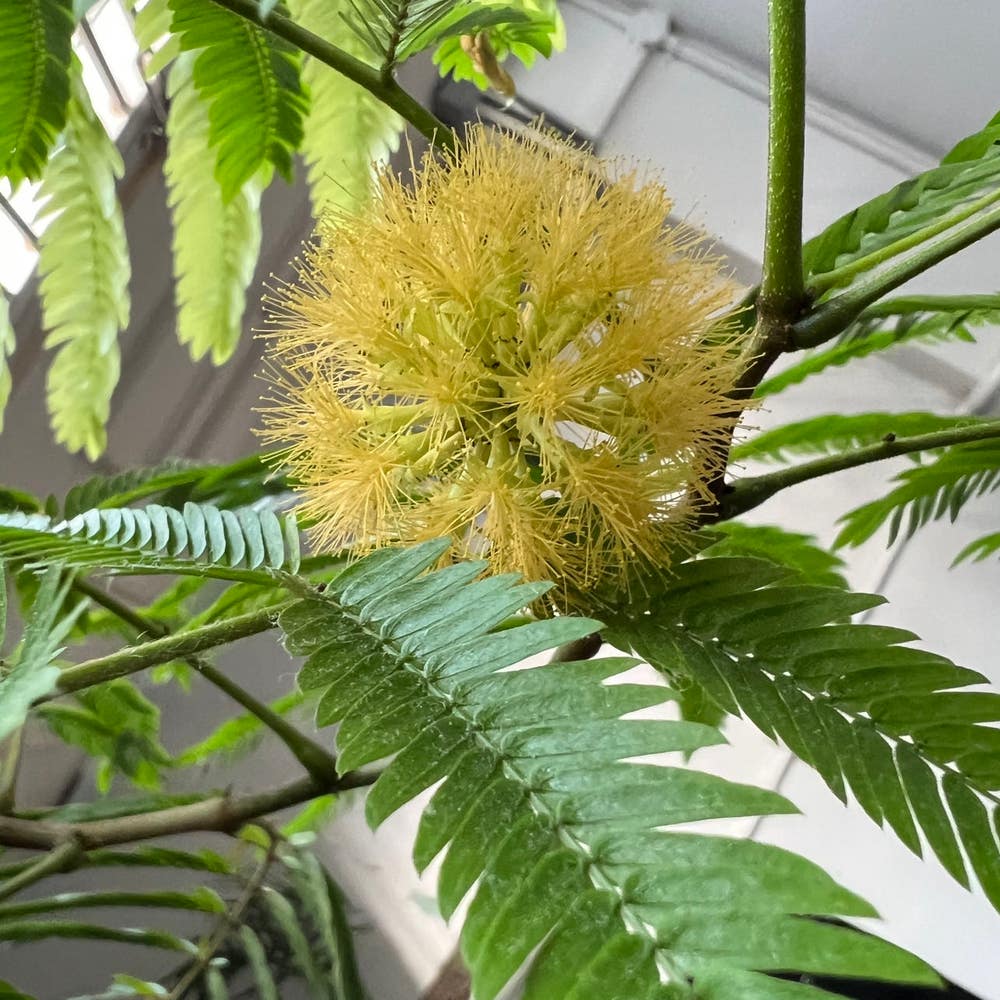
🌳 Understanding Vaughan's Albizia: The Basics
Albizia vaughani
By the Greg Editorial Team
Feb 04, 2025•11 min read
This article was created with the help of AI so we can cover more plants for you. May contain errors. See one? Report it here.
- 🌞 Vaughan's Albizia needs 6-8 hours of sunlight for optimal growth.
- 🌱 Plant in well-drained loam with pH 6.0-7.5 for best results.
- 🌳 Space trees 20-30 feet apart and water deeply after planting for establishment.
How to Grow
Choosing a Location 🌞
When selecting a spot for Vaughan's Albizia, aim for full sun to partial shade, ideally receiving 6-8 hours of direct sunlight daily. Additionally, consider wind protection and ensure there's ample space for the tree's growth.
Soil Preparation 🌱
Vaughan's Albizia thrives in well-drained, fertile loam. Aim for a soil pH between 6.0 and 7.5, and enhance soil fertility by incorporating organic matter before planting.
Planting Techniques 🌳
The best time to plant is early spring or fall. Ensure the planting depth matches that of the nursery container, and space the trees 20-30 feet apart to accommodate their mature size.
Watering Requirements 💧
Immediately after planting, give your Albizia a deep watering to establish roots. During dry spells, water weekly, but reduce frequency once the tree is well-established.
Fertilizing Schedule 🌼
Use a balanced NPK fertilizer to nourish your tree. Fertilize in early spring and again in mid-summer for optimal growth.
Pruning Methods ✂️
Late winter or early spring is the ideal time to prune before new growth begins. Focus on removing dead or crossing branches to improve airflow and overall health.
Ongoing Care Tips 🛠️
Applying organic mulch around the base helps retain moisture and suppress weeds. Regularly monitor your tree for pests and diseases to catch any issues early.
With these steps, you'll set your Vaughan's Albizia up for a thriving life. Next, let’s explore how to propagate this beautiful tree for even more growth opportunities.
Propagation
🌱 Seed Propagation
To start propagating Vaughan's Albizia from seeds, begin by soaking them in water for 24 hours. This simple step helps to kickstart the germination process, which typically takes 2-4 weeks under optimal conditions.
✂️ Cutting Propagation
Another effective method is through cuttings. Select healthy stem cuttings that are 6-8 inches long, ensuring they are robust and disease-free.
Rooting Medium
For the best results, use a mix of perlite and peat moss as your rooting medium. This combination provides excellent drainage and aeration, crucial for healthy root development.
Rooting Time
Expect rooting to take about 4-6 weeks in a humid environment. Keeping the cuttings moist and warm will promote faster root growth, setting you up for success.
With these propagation techniques, you can easily expand your Vaughan's Albizia collection. Next, let’s explore the fascinating lifecycle of this resilient tree.
Lifecycle
🌱 Overview of Life Cycle Stages
Vaughan's Albizia is a perennial tree that boasts a lifespan of 30 to 50 years. This longevity allows it to thrive and contribute to the ecosystem over several decades.
🌡️ Germination Process
For successful seed germination, maintain an optimal temperature of 70°F (21°C). This warmth encourages the seeds to sprout and begin their journey.
🌿 Seedling Stage
The seedling stage lasts about 1 to 2 years, during which young plants develop roots and leaves. This period is crucial for establishing a strong foundation before transplanting.
🌳 Vegetative Growth
In the first 5 to 10 years, Vaughan's Albizia experiences rapid growth. During this phase, the tree can add 2 to 3 feet in height annually, making it a fast-growing addition to any landscape.
🌸 Flowering and Seed Production
Expect flowering to occur from late spring to early summer. Seed production typically begins around 3 to 5 years of age, ensuring the continuation of this beautiful species.
⏳ Growth Timeline and Lifespan
Full maturity is reached within 5 to 10 years, marking the tree's transition into its prime. With a fast growth rate, Vaughan's Albizia becomes a striking presence in gardens and parks alike.
As we explore the lifecycle of Vaughan's Albizia, it's essential to consider how its growth and development can impact your gardening plans. Next, let's delve into the size of this remarkable tree and what to expect as it matures.
Size
Mature Height and Spread 🌳
Vaughan's Albizia can reach impressive heights, typically growing between 20 to 40 feet tall. Its mature spread can extend from 30 to 50 feet, creating a stunning canopy that provides ample shade.
Growth Rate and Size Variability ⚡️
This tree is known for its fast growth rate, which can be significantly influenced by the quality of the soil and the amount of sunlight it receives. Optimal conditions can lead to rapid height increases, making it a popular choice for those looking to establish a lush landscape quickly.
Factors Affecting Size 🌍
Several environmental conditions play a crucial role in determining the size of Vaughan's Albizia. Key factors include soil quality, water availability, and sunlight exposure, all of which can enhance or inhibit its growth potential.
Understanding these aspects will help you cultivate a thriving Vaughan's Albizia that not only beautifies your space but also flourishes in its environment. Next, we’ll explore the fascinating root system characteristics of this remarkable tree.
Roots
🌱 Root System Characteristics
Vaughan's Albizia features a fibrous root system that is typically shallow but spreads extensively. This adaptability allows the tree to anchor itself well while accessing nutrients from a broad area.
⚠️ Common Root-Related Issues
One common issue is rootbound conditions, which occur when the roots outgrow their container. This can lead to stunted growth and overall health decline if not addressed promptly.
👀 Identifying Healthy vs. Unhealthy Roots
Healthy roots are firm, white, and spread evenly throughout the soil. In contrast, unhealthy roots appear dark, mushy, or excessively tangled, indicating potential problems.
🌳 Managing Rootbound Plants
Signs of a rootbound plant include stunted growth and circling roots. To remedy this, consider repotting into a larger container or planting directly in the ground to give the roots more space to thrive.
Understanding the root system of Vaughan's Albizia is crucial for ensuring its health and longevity. Proper management can lead to a flourishing tree that enhances your landscape beautifully.
Benefits
Top 5 Benefits of Vaughan's Albizia 🌳
Vaughan's Albizia is more than just a pretty tree; it offers a range of benefits that make it a fantastic addition to any landscape.
Ornamental Value
With its stunning flowers and lush foliage, Vaughan's Albizia enhances the aesthetic appeal of gardens and yards. Its vibrant blooms can serve as a focal point, drawing the eye and elevating the overall beauty of your outdoor space.
Attracts Pollinators
This tree is a magnet for pollinators like bees and butterflies. By planting Vaughan's Albizia, you contribute to the health of local ecosystems, supporting these essential creatures that play a crucial role in our food supply.
Shade Provider
Vaughan's Albizia boasts a broad canopy that provides significant shade. This makes it an excellent choice for creating cool, comfortable outdoor spaces, perfect for relaxation or gatherings during hot summer days.
Erosion Control
The extensive root system of Vaughan's Albizia helps stabilize soil, preventing erosion. This is particularly beneficial in areas prone to soil degradation, making it a practical choice for landscaping on slopes or near water bodies.
Cultural Significance
In various cultures, Vaughan's Albizia is valued not just for its beauty but also for its symbolism. It represents resilience and grace, making it a meaningful addition to gardens that reflect personal values and heritage.
Incorporating Vaughan's Albizia into your landscape not only enhances its beauty but also supports the environment and adds cultural depth. Next, let’s explore how to propagate this remarkable tree for your own garden.
Companion Plants
🌱 Concept of Companion Planting
Companion planting is a gardening strategy that promotes diversity and enhances pest management. By pairing plants that benefit each other, you can create a healthier and more vibrant garden ecosystem.
🌼 Best Companion Plants
When growing Vaughan's Albizia, consider companions like lavender, marigolds, and bee balm. These plants not only repel pests but also add visual interest with their contrasting colors and textures.
🚫 Plants to Avoid
Be cautious with plants that require heavy shade or compete for nutrients. These can hinder the growth of your Albizia and disrupt the balance of your garden.
By thoughtfully selecting companion plants, you can enhance the health and beauty of your garden while enjoying the many benefits Vaughan's Albizia has to offer. Next, let’s explore the potential toxicity of this tree to humans and pets.
Toxicity to Humans
Vaughan's Albizia is generally considered safe for humans and is not listed as toxic by major health organizations. This makes it a great addition to your garden without the worry of harmful effects.
However, there are potential minor issues to be aware of. Some individuals may experience mild skin irritation or digestive discomfort if they consume the plant excessively.
⚠️ Caution is Key
It's always wise to exercise caution with any plant. If you notice unusual symptoms after contact or ingestion, seek medical advice promptly.
By staying informed and cautious, you can enjoy the beauty of Vaughan's Albizia while minimizing any risks.
Toxicity to Dogs
Vaughan's Albizia is generally safe for dogs, as it is not listed as toxic by major pet poison control centers. This means you can enjoy its beauty in your garden without worrying too much about your furry friends.
However, it's important to note that excessive consumption of any plant can lead to mild gastrointestinal upset. To keep your dog safe, ensure that the plant is out of reach and monitor their behavior around it.
If you notice any unusual symptoms after your dog has been near the plant, consult your veterinarian for advice. Keeping a close eye on your pet will help you enjoy your garden while ensuring their well-being.
As we move forward, let’s explore how Vaughan's Albizia interacts with our feline friends.
Toxicity to Cats
Vaughan's Albizia is generally safe for cats, as it is not listed as toxic by major pet poison control centers. However, like many plants, it can cause mild gastrointestinal upset if consumed in large quantities.
🐾 Monitoring Your Cat
It's always a good idea to keep an eye on your feline friend around this plant. If you notice any unusual behavior or symptoms after contact or ingestion, consult your veterinarian for advice.
🏡 Keeping Cats Safe
To ensure your cat's safety, consider placing Vaughan's Albizia out of reach. This simple precaution can help prevent any potential issues and keep your pet happy and healthy.
As you enjoy the beauty of Vaughan's Albizia in your garden, remember that a little vigilance goes a long way in keeping your furry companions safe.
Problems
Common Problems with Vaughan's Albizia 🌳
Growing Vaughan's Albizia can be rewarding, but it's essential to be aware of common problems that may arise. Understanding these issues can help you maintain a healthy and thriving tree.
Incorrect Watering 🚰
Watering is crucial for your tree's health. Overwatering often leads to yellowing leaves, while underwatering can cause drooping leaves.
Incorrect Light Conditions ☀️
Light exposure plays a significant role in growth. Too much sun can scorch the leaves, whereas too little light can result in leggy growth.
Diseases 🦠
Fungal diseases can pose a threat to Vaughan's Albizia. Watch out for powdery mildew and root rot, which can compromise the tree's health.
Leaf Issues 🍃
Keep an eye on the leaves for signs of distress. Scorching, yellowing, or fuzzy growth can indicate underlying problems that need addressing.
Growth Problems 📉
Growth issues can manifest in various ways. Stunted growth or leaning can occur if the tree lacks proper support or nutrients.
By being vigilant and proactive, you can tackle these common problems effectively. This will ensure your Vaughan's Albizia remains a beautiful and resilient addition to your landscape.
Next, let's explore potential pest issues that may affect your tree.
Bugs
🐛 Potential Pest Issues
Vaughan's Albizia is generally known for its moderate pest resistance. However, it can still fall prey to certain pests that may affect its health.
🔍 Identifying Pests and Damage
Common pests that target this tree include spider mites, aphids, and whiteflies. Signs of their presence often manifest as leaf discoloration, wilting, and stunted growth, which can be concerning for any gardener.
🧪 Treatment Options
For those looking to manage pests organically, neem oil and insecticidal soap are effective choices. In cases of severe infestations, targeted chemical pesticides can provide a more immediate solution, but always use them judiciously.
Understanding these pest issues is crucial for maintaining the health of your Vaughan's Albizia. By staying vigilant and proactive, you can ensure your tree thrives beautifully in your garden.
What Eats
🦌 Common Animals
Vaughan's Albizia can attract a variety of wildlife. Deer, rabbits, squirrels, and rodents often find the leaves and bark quite tasty.
🕵️♂️ Signs of Animal Presence
If you suspect animals are munching on your tree, look for telltale signs. Tracks, droppings, and chewed foliage can indicate their presence.
⚠️ Damage Caused
Feeding on the leaves and bark can lead to significant issues. This browsing behavior may stunt the growth of your Albizia, affecting its overall health and vitality.
🚧 Deterrent Methods
To protect your tree, consider implementing some deterrent methods. Chemical repellents can help, but physical barriers like fencing or netting are often the most effective solutions.
By keeping an eye out for these common animals and taking proactive measures, you can ensure your Vaughan's Albizia thrives in your garden. Next, let’s explore the potential pest issues that may arise with this beautiful tree.
⚠️ Safety First
This content is for general information and may contain errors, omissions, or outdated details. It is not medical, veterinary advice, or an endorsement of therapeutic claims.
Always consult a qualified healthcare professional before using any plant as food, medicine, or supplement.
Never eat any plant (or feed one to pets) without confirming its identity with at least two trusted sources.
If you suspect poisoning, call Poison Control (800) 222-1222, the Pet Poison Helpline (800) 213-6680, or your local emergency service immediately.
Spotted an error? Please report it here.
Nurture your Vaughan's Albizia to thrive beautifully 🌳 for years to come with Greg's tailored care reminders and expert tips that ensure it gets the perfect sunlight, water, and nutrients!