🎨 All About Variegated Splash Helichrysum: Essential Facts
Helichrysum petiolare 'Variegated Splash'
By the Greg Editorial Team
Feb 28, 2025•10 min read
This article was created with the help of AI so we can cover more plants for you. May contain errors. See one? Report it here.
Elevate your garden's beauty and attract pollinators with the vibrant, low-maintenance Variegated Splash Helichrysum! 🌼
- 🌞 Variegated Splash Helichrysum needs 6-8 hours of sunlight for optimal growth.
- 🌱 Well-draining soil with pH 6.0-7.0 is essential for healthy plants.
- 🐝 Attracts pollinators while being low maintenance, perfect for busy gardeners!
How to Grow
🌞 Choosing a Location
To thrive, Variegated Splash Helichrysum needs full sun, ideally basking in 6 to 8 hours of sunlight daily. It flourishes in warm climates, with temperatures ranging from 20°C to 30°C (68°F to 86°F) being most favorable.
🌱 Soil Preparation
This plant prefers well-draining soil, ideally sandy or loamy. Aim for a slightly acidic to neutral pH, between 6.0 and 7.0, to ensure optimal growth.
🌼 Planting Techniques
When planting, space your helichrysum 12 to 18 inches apart to allow for healthy growth. Make sure to plant at the same depth as it was in the nursery pot to avoid stress on the roots.
💧 Watering Guidelines
Water your plants when the top inch of soil feels dry to the touch. Ensure thorough soaking, but avoid waterlogging, which can lead to root issues.
🌿 Fertilizing Recommendations
Use a balanced, slow-release fertilizer to nourish your plants. Fertilize every 4 to 6 weeks during the growing season for best results.
✂️ Pruning and Ongoing Care
Regular deadheading—removing spent flowers—encourages new blooms and keeps your plant looking fresh. Additionally, routinely check for pests and diseases to maintain plant health.
With these straightforward guidelines, you'll be well on your way to cultivating a vibrant display of Variegated Splash Helichrysum in your garden! Next, let’s explore how to propagate this beautiful plant.
Propagation
🌱 Methods of Propagation
Variegated Splash Helichrysum can be propagated through two primary methods: seeds and cuttings. Both methods are straightforward and can lead to successful new plants.
📋 Step-by-Step Instructions for Each Method
1. Seeds
- Start by sowing seeds in a seed tray filled with well-draining soil.
- Lightly cover the seeds and keep the soil moist until germination occurs.
2. Cuttings
- Choose healthy stems that are 4-6 inches long for cuttings.
- Remove the lower leaves and place the cuttings in a suitable rooting medium.
- Keep the cuttings moist and in indirect light until roots develop.
💡 Tips for Successful Propagation
To ensure successful propagation, always use sterile tools to prevent disease. Additionally, maintain humidity for the cuttings by covering them with a plastic bag or dome, which helps create a mini greenhouse effect.
With these methods and tips, you can easily expand your collection of Variegated Splash Helichrysum. Next, let’s explore the size of these vibrant plants and what to expect as they mature.
Size
Mature Height and Spread 🌱
Variegated Splash Helichrysum typically reaches a mature height of 12 to 24 inches. Its spread can range from 12 to 18 inches, making it a compact yet visually striking addition to any garden.
Growth Rate and Size Variability Based on Conditions 🌦️
The growth rate of this plant can fluctuate significantly based on environmental factors. Adequate sunlight, water, and quality soil are crucial; plants may be smaller in shaded areas or poor soil conditions.
Understanding these size dynamics helps you plan your garden layout effectively. By ensuring optimal conditions, you can enjoy the full potential of your Variegated Splash Helichrysum.
As we explore the next section, we'll delve into the roots of this fascinating plant and their characteristics.
Roots
Characteristics of the Root System 🌱
The Variegated Splash Helichrysum features a fibrous root system that is both efficient and adaptable. Typically, the roots are shallow, extending only 6-12 inches deep, but they can spread laterally up to 18 inches, allowing the plant to access nutrients and water effectively.
Common Root-Related Issues ⚠️
While this plant is generally resilient, it can face a couple of common root-related issues. Root rot, often caused by overwatering, leads to mushy roots and can be detrimental to plant health. Additionally, plants can become rootbound when their roots fill the container, resulting in stunted growth and poor overall vigor.
Tips for Managing Root Problems 🛠️
To manage root problems effectively, it's crucial to recognize the signs of rootbound plants. If you see roots growing out of the drainage holes, it’s time to take action. Solutions include repotting the plant into a larger container or trimming the roots if necessary, ensuring your Helichrysum continues to thrive.
With proper attention to its root system, your Variegated Splash Helichrysum can flourish beautifully. Next, let's explore the numerous benefits of growing this stunning plant in your garden.
Benefits
🌵 Drought Tolerance
Variegated Splash Helichrysum is a champion when it comes to drought resistance. Once established, it requires significantly less water, making it a perfect choice for water-wise gardens.
🐝 Attracts Pollinators
This plant's vibrant flowers are a magnet for pollinators. Bees and butterflies flock to its blooms, enhancing the biodiversity of your garden.
🌿 Ornamental Appeal
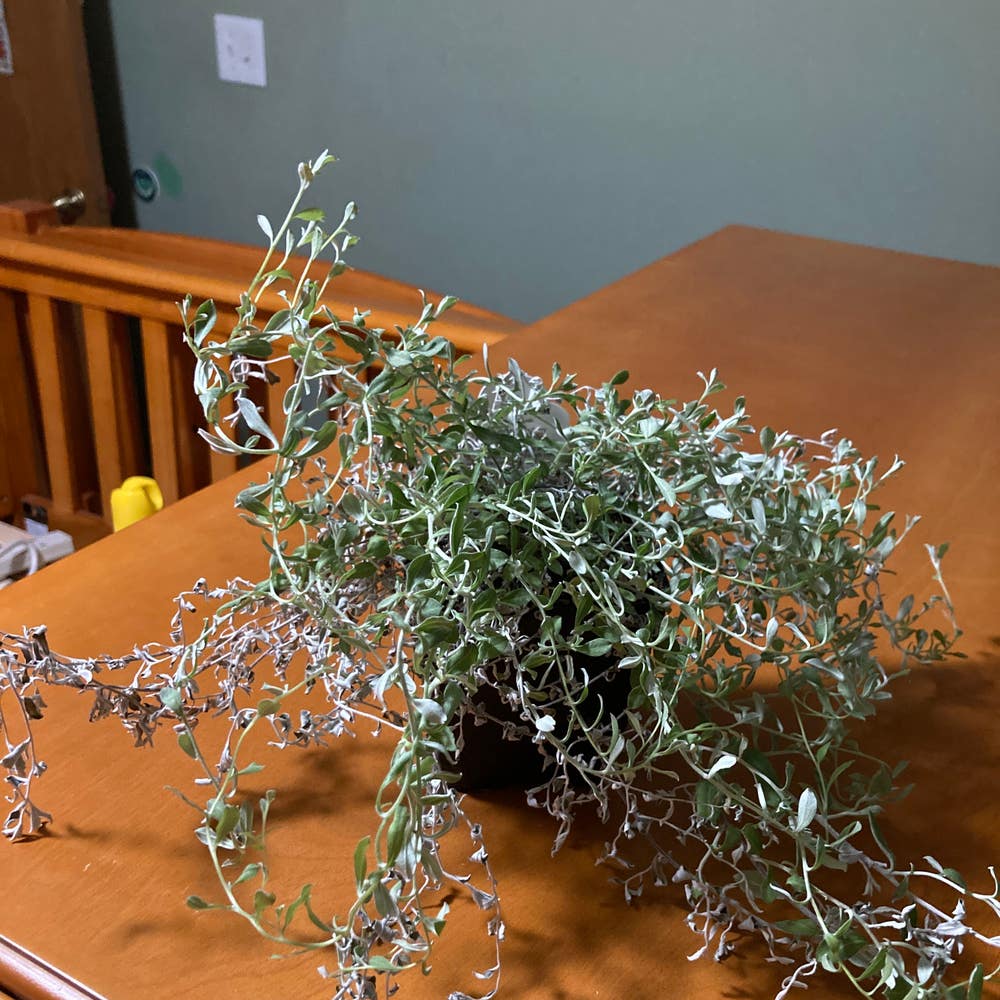
With its unique variegated foliage, Variegated Splash Helichrysum adds a striking visual element to any landscape. Its colorful leaves can brighten up even the dullest corners of your garden.
🎨 Versatile Use
This plant is incredibly adaptable. Whether you want to use it in borders, containers, or xeriscaping, it fits seamlessly into various garden designs.
🧑🌾 Low Maintenance
Once established, Variegated Splash Helichrysum requires minimal care. This makes it an excellent choice for busy gardeners or those new to gardening.
Incorporating Variegated Splash Helichrysum into your garden not only enhances its beauty but also supports local wildlife and reduces water usage. Next, let’s explore the best companion plants to pair with this stunning variety.
Companion Plants
🌱 Explanation of Companion Planting and Its Benefits
Companion planting is a gardening strategy that enhances biodiversity and promotes healthy growth. By pairing compatible plants, you can create a thriving ecosystem that supports pest control and improves overall plant health.
🌼 List of Compatible Plants
- Lavender: This fragrant herb shares similar care needs and has pest-repellent properties, making it an excellent companion.
- Marigolds: Known for their vibrant blooms, marigolds help deter pests while attracting beneficial insects to your garden.
- Sedum: With its drought tolerance and aesthetic appeal, sedum complements variegated splash helichrysum beautifully.
🚫 Plants to Avoid Planting Near
When planning your garden, steer clear of heavy feeders like tomatoes. These plants compete for nutrients and water, potentially stunting the growth of your helichrysum.
By strategically selecting companion plants, you can create a flourishing garden that not only looks great but also thrives with minimal intervention. This thoughtful approach to planting can lead to a more resilient and vibrant garden space.
Toxicity to Humans
🛡️ Safety of Variegated Splash Helichrysum for Humans
Variegated Splash Helichrysum is generally safe for humans. It is not listed as toxic by major poison control centers, making it a worry-free addition to your garden.
However, there are a couple of minor issues to keep in mind. Excessive contact with the plant may cause mild skin irritation, and consuming large quantities could lead to minor digestive discomfort.
Always exercise caution when handling any plant. If you experience unusual symptoms, it's best to seek medical advice to ensure your safety.
With this knowledge, you can enjoy the beauty of Variegated Splash Helichrysum without unnecessary concern. Now, let’s explore how this plant interacts with our furry friends!
Toxicity to Dogs
🐶 Safety of Variegated Splash Helichrysum for Dogs
Variegated Splash Helichrysum is generally safe for dogs. Major pet poison control centers do not list it as toxic.
However, if your dog consumes large quantities, it may experience mild gastrointestinal upset. Keep an eye on your furry friend to ensure they don’t overindulge.
🌱 Tips for Introducing
When introducing this plant to your garden, consider its placement carefully. Monitor your dog's behavior around the plant to prevent any unwanted munching.
If you notice any signs of discomfort, consult your veterinarian for advice. With a little caution, you can enjoy the beauty of Variegated Splash Helichrysum without worry.
This plant can be a lovely addition to your garden, enhancing both aesthetics and safety for your pets.
Toxicity to Cats
Safety of Variegated Splash Helichrysum for Cats 🐱
Variegated Splash Helichrysum is not considered toxic to cats according to major pet poison control centers. However, if your feline friend indulges in large quantities, it may experience mild gastrointestinal upset.
Tips for Introducing 🌱
When introducing this plant to your home, consider its placement carefully. Monitor your cat's behavior around the plant to ensure they don't overindulge.
Conclusion 🏡
With proper care and attention, Variegated Splash Helichrysum can be a safe and beautiful addition to your garden, even in homes with curious cats. Always prioritize your pet's health by observing their interactions with new plants.
Problems
🌱 Common Problems Faced When Growing
Growing Variegated Splash Helichrysum can be rewarding, but it’s not without its challenges. The most common issues include incorrect watering, light conditions, and temperature.
- Incorrect Watering: Overwatering can lead to root rot, while underwatering results in wilting.
- Incorrect Light Conditions: Insufficient light can cause leggy growth, making the plant look sparse.
- Incorrect Temperature: Cold temperatures can stunt growth, preventing your plant from thriving.
🔍 Identification and Causes of Issues
Identifying problems early can save your plant from serious damage. Here’s what to look for:
- Overwatered: Yellowing leaves and mushy roots are telltale signs of overwatering.
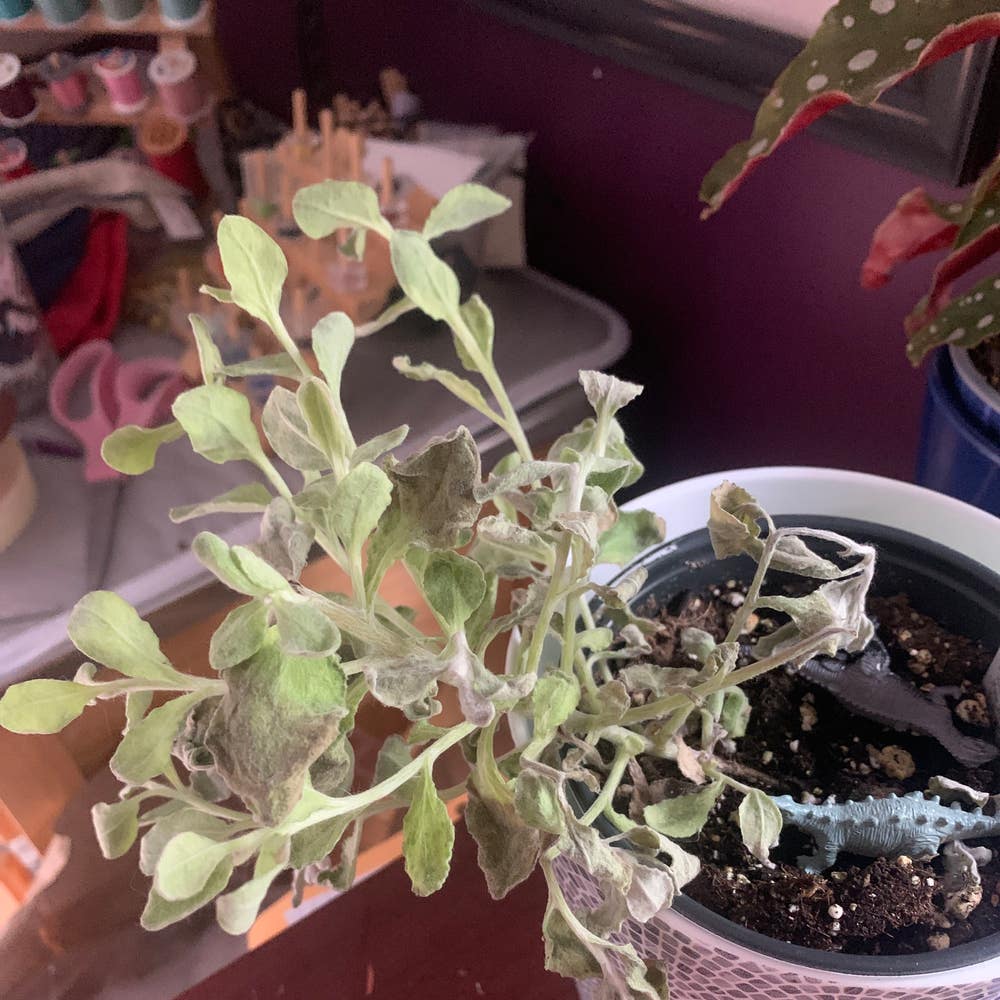
- Underwatered: If you notice wilting and crispy leaf edges, your plant is likely underwatered.
🛠️ Solutions for Resolving Problems
Addressing these issues promptly can restore your plant's health. Here are some practical solutions:
- Adjust Watering Schedule: Check the soil moisture regularly and water accordingly.
- Optimize Light Exposure: Move your plant to a sunnier location or provide shade if it’s getting too much direct sunlight.
By staying vigilant and responsive to your plant's needs, you can enjoy a flourishing Variegated Splash Helichrysum. Next, let’s explore the potential pest issues that may arise while caring for your plant.
Bugs
🐛 Potential Pest Issues
While Variegated Splash Helichrysum is generally pest-resistant, it can still attract a few unwelcome guests. Keeping an eye out for these pests can help maintain the health of your plants.
🔍 Identification and Damage Caused by Pests
- Spider Mites: Look for fine webbing on the leaves and stippled damage, which indicates these tiny pests are at work.
- Mealybugs: These pests leave behind cotton-like masses on stems and leaves, making them easy to spot.
🧪 Effective Treatment Options for Pest Management
To combat these pests effectively, consider using:
- Neem Oil: This natural pesticide is excellent for controlling infestations without harming beneficial insects.
- Insecticidal Soap: This option works well against soft-bodied pests like mealybugs, providing a straightforward solution to your pest problems.
By staying vigilant and using these treatments, you can keep your Variegated Splash Helichrysum thriving and beautiful. Next, let's explore the common problems you might face while growing this stunning plant.
What Eats Variegated Splash Helichrysum
🦌 Common Animals That May Damage the Plant
Variegated Splash Helichrysum can attract a few hungry visitors. Deer are notorious for munching on these plants, leaving behind chewed leaves and stems as evidence of their feast.
Rabbits also enjoy a nibble, particularly on the lower foliage. Their presence can often be detected by the telltale signs of their snacking habits.
🕵️♂️ Signs of Animal Presence and Damage
To identify if animals are causing trouble, look for tracks or droppings near your plants. Missing or damaged leaves are another clear indicator that your Helichrysum has been targeted.
🚫 Methods for Deterring or Managing These Animals
Preventing damage starts with effective deterrents. Installing fencing around your garden can create a physical barrier to keep larger animals like deer at bay.
Additionally, using repellents can be quite effective. You can opt for commercial products or make your own, such as a garlic spray, to keep those pesky critters from snacking on your plants.
By taking these steps, you can protect your Variegated Splash Helichrysum and ensure it thrives in your garden.
⚠️ Safety First
This content is for general information and may contain errors, omissions, or outdated details. It is not medical, veterinary advice, or an endorsement of therapeutic claims.
Always consult a qualified healthcare professional before using any plant as food, medicine, or supplement.
Never eat any plant (or feed one to pets) without confirming its identity with at least two trusted sources.
If you suspect poisoning, call Poison Control (800) 222-1222, the Pet Poison Helpline (800) 213-6680, or your local emergency service immediately.
Spotted an error? Please report it here.
Nurture your Variegated Splash Helichrysum to bloom beautifully 🌼 with Greg's tailored watering reminders and expert care tips that ensure your garden flourishes!