Why Are My Trailing Lantana Leaves Falling Over?
Lantana montevidensis
By the Greg Editorial Team
Jun 18, 2024•4 min read
This article was created with the help of AI so we can cover more plants for you. May contain errors. See one? Report it here.
Prevent a plant panic 🌿 by learning why your Trailing Lantana's leaves are toppling—and how to fix it!
- Wilting or color change signals distress; check for over/underwatering.
- Root health and soil drainage are crucial to prevent leaf drop.
- Adjust care seasonally and monitor environment for Trailing Lantana health.
Spotting the Warning Signs
🚩 Early Indicators of Distress
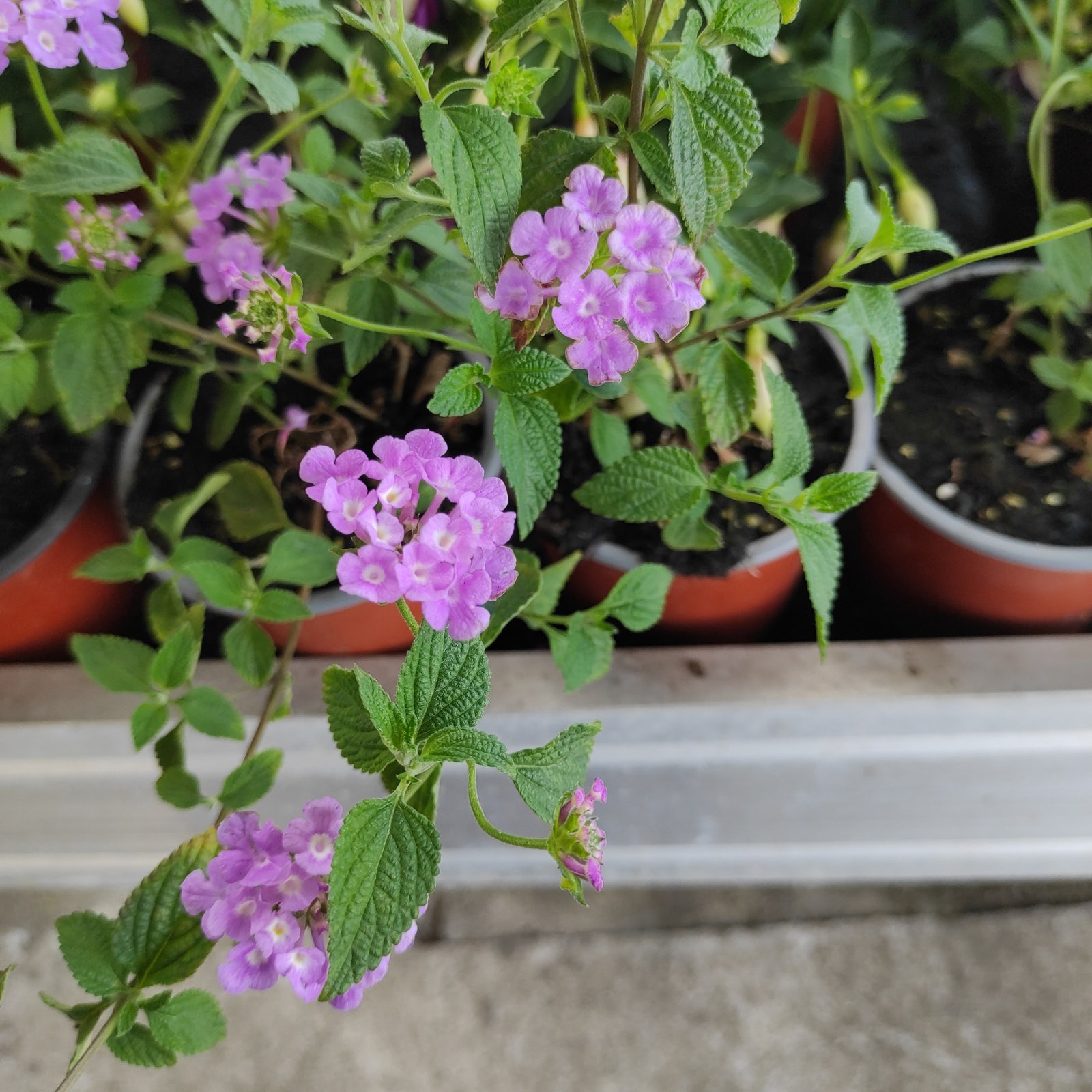
Leaves don't just change color or texture for fun; it's a distress signal. If your Trailing Lantana's leaves are starting to look like they've seen better days, it's time to play plant detective. Wilting or drooping is like the plant's version of a white flag before the leaves hit the deck.
🛠 Assessing Plant Stability
Weak stems and poor root health are the equivalent of a shaky foundation in the plant world. Gently tug on the plant; if it feels like it's going to lift off like a rocket, you've got stability issues. Check the roots for signs of rot or damage—they should be firm, not mushy like overcooked noodles.
Pinpointing the Culprits
💧 Water Woes
Overwatering and underwatering are the sneakiest villains in the Trailing Lantana drama. Overzealous watering turns roots to mush, and your plant's leaves start waving white flags before dropping in defeat. On the flip side, a parched Lantana is a sad sight, with leaves drying out and bidding adieu.
Signs of overwatering include yellowing leaves and a soil consistency that's more swamp than sanctuary. Underwatering clues are all about the crunch, with leaves feeling like fall leaves and soil as dry as a desert.
Soil and Root Troubles
The soil is the Lantana's stage, and poor quality soil is like a bad actor, ruining the whole performance. Good drainage is key; without it, you're setting the scene for root rot, where roots start to decay and leaves fall faster than actors in a Shakespearean tragedy.
To spot root rot, look for roots that are darker than a stormy sky and squishier than overcooked noodles. If the soil smells like it's fermenting, that's your cue to take action.
Climate and Exposure
Lantana is a bit of a Goldilocks when it comes to climate; it doesn't like it too hot or too cold. Temperature fluctuations can make your plant throw a fit, with leaves dropping as if they're on strike.
Light levels matter too. Too much sun and your Lantana might start to sunburn, too little and it'll start to sulk. Aim for that sweet spot of bright, indirect light where your Lantana can bask without baking.

First Aid for Fallen Leaves
💧 Balancing the Watering Regimen
Trailing Lantana's watering needs are deceptively simple: too much, and you're in a soggy mess; too little, and you're left with a wilted heap. Here's how to hit the sweet spot:
- Check soil moisture by diving a finger into the dirt up to the second knuckle. If it's dry, it's time to water.
- Water deeply but infrequently, ensuring the plant gets a good drink without becoming waterlogged.
- In the heat of summer, weekly watering is your baseline. Adjust based on rainfall and temperature.
- Reduce frequency as the weather cools; overwintered plants need less.
🌱 Revitalizing the Soil
Lantana loves to lounge in well-drained soil. If yours is holding water like a sponge, it's time for an intervention:
- Loosen up compacted soil by digging and turning it over.
- Mix in some compost or perlite to improve drainage and aeration.
- When repotting, choose a pot with ample drainage holes to avoid standing water.
☀️ Creating an Ideal Environment
Think of your Trailing Lantana as a sunbathing beauty that hates a chill:
- Full sun is the name of the game; partial shade is tolerated but not ideal.
- Shield your plant from harsh winds that can lead to rapid dehydration.
- If temperatures threaten to drop, consider moving potted plants indoors or providing some form of protection.
- Remember, this plant is a bit of a diva with temperature, preferring a cozy range between 65-90ºF.

Keeping Leaves Lush and Lifted
🌡️ Routine Checks and Balances
Monitoring moisture levels is crucial; your plant's thirst isn't constant. Use a moisture meter or the finger test to ensure the soil is neither a desert nor a swamp. Regular pruning keeps your Trailing Lantana in top shape, preventing the weight of excess growth from pulling down your plant's posture.
🌸 Seasonal Adjustments
As seasons change, so should your care routine. Water less during the cooler months when your Lantana's growth slows, and increase watering as temperatures rise. Adjust fertilization too; a balanced, water-soluble fertilizer every few months during the growing season will keep leaves perky. Remember, your plant doesn't need a tan; ensure it receives the right amount of light without getting scorched.
⚠️ Safety First
This content is for general information and may contain errors, omissions, or outdated details. It is not medical, veterinary advice, or an endorsement of therapeutic claims.
Always consult a qualified healthcare professional before using any plant as food, medicine, or supplement.
Never eat any plant (or feed one to pets) without confirming its identity with at least two trusted sources.
If you suspect poisoning, call Poison Control (800) 222-1222, the Pet Poison Helpline (800) 213-6680, or your local emergency service immediately.
Spotted an error? Please report it here.
Keep your Trailing Lantana thriving 🌿 by using Greg to monitor moisture levels and adjust care routines seasonally for optimal health and beauty.


