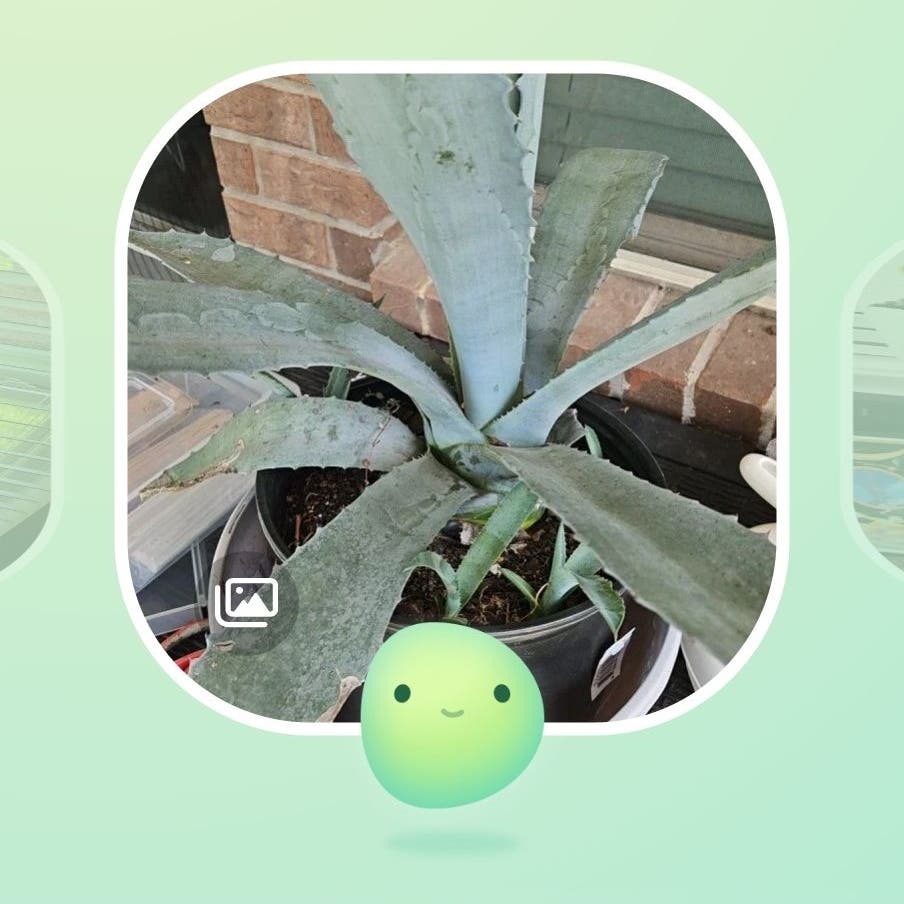
How Do I Fix Thorn-Crested Century Plant Root Rot?
Agave univittata
By the Greg Editorial Team
Jun 18, 2024•4 min read
This article was created with the help of AI so we can cover more plants for you. May contain errors. See one? Report it here.
Rescue your wilting Thorn-Crested Century Plant 🌵 from root rot and ensure its future flourish with this guide.
- Yellow leaves and wilting signal root rot; act fast.
- Overwatering and poor drainage are root rot culprits; adjust care.
- Trim damaged roots, disinfect, and repot with well-draining soil for recovery.
Spotting the Red Flags: Symptoms of Root Rot
🟡 Yellowing Leaves: Not Just a Bad Day
When your Thorn-Crested Century Plant starts sporting yellow leaves, it's not trying to make a fashion statement. This discoloration is a distress signal, a visual cry for help that shouldn't be ignored.
🥀 Wilting: More Than Just a Thirst Issue
Wilting is another tell-tale sign that your plant is in trouble. If your plant's leaves droop despite your attentive watering, it's a sign that the roots may be compromised, and immediate action is required.
🌱 Roots Tell All: Discoloration and Mushiness
The true story lies beneath the soil. Gently unearth the roots and inspect them. Healthy roots are firm and white, but if they're brown and mushy, it's time to grab your gardening gloves and get to work. A foul odor is another red flag; it's the stench of decay, and it means that root rot has taken hold.

The Root of the Problem: Causes Specific to Thorn-Crested Century Plant
💦 Too Much Love: Overwatering Woes
Overwatering is like giving your plant an unwanted bath. Thorn-Crested Century Plants are desert natives; they prefer their soil on the dry side. When their roots are constantly drenched, it's a one-way ticket to fungal party town, and fungi love to feast on healthy roots. Cut back on the water, and your plant will thank you by not dying.
🚰 Suffocating Roots: The Drainage Dilemma
If your potting mix retains water like a sponge, you've got a problem. The Thorn-Crested Century Plant craves a mix that's more rocky road than mud pie. Perlite or vermiculite should be your go-to additives to keep things airy. And don't forget the pot itself – it needs drainage holes like we need oxygen.
🌞 Climate Culprits: Humidity and Light Levels
These plants didn't sign up for a tropical vacation. High humidity is a no-go, as it can lead to moisture-loving fungi setting up shop on your plant. And let's talk about light – these guys are sun worshippers. They need bright, direct light like we need our morning coffee. Too little, and they'll stretch out in despair; too much, and they'll get crispy. Find that sunny sweet spot.

Emergency Care: Treating Root Rot Step by Step
🌱 Unearthing the Issue: Safely Removing Your Plant
Gently lift your Thorn-Crested Century Plant from its pot. This isn't a tug-of-war; think precision over force. If the roots are sticking, loosen them with a sterile tool.
🩹 Surgical Precision: Trimming the Damage
Next, perform a root autopsy. Healthy roots are firm and white, while rotten ones are brown and mushy. With sterilized scissors, cut away the rot. It's like removing the bad apples to save the bunch.
🏥 Post-op Care: Disinfecting and Repotting
Disinfect your pot or grab a new one to avoid unwanted microbial squatters. Repot using fresh, well-draining soil. This is the plant equivalent of a clean slate.
🌿 Creating a Recovery Environment
💧 Choosing the Right Soil: Drainage is Key
Opt for a soil mix that drains like it's got somewhere to be. Fast drainage is non-negotiable.
🏺 Home Sweet Home: Selecting the Right Pot
Size matters. Choose a pot that's the Goldilocks fit—not too big, not too small. Make sure it has drainage holes; think Swiss cheese.
🌡️ Fine-tuning Care: Watering and Environmental Adjustments
Water with a measured hand—only when the topsoil feels dry. No guesswork. Adjust light and humidity to mimic the Thorn-Crested Century Plant's natural habitat. Remember, it's about creating a stable, stress-free recovery zone.

Keeping It Dry: Prevention Tactics
💧 Watering Wisdom: Finding the Balance
Watering your Thorn-Crested Century Plant is less about sticking to a schedule and more about reading the soil's mood. Before you reach for that watering can, do a quick soil check. If the top inch feels like a recently wrung-out sponge, hold off. Overly damp soil is a VIP pass for root rot, so aim for moist, not swampy.
🌬 Breathable Space: Ensuring Good Air Circulation
Airflow is like your plant's personal space – it needs enough to breathe but not so much it gets blown away. Prune any overzealous leaves that are hogging the limelight to promote a good flow of air. This isn't just about preventing rot; it's about giving your plant room to strut its stuff. Keep it in a spot where the air can do a casual dance around the leaves, deterring those fungal party crashers.
☀️ Let There Be Light: Proper Lighting for Prevention
Lighting is the spotlight your Thorn-Crested Century Plant craves, but it's a balancing act. Too much and you'll have a sunburnt diva on your hands; too little and it's more wallflower than showstopper. Aim for bright, indirect light where it can bask without the risk of overexposure. Remember, the right light can make or break the health of your plant, keeping root rot at bay.
⚠️ Safety First
This content is for general information and may contain errors, omissions, or outdated details. It is not medical, veterinary advice, or an endorsement of therapeutic claims.
Always consult a qualified healthcare professional before using any plant as food, medicine, or supplement.
Never eat any plant (or feed one to pets) without confirming its identity with at least two trusted sources.
If you suspect poisoning, call Poison Control (800) 222-1222, the Pet Poison Helpline (800) 213-6680, or your local emergency service immediately.
Spotted an error? Please report it here.
Revitalize your Thorn-Crested Century Plant from root rot by optimizing care with Greg's smart alerts 🌵, ensuring perfect watering and lighting for your resilient succulent.