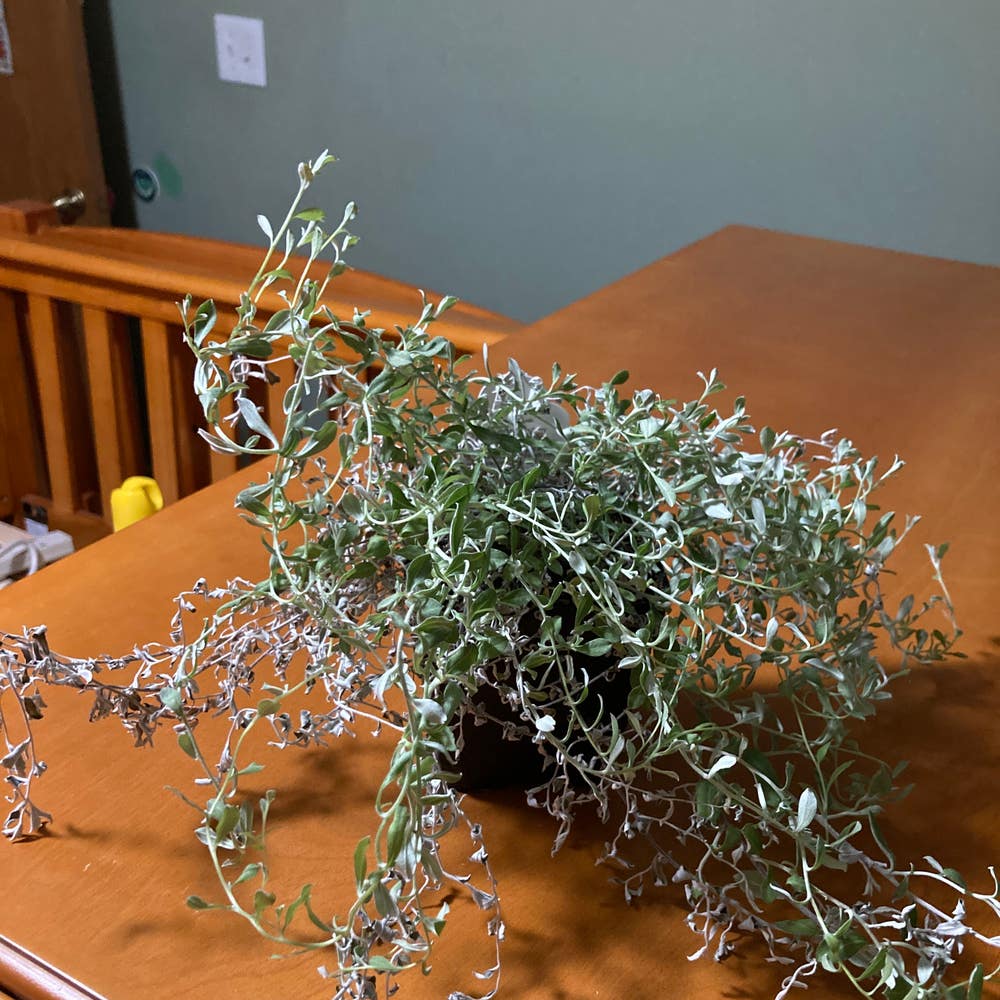
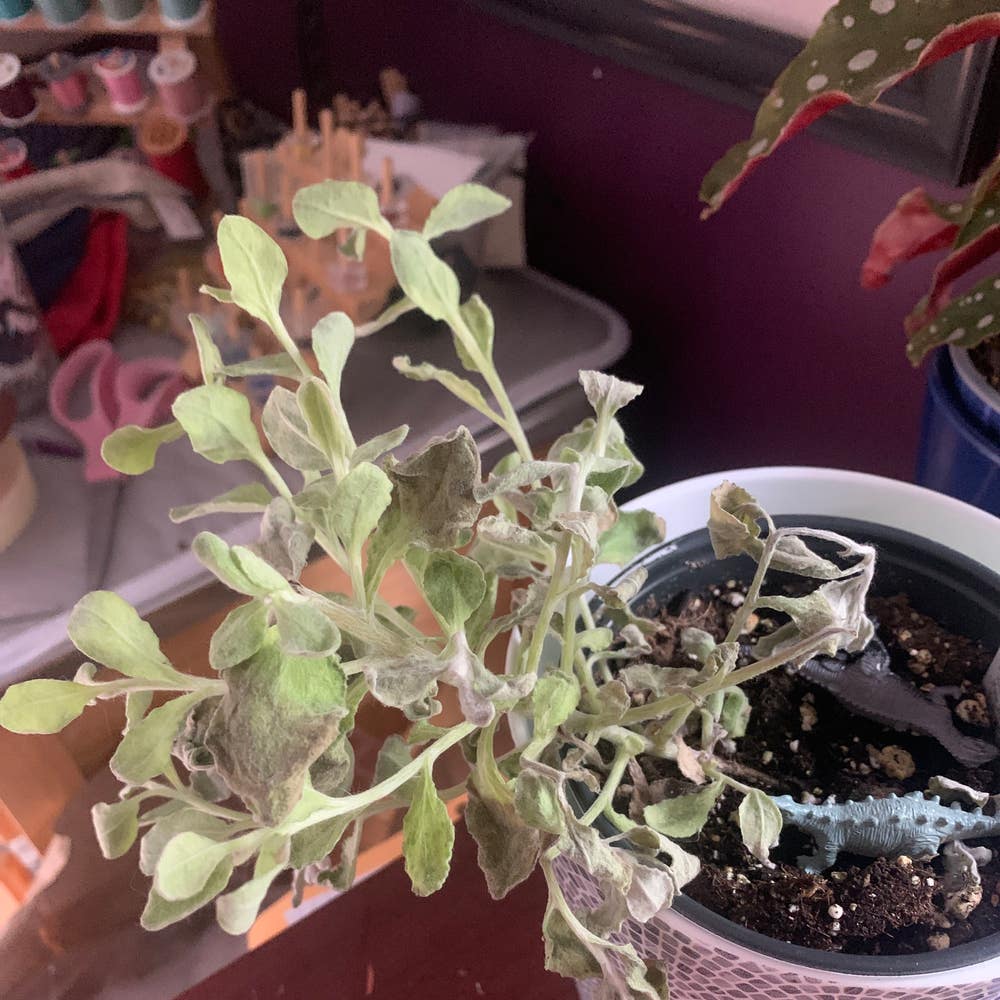
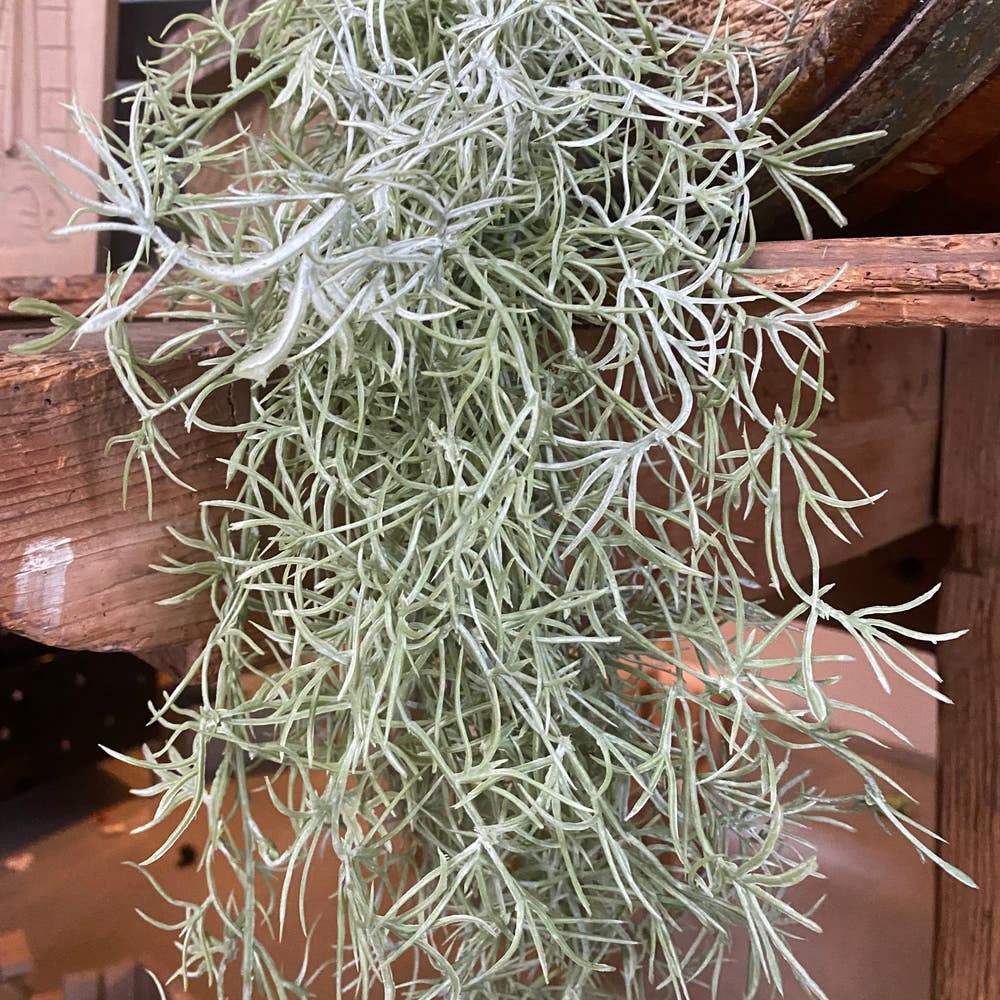
🌼 Everything You Need to Know About Theresa's Everlasting
Helichrysum theresae
By the Greg Editorial Team
Feb 28, 2025•10 min read
This article was created with the help of AI so we can cover more plants for you. May contain errors. See one? Report it here.
- 🌞 Theresa's Everlasting needs 6+ hours of sunlight daily for optimal growth.
- 🌱 Well-draining soil with pH 6.0-7.0 is ideal for planting.
- 💧 Water regularly until established; then it's drought tolerant and requires minimal care.
How to Grow
Choosing the Right Location 🌞
To thrive, Theresa's Everlasting needs full sun exposure, requiring at least 6 hours of sunlight daily. If you're growing taller varieties, consider positioning them in a spot that offers wind protection to prevent damage.
Soil Preparation and Amendments 🌱
The ideal soil for these plants is well-draining, sandy, or loamy. Aim for a soil pH between 6.0 and 7.0, slightly acidic to neutral, and enrich it with organic matter to boost drainage and fertility.
Planting Techniques and Spacing 🌼
When planting, dig a hole that is 1-2 inches deep. Space your plants 12-18 inches apart to ensure adequate air circulation, which helps prevent disease.
Watering Requirements and Schedules 🚰
Initially, water your plants regularly until they are well-established. Once they’ve settled in, they exhibit drought tolerance and require minimal watering.
Fertilizing Tips for Optimal Growth 🍽️
Fertilize once in early spring using a balanced fertilizer to kickstart growth. Slow-release or organic options work best, providing nutrients over time without overwhelming the plants.
Pruning and Ongoing Care Strategies ✂️
Regularly deadhead spent flowers to encourage new blooms and maintain a tidy appearance. Additionally, inspect your plants frequently for pests and diseases to catch any issues early.
Outdoor vs. Container Growing Considerations 🏡
If you opt for container growing, choose pots that are at least 12 inches deep to accommodate root growth. Ensure your containers have drainage holes to prevent root rot, which can be detrimental to your plants' health.
By following these guidelines, you'll create an environment where Theresa's Everlasting can flourish beautifully. Next, let’s explore how to propagate these resilient plants for even more blooms!
Propagation
🌱 Seed Propagation Steps
Seed propagation is a straightforward way to expand your collection of Theresa's Everlasting. Start by collecting seeds from mature flowers in late summer.
Next, sow the seeds in well-draining soil, ensuring they are lightly covered. Water gently and maintain moisture until germination occurs, which typically takes about 10-14 days.
✂️ Division and Cutting Methods
Dividing established clumps is another effective propagation method. This should be done in early spring or fall when the plant is not actively growing.
Alternatively, you can take cuttings. For this, snip 4-6 inch stem cuttings in early summer and root them in moist soil. This method can yield new plants quickly and efficiently.
With these propagation techniques, you can easily grow more of these beautiful plants and enjoy their benefits in your garden. Now, let's explore the lifecycle of Theresa's Everlasting and how it develops over time.
Lifecycle
Overview of Life Cycle Stages 🌱
Theresa's Everlasting is typically grown as a perennial, meaning it can return year after year. This longevity makes it a favorite among gardeners looking for reliable blooms.
Germination and Seedling Development 🌱
Under optimal conditions, seeds germinate within 10-14 days. This quick turnaround sets the stage for robust growth.
Vegetative Growth and Flowering 🌼
After germination, the vegetative stage lasts about 6-8 weeks before flowering begins. During this time, the plant establishes itself, preparing for a vibrant display.
Seed Production and Lifespan 🌾
Theresa's Everlasting has a lifespan of 3-5 years when cared for properly. This durability allows for multiple seasons of enjoyment.
Growth Timeline ⏳
From seed to fully grown, expect approximately 2-3 months. The growth rate is moderate, ensuring steady development in ideal conditions.
This lifecycle overview highlights the resilience and beauty of Theresa's Everlasting, making it a worthwhile addition to any garden. Next, let’s explore the size of this remarkable plant.
Size
Mature Height and Spread 🌱
Theresa's Everlasting typically reaches a mature height of 24 to 36 inches. Its spread can range from 18 to 24 inches, making it a substantial addition to any garden.
Growth Rate and Size Variability 📈
This plant exhibits a moderate growth rate, which can be influenced by factors such as soil quality and water availability. Size variability is common, as environmental conditions play a significant role in determining how large the plant will grow.
Impact of Growing Conditions on Size ☀️
The size of Theresa's Everlasting is heavily impacted by its growing conditions. Adequate sunlight, quality soil, and proper watering practices are essential for achieving optimal dimensions.
Understanding these factors can help you cultivate a thriving plant that meets your gardening goals. As you prepare to nurture your Theresa's Everlasting, consider how these elements will shape its growth and overall health.
Roots
🌱 Root System Type and Characteristics
Theresa's Everlasting features a fibrous root system. This type of root structure helps the plant absorb water and nutrients efficiently.
📏 Depth and Spread of Roots
Typically, the roots extend to a depth of 12-18 inches. They can also spread wider than the plant's canopy, allowing for better stability and nutrient uptake.
⚠️ Common Root-Related Issues and Solutions
One common issue is root rot, which occurs due to overwatering. To prevent this, ensure proper drainage in the soil and containers.
👀 Identifying Healthy vs. Unhealthy Roots
Healthy roots are firm, white, and spread evenly throughout the soil. In contrast, unhealthy roots appear dark, mushy, or may emit a foul smell.
📦 Understanding Rootbound Conditions and Management
Rootbound conditions arise when roots fill the container, leading to stunted growth. To manage this, consider repotting into a larger container or dividing the plant to promote healthy growth.
With a solid understanding of root health, you can ensure your Theresa's Everlasting thrives. Next, let's explore the benefits of growing this resilient plant.
Companion Plants
🌱 Concept of Companion Planting and Its Benefits
Companion planting is a gardening strategy that enhances biodiversity and improves pest management. By pairing compatible plants, you can create a healthier garden ecosystem.
🌼 Best Companion Plants
- Lavender: This fragrant herb shares similar care needs and acts as a natural pest repellent.
- Echinacea: Known for attracting pollinators, Echinacea thrives in conditions similar to Theresa's Everlasting, making it an excellent companion.
🚫 Plants to Avoid
Avoid planting heavy feeders like tomatoes near Theresa's Everlasting. These plants compete for nutrients, potentially stunting growth and reducing overall health.
By selecting the right companions, you can boost the vitality of your garden while minimizing pest issues. This thoughtful approach not only benefits your plants but also creates a more vibrant and diverse garden space.
Toxicity to Humans
Theresa's Everlasting is generally safe for humans, as it is not listed as toxic by major poison control centers. However, it's wise to exercise caution, as consuming large quantities may lead to mild skin irritation or digestive discomfort.
If you experience any unusual symptoms after contact or consumption, seek medical advice promptly. Staying informed helps ensure a safe and enjoyable gardening experience!
Toxicity to Dogs
Theresa's Everlasting is not listed as toxic by major pet poison control centers, making it a safe choice for dog owners. However, if your furry friend decides to munch on it, they might experience mild gastrointestinal upset if they consume large quantities.
🌱 Tips for Introducing the Plant
When introducing Theresa's Everlasting to your garden, consider proper placement to minimize any temptation for your dog. Monitor their behavior around the plant to ensure they don't overindulge, and enjoy the beauty of this resilient flower without worry.
Incorporating this plant can enhance your garden's aesthetics while keeping your canine companions safe. With a little attention, you can create a vibrant space that both you and your pets can enjoy.
Toxicity to Cats
Theresa's Everlasting is not listed as toxic by major pet poison control centers, making it a safe choice for cat owners. However, if consumed in large quantities, it may cause mild gastrointestinal upset.
🌱 Introducing the Plant Safely
When introducing this plant to your home, consider its placement carefully. Keep it out of reach of curious cats to minimize any potential issues.
👀 Monitoring Behavior
Always monitor your cat's behavior around the plant. If you notice any unusual symptoms, consult your veterinarian for advice.
In summary, Theresa's Everlasting can be a delightful addition to your garden without posing significant risks to your feline friends. Next, let’s explore the common problems that can arise when growing this resilient plant.
Problems
Common Problems Faced 🌱
Growing Theresa's Everlasting can be rewarding, but it comes with its share of challenges. Understanding these common problems can help you keep your plants thriving.
Incorrect Watering 🚰
Watering issues are among the most frequent problems. Overwatering leads to wilting, while underwatering results in crispy leaves.
Incorrect Light Conditions ☀️
Light is crucial for healthy growth. Yellowing leaves often signal that your plant isn't getting enough sunlight.
Incorrect Temperature 🌡️
Temperature extremes can stunt growth. Ensure your plants are in a stable environment to promote healthy development.
Diseases 🦠
Fungal diseases, such as powdery mildew and rust, can affect your plants. Regular inspections can help catch these issues early.
Root Problems 🥴
Root rot is a common concern, especially with overwatering. Look for signs of squishy roots to address this issue promptly.
By staying vigilant and addressing these problems early, you can enjoy a flourishing garden filled with Theresa's Everlasting. Next, let's explore the potential pest issues that may arise in your garden.
Bugs
🐛 Potential Pest Issues
While Theresa's Everlasting boasts moderate pest resistance, it can still fall prey to certain nuisances. Being aware of these potential pests is key to maintaining a healthy plant.
🧼 Identification and Treatment Options
Spider Mites
Look for fine webbing and stippled leaves. Treat these pests promptly with insecticidal soap to prevent further damage.
Scale Insects
These pests leave a sticky residue and cause yellowing leaves. You can remove them manually or apply horticultural oil for effective control.
Mealybugs
Identified by their cotton-like masses on stems, mealybugs can be tackled using alcohol-soaked cotton swabs. This method is both simple and effective.
Aphids
These small green insects can quickly become a problem. Control them using neem oil or insecticidal soap to keep your plant thriving.
By staying vigilant and addressing pest issues early, you can ensure your Theresa's Everlasting remains healthy and vibrant. Next, let's explore what animals might be lurking around, looking to munch on your beautiful plants.
What Eats
🦌 Common Animals That May Damage
When growing Theresa's Everlasting, be aware of potential animal visitors. Deer are notorious for munching on these plants, leaving behind chewed leaves and stems.
Rabbits can also be a nuisance, often nibbling on the lower foliage. Squirrels might dig around the base, causing further disruption to your garden.
👀 Signs of Animal Presence and Damage
Keep an eye out for signs of animal activity. Chewed leaves and broken stems are clear indicators that something is feasting on your plants.
Additionally, disturbed soil can signal that animals are digging or burrowing near your Everlasting.
🚫 Deterrent Methods
To protect your plants, consider using chemical repellents, such as commercial deer deterrents. These can effectively keep deer at bay.
For a more organic approach, plant strong-smelling herbs nearby or use physical barriers to deter rabbits and squirrels. These methods can help maintain the beauty of your garden while keeping unwanted visitors away.
With these strategies, you can enjoy a thriving garden without the worry of animal damage. Now, let’s explore the potential pest issues that might arise in your garden.
⚠️ Safety First
This content is for general information and may contain errors, omissions, or outdated details. It is not medical, veterinary advice, or an endorsement of therapeutic claims.
Always consult a qualified healthcare professional before using any plant as food, medicine, or supplement.
Never eat any plant (or feed one to pets) without confirming its identity with at least two trusted sources.
If you suspect poisoning, call Poison Control (800) 222-1222, the Pet Poison Helpline (800) 213-6680, or your local emergency service immediately.
Spotted an error? Please report it here.
Ensure your Theresa's Everlasting blooms brilliantly 🌼 with Greg's personalized reminders for watering, fertilizing, and pest management, helping you cultivate a thriving garden year after year!