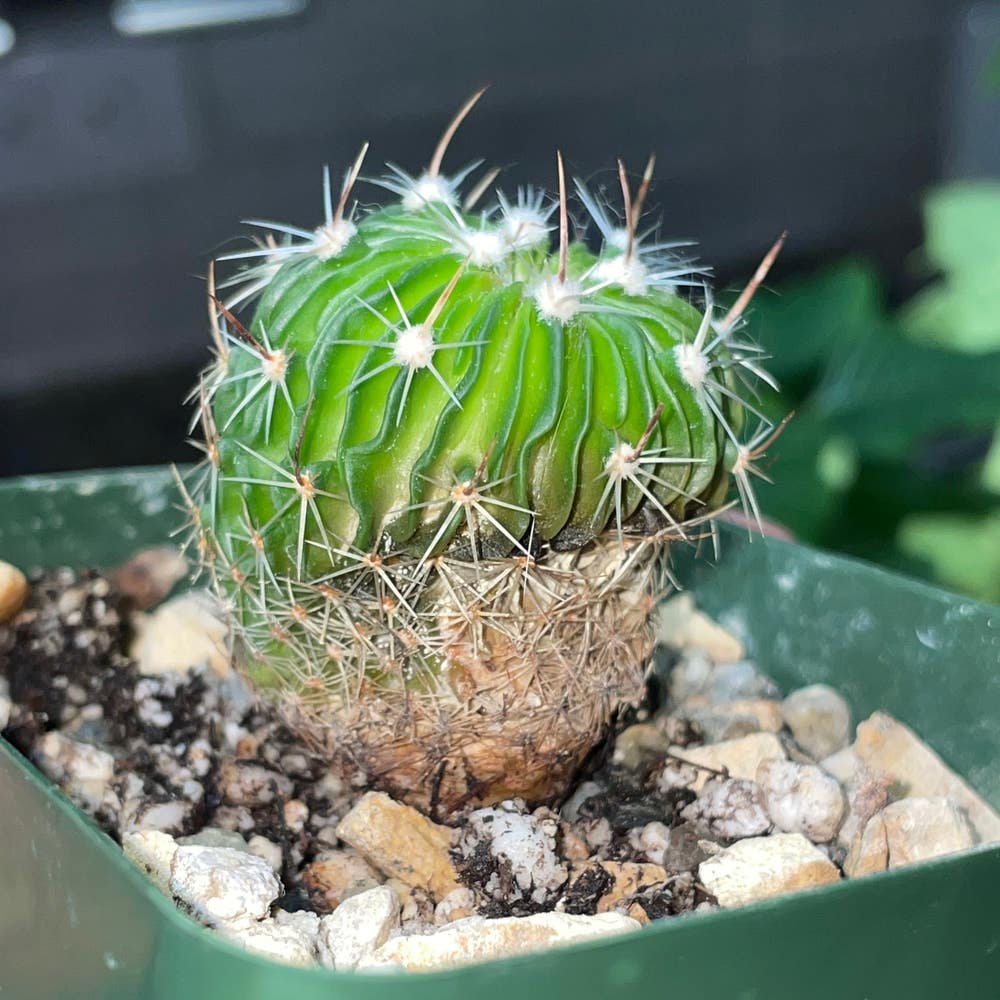
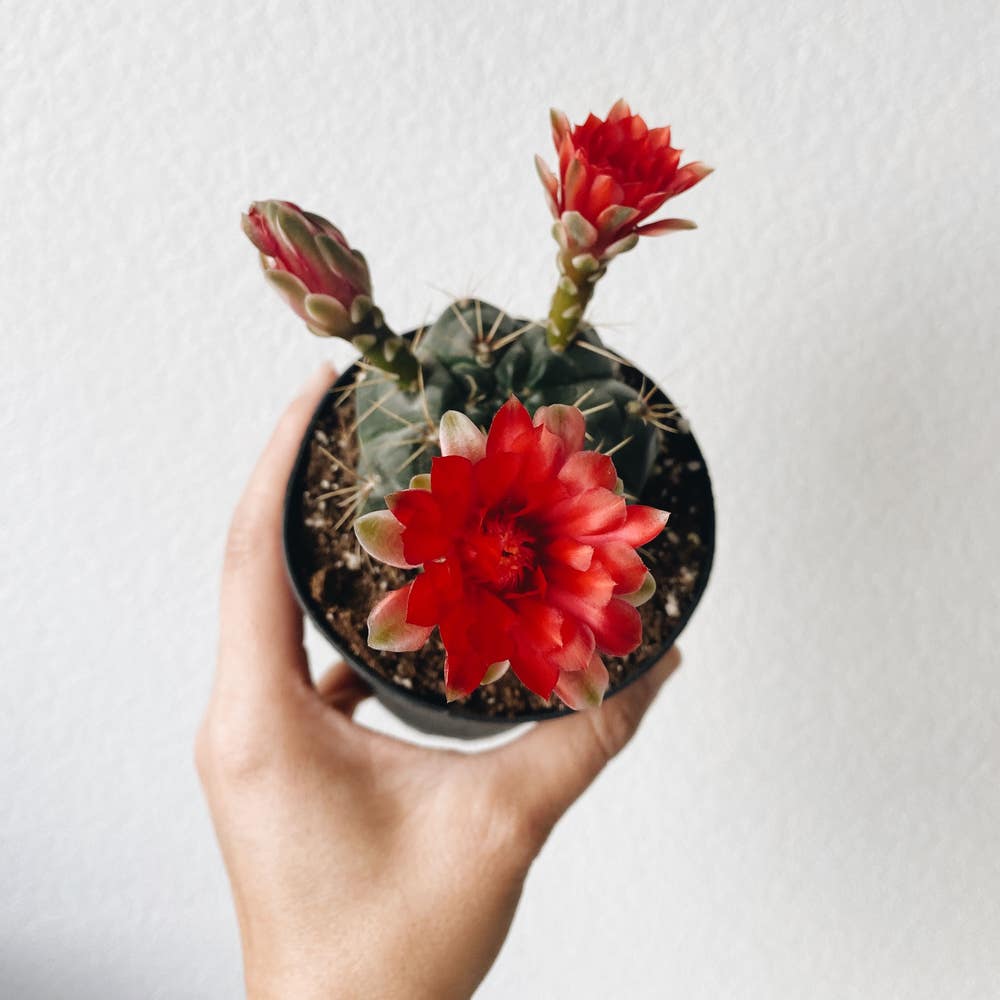
What is a Thelocactus macdowellii? Complete Guide 🌵
Thelocactus macdowellii
By the Greg Editorial Team
Jan 23, 2025•13 min read
This article was created with the help of AI so we can cover more plants for you. May contain errors. See one? Report it here.
- 🌞 Thelocactus macdowellii needs 6-8 hours of sunlight daily for optimal growth.
- 💧 Water only when soil is dry; avoid overwatering to prevent root rot.
- 🌱 Low maintenance and drought-resistant, perfect for busy gardeners and beginners.
How to Grow
Choosing a Location 🌞
To thrive, Thelocactus macdowellii needs full sun exposure for 6-8 hours daily. Consider whether you’ll grow it indoors or outdoors, as this will impact its light access and overall health.
Soil Preparation 🌱
For optimal growth, use a well-draining cactus mix or sandy loam. Aim for a soil pH between 6.0 and 7.0, which is slightly acidic to neutral, to keep your cactus happy.
Planting Techniques 🌵
When planting, ensure the crown of the cactus is above soil level to prevent rot. If you're planting multiple cacti, maintain adequate spacing to allow for air circulation and growth.
Watering Requirements 💧
Water your Thelocactus macdowellii only when the soil has completely dried out. In winter, reduce watering frequency to accommodate its dormant period.
Fertilizing Schedule 🌼
Use a balanced cactus fertilizer to nourish your plant. Fertilize monthly during the growing season, which spans spring and summer, for the best results.
Pruning Methods ✂️
Pruning is essential for maintaining the health of your cactus. Remove any dead or damaged spines to encourage new growth and keep your plant looking its best.
Ongoing Care Tips 🛠️
Ensure your container has adequate drainage holes to prevent water accumulation. If growing outdoors, protect your cactus from extreme weather conditions to ensure its longevity.
With these tips, you’ll be well on your way to cultivating a healthy Thelocactus macdowellii. Next, let’s explore how to propagate this resilient cactus for even more growth opportunities!
Propagation
🌱 Methods
Propagation of Thelocactus macdowellii can be achieved through two primary methods: seeds and offsets. Each method has its own unique steps and requirements.
Seeds
- Prepare a well-draining seed starting mix: This is crucial for preventing rot and ensuring healthy growth.
- Sow seeds on the surface and lightly cover: Avoid burying them too deep, as they need light to germinate.
- Maintain humidity until germination (2-4 weeks): Use a plastic cover or a humidity dome to keep the environment moist.
This seed propagation method requires a bit of patience, but the reward is worth it when you see those tiny seedlings sprouting.
Offsets
- Identify offsets and gently twist to remove: Offsets are small pups that grow around the base of the parent plant.
- Allow offsets to callous for 1-2 days: This step helps prevent rot when they are planted.
- Plant in well-draining soil: Ensure the soil is suitable for cacti to promote healthy root development.
Offsets are a simpler and quicker way to propagate your Thelocactus macdowellii, making it an ideal choice for beginners.
🌼 Conclusion
Whether you choose to propagate through seeds or offsets, both methods can lead to a thriving collection of Thelocactus macdowellii. With the right care and attention, you'll soon have a beautiful display of these unique cacti to enjoy. Next, let’s explore the lifecycle of this fascinating plant and understand its growth stages.
Lifecycle
Stages 🌱
Germination
The journey of Thelocactus macdowellii begins with germination, which typically takes 2 to 4 weeks. Seeds require warmth and humidity, so a warm, moist environment is essential for successful sprouting.
Seedling Stage
Once germinated, seedlings emerge with delicate structures. During this stage, they need bright, indirect light and careful watering to thrive.
Vegetative Growth
As the plant matures, it enters the vegetative growth phase. This stage is characterized by the development of spines and a robust structure, requiring adequate light and nutrients to support healthy growth.
Flowering
Flowering usually occurs in late spring to early summer. Thelocactus macdowellii produces stunning blooms under optimal conditions, needing full sun and proper hydration to flourish.
Seed Production
After flowering, the plant can produce seeds. This process typically happens in late summer, allowing for the potential propagation of new plants.
Lifespan ⏳
The average lifespan of Thelocactus macdowellii ranges from 10 to 20 years when provided with the right care. With proper attention, these resilient cacti can thrive for decades.
Growth Timeline 📈
Time to Maturity
Expect Thelocactus macdowellii to reach maturity in approximately 3 to 5 years. This slow yet steady growth makes patience a virtue for cactus enthusiasts.
Growth Rate
The growth rate is generally slow to moderate, influenced by factors such as light, water, and soil quality. Understanding these variables can help you cultivate a thriving specimen.
With a solid grasp of the lifecycle of Thelocactus macdowellii, you're well-equipped to nurture this unique cactus. Next, let’s explore its size and how it can fit into your gardening plans.
Size
Mature Dimensions 🌵
The Thelocactus macdowellii typically reaches a mature height of 4 to 6 inches. Its spread can range from 6 to 12 inches, making it a compact yet striking addition to any collection.
Growth Rate and Variability ⏳
Several factors influence the growth rate of this cactus, including light exposure, watering habits, and soil quality. Providing optimal conditions can lead to a slow to moderate growth rate, allowing you to enjoy its unique features over time.
Size Influences 📏
The size of your Thelocactus macdowellii can be significantly affected by the container it’s planted in. A larger pot allows for more root development, while smaller containers may restrict growth.
Additionally, the environment plays a crucial role. Cacti grown outdoors often experience different growth patterns compared to those kept indoors, primarily due to variations in light and temperature.
Understanding these factors can help you maximize the growth potential of your cactus, ensuring it thrives in your care.
Roots
Characteristics 🌱
The Thelocactus macdowellii features a unique root system composed of fibrous roots complemented by a taproot. This combination provides stability and support, essential for thriving in its native arid environments.
Depth and Spread 📏
Typically, the roots of this cactus extend to a depth of 6-12 inches. They also spread laterally, which helps the plant absorb moisture and nutrients effectively.
Common Issues ⚠️
Root rot is a common concern for Thelocactus macdowellii, often caused by overwatering or poorly draining soil. Signs of root rot include a foul smell and mushy roots, while healthy roots appear firm and white.
To prevent root rot, ensure proper drainage and allow the soil to dry out completely between waterings. Regularly check your plant’s roots to identify any issues early.
Rootbound Conditions 🪴
A rootbound cactus occurs when its roots fill the pot, leading to stunted growth and poor health. Symptoms include roots growing out of drainage holes and a lack of new growth.
To remedy rootbound conditions, gently remove the cactus from its pot and trim any excessively long roots. Repot it in a slightly larger container with fresh, well-draining soil to encourage healthy growth.
Understanding the root system of Thelocactus macdowellii is crucial for its care. With the right attention, you can ensure your cactus thrives and flourishes. Next, let’s explore the many benefits of growing this unique plant.
Benefits
Top 5 Benefits 🌟
The Thelocactus macdowellii is not just a pretty face; it offers a range of benefits that make it a fantastic addition to any garden or indoor space. Here are the top five reasons to consider this unique cactus.
Aesthetic Appeal
With its distinctive shape and vibrant flowers, Thelocactus macdowellii adds a striking visual element to your collection. Its unique appearance can serve as a conversation starter and a focal point in any setting.Low Maintenance
This cactus is perfect for busy gardeners. It requires minimal care, making it an ideal choice for those who want to enjoy plants without the hassle of constant attention.Drought Resistance
Thelocactus macdowellii thrives in arid climates, making it a resilient option for drought-prone areas. Its ability to withstand dry conditions means you can enjoy a beautiful plant without worrying about frequent watering.Air Purification
Beyond its beauty, this cactus contributes to indoor air quality. It helps filter out toxins, making your living space healthier and more inviting.Cultural Significance
In many cultures, cacti symbolize resilience and beauty in harsh environments. Incorporating Thelocactus macdowellii into your home or garden can reflect these values, adding a layer of meaning to your plant collection.
These benefits make Thelocactus macdowellii a worthwhile investment for both novice and experienced gardeners. Whether you're looking to enhance your space or simply enjoy the ease of care, this cactus has something to offer everyone.
Next, let’s explore the best companion plants that can thrive alongside Thelocactus macdowellii, enhancing your gardening experience even further.
Companion Plants
🌱 Companion Planting
Companion planting is a fantastic strategy for enhancing your garden's health and diversity. By pairing Thelocactus macdowellii with compatible plants, you can improve pest management and create a more vibrant ecosystem.
🌼 Best Companions
When selecting companion plants, consider these excellent options:
- Echinopsis: These cacti share similar care requirements and thrive in similar conditions.
- Agave: Their robust nature complements Thelocactus, providing a striking visual contrast.
- Other Cacti: Many cacti varieties can coexist harmoniously, creating a stunning desert landscape.
🚫 Plants to Avoid
While some plants thrive alongside Thelocactus macdowellii, others can hinder its growth. Avoid pairing with high-water-demand species, as they can lead to overwatering and root rot. Keeping your cactus company with the right plants ensures a healthy, thriving garden.
Transitioning to the next section, let's explore the potential toxicity of Thelocactus macdowellii to humans, dogs, and cats.
Toxicity to Humans
Safety Overview 🛡️
Thelocactus macdowellii is generally safe for humans. It is not listed as toxic by major poison control centers, making it a worry-free addition to your home or garden.
Minor Issues ⚠️
While this cactus poses minimal risk, there are a couple of minor concerns. Some individuals may experience mild skin irritation or digestive discomfort if they consume large quantities.
Cautionary Advice 👀
It's always wise to monitor for any unusual symptoms after contact. Being aware of your body's reactions can help ensure a safe and enjoyable experience with your Thelocactus macdowellii.
As we move forward, let’s explore how this resilient cactus interacts with our furry friends.
Toxicity to Dogs
Safety Overview 🐶
Thelocactus macdowellii is not considered toxic by veterinary organizations. This makes it a safe choice for homes with dogs, allowing you to enjoy its beauty without worry.
Minor Issues 🚨
While generally safe, excessive consumption of this cactus can lead to mild gastrointestinal upset. It's always best to monitor your furry friends to ensure they don’t overindulge.
Tips for Homes with Dogs 🏡
To keep your Thelocactus macdowellii safe, place it in areas that are out of reach of curious pets. Regularly observe your dog's behavior around the plant to prevent any potential mishaps.
With these precautions, you can enjoy your cactus while ensuring your dog's safety. Next, let’s explore how Thelocactus macdowellii interacts with our feline friends.
Toxicity to Cats
Safety Overview 🐱
Thelocactus macdowellii is not listed as toxic by major pet poison control centers. This means you can enjoy this beautiful cactus without worrying about harming your feline friends.
Minor Issues 🥴
While generally safe, excessive consumption can lead to mild gastrointestinal upset in cats. It's always best to monitor your pets to ensure they don't overindulge.
Tips for Homes with Cats 🏠
To keep both your cactus and your cat safe, place Thelocactus macdowellii in areas that are hard for your cat to reach. Regularly observe your cat's behavior around the plant to prevent any potential nibbling.
With these precautions, you can enjoy the beauty of your cactus while ensuring your furry companion stays healthy and happy.
Problems
Common Issues 🌱
Incorrect Watering
Watering is crucial for the health of your Thelocactus macdowellii.
Overwatered: Signs include yellowing or mushy stems. To remedy this, allow the soil to dry out completely and reduce watering frequency.
Underwatered: Look for shriveled or wrinkled skin. If this occurs, give your cactus a thorough soak, ensuring water drains well.
Incorrect Light Conditions
Light is another key factor in your cactus's well-being.
Signs of insufficient light include elongated growth or pale coloration. If you notice these symptoms, move your plant to a brighter location, ideally where it can bask in full sun for 6-8 hours daily.
Incorrect Temperature 🌡️
Temperature plays a significant role in growth.
The ideal range for Thelocactus macdowellii is between 70°F and 100°F (21°C to 38°C). If temperatures drop below 50°F (10°C), your cactus may show signs of stress, such as discoloration or stunted growth.
Diseases 🦠
Diseases can threaten your cactus's health.
Common issues include powdery mildew, rust, and black rot. To prevent these, ensure good air circulation and avoid overhead watering, which can create a humid environment.
Growth Problems 🌿
Unhealthy growth can indicate underlying issues.
Symptoms like leaning, leggy growth, or etiolated stems suggest your cactus isn't getting enough light or nutrients. Adjusting its environment can help restore its vigor and shape.
By addressing these common problems, you can ensure your Thelocactus macdowellii thrives in your care. Next, let’s explore potential pest issues that may arise.
Bugs
🐞 Potential Pest Issues
Thelocactus macdowellii, while generally resilient, can still face pest challenges. Understanding its resistance and susceptibility to pests is crucial for maintaining a healthy plant.
🕷️ Spider Mites
Spider mites are tiny pests that can wreak havoc on your cactus. Look for signs like fine webbing and yellowing leaves; if you spot them, act quickly to treat the infestation.
🐜 Scale Insects
Scale insects appear as small, brownish bumps on the plant's surface. To identify them, check for sticky residue or sooty mold, which indicates a problem. Treatment often involves insecticidal soap or neem oil.
❄️ Mealybugs
Mealybugs are cottony pests that can cluster in leaf joints. If you notice white, fluffy masses, it's time to intervene. Rubbing alcohol on a cotton swab can effectively remove them.
🍃 Aphids
Aphids are small, green insects that suck sap from your cactus. They can cause curling leaves and stunted growth. To prevent them, consider using insecticidal soap or introducing beneficial insects like ladybugs.
Understanding these pests and their impacts can help you keep your Thelocactus macdowellii thriving. Regular inspections and prompt action will ensure your cactus remains healthy and vibrant.
What Eats
🦌 Common Animals
The Thelocactus macdowellii, while resilient, can attract a few hungry visitors.
Deer are often the most noticeable culprits. Look for signs like chewed leaves or broken stems, indicating their presence in your garden.
Rabbits can also be a problem. They tend to nibble on the lower parts of the plant, leaving behind distinct bite marks.
Squirrels may not be as common, but they can cause damage too. Keep an eye out for scattered soil or uprooted plants, which can signal their digging habits.
Rodents, including mice and rats, can pose a threat as well. They might chew on roots or stems, leading to significant damage if not addressed promptly.
🚫 Deterrent Methods
Protecting your Thelocactus macdowellii from these hungry animals is crucial.
Chemical deterrents can be effective. Look for sprays designed to repel deer and rabbits, which can be applied around the base of the plant.
Organic methods are also worth considering. For instance, planting strong-smelling herbs like mint or using garlic sprays can help keep these pests at bay.
Additionally, physical barriers like fencing or netting can provide a solid line of defense against larger animals.
By employing these strategies, you can enjoy your Thelocactus macdowellii without the worry of it becoming a snack for local wildlife.
Next, let’s explore the potential pest issues that can affect your cactus.
⚠️ Safety First
This content is for general information and may contain errors, omissions, or outdated details. It is not medical, veterinary advice, or an endorsement of therapeutic claims.
Always consult a qualified healthcare professional before using any plant as food, medicine, or supplement.
Never eat any plant (or feed one to pets) without confirming its identity with at least two trusted sources.
If you suspect poisoning, call Poison Control (800) 222-1222, the Pet Poison Helpline (800) 213-6680, or your local emergency service immediately.
Spotted an error? Please report it here.
Cultivating a thriving Thelocactus macdowellii 🌵 is easy with Greg's tailored care reminders and expert tips to keep your cactus happy and healthy in its sunny spot!