🌸 Tapien Verbena: Not a Perennial Plant
Verbena 'Tapien'
By the Greg Editorial Team
Oct 16, 2024•5 min read
This article was created with the help of AI so we can cover more plants for you. May contain errors. See one? Report it here.
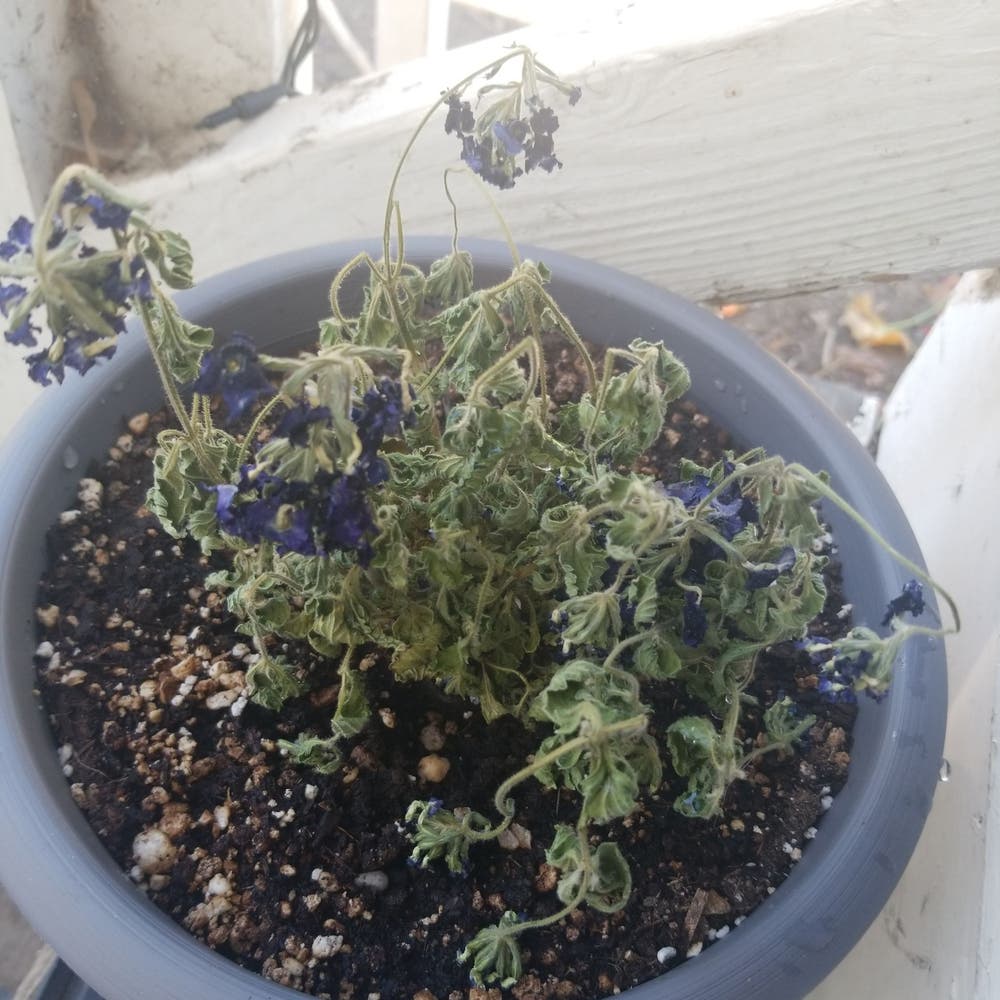
- 🌼 Tapien Verbena is an annual, completing its lifecycle in just one growing season.
- 🌞 It thrives in summer, offering vibrant blooms for several weeks before dying.
- 🌱 Unlike perennials, it doesn't regrow; new plants may not resemble the original.
Lifecycle of Tapien Verbena
🌱 Single-Season Lifecycle Explained
Tapien Verbena follows a straightforward lifecycle: it germinates, grows, flowers, and ultimately dies within a single season. This rapid progression means you can witness the entire journey from seed to bloom in just a few months.
⏳ Rapid Growth Cycle
Typically, Tapien Verbena takes about 4 to 6 weeks to go from seed to flowering. Factors like sunlight, soil quality, and temperature can significantly influence this growth rate, making it essential to provide optimal conditions for the best results.
🌿 Inability to Regrow from Roots
One key aspect of Tapien Verbena is its root structure, which prevents it from regrowing after the season ends. Unlike perennials, which have robust root systems that allow them to survive winter and re-emerge, Tapien Verbena's roots are not designed for longevity, leading to its annual lifecycle.
This unique lifecycle not only defines its growth patterns but also shapes how we can incorporate it into our gardens. Understanding these stages and characteristics will help you appreciate the beauty and vibrancy that Tapien Verbena brings to your outdoor spaces.
Implications of Annual Nature
Growth and Flowering Patterns 🌸
Tapien Verbena boasts a vibrant flowering timeline, typically peaking in the summer months. These blooms can last several weeks, providing a stunning display that brightens any garden.
Environmental conditions play a crucial role in this flowering process. Factors like sunlight, temperature, and moisture can significantly influence when and how long the flowers thrive.
Lifespan Compared to Perennials ⏳
The average lifespan of Tapien Verbena is notably shorter than that of typical perennials. While perennials can live for several years, Tapien Verbena completes its lifecycle in just one season.
This annual die-off contrasts sharply with the seasonal decline and dormancy seen in perennials. Understanding this difference helps gardeners plan their gardens more effectively, ensuring a continuous cycle of color and interest.
As we explore the common misconceptions surrounding Tapien Verbena, it's essential to clarify its unique characteristics and how they can enhance your gardening experience.
Common Misconceptions
🌱 Addressing the Belief that Tapien Verbena is a Perennial
Many gardeners mistakenly believe that Tapien Verbena is a perennial plant. This misconception often arises from its vibrant blooms and lush growth, which can give the impression of longevity.
However, Tapien Verbena is classified as an annual. This means it completes its lifecycle in a single growing season, from germination to flowering and ultimately, death.
🌼 Clarifying Self-Seeding Behavior
Self-seeding is another area of confusion for many. While Tapien Verbena can produce seeds that may sprout in subsequent seasons, this behavior does not make it a perennial.
Self-seeding occurs under specific conditions, such as favorable soil and climate. However, the new plants may not always thrive or resemble the parent plant, limiting its effectiveness in maintaining garden aesthetics.
Advantages of Tapien Verbena's Annual Nature
Quick Maturity Benefits 🌱
Tapien Verbena establishes quickly in gardens, making it a favorite for gardeners eager for immediate results. Within weeks, you can enjoy vibrant blooms that add instant color to your landscape.
Flexibility in Garden Planning 🌼
The annual nature of Tapien Verbena opens up exciting opportunities for seasonal rotation. Each year, you can experiment with different plant combinations, keeping your garden fresh and dynamic.
Seasonal Color and Variety 🎨
One of the most appealing aspects of Tapien Verbena is its wide range of colors and forms. This variety enhances garden aesthetics, allowing you to create stunning displays that change with the seasons.
The advantages of Tapien Verbena's annual lifecycle not only make it a practical choice but also a delightful one. As we explore strategies for enjoying this vibrant plant, you'll discover how to maximize its potential in your garden.
Strategies for Enjoying Tapien Verbena
🌱 Tips for Maximizing Growth Throughout the Season
To get the most out of your Tapien Verbena, focus on optimal watering and fertilization practices. Regular watering, especially during dry spells, ensures healthy growth, while a balanced fertilizer can boost blooming.
Deadheading is another essential technique. By removing spent flowers, you encourage the plant to produce more blooms, extending its vibrant display throughout the season.
🌼 Incorporating Tapien Verbena with Perennials
Companion planting can enhance the visual appeal of your garden. Pairing Tapien Verbena with perennials creates a dynamic contrast, allowing each plant to shine.
Timing is crucial when planting alongside perennials. Ensure that Tapien Verbena is sown at the right moment to complement the growth cycles of your perennial plants, maximizing the overall garden aesthetic.
🎨 Enhancing Garden Impact as an Annual Plant
Creating focal points with Tapien Verbena can transform your garden. Use it to draw the eye, whether in borders or as standalone features.
Consider utilizing Tapien Verbena in containers or mixed plantings. Its vibrant blooms add seasonal interest, making your garden a lively and inviting space.
These strategies will help you fully appreciate the beauty and versatility of Tapien Verbena, ensuring a stunning garden display all season long.
⚠️ Safety First
This content is for general information and may contain errors, omissions, or outdated details. It is not medical, veterinary advice, or an endorsement of therapeutic claims.
Always consult a qualified healthcare professional before using any plant as food, medicine, or supplement.
Never eat any plant (or feed one to pets) without confirming its identity with at least two trusted sources.
If you suspect poisoning, call Poison Control (800) 222-1222, the Pet Poison Helpline (800) 213-6680, or your local emergency service immediately.
Spotted an error? Please report it here.
Embrace the beauty of Tapien Verbena as an annual 🌼 and let Greg guide you with tailored care reminders to keep those vibrant blooms flourishing all season long!