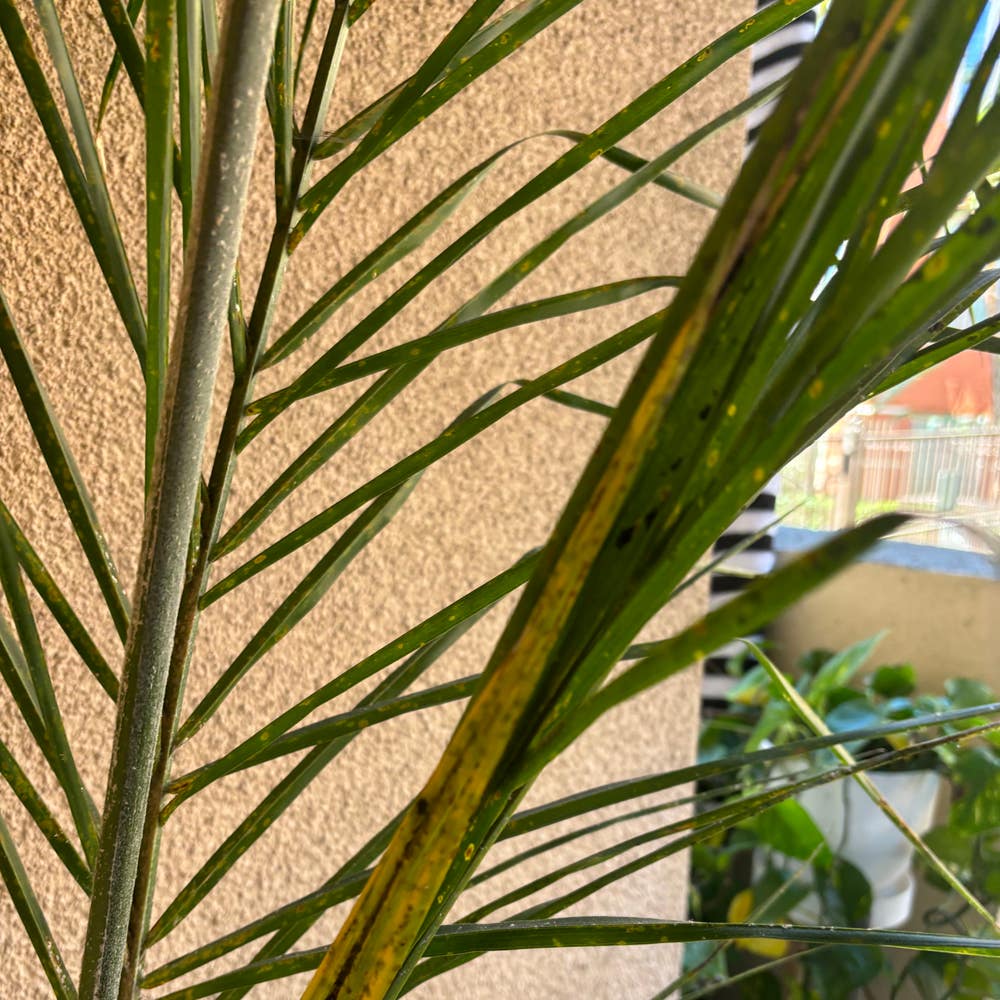
🌴 Syagrus rupicola Explained: Key Information
Syagrus rupicola
By the Greg Editorial Team
Feb 26, 2025•13 min read
This article was created with the help of AI so we can cover more plants for you. May contain errors. See one? Report it here.
Elevate your garden's beauty and sustainability with the stunning Syagrus rupicola palm! 🌴💧
- 🌞 Syagrus rupicola thrives in full sun; protect from strong winds for best growth.
- 🌱 Ideal soil is well-draining with pH 6.0-7.0; water deeply and regularly.
- 🐦 This palm attracts wildlife and is safe for humans and pets.
How to Grow
Choosing a Location 🌍
When selecting a location for Syagrus rupicola, aim for full sun to partial shade. Whether you’re planting outdoors or in a container, ensure the area is sheltered from strong winds to protect your palm.
Soil Preparation 🏡
Syagrus rupicola thrives in well-draining sandy or loamy soil. Aim for a soil pH between 6.0 and 7.0, and consider amending your soil with organic matter to enhance drainage and nutrient content.
Planting Techniques 🌱
The best time to plant is in spring or early summer. When planting, ensure the crown of the palm is level with the soil surface, and space multiple plants 6-10 feet apart to allow for healthy growth.
Watering Requirements 💧
After planting, give your palm a deep watering to establish roots. During dry spells, maintain a weekly watering schedule, and watch for signs of overwatering or underwatering, such as yellowing leaves or wilting.
Fertilizing Schedule 🌿
Use a balanced slow-release fertilizer to nourish your Syagrus rupicola. Fertilize every 6-8 weeks during the growing season to maintain nutrient balance and promote healthy growth.
Pruning Methods ✂️
Prune your palm in late winter to early spring to remove any dead or damaged fronds. Selective pruning encourages healthy growth and helps maintain the palm's shape.
Ongoing Care 🔍
Regularly monitor your palm for pests and diseases, adjusting care based on seasonal changes. Mulching is essential for moisture retention, so don’t skip this step to keep your palm thriving.
With these guidelines, you’re well on your way to successfully growing Syagrus rupicola. Next, let’s explore how to propagate this beautiful palm for even more greenery in your space.
Propagation
🌱 Seed Propagation Steps
Propagation of Syagrus rupicola can be a rewarding process. Start by collecting seeds from mature fruit, ensuring they are ripe for the best germination results.
Next, pre-soak the seeds in warm water for 24 hours. This step helps to soften the seed coat, promoting quicker germination.
When you're ready to plant, sow the seeds at a depth of 1 inch in well-draining soil. This depth provides the seeds with the right conditions to sprout.
Finally, be patient as the seeds take 3-6 months to germinate under optimal conditions. Keep the soil moist but not soggy to encourage healthy growth.
✂️ Division of Established Plants
Dividing established plants is another effective propagation method. The best time for this is in spring, when the plant is actively growing.
You'll need a sharp spade or knife to ensure clean cuts. This tool will help you separate the clumps without damaging the roots.
To propagate, carefully separate the clumps and replant them immediately. This method not only helps in creating new plants but also rejuvenates the parent plant, promoting healthier growth.
With these propagation techniques, you can expand your Syagrus rupicola collection and enjoy its beauty in various locations. Next, let’s explore the lifecycle of this fascinating palm.
Lifecycle
Lifecycle Overview 🌱
Understanding the lifecycle of Syagrus rupicola is essential for successful cultivation. It begins with germination, where seeds require warmth and moisture to sprout effectively.
During the seedling stage, young plants need consistent care, including adequate light and water, to establish strong roots. This sets the foundation for healthy growth.
As the plant enters vegetative growth, it develops fronds and roots, expanding its structure. This phase is crucial for building resilience and preparing for future flowering.
Flowering typically occurs in favorable conditions, often in late spring or summer. Proper light and nutrition during this time can enhance flower production.
Finally, the plant produces seeds, completing its lifecycle. This process usually happens after flowering, allowing for the continuation of the species.
Lifespan and Growth Timeline ⏳
Syagrus rupicola boasts an impressive average lifespan of 30-50 years when conditions are optimal. This longevity makes it a valuable addition to any landscape.
The time to maturity is approximately 5-7 years, during which the plant reaches its full height and frond development. Patience is key, as the rewards of a mature plant are well worth the wait.
As you nurture your Syagrus rupicola, remember that understanding its lifecycle will help you provide the best care possible. This knowledge will ensure your plant thrives for decades to come.
Next, let’s explore the size of this remarkable palm and what you can expect as it grows.
Size
Mature Height and Spread 🌴
Syagrus rupicola, commonly known as the rock palm, typically reaches an impressive height of 10 to 15 feet. Its spread ranges from 6 to 10 feet, making it a striking addition to any landscape.
Growth Rate and Size Variability 📈
This palm exhibits a moderate growth rate, averaging about 1 to 2 feet per year. Several factors influence its growth, including soil quality, water availability, and sunlight exposure, all of which play crucial roles in determining how quickly it thrives.
Understanding these aspects can help you create the ideal environment for your Syagrus rupicola, ensuring it reaches its full potential. With the right care, this palm can become a stunning focal point in your garden.
Roots
Characteristics of the Root System 🌱
Syagrus rupicola features a fibrous root system that is essential for its stability and nutrient uptake. While the roots are typically shallow, they spread extensively, allowing the plant to access moisture and nutrients from a wider area.
Common Root-Related Issues and Solutions ⚠️
Root rot is a common problem that can arise from overwatering. Signs include a foul smell and dark, mushy roots; prevention involves ensuring well-draining soil and proper watering practices.
Identifying healthy roots is crucial for plant health. Firm, white roots indicate vitality, while dark, mushy roots signal decay.
Another issue to watch for is rootbound conditions, where roots become cramped in their container. Signs include stunted growth and roots growing out of drainage holes; solutions involve repotting into a larger container to allow for expansion.
Understanding these root characteristics and issues will help you maintain a thriving Syagrus rupicola. Next, we’ll explore the benefits of growing this unique palm.
Benefits
🌟 Top Benefits of Growing Syagrus rupicola
Growing Syagrus rupicola offers a multitude of benefits that can enhance any garden or landscape.
🌴 Aesthetic Appeal
This palm tree brings a tropical vibe, making it a stunning focal point in landscaping. Its graceful fronds and stature can elevate the visual interest of your outdoor space.
💧 Drought Resistance
One of the standout features of Syagrus rupicola is its drought resistance. Once established, it can thrive with minimal water, making it an excellent choice for low-maintenance gardens.
🦜 Wildlife Attraction
This palm is not just beautiful; it also attracts various wildlife. Birds and other creatures are drawn to its fruits, creating a lively ecosystem in your garden.
🎉 Cultural Significance
In Brazilian culture, Syagrus rupicola holds significant value. It’s often associated with local traditions and can bring a touch of heritage to your landscape.
🌬️ Air Purification
Beyond its aesthetic and ecological benefits, this palm contributes to air purification. It helps improve air quality, making your environment healthier and more pleasant.
Incorporating Syagrus rupicola into your garden is not just about beauty; it’s about creating a sustainable and vibrant space. With its many advantages, this palm is a worthy addition to any landscape.
Companion Plants
Best Companion Plants 🌱
Companion planting is a fantastic strategy to enhance growth, manage pests, and boost garden diversity. By choosing the right plants to grow alongside Syagrus rupicola, you can create a thriving ecosystem that benefits all your plants.
Ideal Companions
Consider adding Bougainvillea and Plumbago to your garden. These tropical plants not only complement the aesthetic of Syagrus rupicola but also thrive in similar conditions. Their vibrant colors and lush foliage create a stunning visual appeal.
Other great companions include various tropical plants that share similar water and sunlight needs. This synergy helps ensure that all plants flourish together.
Plants to Avoid
While companion planting can be beneficial, it's essential to avoid heavy feeders that compete for nutrients. Plants like certain types of vegetables or large flowering plants may drain the soil of essential nutrients needed for Syagrus rupicola's growth.
By carefully selecting companion plants, you can foster a healthier garden environment. This thoughtful approach not only enhances the beauty of your landscape but also promotes the overall health of your plants.
As you plan your garden, keep these companion planting tips in mind. They will help you create a vibrant and resilient garden that thrives together.
Transition to Toxicity Concerns ⚠️
With the right companions in place, it's also crucial to consider the safety of your plants around pets. Let's explore the toxicity of Syagrus rupicola to humans and animals next.
Toxicity to Humans
Safety Overview 🛡️
Syagrus rupicola is generally safe for humans, as it is not listed as toxic by major poison control centers. However, it's wise to be cautious; consuming large quantities may lead to mild skin irritation or digestive discomfort.
Monitoring Symptoms 👀
If you come into contact with the plant or ingest it, keep an eye out for any unusual symptoms. While serious reactions are rare, being aware of your body's responses can help ensure a safe experience with this beautiful palm.
Conclusion 📜
In summary, while Syagrus rupicola poses minimal risk to humans, it's always best to practice moderation and mindfulness. This way, you can enjoy the plant's aesthetic and environmental benefits without worry.
Next, let’s explore how this palm interacts with our furry friends, particularly dogs.
Toxicity to Dogs
Safety Overview 🐶
Syagrus rupicola is not listed as toxic by major pet poison control centers. This means your furry friends can safely roam around these plants without the risk of serious harm.
Minor Issues 🐾
While generally safe, there can be minor issues if dogs consume large quantities. You might notice mild gastrointestinal upset, but this is typically not a cause for alarm.
Tips for Dog Owners 🏡
When introducing Syagrus rupicola to your home, consider proper placement. Keep the plant out of reach to prevent any excessive nibbling.
Monitoring Behavior 👀
Always monitor your dog's behavior around new plants. If you notice any unusual symptoms after contact or ingestion, consult your veterinarian for peace of mind.
With these precautions, you can enjoy the beauty of Syagrus rupicola while keeping your canine companions safe. Next, let’s explore how this plant interacts with our feline friends.
Toxicity to Cats
Safety Overview 🐱
Syagrus rupicola is not listed as toxic by major pet poison control centers, making it a safe choice for homes with cats. However, it's wise to be cautious, as excessive consumption can lead to mild gastrointestinal upset.
Monitoring Behavior 👀
When introducing this plant to your home, consider its placement carefully. Keep it out of reach of curious cats and monitor their behavior around it to ensure they don’t nibble excessively.
Conclusion 📝
By taking these simple precautions, you can enjoy the beauty of Syagrus rupicola without worrying about your feline friends. Next, let’s explore the common problems that may arise when growing this palm.
Problems
Common Problems 🌱
Growing Syagrus rupicola can be rewarding, but it's essential to be aware of common problems that may arise. Understanding these issues will help you maintain a healthy and thriving plant.
Incorrect Watering 🚰
Watering is crucial for the health of your palm. Overwatering can lead to root rot, which manifests as yellowing leaves and a mushy root system. Conversely, underwatering results in wilting and browning fronds.
Incorrect Light Conditions ☀️
Light conditions play a significant role in the growth of Syagrus rupicola. Too much sunlight can scorch the leaves, causing them to turn brown and crispy. On the other hand, insufficient light may lead to leggy growth and pale foliage.
Diseases 🦠
Fungal diseases can pose a threat to your palm's health. Look out for signs like black spots on leaves or a white, powdery coating. Early identification is key; treat affected areas promptly with appropriate fungicides to prevent further spread.
Leaf Issues 🍃
Leaf problems can indicate underlying issues. Scorching often results from excessive sun exposure, while yellowing may signal nutrient deficiencies or overwatering. Fuzzy growth can be a sign of pests or fungal infections, so inspect your plant regularly.
By staying vigilant and addressing these common problems, you can ensure your Syagrus rupicola remains healthy and vibrant. Next, let’s explore potential pest issues that could affect your palm.
Bugs
Potential Pest Issues 🐜
When growing Syagrus rupicola, it's essential to be aware of potential pest issues that can affect its health. While this palm exhibits some resistance to pests, it can still fall victim to various insects that may cause damage.
Common Pests 🐞
Spider Mites: These tiny pests thrive in dry conditions, causing stippling on leaves. Look for fine webbing as a telltale sign of their presence.
Scale Insects: Often appearing as small, brown bumps on stems and leaves, scale insects suck sap and weaken the plant. Their sticky residue can attract other pests.
Mealybugs: Recognizable by their white, cottony appearance, mealybugs can cause leaf yellowing and stunted growth. They also excrete honeydew, leading to sooty mold.
Aphids: These small, green insects cluster on new growth, sucking sap and potentially transmitting diseases. Check for curled leaves as a symptom of their feeding.
Whiteflies: Similar to tiny moths, whiteflies can cause significant stress to your palm. Their presence is often indicated by a cloud of insects when the plant is disturbed.
Weevils: These beetles can damage the crown and roots, leading to severe decline. Look for holes in the leaves or signs of wilting.
Managing Pest Problems 🛠️
To keep your Syagrus rupicola thriving, regular monitoring is key. Inspect your plants frequently for any signs of pests, especially during warm weather.
If you notice an infestation, consider using insecticidal soap or neem oil as a natural remedy. Always follow the instructions carefully to avoid harming your plant.
By staying vigilant and addressing pest issues promptly, you can ensure your palm remains healthy and vibrant. Next, let’s explore what animals might be interested in munching on your Syagrus rupicola.
What Eats
🦌 Common Animals
When it comes to Syagrus rupicola, several herbivores might take a liking to its lush fronds. Common culprits include deer, rabbits, squirrels, and various rodents.
🔍 Signs of Animal Presence
Identifying animal damage is crucial for protecting your plants. Look for signs such as:
- Nibbling on leaves: Irregular bite marks can indicate hungry visitors.
- Tracks or droppings: These can help you pinpoint which animal is causing the trouble.
- Damaged stems: Chewed or broken stems often signal a persistent pest.
🚫 Deterrent Methods
To keep these herbivores at bay, consider implementing a few effective strategies:
- Fencing: A sturdy fence can deter larger animals like deer.
- Repellents: Use commercial or homemade sprays that are unappealing to animals.
- Planting barriers: Surround your Syagrus rupicola with plants that herbivores dislike.
By being proactive, you can enjoy the beauty of your palm without the worry of unwanted munchers. Next, let’s explore potential pest issues that can affect your plant's health.
⚠️ Safety First
This content is for general information and may contain errors, omissions, or outdated details. It is not medical, veterinary advice, or an endorsement of therapeutic claims.
Always consult a qualified healthcare professional before using any plant as food, medicine, or supplement.
Never eat any plant (or feed one to pets) without confirming its identity with at least two trusted sources.
If you suspect poisoning, call Poison Control (800) 222-1222, the Pet Poison Helpline (800) 213-6680, or your local emergency service immediately.
Spotted an error? Please report it here.
Nurture your Syagrus rupicola to new heights 🌱 with Greg's tailored watering reminders and care tips, ensuring your palm flourishes while attracting wildlife to your garden!