What You Should Know About Syagrus pleiocladoides 🌴
Syagrus pleiocladoides
By the Greg Editorial Team
Feb 26, 2025•11 min read
This article was created with the help of AI so we can cover more plants for you. May contain errors. See one? Report it here.
- 🌞 Syagrus pleiocladoides needs 6+ hours of sunlight for optimal growth.
- 🌱 Space plants 5-10 feet apart to prevent overcrowding and promote health.
- 💧 Water deeply and regularly until established for strong root development.
How to Grow
Choosing a Location 🌞
Selecting the right location for your Syagrus pleiocladoides is crucial for its growth. Aim for a spot that receives full sun to partial shade, ensuring at least 6 hours of direct sunlight daily.
Space Considerations 📏
Space is essential for healthy growth. Plan for a mature spread of 5 to 10 feet to prevent overcrowding and allow your plant to thrive.
Soil Preparation 🪴
Soil Type
Well-draining soil is vital to prevent root rot. A mix that allows excess water to escape will keep your plant healthy.
Soil pH
The ideal pH range for Syagrus pleiocladoides is between 6.0 and 7.5. This range supports optimal nutrient uptake and overall growth.
Planting Techniques 🌱
Planting Depth
When planting, dig a hole that is twice the width of the root ball and the same depth. This gives the roots ample room to spread out.
Spacing
If you’re planting multiple specimens, space them 5 to 10 feet apart. This distance allows each plant to grow without competing for resources.
Watering Requirements 💧
Frequency
Water your plants regularly until they are established. Once they have settled in, you can reduce the frequency of watering.
Method
Deep watering is the best approach. This encourages the roots to grow deeper into the soil, enhancing stability and drought resistance.
Fertilizing Schedule 🌿
Type of Fertilizer
Use a balanced slow-release fertilizer to provide essential nutrients. This type of fertilizer supports steady growth without overwhelming the plant.
Timing
Fertilize every 6 to 8 weeks during the growing season, which spans from spring to early fall. This routine helps maintain healthy growth.
Pruning Practices ✂️
When to Prune
Regularly check for dead or damaged fronds and remove them as needed. Pruning helps maintain the plant's health and appearance.
How to Prune
Always use clean, sharp tools when pruning. This practice minimizes the risk of disease transmission and promotes quicker healing.
Ongoing Care 🔍
Monitoring Growth
Keep an eye on your plant for signs of stress or disease. Early detection can make a significant difference in treatment outcomes.
Seasonal Adjustments
Adjust your care routine based on seasonal changes. For example, reduce watering in winter when the plant's growth slows down.
With these guidelines, you can cultivate a thriving Syagrus pleiocladoides that enhances your garden's beauty and resilience. Next, let’s explore how to propagate this stunning palm.
Propagation
🌱 Seed Propagation
To propagate Syagrus pleiocladoides from seeds, start by soaking the seeds in water for 24 hours. This simple step kickstarts the germination process, setting the stage for healthy growth.
Next, create an optimal environment for germination. Aim for a warm, humid setting around 75°F (24°C) to encourage the seeds to sprout effectively.
✂️ Division of Established Plants
Another effective propagation method is the division of established plants. Carefully separate offshoots from the main plant, ensuring you maintain the integrity of both the parent and the new plants.
Timing is crucial for this technique. The best period for division is in spring or early summer when the plant is actively growing, allowing for a smoother transition and better establishment of the new plants.
By mastering these propagation techniques, you can expand your collection of Syagrus pleiocladoides and enjoy their beauty in multiple locations. Now that you know how to propagate, let’s explore the lifecycle of this fascinating plant.
Lifecycle
🌱 Lifecycle Stages
The lifecycle of Syagrus pleiocladoides is a fascinating journey from seed to maturity. It encompasses several key stages: germination, seedling development, vegetative growth, flowering, and seed production.
🌿 Germination Period and Conditions
Germination typically takes about 2-3 months under ideal conditions. To ensure success, maintain warmth and humidity, which are crucial for sprouting.
🌳 Seedling Stage Characteristics
During the seedling stage, growth is initially slow. The focus here is on establishing a robust root system, which is vital for future development.
🌾 Vegetative Growth Phase
Once established, the vegetative growth phase kicks in, marked by rapid growth. In this phase, the plant can reach several feet in height within its first year.
🌸 Flowering and Seed Production Timeline
Flowering usually begins 3-5 years after planting. During this time, the plant produces small, clustered flowers that are essential for seed production.
⏳ Lifespan and Growth Rate Specifics
With proper care, Syagrus pleiocladoides can live for several decades. Its growth rate is moderate, typically achieving 1-2 feet of growth per year until it reaches maturity.
This lifecycle not only highlights the resilience of this palm but also emphasizes the importance of nurturing it through each stage. Understanding these phases can help you provide the best care possible, ensuring a thriving plant for years to come.
Next, let’s explore the size of this remarkable palm and what factors influence its growth.
Size
Mature Height and Spread 🌴
Syagrus pleiocladoides typically reaches impressive heights of 10 to 15 feet, with a spread of 5 to 10 feet. This makes it a striking addition to any landscape, providing both height and a lush, tropical feel.
Growth Rate and Factors Affecting Size 📈
The growth rate of this palm is influenced by several key factors, including sunlight, water, and soil quality. Adequate sunlight and proper watering can significantly enhance its growth, allowing it to thrive and reach its full potential.
Size Variability Based on Growing Conditions 🌱
It's important to note that size can vary based on growing conditions. Plants nurtured in optimal environments will generally grow larger and faster compared to those in less favorable conditions, showcasing the importance of proper care.
As you consider adding Syagrus pleiocladoides to your garden, remember that its size and growth can be maximized with the right attention to its needs. Next, let’s explore the fascinating root system that supports this beautiful palm.
Roots
Root System Characteristics 🌱
Syagrus pleiocladoides features a fibrous root system that spreads widely. This structure is essential for stability and nutrient absorption.
Growth Patterns and Spread of Roots 🌍
The roots can extend several feet deep, depending on the soil conditions. This depth allows the plant to access moisture and nutrients effectively.
Common Root-Related Issues ⚠️
Root rot is a significant concern, often caused by overwatering. To prevent this, ensure proper drainage in the planting area.
Rootbound plants occur when the roots fill the container, leading to stunted growth and circling roots. Recognizing these signs early can help you take corrective action.
Visual Cues for Healthy vs. Unhealthy Roots 👀
Healthy roots are firm, white, and spread out, indicating a robust plant. In contrast, unhealthy roots appear dark, mushy, or foul-smelling, signaling potential problems.
Solutions for Root Problems 🛠️
For rootbound plants, repotting into a larger container can provide the necessary space for growth. Alternatively, amend the soil to encourage healthier root development.
Understanding these root characteristics and issues is crucial for maintaining the health of your Syagrus pleiocladoides. With proper care, you can ensure your plant thrives and flourishes.
Benefits
🌺 Ornamental Appeal and Landscaping Uses
Syagrus pleiocladoides brings a stunning tropical aesthetic to any garden or landscape. Its lush fronds and graceful stature make it a standout choice for enhancing outdoor spaces.
🌍 Environmental Benefits
This palm not only beautifies your surroundings but also contributes to air purification. Additionally, it provides much-needed shade, making it a practical choice for sunny areas.
🌿 Cultural Significance in Native Regions
In Brazil, Syagrus pleiocladoides holds cultural importance, often featured in local landscapes and traditions. Its presence reflects the rich biodiversity and heritage of the region.
💰 Economic Value
Utilized in landscaping and tourism, this palm enhances property value significantly. Its appeal attracts buyers and visitors alike, making it a smart investment for homeowners and businesses.
🌵 Resilience and Adaptability
Once established, Syagrus pleiocladoides demonstrates impressive drought tolerance. This resilience allows it to thrive in various climates, making it a versatile addition to any garden.
With its ornamental beauty, environmental benefits, and cultural significance, Syagrus pleiocladoides is more than just a plant; it's a valuable asset to any landscape. Next, let’s explore the concept of companion planting and how it can further enhance your gardening experience.
Companion Plants
🌱 Concept of Companion Planting and Its Benefits
Companion planting is a gardening technique that enhances diversity and promotes healthy growth. By pairing plants that support each other, you can create a thriving ecosystem in your garden.
🌿 Recommended Companion Plants
When growing Syagrus pleiocladoides, consider adding bromeliads, ferns, and other tropical plants. These companions thrive in similar conditions, creating a harmonious environment that benefits all plants involved.
🚫 Plants to Avoid Near
Be mindful of aggressive weeds and plants that require excessive moisture. These can negatively impact the growth and health of your Syagrus pleiocladoides, leading to competition for resources and potential stress.
By selecting the right companions and avoiding detrimental plants, you can cultivate a vibrant and resilient garden. This thoughtful approach not only enhances the beauty of your landscape but also fosters a supportive growing environment.
Problems
🐛 Common Issues
Growing Syagrus pleiocladoides can come with its share of challenges.
- Incorrect watering: Overwatering often leads to yellowing leaves, while underwatering results in wilting.
- Incorrect light conditions: Leaf scorch is a sign of too much sun, whereas leggy growth indicates insufficient light.
- Incorrect temperature: Cold damage can occur if temperatures drop below 50°F (10°C).
- Diseases: Watch out for fungal issues like powdery mildew and root rot.
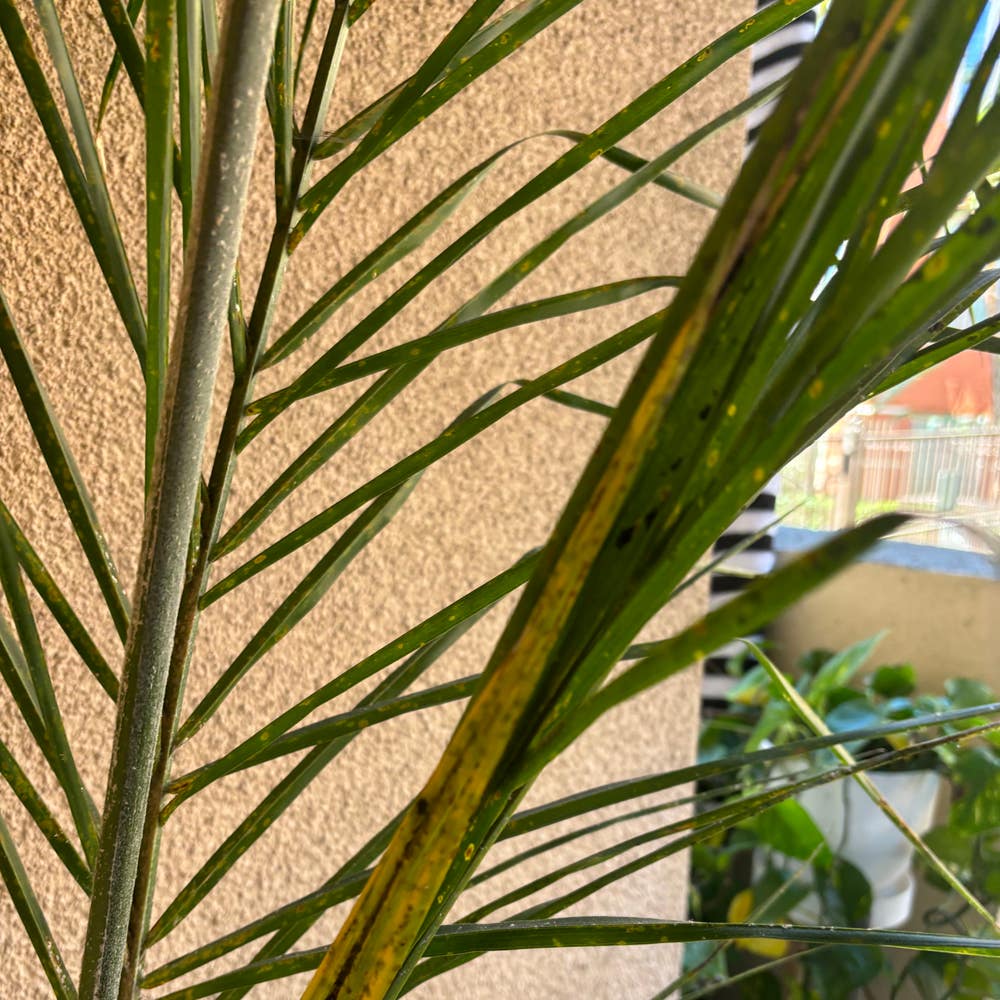
- Leaf issues: Scorching, yellowing, or fuzzy growth can signal stress or disease.
🔍 Symptoms and Causes of Each Problem
Identifying problems early is key to maintaining a healthy plant.
- Watering issues: Yellow leaves often mean too much water, while wilting suggests the opposite.
- Light problems: Scorched leaves indicate excessive sunlight, while leggy growth points to a lack of it.
- Temperature stress: Cold damage manifests as browning or wilting leaves.
- Diseases: Fungal infections can lead to visible spots or decay on leaves.
🛠️ Solutions and Preventive Measures
Addressing these issues promptly can save your plant.
- Watering adjustments: Monitor soil moisture and adjust your watering schedule accordingly.
- Light exposure: Ensure your plant receives the right amount of sunlight based on its needs.
- Temperature control: Protect your plant from cold drafts and extreme temperatures.
- Disease management: Apply fungicides as needed and maintain good air circulation around the plant.
By keeping an eye on these common problems and their symptoms, you can ensure your Syagrus pleiocladoides thrives. Next, let’s explore the pests that might also pose a threat to your plant’s health.
Bugs
🐜 Common Pests
When caring for Syagrus pleiocladoides, be vigilant about pests that can cause significant damage.
Spider Mites: These tiny pests are often identified by their webbing and stippled leaves. Treat infestations with insecticidal soap to eliminate them effectively.
Scale Insects: Look for sticky residue and small bumps on the stems, which indicate scale presence. You can remove them manually or apply horticultural oil for control.
Mealybugs: Recognizable by their cotton-like masses on leaves, mealybugs can be treated with alcohol or insecticidal soap to eradicate them.
🔍 Identification and Damage Caused by Each Pest
Identifying pests early is crucial for maintaining plant health.
Spider Mites: They cause leaf discoloration and can lead to leaf drop if not addressed promptly.
Scale Insects: These pests suck sap from the plant, leading to weakened growth and potential dieback.
Mealybugs: They can stunt growth and cause leaf drop due to their feeding habits.
🛠️ Treatment Options
Managing pest infestations requires a proactive approach.
Chemical Methods: Use appropriate pesticides specifically designed for the pests affecting your plant. Always follow the manufacturer's instructions for safe application.
Organic Remedies: Consider natural solutions like neem oil or insecticidal soap, which can effectively manage pests without harming beneficial insects.
By staying alert to these common pests and employing effective treatment options, you can ensure your Syagrus pleiocladoides thrives in your garden. Next, let’s explore what animals might pose a threat to your plant.
What Eats
Common Animals That May Damage the Plant 🦌
Syagrus pleiocladoides can attract a variety of hungry critters.
Deer: These graceful animals often leave behind chewed fronds, indicating their presence. To deter them, consider using fencing or repellents.
Rabbits: Look for gnawed stems as a telltale sign of rabbit activity. Barriers or repellents can help keep these nibblers at bay.
Squirrels: Known for their mischief, squirrels may strip fronds, causing noticeable damage. Noise or motion-activated devices can discourage their antics.
Signs of Animal Presence and Damage Types 🐾
Identifying the signs of animal presence is crucial for effective management.
Look for specific damage patterns:
- Chewed edges on leaves may indicate deer or rabbits.
- Stripped fronds often point to squirrel activity.
Understanding these signs helps you pinpoint the culprits and take appropriate action.
Deterrent Methods 🚫
Protecting your Syagrus pleiocladoides from herbivores can be achieved through various methods.
Chemical Solutions: Use repellents designed to deter specific animals. These can be effective but should be applied carefully.
Organic Solutions: Consider natural deterrents that are less harmful to the environment.
Physical Barriers: Installing fences or using netting can provide a solid defense against larger animals.
By implementing these strategies, you can safeguard your plant and enjoy its beauty without the worry of unwanted munchers.
⚠️ Safety First
This content is for general information and may contain errors, omissions, or outdated details. It is not medical, veterinary advice, or an endorsement of therapeutic claims.
Always consult a qualified healthcare professional before using any plant as food, medicine, or supplement.
Never eat any plant (or feed one to pets) without confirming its identity with at least two trusted sources.
If you suspect poisoning, call Poison Control (800) 222-1222, the Pet Poison Helpline (800) 213-6680, or your local emergency service immediately.
Spotted an error? Please report it here.
Cultivating a thriving Syagrus pleiocladoides 🌴 is easy when you understand its needs, and with Greg's tailored care reminders, you'll keep your palm healthy and flourishing in no time!