🌴 Syagrus longipedunculata Explained: Key Information
Syagrus longipedunculata
By the Greg Editorial Team
Feb 26, 2025•11 min read
This article was created with the help of AI so we can cover more plants for you. May contain errors. See one? Report it here.
- 🌞 Syagrus longipedunculata needs 6-8 hours of sunlight daily for optimal growth.
- 🌱 Well-draining sandy loam soil with pH 6.0-7.0 is ideal for this palm.
- 💧 Water weekly during dry spells and watch for overwatering signs to ensure health.
How to Grow
Choosing the Right Location 🌞
To thrive, Syagrus longipedunculata needs full sun exposure, ideally basking in 6-8 hours of sunlight daily. It flourishes in warm, tropical climates, so ensure you provide adequate space for its growth and spread.
Soil Preparation and Amendments 🏜️
This palm prefers well-draining sandy loam soil, which allows roots to breathe. Aim for a soil pH between 6.0 and 7.0, and enrich it with organic matter to boost drainage and fertility.
Planting Techniques and Spacing 👩🌾
When planting, dig a hole that allows the base of the plant to sit 1-2 inches below the soil surface. Space your palms 10-15 feet apart for optimal growth, and spring is the best time to plant after the last frost.
Watering Requirements and Schedules 🚰
After planting, give your palm a deep watering to help establish its roots. During dry spells, water weekly, adjusting based on rainfall, and watch for signs of overwatering like yellowing fronds or root rot.
Fertilizing Strategies for Optimal Growth 🍽️
Feed your palm every 6-8 weeks during the growing season with a balanced NPK fertilizer (10-10-10) or a slow-release formula. Apply it evenly around the base, but avoid direct contact with the roots to prevent damage.
Pruning and Maintenance Practices 🛡️
Prune your palm annually or as needed to remove dead fronds. Use clean cuts to prevent disease, and regularly inspect your plant for pests and diseases to keep it healthy.
Container Growing Considerations 🪴
If you're growing Syagrus longipedunculata in a container, choose a pot that's at least 20 gallons to provide sufficient root space. Ensure the pot has drainage holes, and consider its placement for optimal sunlight and protection from wind.
With these guidelines, your palm will be set for a healthy and vibrant life. Next, let’s explore propagation methods to expand your collection!
Propagation
🌱 Seed Propagation Steps
Propagation of Syagrus longipedunculata can begin with seeds. Start by selecting fresh seeds from healthy plants to ensure robust growth.
Next, pre-soak the seeds in water for 24 hours. This simple step enhances germination rates significantly.
Once soaked, sow the seeds 1 inch deep in well-draining soil. Under warm conditions, expect germination in about 2-3 months.
🌿 Division and Offshoot Propagation Methods
Another effective method for propagation is through division and offshoots. The best time for this is in spring, during the plant's active growth phase.
To divide, carefully separate offshoots from the main plant. This technique promotes healthy growth for both the parent and the new plants.
After division, replant the offshoots in well-draining soil and water them thoroughly. This will help establish their roots and encourage new growth.
With these propagation methods, you can expand your collection of Syagrus longipedunculata and enjoy its beauty in multiple locations. Next, let’s explore the lifecycle of this remarkable plant.
Lifecycle
🌱 Lifecycle Stages
The lifecycle of Syagrus longipedunculata begins with germination, where seeds sprout within 2-3 months. Following this, the seedling stage lasts 6-12 months, during which the first fronds develop.
Next comes the vegetative growth phase, a rapid growth period that spans 1-3 years. After this, flowering begins around 3-5 years, producing beautiful clusters of flowers.
Finally, seed production occurs after flowering, with seeds maturing in 6-12 months. This cycle showcases the plant's resilience and adaptability.
⏳ Lifespan and Growth Timeline
Syagrus longipedunculata boasts an impressive lifespan, living for several decades, typically between 20-50 years. It reaches full maturity in approximately 5-7 years, making it a long-term investment for any garden.
Understanding these lifecycle stages helps gardeners anticipate the plant's needs and growth patterns. This knowledge ensures that you can provide the right care at each stage, promoting a thriving, beautiful palm.
As we delve deeper into the benefits of this remarkable plant, you'll discover how it enhances both aesthetics and ecology in your landscape.
Size
🌳 Mature Height and Spread
Syagrus longipedunculata typically reaches impressive heights of 10 to 15 meters (33 to 49 feet). Its spread can extend up to 5 meters (16 feet) in diameter, making it a striking addition to any landscape.
📈 Growth Rate and Factors Affecting Size
This palm has a moderate growth rate, which can be influenced by various environmental factors. Key elements include soil fertility, water availability, and sunlight exposure, all of which play a crucial role in determining how quickly and robustly it grows.
🌱 Size Variability Based on Growing Conditions
The size of Syagrus longipedunculata can vary significantly depending on its growing conditions. For instance, palms planted in the ground often achieve larger sizes compared to those in containers, where space limitations can stunt growth.
Environmental impacts, such as poor soil quality or inadequate sunlight, can also hinder its potential, leading to a less-than-stellar performance. Understanding these factors is essential for anyone looking to cultivate this magnificent palm.
As you consider planting Syagrus longipedunculata, keep in mind how these size dynamics can affect your garden's overall aesthetic and health. Next, let’s explore the root system of this palm and how it contributes to its growth and stability.
Roots
🌱 Description of the Root System
Syagrus longipedunculata features a fibrous root system. This type of root structure is typically shallow but spreads extensively, allowing the plant to anchor itself effectively.
📏 Root Depth and Spread Characteristics
On average, the roots reach a depth of 1-2 feet. They can extend outward, spreading 3-4 feet from the base, which helps the plant absorb nutrients and water efficiently.
🚫 Common Root-Related Issues and Solutions
One of the most common issues is root rot, often caused by overwatering. To prevent this, ensure good drainage in the soil and avoid excessive moisture.
Squishy roots are another sign of poor health, indicating that the plant may be suffering from overwatering. Remedy this by adjusting your watering schedule and allowing the soil to dry out between waterings.
🧐 Identifying Healthy vs. Unhealthy Roots
Healthy roots are firm and exhibit a white or light tan color. In contrast, unhealthy roots appear dark, mushy, or may even emit a foul smell, signaling that the plant is in distress.
🔄 Recognizing and Addressing Rootbound Conditions
Rootbound conditions occur when roots circle the pot, restricting growth. Signs include stunted growth and roots visible at the drainage holes.
To resolve this issue, consider repotting the plant into a larger container or dividing the roots. This will give them the space they need to thrive and continue growing.
With proper care and attention to the root system, your Syagrus longipedunculata can flourish beautifully. Next, let’s explore the benefits this stunning palm brings to your garden.
Benefits
Ornamental and Aesthetic Benefits 🌿
Syagrus longipedunculata boasts stunning feathery fronds that can elevate any landscape design. Its graceful appearance adds vertical interest, making it a striking focal point in gardens.
Environmental Benefits 🌍
This palm is not just a pretty face; it plays a vital role in attracting wildlife. Birds and beneficial insects are drawn to its presence, enhancing local biodiversity.
Cultural Significance and Symbolism 🎭
In tropical landscapes, Syagrus longipedunculata symbolizes resilience and beauty. Its exotic look makes it a popular choice in landscaping, embodying the allure of lush environments.
Economic Benefits 💰
From a financial perspective, this palm is a gem in the landscaping and ornamental horticulture markets. Properly placed, it can significantly increase property value, making it a smart investment for homeowners.
Health Benefits 🏥
Beyond aesthetics, Syagrus longipedunculata contributes to improved indoor air quality through its air purification properties. Additionally, it provides shade and cooling in outdoor spaces, enhancing comfort during hot weather.
Transitioning from the numerous benefits of Syagrus longipedunculata, let’s explore the concept of companion planting and how it can enhance your gardening experience.
Companion Plants
🌱 Explanation of Companion Planting and Its Benefits
Companion planting involves growing different species together to enhance their growth and health. This practice can lead to improved pest management, increased growth rates, and greater garden diversity.
🌿 List of Compatible Companion Plants
When selecting companions for Syagrus longipedunculata, consider other palms, tropical plants, and flowering shrubs. These plants often share similar care requirements and can create a visually appealing landscape.
🤝 Explanation of Symbiotic Relationships
Plants can support each other through nutrient sharing and pest deterrence. For example, pairing Syagrus longipedunculata with nitrogen-fixing plants can enrich the soil, while certain flowering plants can attract beneficial insects that help control pests.
🚫 Plants to Avoid Near Syagrus longipedunculata
Be cautious of planting heavy feeders or species with aggressive root systems nearby. These plants can compete for nutrients and space, potentially stunting the growth of Syagrus longipedunculata.
Incorporating the right companions can significantly enhance the health and aesthetics of your garden. Next, let's explore common problems that may arise when growing this beautiful palm.
Problems
🌱 Common Issues
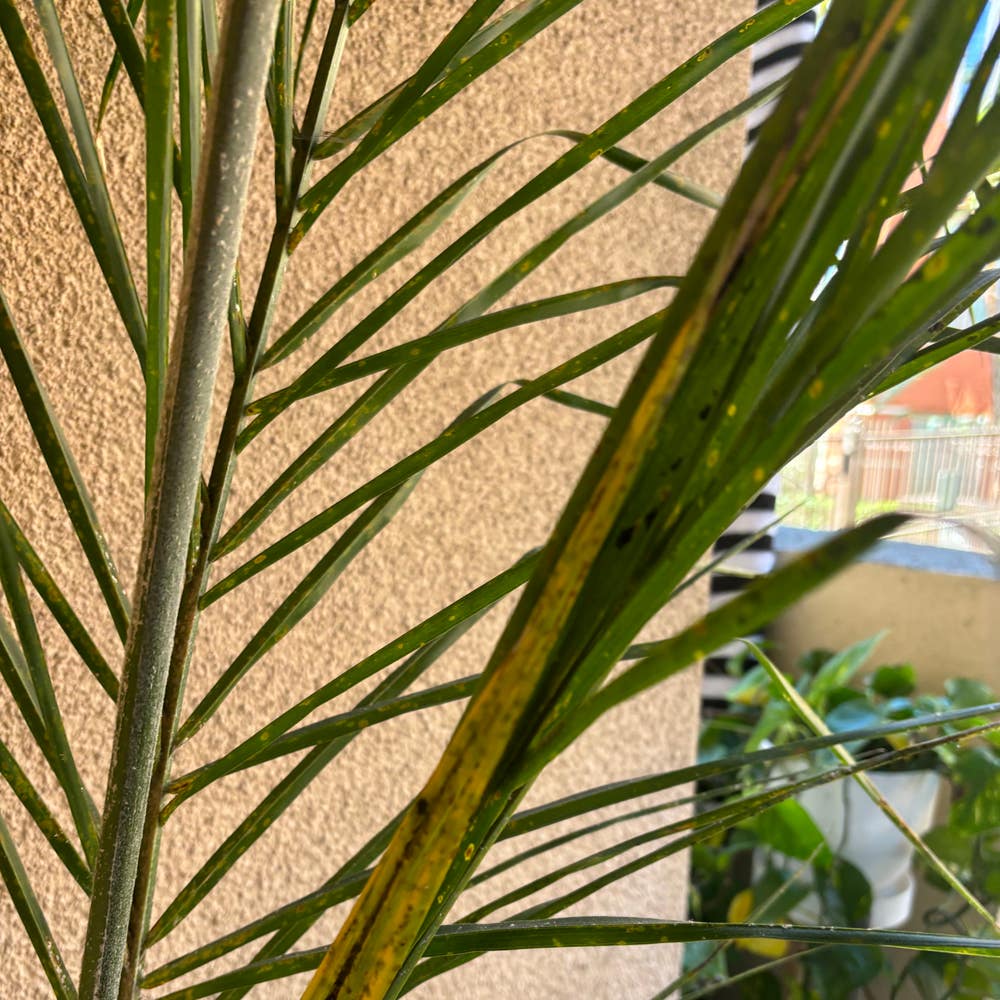
Growing Syagrus longipedunculata can come with its share of challenges. Incorrect watering is a primary concern; overwatering leads to yellowing fronds, while underwatering causes wilting.
Light conditions also play a crucial role. Too much sunlight can scorch the leaves, while insufficient light may stunt growth and lead to leggy plants.
🦠 Diseases
Fungal diseases can threaten your palm's health. Common issues include powdery mildew, rust, black rot, and blight, each presenting unique symptoms.
Identifying these diseases early is key. Look for white powdery spots, dark patches, or wilting leaves to catch problems before they escalate.
🌿 Root Problems
Root rot is a significant issue, often caused by excessive moisture. Signs include dark, mushy roots that indicate poor health.
Squishy roots are another red flag, typically signaling overwatering. Adjust your watering schedule to prevent these issues from taking hold.
🍃 Leaf Issues
Leaf scorching can occur due to intense sunlight or high temperatures. To prevent this, provide some afternoon shade during peak heat.
Yellowing leaves often indicate nutrient deficiencies or watering problems. Regularly check your soil and adjust your fertilization and watering practices accordingly.
📉 Growth Problems
If your Syagrus longipedunculata isn't growing, several factors could be at play. Poor soil quality, inadequate light, or improper watering can all hinder growth.
Leaning or leggy growth suggests your plant is stretching for light. Adjust its placement or provide support to encourage a more upright posture.
In summary, being aware of these common problems can help you maintain a healthy Syagrus longipedunculata. With the right care, you can enjoy the beauty of this palm for years to come.
Bugs
Overview of Pest Resistance and Susceptibility 🐜
Syagrus longipedunculata, commonly known as the queen palm, exhibits a commendable level of pest resistance. However, it is not entirely immune; certain pests can still pose a threat to its health and vitality.
List of Common Pests Affecting Syagrus longipedunculata 🦠
Spider Mites
These tiny pests can be hard to spot but leave telltale signs like webbing and stippling on leaves. They thrive in dry conditions, sucking sap and weakening the plant.
Scale Insects
Scale insects appear as small, immobile bumps on stems and leaves. They feed on plant sap, leading to yellowing leaves and stunted growth.
Mealybugs
Mealybugs look like small cottony masses on the plant. They can cause leaf drop and weaken the plant by feeding on its sap.
Identification and Damage Caused by Each Pest 🔍
Aphids
These small, soft-bodied insects cluster on new growth and undersides of leaves. They can cause curling and yellowing of leaves, impacting overall plant health.
Whiteflies
Whiteflies are small, white, moth-like insects that fly up when the plant is disturbed. They weaken the plant by sucking sap and can lead to sooty mold growth.
Effective Treatment Options for Pest Management 🛠️
Organic Methods
Using neem oil or insecticidal soap can effectively manage pest populations without harming beneficial insects. Regular applications can help keep infestations at bay.
Chemical Treatments
In cases of severe infestation, chemical treatments may be necessary. Always follow label instructions for application rates and timing to minimize harm to the plant and surrounding environment.
By staying vigilant and employing these pest management strategies, you can ensure your Syagrus longipedunculata remains healthy and thriving. Next, let’s explore what animals might pose a threat to this beautiful palm.
What Eats Syagrus longipedunculata
🦌 Common Animals That May Damage the Plant
Syagrus longipedunculata, while a stunning addition to any garden, can attract a variety of hungry animals.
Deer are notorious for browsing on its fronds, leaving behind telltale signs like jagged edges and stripped leaves.
Rabbits can also pose a threat, nibbling on lower fronds and stems. Look for clean cuts and droppings nearby as indicators of their presence.
🐿️ Signs of Animal Presence and Types of Damage
Squirrels might not seem like a major threat, but they can cause noticeable damage to the fronds. Their activity often leaves behind chewed leaves and scattered debris.
Birds can also harm the plant, particularly when they peck at the fruit or fronds. To keep them at bay, consider observing their behavior and the types of damage they inflict.
🚫 Deterrent Methods for Managing Animal Interactions
To protect your Syagrus longipedunculata, you can use chemical repellents. These can be effective, but it's essential to follow application guidelines to avoid harming the plant.
For a more natural approach, organic solutions like homemade deterrents can work wonders. Physical barriers, such as fencing or netting, can also provide a protective shield against these hungry visitors.
By understanding the potential threats and employing effective deterrents, you can help your palm thrive in its environment.
⚠️ Safety First
This content is for general information and may contain errors, omissions, or outdated details. It is not medical, veterinary advice, or an endorsement of therapeutic claims.
Always consult a qualified healthcare professional before using any plant as food, medicine, or supplement.
Never eat any plant (or feed one to pets) without confirming its identity with at least two trusted sources.
If you suspect poisoning, call Poison Control (800) 222-1222, the Pet Poison Helpline (800) 213-6680, or your local emergency service immediately.
Spotted an error? Please report it here.
Nurture your Syagrus longipedunculata to new heights 🌴 with Greg's tailored care reminders that ensure it gets the perfect sunlight, watering, and nutrients for vibrant growth!