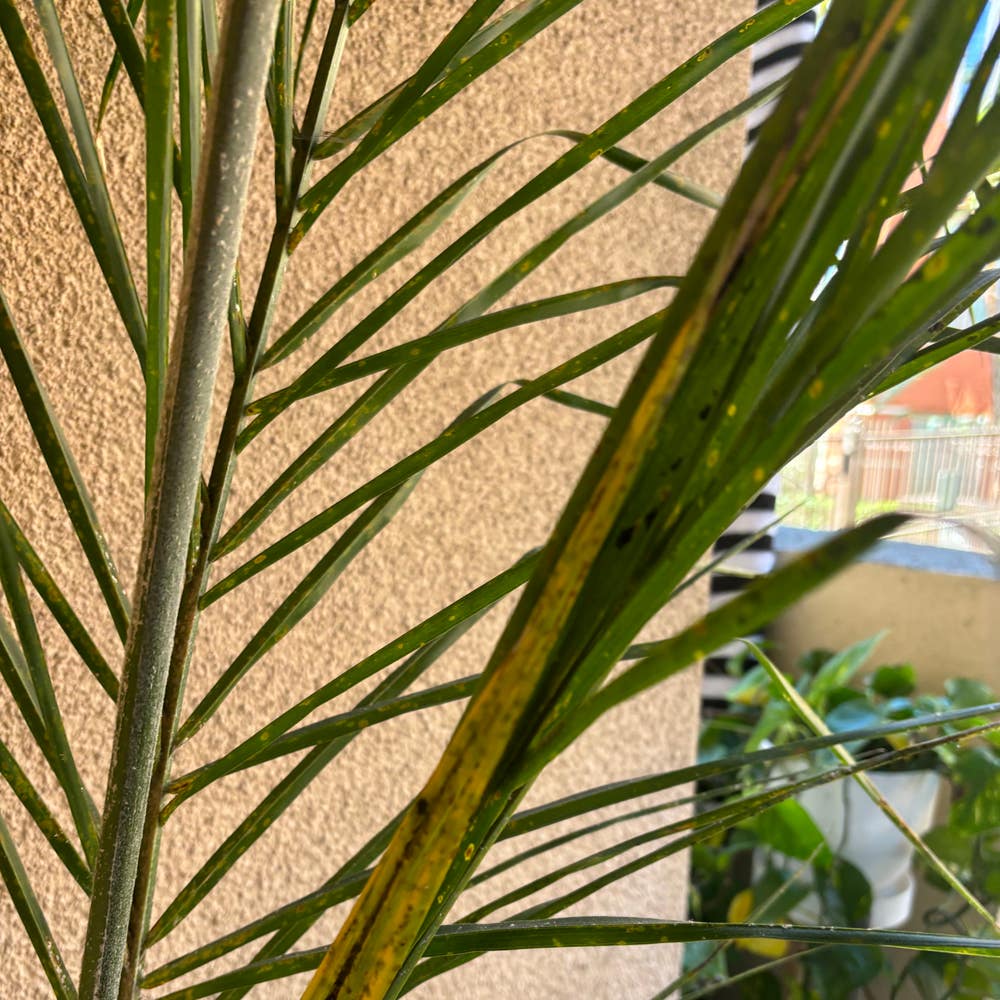
Ultimate Guide to Syagrus itacambirana 🌴
Syagrus itacambirana
By the Greg Editorial Team
Feb 26, 2025•11 min read
This article was created with the help of AI so we can cover more plants for you. May contain errors. See one? Report it here.
Unlock the secrets to thriving Syagrus itacambirana palms 🌴 and elevate your garden's beauty effortlessly! 🌟
- 🌞 Syagrus itacambirana needs at least six hours of sunlight for optimal growth.
- 🌱 Well-draining, fertile soil with pH 6.0-7.0 is crucial for healthy roots.
- 🌳 Mature palms can reach 15 meters tall, making them stunning landscape features.
How to Grow
Choosing a Location 🌞
To thrive, Syagrus itacambirana needs full sun exposure. Whether you’re planting outdoors or in a container, ensure it receives at least six hours of direct sunlight daily for optimal growth.
Soil Preparation 🌱
This palm prefers well-draining, fertile soil. Aim for a pH level between 6.0 and 7.0, which is slightly acidic to neutral, to promote healthy root development.
Planting Techniques 🌍
When planting, make sure the root ball is level with the soil surface. For outdoor planting, space each palm at least 3-4 meters apart to allow for their expansive growth.
Watering Requirements 💧
Regular watering is crucial until the plant is established. Once mature, you can reduce the frequency, but always watch for signs of overwatering or underwatering, such as wilting or yellowing leaves.
Fertilizing Schedule 🍽️
During the growing season, use a balanced NPK fertilizer to nourish your palm. Fertilize every 6-8 weeks to support robust growth and vitality.
Pruning Methods ✂️
Prune your Syagrus itacambirana by removing any dead or damaged fronds. Use clean, sharp pruning shears to prevent disease and promote healthy growth.
Ongoing Care Tips 🔍
Keep an eye out for pests and diseases that may affect your palm. Adjust your care routine based on seasonal changes to ensure it remains healthy and vibrant.
With these foundational care tips, your Syagrus itacambirana will flourish, setting the stage for a beautiful addition to your garden or landscape. Next, let’s explore how to propagate this stunning palm.
Propagation
🌱 Seed Propagation
To propagate Syagrus itacambirana from seeds, start by soaking them in water for 24 hours. This simple step enhances germination, which typically takes 2-3 months under optimal conditions.
✂️ Division Propagation
For division propagation, the best time to act is during the growing season. Use careful techniques to divide the plant without damaging its root system, ensuring a successful transition for both the parent and new plants.
With these propagation methods, you can expand your collection of these beautiful palms and share them with fellow gardening enthusiasts. Next, let’s explore the lifecycle of Syagrus itacambirana and what to expect as it grows.
Lifecycle
Lifecycle Stages 🌱
The lifecycle of Syagrus itacambirana unfolds in distinct stages: seed, seedling, vegetative growth, flowering, and seed production. Each phase is crucial for the plant's development and contributes to its overall health and productivity.
Overall Lifespan ⏳
This palm can live for several decades, making it a long-term investment for any garden. Its longevity allows it to become a staple in landscapes, providing beauty and shade for years.
Growth Rate 📈
The growth rate of Syagrus itacambirana varies from moderate to fast, depending on environmental conditions. Factors such as soil quality, water availability, and sunlight exposure play significant roles in how quickly this palm reaches its full potential.
Understanding these lifecycle stages is essential for successful cultivation. By recognizing the plant's needs at each phase, you can ensure a thriving Syagrus itacambirana that enhances your garden's beauty and biodiversity.
Next, let's explore the impressive size this palm can achieve and what influences its growth.
Size
Mature Height and Spread 🌳
Syagrus itacambirana can reach impressive heights, typically growing up to 15 meters (49 feet). Its spread is equally notable, with a diameter that can extend to 5-6 meters (16-20 feet), making it a striking addition to any landscape.
Growth Rate and Size Variability 📈
The growth rate of this palm varies based on several factors. Key influences include soil quality, water availability, and sunlight exposure, all of which play a crucial role in determining how quickly and robustly your Syagrus itacambirana will thrive.
Understanding these elements can help you create the ideal conditions for your palm to flourish. By optimizing its environment, you can enjoy the full potential of this magnificent plant.
Roots
🌱 Root System Characteristics
Syagrus itacambirana features a fibrous root system that spreads widely, allowing it to anchor securely in the soil. These roots can extend up to 1 meter (3 feet) deep, providing stability and access to nutrients.
⚠️ Common Root-Related Issues
Root rot is a common concern for this palm, often indicated by wilting and yellowing leaves. To combat this, improve drainage and adjust your watering practices to ensure the roots remain healthy.
🔒 Recognizing Rootbound Plants
If you notice stunted growth or roots growing out of drainage holes, your plant may be rootbound. The solution is straightforward: consider repotting or performing root pruning to give your Syagrus itacambirana room to thrive.
Understanding the root system and its needs is crucial for the health of your palm. With proper care, you can prevent common issues and ensure robust growth.
Next, let’s explore the many benefits this beautiful palm brings to your garden.
Benefits
Top 5 Benefits 🌟
1. Ornamental Value
Syagrus itacambirana is a stunning addition to any garden. Its tropical aesthetics can transform your outdoor space into a lush paradise.
2. Drought Resilience
Once established, this palm is remarkably drought-resistant. It requires significantly less water, making it a smart choice for eco-conscious gardeners.
3. Wildlife Attraction
This palm provides a welcoming habitat for various birds and insects. By planting Syagrus itacambirana, you contribute to local biodiversity and enjoy the beauty of nature.
4. Air Purification
Not only does this palm enhance your garden's beauty, but it also helps improve air quality. Its foliage plays a role in filtering pollutants, creating a healthier environment.
5. Cultural Significance
Syagrus itacambirana represents Brazilian heritage and biodiversity. By growing this palm, you connect with a rich cultural history and celebrate the beauty of the tropics.
These benefits make Syagrus itacambirana a fantastic choice for any garden enthusiast. Whether you're looking to enhance your landscape or support local wildlife, this palm delivers on all fronts.
Next, let’s explore the best companion plants that thrive alongside Syagrus itacambirana.
Companion Plants
Best Companion Plants 🌿
When growing Syagrus itacambirana, consider pairing it with other tropical plants that thrive under similar conditions. Plants like Hibiscus, Bird of Paradise, and Philodendron not only complement the aesthetic but also share the same watering and sunlight needs.
These companions can create a vibrant ecosystem. They often support each other by attracting beneficial insects and providing shade, which can help maintain soil moisture.
Plants to Avoid 🚫
While some plants thrive alongside Syagrus itacambirana, others can hinder its growth. Avoid planting species like Bamboo or Eucalyptus, as they tend to compete for nutrients and water.
Additionally, certain flowering plants may attract pests that could harm your palm. Keeping an eye on your garden's dynamics will help ensure a healthy environment for your Syagrus itacambirana.
As you plan your garden, remember that thoughtful plant combinations can enhance growth and beauty. Next, let’s explore the potential toxicity of Syagrus itacambirana to pets and humans.
Toxicity to Humans
When it comes to Syagrus itacambirana, you can breathe easy. This palm is not listed as toxic by major poison control centers, making it a safe choice for gardens and landscapes.
While the plant poses minimal risk of irritation or discomfort, it's always wise to exercise caution. If you experience any unusual symptoms after contact or ingestion, seeking medical advice is a good idea.
In summary, enjoy the beauty of this tropical palm without worrying about toxicity. Its presence can enhance your garden while keeping safety in mind.
Next, let's explore how Syagrus itacambirana interacts with our furry friends, particularly dogs.
Toxicity to Dogs
Syagrus itacambirana is not considered toxic by major pet poison control centers. This means you can enjoy its beauty without worrying about your furry friends getting harmed.
However, if dogs consume large quantities, they may experience mild gastrointestinal upset. It's always best to monitor their behavior around the plant.
🐶 Tips for Introducing to Homes with Dogs
Proper Placement: Position the plant in an area that’s less accessible to your dog. This can help prevent any unwanted nibbling.
Monitoring Behavior: Keep an eye on your dog’s interactions with the plant. If they show interest, redirect their attention to safe chew toys.
By taking these precautions, you can create a harmonious environment where both your plants and pets can thrive.
As you continue to explore the care of Syagrus itacambirana, consider how its presence can enhance your garden while keeping your pets safe. Next, let’s dive into the potential toxicity of this plant to cats.
Toxicity to Cats
Syagrus itacambirana is not recognized as toxic by major pet poison control centers. This means your feline friends can safely coexist with this beautiful palm in your home or garden.
However, it's important to note that if cats consume large quantities of the plant, they may experience mild gastrointestinal upset. Keep an eye on your cat's behavior, especially if they show interest in nibbling on the leaves.
🐾 Tips for Introducing to Homes with Cats
To ensure a harmonious environment, consider these tips when introducing Syagrus itacambirana to your home:
Proper Placement: Position the plant in areas that are less accessible to your cat. High shelves or hanging planters can deter curious paws.
Monitoring Behavior: Observe your cat's interactions with the plant. If they seem overly interested, it might be wise to relocate the palm.
By taking these precautions, you can enjoy the beauty of Syagrus itacambirana while keeping your feline companions safe and sound.
As we move forward, let’s explore the potential problems that can arise when caring for this stunning palm.
Problems
🌱 Common Problems Faced
Growing Syagrus itacambirana can be rewarding, but it’s not without its challenges. Understanding common problems can help you maintain a healthy plant.
💧 Incorrect Watering
Watering is crucial for your palm's health. Overwatering can lead to root rot, evident through wilting and yellowing leaves, while underwatering may cause the fronds to droop and become crispy.
☀️ Incorrect Light Conditions
Light exposure plays a significant role in growth. If your palm shows signs of stunted growth or pale leaves, it may not be receiving enough sunlight. Aim for full sun to ensure optimal health.
🦠 Diseases
Fungal diseases can be a concern for Syagrus itacambirana. Look out for signs like black spots on leaves or a powdery appearance, which may indicate a fungal infection. Treat these issues promptly with appropriate fungicides.
🍃 Leaf Issues
Leaf problems can manifest in various ways. Scorching, yellowing, or browning tips often signal environmental stress, such as inadequate watering or nutrient deficiencies. Regular monitoring can help catch these issues early.
By staying vigilant and addressing these common problems, you can ensure your Syagrus itacambirana thrives. Next, let’s explore the potential pests that could pose a threat to your palm.
Bugs
🐛 Potential Pest Issues
When it comes to pests, Syagrus itacambirana shows a mix of resilience and vulnerability. While these palms can withstand some pest pressure, they are not entirely immune to infestations.
🦠 Common Pests
Several pests can pose a threat to your palm's health. Keep an eye out for:
- Spider Mites: Tiny but mighty, they can cause significant damage by sucking the sap from leaves.
- Scale Insects: These pests appear as small, waxy bumps on stems and leaves, draining nutrients from your plant.
- Mealybugs: Recognizable by their cotton-like appearance, they can weaken your palm and lead to sooty mold.
- Aphids: These small, soft-bodied insects can cluster on new growth, causing distortion and stunted growth.
- Whiteflies: Often found on the undersides of leaves, they can cause yellowing and wilting.
🧪 Treatment Options for Pest Control
Addressing pest issues promptly is crucial for maintaining your palm's health. Here are some effective treatment options:
- Organic Methods: Introduce beneficial insects like ladybugs or use insecticidal soap to control infestations naturally.
- Chemical Methods: If the problem escalates, consider using systemic insecticides that target specific pests without harming your palm.
Regular monitoring and early intervention can keep your Syagrus itacambirana thriving. With the right care, you can enjoy the beauty of this palm without the worry of pest damage.
Next, let's explore the common problems faced by this resilient plant and how to tackle them effectively.
What Eats
Common Animals That May Damage 🦌
When it comes to protecting your Syagrus itacambirana, be aware of potential threats from local wildlife. Deer, rabbits, squirrels, and rodents are known culprits that may cause damage to your palm.
Signs of Animal Presence and Damage 🐾
Identifying signs of animal activity is crucial for timely intervention. Look for chewed fronds, tracks around the base of the plant, and droppings nearby, which indicate that your palm has attracted some unwanted attention.
Deterrent Methods for Protecting the Plant 🚧
To safeguard your plant, consider implementing a few deterrent strategies. Chemical repellents can be effective, but physical barriers like fencing or netting often provide the best protection against these hungry visitors.
By staying vigilant and proactive, you can ensure your Syagrus itacambirana thrives without the interference of local fauna. Next, let’s explore common problems faced by this resilient palm.
⚠️ Safety First
This content is for general information and may contain errors, omissions, or outdated details. It is not medical, veterinary advice, or an endorsement of therapeutic claims.
Always consult a qualified healthcare professional before using any plant as food, medicine, or supplement.
Never eat any plant (or feed one to pets) without confirming its identity with at least two trusted sources.
If you suspect poisoning, call Poison Control (800) 222-1222, the Pet Poison Helpline (800) 213-6680, or your local emergency service immediately.
Spotted an error? Please report it here.
Cultivating a stunning Syagrus itacambirana 🌴 is easy when you leverage Greg's tailored care reminders and expert tips to meet its unique needs for thriving growth!