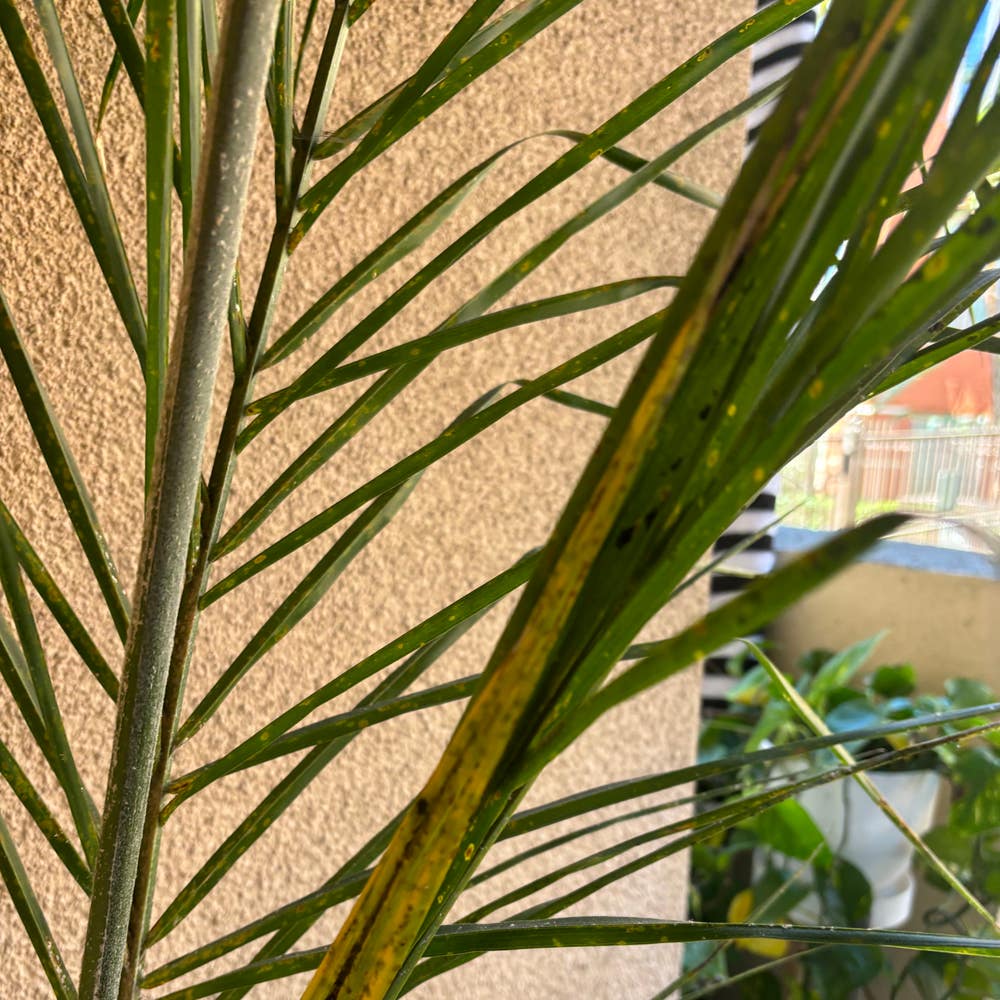
Syagrus gouveiana: A Comprehensive Overview
Syagrus gouveiana
By the Greg Editorial Team
Feb 26, 2025•11 min read
This article was created with the help of AI so we can cover more plants for you. May contain errors. See one? Report it here.
Elevate your garden's beauty and sustainability with the stunning Syagrus gouveiana palm! 🌴🌱
- 🌞 Syagrus gouveiana needs 6-8 hours of sunlight daily for optimal growth.
- 🌱 Well-draining soil with pH 6.0-7.0 is essential for healthy development.
- 🐾 This palm is non-toxic to pets, making it safe for family gardens.
How to Grow
🌞 Choosing a Location
To thrive, Syagrus gouveiana needs full sun exposure, ideally basking in 6-8 hours of sunlight daily. It flourishes in warm, tropical, or subtropical climates, so choose a location that meets these conditions and provides ample space for growth.
🌱 Soil Preparation
This palm prefers well-draining sandy or loamy soil. Aim for a slightly acidic to neutral pH, ideally between 6.0 and 7.0, and consider adding organic matter to enhance drainage and fertility.
🌳 Planting Techniques
When planting, ensure the root ball is level with the soil surface for optimal growth. Space your plants 10-15 feet apart to accommodate their mature size, and spring or early summer is the best time for planting.
💧 Watering Requirements
After planting, give your Syagrus a deep watering to help establish its roots. Continue to water regularly until the plant is established, then reduce the frequency, watching for signs of overwatering, like yellowing leaves, or underwatering, indicated by wilting.
🌿 Fertilizing Schedule
Use a balanced NPK fertilizer, such as 10-10-10, to nourish your palm. Apply it every 6-8 weeks during the growing season, following the package instructions for the correct dosage.
✂️ Pruning and Ongoing Care
Regularly prune away any dead or damaged fronds to keep your palm healthy. Additionally, inspect your plant for pests and diseases, and consider using organic mulch to retain moisture and suppress weeds.
With these steps, you'll create a thriving environment for your Syagrus gouveiana, setting the stage for its beautiful growth. Next, let’s explore how to propagate this stunning palm.
Propagation
🌱 Seed Method
To propagate Syagrus gouveiana from seeds, start by selecting fresh seeds. Fresh seeds significantly enhance germination rates, ensuring a robust start for your new plants.
Next, create the ideal germination conditions. Seeds thrive in a warm, humid environment, ideally between 70-85°F.
Germination typically takes about 2-3 months. Patience is key, as this period allows the seeds to develop strong roots and shoots.
🌿 Offshoot Method
Another effective propagation method involves using offshoots. Look for healthy suckers at the base of the parent plant; these are signs of a thriving Syagrus gouveiana.
When you're ready to remove an offshoot, use clean, sharp tools to cut it off. This minimizes damage and helps ensure the offshoot's survival.
After removal, replant the offshoot in well-draining soil. Water it thoroughly to help establish roots and encourage growth.
With these propagation techniques, you can expand your Syagrus gouveiana collection and enjoy its beauty in multiple locations. Next, let’s explore the lifecycle of this remarkable plant.
Lifecycle
Stages of Growth 🌱
Syagrus gouveiana is a perennial plant, meaning it lives for multiple years and continues to grow. Its lifecycle consists of several distinct stages: seed, seedling, vegetative, flowering, and seed production.
Lifespan and Maturity ⏳
This palm can thrive for several decades, showcasing its resilience and adaptability. It typically reaches maturity within 10 to 15 years, making it a long-term addition to your garden.
Understanding these stages helps in nurturing the plant effectively, ensuring it flourishes throughout its lifecycle. As you cultivate Syagrus gouveiana, you'll witness its transformation from a tiny seed to a majestic palm, enriching your outdoor space for years to come.
Next, let’s explore the size characteristics of this remarkable plant.
Size
🌱 Growth Characteristics
Syagrus gouveiana is a striking palm that can reach a mature height of 20 to 30 feet. Its impressive spread ranges from 10 to 15 feet wide, making it a standout feature in any landscape.
📈 Growth Rate
This palm exhibits a moderate growth rate, typically adding about 1 to 2 feet each year. With proper care, you can enjoy its majestic presence as it gradually matures over time.
📏 Space Considerations
When planning your garden, consider the ample space required for Syagrus gouveiana. Its size not only enhances your outdoor aesthetic but also provides a lush, tropical feel that can transform any area into a serene oasis.
🏁 Conclusion
Understanding the size and growth characteristics of Syagrus gouveiana is crucial for successful cultivation. With the right conditions, this palm can thrive and become a beautiful focal point in your garden. Next, let’s explore the roots of this fascinating plant and their role in its overall health.
Roots
Root System 🌱
Syagrus gouveiana features a robust fibrous root system that provides essential stability. These roots can extend several feet deep, anchoring the plant securely in the soil.
Common Issues ⚠️
While this palm is generally resilient, it can face challenges, particularly with root rot caused by overwatering. Signs of unhealthy roots include wilting or yellowing leaves, indicating that the plant may need immediate attention.
Understanding the root system's health is crucial for the overall well-being of your Syagrus gouveiana. By ensuring proper watering practices and monitoring for signs of distress, you can help your palm thrive and reach its full potential.
Next, let's explore the benefits of growing this stunning palm in your garden.
Benefits
Advantages of Growing 🌴
Growing Syagrus gouveiana offers numerous benefits that can enhance any garden.
Ornamental Appeal: This palm adds a striking tropical aesthetic, making your outdoor space feel like a paradise. Its graceful fronds and stature can elevate the visual interest of your landscape.
Drought Tolerance: Once established, this palm is remarkably drought-tolerant. It requires minimal watering, making it an excellent choice for low-maintenance gardens.
Wildlife Attraction: Syagrus gouveiana provides a habitat for various birds and insects. Its presence can encourage biodiversity, bringing life and activity to your garden.
Air Purification: This palm contributes to improved air quality. By absorbing carbon dioxide and releasing oxygen, it plays a role in creating a healthier environment.
Erosion Control: Its robust root system helps stabilize soil, particularly in coastal areas. This makes it a valuable addition for preventing erosion and maintaining soil integrity.
Incorporating Syagrus gouveiana into your garden not only enhances its beauty but also supports the ecosystem and promotes sustainability.
Ready to learn more about how to propagate this stunning palm? Let's dive into the next section!
Companion Plants
Best Companions 🌺
When growing Syagrus gouveiana, consider pairing it with vibrant companions like Hibiscus and Bougainvillea. These tropical plants not only share similar care requirements but also enhance the aesthetic appeal of your garden.
Why They Work Well Together 🌞
Hibiscus thrives in full sun and enjoys well-draining soil, just like the Syagrus. Bougainvillea, with its stunning colors, complements the palm's lush foliage, creating a tropical paradise in your backyard.
Additional Companions 🌴
You might also explore other tropical plants that can coexist harmoniously with Syagrus gouveiana. Consider adding:
- Bird of Paradise: Offers striking flowers and similar light needs.
- Plumeria: Adds fragrant blooms and thrives in warm climates.
These plants not only beautify your space but also create a thriving ecosystem that attracts beneficial wildlife.
Final Thoughts 🌟
Choosing the right companion plants can elevate your garden's beauty and health. By selecting plants with similar care needs, you ensure a harmonious environment that flourishes together.
Next, let's dive into the fascinating lifecycle of Syagrus gouveiana and understand its growth stages.
Toxicity to Humans
Safety Overview 🌿
Syagrus gouveiana is a safe choice for your garden, as it is not listed as toxic by major health organizations. This means you can handle it without worry, and even if ingested in small amounts, the risk remains minimal.
Handling and Care 👐
When working with this palm, you can feel confident that it poses no significant health risks. Its non-toxic status makes it a great addition to family-friendly gardens, allowing you to enjoy its beauty without concern for safety.
Conclusion 🎉
In summary, Syagrus gouveiana is a delightful, non-toxic plant that enhances your garden's aesthetic while ensuring peace of mind. As you explore its many benefits, you can appreciate its role in creating a vibrant, safe outdoor space.
Next, let’s delve into its safety around pets, particularly dogs.
Toxicity to Dogs
Safety Overview 🐶
Syagrus gouveiana is considered non-toxic to dogs, meaning it won't cause harm if your furry friend decides to take a nibble. Pet poison control centers do not list it as toxic, so you can relax knowing your pup can safely roam around this plant.
General Safety ⚠️
While it's safe for dogs, consuming large amounts may lead to mild gastrointestinal upset. It's always a good idea to monitor your pet's behavior and health, especially if they have a penchant for munching on plants.
In summary, Syagrus gouveiana poses minimal risk to dogs, making it a great addition to your garden without the worry of toxicity. As you enjoy your garden, you can feel confident that your canine companion can explore without danger.
Next, let’s dive into the toxicity of Syagrus gouveiana concerning our feline friends.
Toxicity to Cats
Safety Overview 🐱
Syagrus gouveiana is considered non-toxic to cats, according to pet poison control centers. This means you can enjoy this beautiful palm in your home or garden without worrying about your feline friends.
General Safety ⚠️
While it's safe around cats, it's worth noting that excessive consumption of any plant material can lead to mild gastrointestinal upset. Keeping an eye on your cat's behavior around the plant is always a good idea, just to ensure they don’t overindulge.
Conclusion 🌿
In summary, Syagrus gouveiana poses no significant risk to cats, making it a great addition to your pet-friendly garden. With its lush appearance and minimal toxicity, you can create a vibrant space that both you and your pets can enjoy.
As we move on, let’s explore the potential problems that can arise when growing this palm.
Problems
Common Issues 🌱
Growing Syagrus gouveiana can be a rewarding experience, but it’s essential to be aware of potential problems that may arise. Understanding these common issues will help you maintain a healthy and thriving plant.
Incorrect Watering 🚰
Watering is crucial for your palm's health. Overwatering can lead to yellowing leaves, indicating root stress, while underwatering results in wilting, showing your plant is thirsty.
Light Conditions ☀️
Light plays a vital role in growth. Too much sun can cause leaf burn, while insufficient light may result in leggy growth, as the plant stretches toward the light source.
Diseases 🦠
Fungal diseases can pose a threat to your Syagrus gouveiana. Watch for signs of powdery mildew, which appears as a white powdery coating, and black rot, characterized by dark, mushy spots on the fronds.
By keeping an eye on these common issues, you can ensure your palm remains healthy and vibrant. Next, let’s explore the pests that might invade your garden and how to manage them effectively.
Bugs
🐜 Pest Issues
When growing Syagrus gouveiana, be on the lookout for common pests that can affect its health. Two of the most notorious culprits are spider mites and scale insects.
🕷️ Spider Mites
Spider mites are tiny pests that can wreak havoc on your palm. They leave behind fine webbing and cause stippled leaves, which can make your plant look unhealthy.
To combat spider mites, ensure your plant has adequate humidity and consider using insecticidal soap or neem oil for treatment. Regularly inspecting your plant can help catch these pests early.
🐞 Scale Insects
Scale insects are another concern for Syagrus gouveiana. They appear as small, sticky spots on the leaves and can lead to yellowing foliage.
If you notice scale, gently wipe the affected areas with a damp cloth or use a soft brush to remove them. In severe cases, applying horticultural oil can help eliminate these pests.
🚫 Prevention Tips
To keep your palm healthy, maintain proper care practices. Here are some quick tips:
- Regular Inspections: Check your plant weekly for any signs of pests.
- Healthy Environment: Ensure your palm is in optimal growing conditions to reduce stress.
- Natural Predators: Encourage beneficial insects like ladybugs that can help control pest populations.
By staying vigilant and proactive, you can protect your Syagrus gouveiana from these pesky bugs and enjoy its beauty for years to come. Next, let’s explore what animals might interact with your palm and how to deter them effectively.
What Eats
🦌 Animal Interactions
When it comes to Syagrus gouveiana, several common animals may take an interest in your palm. Deer, rabbits, squirrels, and various birds are known to nibble on its fronds, potentially causing noticeable damage.
🚨 Signs of Damage
Keep an eye out for specific signs that indicate your palm is being targeted. Chewed fronds, hoof prints in the soil, and gnaw marks on the trunk are all clear indicators that wildlife is enjoying your plant a bit too much.
🛡️ Deterrent Methods
To protect your Syagrus gouveiana, consider implementing a few deterrent strategies. Chemical repellents can be effective, but physical barriers like fencing or netting may provide a more reliable solution to keep those hungry critters at bay.
With these insights, you can enjoy the beauty of your palm while minimizing the impact of local wildlife. Next, let’s explore the common problems that can arise when growing this tropical beauty.
⚠️ Safety First
This content is for general information and may contain errors, omissions, or outdated details. It is not medical, veterinary advice, or an endorsement of therapeutic claims.
Always consult a qualified healthcare professional before using any plant as food, medicine, or supplement.
Never eat any plant (or feed one to pets) without confirming its identity with at least two trusted sources.
If you suspect poisoning, call Poison Control (800) 222-1222, the Pet Poison Helpline (800) 213-6680, or your local emergency service immediately.
Spotted an error? Please report it here.
Cultivate a thriving Syagrus gouveiana 🌴 with Greg's tailored watering reminders and expert tips, ensuring your palm flourishes beautifully in your garden!