Syagrus evansiana Explained: Key Information 🌴
Syagrus evansiana
By the Greg Editorial Team
Feb 26, 2025•10 min read
This article was created with the help of AI so we can cover more plants for you. May contain errors. See one? Report it here.
Unlock the secrets to thriving Syagrus evansiana palms 🌴 and elevate your garden's beauty with expert care tips! 🌱
- 🌞 Syagrus evansiana needs 6-8 hours of sunlight daily for optimal growth.
- 🌱 Well-draining soil with pH 6.0-7.0 is essential for healthy development.
- 💧 Water weekly during dry spells and avoid overwatering for best results.
How to Grow
🌞 Choosing the Right Location
To thrive, Syagrus evansiana needs full sun exposure, ideally receiving 6-8 hours of sunlight daily. This palm flourishes in tropical regions, particularly suited for USDA zones 10-11, making it a perfect choice for warm climates.
When planting near coastal areas, consider salt tolerance and wind protection. These factors are crucial for ensuring the plant's health and longevity in challenging environments.
🏗️ Soil Preparation and Amendments
The right soil is essential for Syagrus evansiana. Aim for well-draining sandy or loamy soil to prevent waterlogging and root issues.
A slightly acidic to neutral pH, ranging from 6.0 to 7.0, is ideal. Incorporating organic matter can significantly improve drainage and fertility, setting your palm up for success.
🌱 Planting Techniques and Spacing
When planting, ensure the depth matches that of the nursery container. This consistency helps the plant adjust more easily to its new environment.
Space your palms 5-10 feet apart to allow for optimal growth. The best time to plant is in spring, after the last frost, ensuring a healthy start.
💧 Watering Requirements and Schedules
After planting, give your Syagrus a deep watering to establish roots. Moving forward, adjust your watering frequency based on soil moisture, typically watering weekly during dry spells.
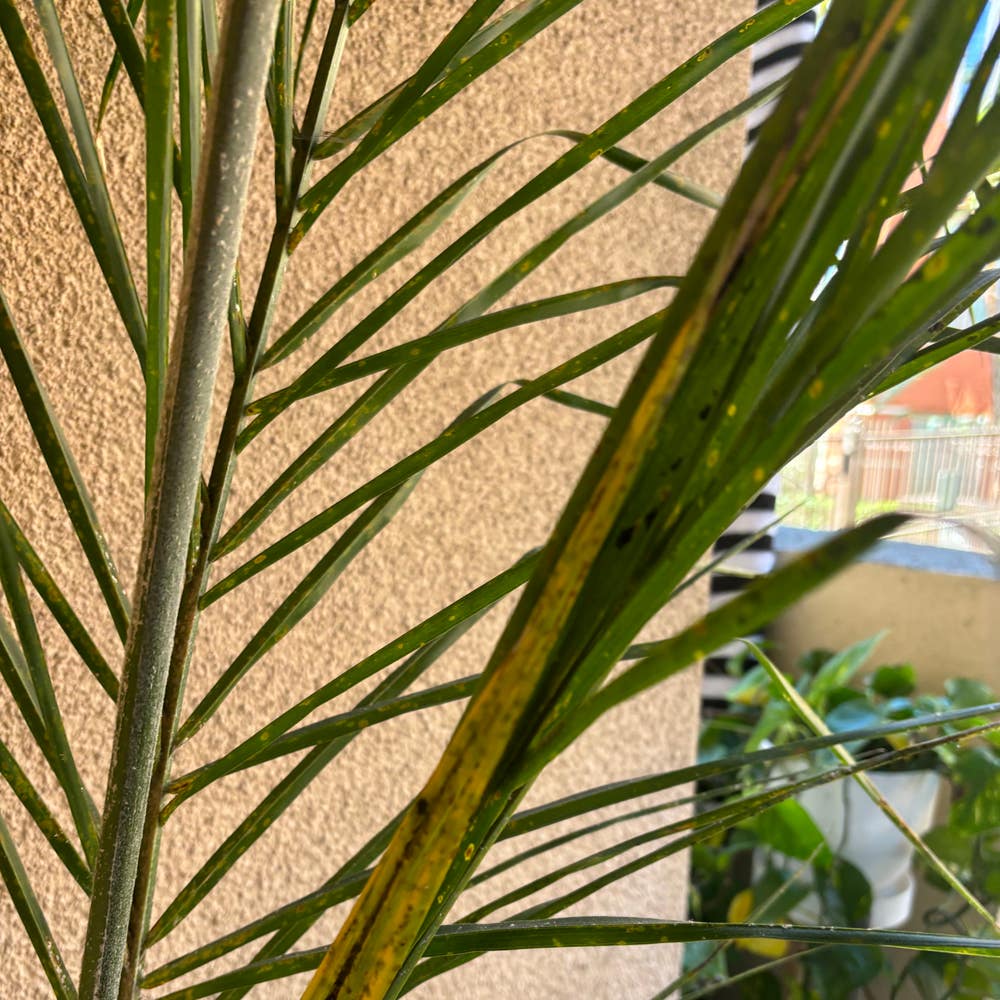
Watch for signs of overwatering, such as yellowing fronds or root rot. These indicators can help you maintain a healthy watering routine.
🌿 Fertilizing Methods and Schedules
Using a balanced slow-release fertilizer is key to nurturing your palm. Fertilize every 6-8 weeks during the growing season to keep it thriving.
Focus on essential nutrients like nitrogen, phosphorus, and potassium. This balanced approach will support robust growth and vibrant foliage.
✂️ Pruning and Ongoing Care Tips
Prune your Syagrus evansiana annually to remove any dead or damaged fronds. Using clean, sharp pruning shears will help prevent disease and promote healthy growth.
Regularly monitor your palm for pests and diseases. Staying proactive in care will ensure your plant remains healthy and beautiful throughout its life.
With these tips, you're well on your way to successfully growing Syagrus evansiana. Next, let’s explore how to propagate this stunning palm for even more greenery in your garden!
Propagation
🌱 Seed Propagation Steps
Propagation of Syagrus evansiana can be a rewarding experience. Start by selecting fresh seeds, as they yield higher germination rates.
Next, soak the seeds in water for 24 hours to enhance their germination potential. After soaking, plant the seeds 1 inch deep in well-draining soil.
Germination typically takes 2-3 months, especially under warm conditions. Patience is key during this stage, as the seeds begin to sprout.
🌿 Division and Offset Propagation Methods
Another effective method for propagation is through division and offsets. Begin by identifying small pups at the base of the parent plant.
Once you spot these offsets, carefully separate them, ensuring that the roots remain intact. This step is crucial for the health of the new plants.
After removal, replant the offsets in well-draining soil and water them thoroughly. This method not only expands your garden but also promotes healthy growth for both the parent and new plants.
With these propagation techniques, you can easily multiply your Syagrus evansiana and enjoy its beauty in various locations. Next, let’s explore the lifecycle of this fascinating palm.
Lifecycle
Lifecycle Stages 🌱
The lifecycle of Syagrus evansiana begins with germination, where seeds sprout within 2-3 months. Following this, the seedling stage lasts 6-12 months, during which the first fronds develop.
Next comes the vegetative growth phase, a period of rapid growth that can last several years. After 3-5 years, the plant enters the flowering stage, producing beautiful clusters of flowers.
Finally, seed production occurs post-pollination, typically in late summer, completing the cycle.
Lifespan and Growth Timeline ⏳
Under optimal conditions, Syagrus evansiana can enjoy an impressive lifespan of 20-30 years. It takes about 5-7 years for the plant to reach its full height, making it a long-term investment for any garden enthusiast.
Understanding these stages helps you appreciate the growth journey of this remarkable palm. As you nurture it, you’ll witness its transformation from a tiny seed to a majestic plant, enriching your garden for decades to come.
With this knowledge, you’re well-equipped to support its lifecycle effectively. Next, let’s explore the size of this stunning palm and how it can fit into your landscape.
Size
Mature Height and Spread 🌳
Syagrus evansiana can reach a mature height of 10 to 15 feet, making it a striking addition to any landscape. Its spread typically ranges from 5 to 10 feet, allowing for ample space to showcase its feathery fronds.
Growth Rate and Factors Affecting Size 📈
This palm boasts an average growth rate of 1 to 2 feet per year. Under optimal conditions, it achieves its full size in about 10 years, rewarding patience with its impressive stature.
Size Variability Based on Growing Conditions 🌱
Growing conditions significantly influence size. Plants in containers often remain smaller compared to those planted in the ground, where they can fully expand.
Soil quality plays a crucial role as well; rich, well-draining soil promotes larger growth. Ensuring your Syagrus evansiana has the right environment will help it thrive and reach its potential.
As you consider planting, remember that the right conditions can make all the difference in achieving a lush, vibrant palm. Next, let’s explore the fascinating lifecycle of this remarkable plant.
Roots
Characteristics of the Root System 🌱
Syagrus evansiana features a fibrous root system that typically extends 2-3 feet deep. Interestingly, these roots can spread wider than the canopy, allowing the plant to stabilize itself effectively.
Common Root-Related Issues and Solutions 🚨
One common issue is root rot, often caused by overwatering. To prevent this, ensure proper drainage in the planting area.
Another sign of trouble is squishy roots, which indicate poor health. Adjusting your watering practices can help remedy this condition.
Identifying Healthy vs. Unhealthy Roots 🧐
Healthy roots are firm, white, and spread evenly throughout the soil. In contrast, unhealthy roots appear dark, mushy, or may even emit a foul smell.
Recognizing and Addressing Rootbound Conditions 🔗
If you notice roots growing out of the drainage holes, your plant may be rootbound. The solution is simple: repot into a larger container or divide the plant to promote healthy growth.
Understanding the root system of Syagrus evansiana is crucial for its overall health. With proper care, you can ensure your palm thrives beautifully in your garden.
Benefits
Ornamental Appeal and Landscaping Uses 🌴
Syagrus evansiana, with its attractive feathery fronds, can elevate the aesthetics of any garden. This palm is particularly well-suited for tropical and coastal landscaping, adding a touch of elegance and vibrancy.
Environmental Benefits 🌍
This palm plays a vital role in air purification, contributing to improved air quality. Additionally, it helps stabilize soil in coastal areas, making it an excellent choice for erosion control.
Cultural Significance and Symbolism 🎭
In many tropical cultures, Syagrus evansiana symbolizes resilience and beauty. It is often featured in traditional landscaping designs, reflecting the rich heritage of the regions where it thrives.
Economic Benefits 💰
For those in the landscaping business, this palm is a popular choice for tropical gardens. Its demand in ornamental plant markets can provide a lucrative opportunity for growers and landscapers alike.
Ecological Contributions 🦋
Beyond its beauty, Syagrus evansiana provides essential habitat for local wildlife. By supporting biodiversity in garden ecosystems, it contributes to a healthier environment.
As we explore the many benefits of this remarkable palm, it's clear that Syagrus evansiana is not just a pretty face in the garden. Its contributions extend far beyond aesthetics, making it a valuable addition to any landscape. Next, let's delve into the fascinating world of companion plants that thrive alongside this palm.
Companion Plants
🌱 Explanation of Companion Planting and Its Benefits
Companion planting involves growing different plants together to enhance each other's growth and health. This practice can lead to better pest management, improved growth rates, and increased garden diversity.
🌼 Best Companion Plants
When considering companions for Syagrus evansiana, look to tropical favorites like Hibiscus and Bougainvillea. These plants share similar care requirements and add vibrant aesthetics to your garden.
🚫 Plants to Avoid
It's wise to steer clear of heavy feeders that compete for nutrients. Certain fruit trees and aggressive weeds can hinder the growth of your palm, so keep them at a distance.
By choosing the right companions, you can create a thriving ecosystem that benefits all your plants. This thoughtful approach not only enhances the beauty of your garden but also fosters a healthier environment for your Syagrus evansiana.
Next, let’s explore common problems that can arise when caring for this palm.
Problems
🌱 Common Problems
Maintaining the health of your Syagrus evansiana can be challenging, especially when it comes to watering practices.
💧 Incorrect Watering
Overwatering is a common issue, leading to yellowing fronds and root rot. Conversely, underwatering can cause wilting and browning fronds, signaling that your palm needs immediate attention.
💡 Incorrect Light Conditions
Light conditions also play a crucial role in the plant's health. If you notice leggy growth or pale fronds, it’s a sign that your palm isn’t getting enough light.
To remedy this, simply move your plant to a sunnier location where it can soak up those rays.
🌡️ Incorrect Temperature
Temperature fluctuations can affect your Syagrus evansiana significantly. Leaf scorch may occur in high heat, while cold temperatures can stunt growth.
To protect your plant, provide shade during extreme heat or cover it during colder spells.
🦠 Diseases
Fungal diseases like powdery mildew and rust can threaten your palm's vitality.
Prevent these issues by ensuring good air circulation around the plant and avoiding overhead watering, which can create a damp environment conducive to fungal growth.
🍃 Leaf Issues
Leaf problems often arise from environmental stressors. Scorching, caused by excessive sunlight, can be mitigated by providing partial shade.
Yellowing leaves may indicate a nutrient deficiency or overwatering, so adjusting your care routine is essential to restore your palm's health.
By staying vigilant and addressing these common problems, you can ensure your Syagrus evansiana thrives beautifully in your garden. Next, let’s explore the fascinating world of pests that may affect your palm.
Bugs
Common Pests 🐜
Spider Mites
Spider mites are tiny pests that can wreak havoc on your Syagrus evansiana. You can identify them by the fine webbing they leave on the fronds, which can lead to yellowing leaves if not addressed promptly.
Scale Insects
Scale insects are another common threat. These pests appear as small, brown bumps on the stems and can weaken your plant significantly if left untreated.
Mealybugs
Mealybugs are easily recognizable by their white, cotton-like masses. They can stunt the growth of your palm, making it crucial to act quickly with treatments like neem oil.
Effective Treatment Options 💊
Regular monitoring is key to keeping your plant healthy. Early intervention can save your Syagrus evansiana from serious damage.
Consider using organic pesticides and introducing beneficial insects to your garden. These methods can help maintain a balanced ecosystem while protecting your plant from pests.
By staying vigilant and proactive, you can ensure your palm thrives despite the challenges posed by these common bugs.
What Eats
🦌 Common Animals That May Damage
Several animals might take a liking to your Syagrus evansiana.
- Deer: Look for signs like chewed fronds and tracks around the base of the plant.
- Rabbits: These critters often nibble on the lower fronds, leaving behind telltale signs of their presence.
- Squirrels: They can cause bark damage from their gnawing habits, which can be detrimental to the plant's health.
🕵️♂️ Signs of Animal Presence
Identifying animal damage is crucial for timely intervention.
- Chewed Leaves and Fronds: If you notice irregular bite marks, it’s likely an animal has been feasting.
- Droppings Near the Plant: Animal droppings can indicate which critters are visiting your garden.
🚫 Deterrent Methods
Preventing animal damage can save your plant from unnecessary stress.
- Chemical Repellents: Consider using commercial deer and rabbit deterrents to keep these animals at bay.
- Organic Methods: Planting strong-smelling herbs like mint nearby can naturally deter unwanted visitors.
By being proactive and observant, you can protect your Syagrus evansiana from potential threats. Next, let’s explore the common problems that may arise in its care.
⚠️ Safety First
This content is for general information and may contain errors, omissions, or outdated details. It is not medical, veterinary advice, or an endorsement of therapeutic claims.
Always consult a qualified healthcare professional before using any plant as food, medicine, or supplement.
Never eat any plant (or feed one to pets) without confirming its identity with at least two trusted sources.
If you suspect poisoning, call Poison Control (800) 222-1222, the Pet Poison Helpline (800) 213-6680, or your local emergency service immediately.
Spotted an error? Please report it here.
Cultivate a thriving Syagrus evansiana 🌴 with Greg's personalized care reminders and expert tips to ensure your palm flourishes beautifully in your garden!