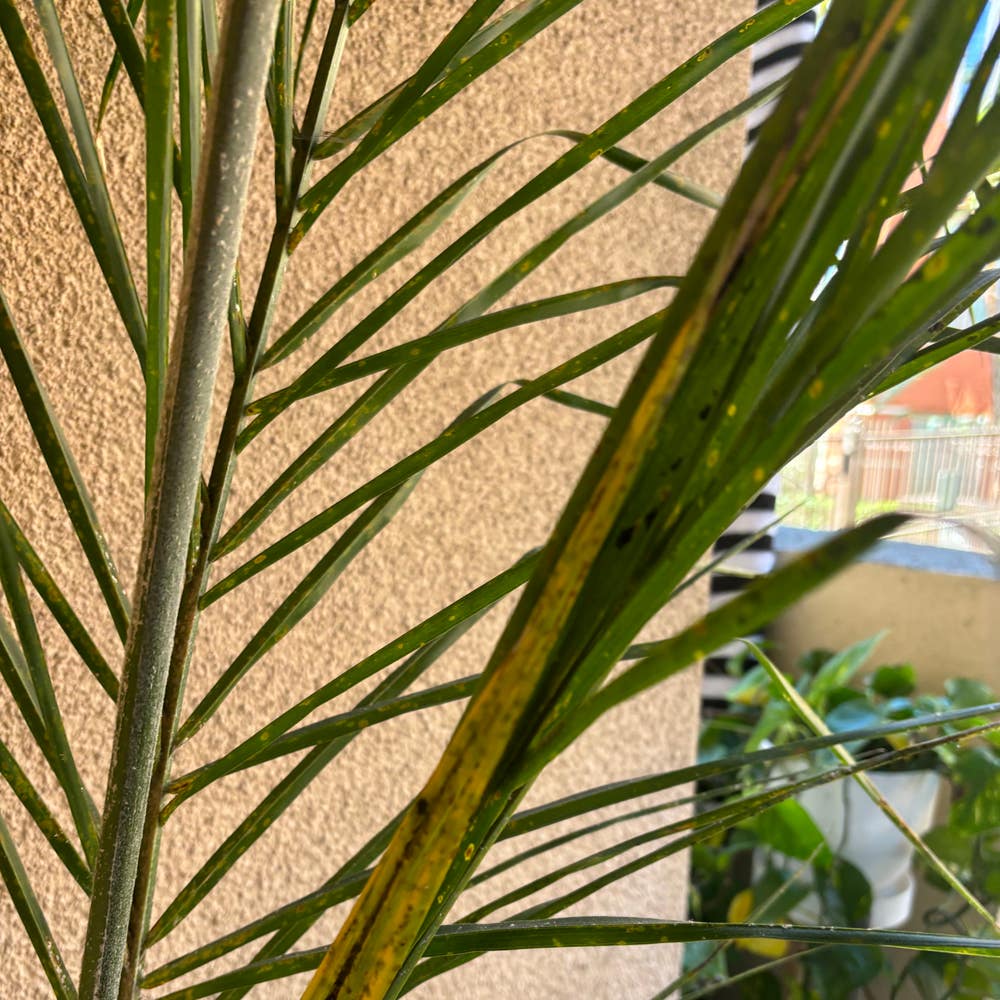
🌴 Understanding Syagrus cerqueirana: The Basics
Syagrus cerqueirana
By the Greg Editorial Team
Feb 26, 2025•11 min read
This article was created with the help of AI so we can cover more plants for you. May contain errors. See one? Report it here.
- 🌞 Syagrus cerqueirana thrives in full sun to partial shade, perfect for diverse gardens.
- 🌱 Well-draining, fertile soil with pH 6.0-7.0 is essential for healthy growth.
- 💧 Regular watering during establishment ensures drought tolerance once mature.
How to Grow
Choosing a Location 🌍
When selecting a location for your Syagrus cerqueirana, aim for full sun to partial shade. This palm thrives in bright light, but it can adapt to slightly shadier spots, making it versatile for various garden settings.
Consider whether you’ll plant it outdoors or in a container. Outdoor growth allows for larger size and natural development, while container growth offers flexibility and easier management.
Soil Preparation 🏞️
Prepare the soil to ensure your palm flourishes. It prefers well-draining, fertile soil that allows roots to breathe and absorb nutrients effectively.
Aim for a pH level between 6.0 and 7.0, which is slightly acidic to neutral. This range supports optimal growth and nutrient uptake.
Planting Techniques 🌱
When planting, ensure the root ball is level with the soil surface. This positioning helps prevent water pooling around the roots, which can lead to rot.
Space your plants adequately, allowing at least 3-5 meters apart. This distance promotes healthy growth and airflow, reducing competition for resources.
Watering Requirements 💧
Initially, keep the soil regularly moist until the plant is established. This period is crucial for developing a strong root system.
Once established, Syagrus cerqueirana can tolerate drought conditions but prefers consistent moisture. Regular watering will keep it vibrant and healthy.
Fertilizing Schedule 🌿
Fertilize your palm every 6-8 weeks during the growing season. This regular feeding supports robust growth and vibrant foliage.
A balanced NPK fertilizer is recommended. This type of fertilizer provides essential nutrients for overall health.
Pruning Methods ✂️
Prune dead or damaged fronds as needed to maintain the palm's appearance and health. Regular pruning encourages new growth and prevents disease.
Always use clean, sharp tools to avoid transmitting diseases. This practice ensures your palm remains healthy and thriving.
Ongoing Care 🔍
Monitor your Syagrus cerqueirana for pests and diseases regularly. Early detection is key to managing any issues that arise.
Adjust your watering and fertilization based on growth conditions. This flexibility allows you to cater to your palm's specific needs as it matures.
With these guidelines, you’re well on your way to nurturing a thriving Syagrus cerqueirana. Next, let’s explore how to propagate this beautiful palm for even more greenery in your garden.
Propagation
🌱 Seed Propagation Steps
Propagation of Syagrus cerqueirana can begin with seeds collected from mature fruits. Start by soaking the seeds in water for 24 hours to enhance germination.
Next, plant the seeds in a well-draining potting mix, covering them lightly. Maintain moisture and warmth during the germination phase, which typically takes 2-3 weeks.
✂️ Division of Established Plants
For those looking to propagate established plants, identify healthy specimens ready for division. Carefully separate the root clumps, ensuring that each division has both roots and fronds.
Once separated, replant the divisions in suitable soil and water them thoroughly to encourage recovery and growth.
🌟 Tips for Successful Propagation
Using fresh seeds can significantly boost your germination rates. Additionally, providing consistent moisture and warmth during the germination phase is crucial for success.
By following these steps, you can expand your collection of Syagrus cerqueirana and enjoy the beauty of these tropical palms in your garden. Next, let’s explore the lifecycle of this fascinating plant and what to expect as it grows.
Lifecycle
Lifecycle Stages 🌱
The lifecycle of Syagrus cerqueirana is fascinating and unfolds in distinct stages.
Germination: Seeds sprout within 2-3 weeks under optimal conditions, marking the beginning of life.
Seedling Stage: This initial growth phase lasts 6-12 months, where the plant establishes its roots and begins to grow.
Vegetative Growth: Typically lasting 2-3 years, this phase is characterized by rapid growth as the plant develops its structure.
Flowering: Around 3-5 years of age, the plant begins to flower, showcasing its beauty and preparing for reproduction.
Seed Production: After flowering, small edible fruits are produced, completing the cycle and allowing for propagation.
Lifespan and Growth Rate ⏳
Syagrus cerqueirana is a long-lived species with a remarkable lifespan.
Average Lifespan: Under ideal conditions, it can live for 30-50 years, providing beauty and benefits for generations.
Time to Maturity: It takes approximately 5-7 years to reach its full height, which is a testament to its steady growth.
Growth Rate: With a moderate growth rate of about 1-2 meters per year, this palm can make a significant impact in your landscape over time.
Understanding these lifecycle stages and growth characteristics is essential for anyone looking to cultivate Syagrus cerqueirana successfully. As we move forward, let's explore how to propagate this remarkable plant and ensure its continued presence in our gardens.
Size
Mature Dimensions 🌴
Syagrus cerqueirana can reach impressive heights of 15 to 20 meters (49 to 66 feet). Its mature spread typically ranges from 3 to 5 meters (10 to 16 feet), making it a striking addition to any landscape.
Growth Rate and Size Variability 📏
This palm exhibits a moderate growth rate, which can be influenced by factors such as sunlight, water availability, and soil quality. Additionally, the size of Syagrus cerqueirana may vary depending on whether it's planted in a container or directly in the ground, as well as the overall environmental conditions it experiences.
Understanding these dimensions and growth factors is essential for planning your garden layout effectively. With the right care, this palm can become a stunning focal point in your outdoor space.
Roots
Characteristics of the Root System 🌱
Syagrus cerqueirana features a fibrous root system that is essential for its growth. Typically, the roots extend 1-2 meters deep and can spread widely, allowing the plant to efficiently seek moisture and nutrients.
Common Root-Related Issues 🚫
One of the most common problems is root rot, which occurs due to overwatering. To prevent this, ensure proper drainage in your planting area.
Another issue is squishy roots, which indicate poor health. If you notice this, adjust your watering practices to promote better root vitality.
Identifying Healthy vs. Unhealthy Roots 🔍
Healthy roots are firm and exhibit a white or light tan color. In contrast, unhealthy roots appear dark, mushy, or may even have a foul smell.
Recognizing Rootbound Plants 🪴
A rootbound plant shows signs such as roots growing out of drainage holes or circling the pot. To manage this, consider repotting into a larger container or planting it directly in the ground.
Understanding the root system of Syagrus cerqueirana is crucial for its overall health and growth. Next, let’s explore the benefits this remarkable plant brings to your garden.
Benefits
Top 5 Benefits 🌟
Ornamental Appeal
Syagrus cerqueirana is a stunning addition to any landscape. Its tropical aesthetics can transform ordinary gardens into vibrant, lush retreats.
Wildlife Attraction
This palm produces small, edible fruits that are a magnet for birds and other wildlife. By planting it, you invite nature into your garden, enhancing biodiversity.
Drought Tolerance
Once established, Syagrus cerqueirana is remarkably drought-tolerant. It requires minimal water, making it a smart choice for eco-conscious gardeners.
Air Purification
This palm contributes to improved air quality. Its lush foliage helps filter pollutants, creating a healthier environment for you and your family.
Cultural Significance
Beyond its beauty, Syagrus cerqueirana embodies tropical resilience. It represents the allure of tropical landscapes, adding cultural depth to your garden.
These benefits make Syagrus cerqueirana not just a plant, but a valuable asset to any outdoor space. As you consider adding this palm to your garden, think about how it can enhance both your environment and your connection to nature.
Companion Plants
🌱 Companion Planting
Companion planting is the practice of growing different plants together to create a mutually beneficial environment. This technique can enhance growth, deter pests, and improve overall garden health.
🌼 Best Companion Plants
When selecting companions for Syagrus cerqueirana, consider other tropical palms, ferns, and flowering plants that thrive in similar conditions.
- Tropical Palms: They share similar light and water needs, creating a cohesive look.
- Ferns: These can provide ground cover and help retain moisture.
- Flowering Plants: Choose varieties that attract pollinators, enhancing biodiversity.
These companions not only enhance garden diversity but also improve pest management and visual appeal.
🚫 Plants to Avoid
It's essential to avoid plants that require excessive moisture or compete for nutrients. Such plants can stress Syagrus cerqueirana, leading to poor growth and health issues.
By carefully selecting companion plants, you can create a thriving ecosystem that supports your Syagrus cerqueirana while adding beauty and resilience to your garden.
As you plan your garden, think about how these relationships can benefit your plants and enhance your outdoor space. This approach sets the stage for a vibrant, healthy landscape.
Next, let’s explore the common problems that can arise when growing Syagrus cerqueirana and how to address them effectively.
Problems
Common Problems 🌱
Maintaining a healthy Syagrus cerqueirana can be tricky, especially when it comes to watering.
Incorrect Watering
Overwatering can lead to wilting, while underwatering causes browning fronds. Adjust your watering frequency based on soil moisture to keep your palm thriving.
Incorrect Light Conditions
Light is crucial for growth. Yellowing leaves or leggy growth indicates insufficient light, so consider relocating your plant to a sunnier spot.
Incorrect Temperature
Temperature extremes can be detrimental. Leaf scorch or stunted growth suggests your palm needs protection from harsh conditions.
Diseases 🦠
Diseases can also pose a threat to your Syagrus cerqueirana.
Common Diseases
Watch out for powdery mildew, rust, and black rot. Improving air circulation and applying fungicides can help combat these issues effectively.
Root Problems 🌿
Healthy roots are essential for a thriving plant.
Symptoms of Root Problems
Signs of root rot include squishy roots, which indicate overwatering. Ensure proper drainage and adjust your watering practices to remedy this situation.
By keeping an eye on these common problems, you can ensure your Syagrus cerqueirana remains healthy and vibrant. Next, let’s explore potential pest issues that could affect your palm.
Bugs
🐜 Potential Pest Issues
While Syagrus cerqueirana is generally resilient, it can still fall prey to certain pests. Keeping an eye out for these invaders is crucial for maintaining the health of your palm.
🔍 Identification and Damage
Spider Mites
Look for fine webbing on the fronds; this is a telltale sign of spider mites. These pests weaken the plant, leading to leaf drop if not addressed promptly.
Scale Insects
Sticky residue and small bumps on the stems indicate a scale insect infestation. These pests can reduce the vigor of your palm and may cause dieback if left untreated.
Mealybugs
Cotton-like masses on the leaves signal the presence of mealybugs. They sap the plant's strength, often resulting in leaf drop.
Aphids
Small, green insects on new growth are a sign of aphids. These pests stunt growth and can transmit diseases, making them a concern for your palm's health.
🛠️ Treatment Options
To combat these pests, consider using insecticidal soap or neem oil. Additionally, introducing beneficial insects like ladybugs can help keep pest populations in check.
By staying vigilant and employing these treatment methods, you can protect your Syagrus cerqueirana from unwanted pests and ensure its thriving growth. Next, let’s explore what garden animals might be munching on your palm.
What Eats Syagrus cerqueirana
🦌 Common Garden Animals
Syagrus cerqueirana, with its lush fronds and tropical allure, can attract a variety of garden visitors. Common culprits include deer, rabbits, squirrels, birds, rodents, and groundhogs.
These animals may nibble on the leaves or fruits, leading to noticeable damage. Look for signs like chewed fronds, droppings, or tracks around your plants to identify their presence.
🔍 Signs of Presence and Damage
Recognizing the signs of animal activity is crucial for timely intervention. For instance, deer often leave behind torn leaves and hoof prints, while rabbits create clean cuts on the edges of fronds.
Squirrels and rodents may strip fruits or dig around the base of the plant, causing soil disturbance. Birds can also be a nuisance, pecking at the fruits and leaving behind scattered remnants.
🚫 Methods for Deterring or Managing Them
To protect your Syagrus cerqueirana, consider both chemical and organic control methods.
- Fencing: Installing a sturdy fence can keep larger animals like deer and groundhogs at bay.
- Repellents: Use commercial animal repellents or homemade solutions, such as garlic or hot pepper sprays, to deter smaller pests.
- Companion Planting: Incorporate plants that naturally repel these animals, creating a barrier around your palms.
- Traps: For persistent rodents, humane traps can help manage their population without harming them.
By employing these strategies, you can safeguard your Syagrus cerqueirana and enjoy its beauty without unwelcome visitors.
Next, let’s explore the potential pest issues that can affect your palm and how to manage them effectively.
⚠️ Safety First
This content is for general information and may contain errors, omissions, or outdated details. It is not medical, veterinary advice, or an endorsement of therapeutic claims.
Always consult a qualified healthcare professional before using any plant as food, medicine, or supplement.
Never eat any plant (or feed one to pets) without confirming its identity with at least two trusted sources.
If you suspect poisoning, call Poison Control (800) 222-1222, the Pet Poison Helpline (800) 213-6680, or your local emergency service immediately.
Spotted an error? Please report it here.
Cultivate a thriving Syagrus cerqueirana 🌴 with Greg's tailored care reminders and expert tips, ensuring your palm flourishes while enhancing your garden's beauty and supporting local wildlife!