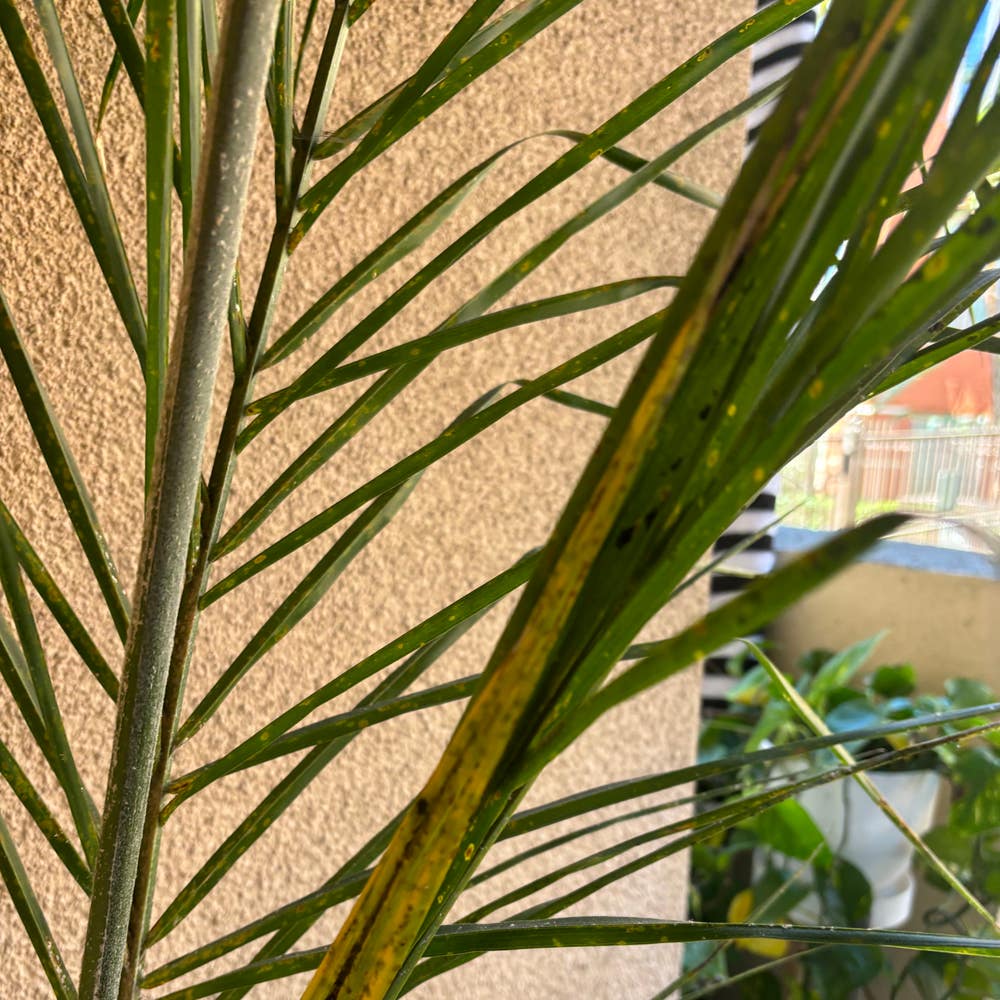
🌴 Introduction to Syagrus caerulescens
Syagrus caerulescens
By the Greg Editorial Team
Feb 26, 2025•12 min read
This article was created with the help of AI so we can cover more plants for you. May contain errors. See one? Report it here.
- 🌞 Syagrus caerulescens thrives in full sun to partial shade, perfect for diverse planting.
- 🌱 Well-draining soil is crucial; enhance it with sand or compost for best results.
- 🌿 Regular pruning and pest inspections ensure a healthy, thriving Syagrus caerulescens.
How to Grow
🌞 Choosing a Location
When selecting a location for Syagrus caerulescens, aim for full sun to partial shade. This flexibility allows for thriving growth whether planted outdoors or in containers.
🏗️ Soil Preparation
Syagrus caerulescens prefers well-draining soil to prevent waterlogging. Consider adding amendments like sand or compost to enhance drainage and fertility.
🌱 Planting Techniques
For planting, dig a hole that is twice the width of the root ball and about the same depth. Timing is crucial; plant in spring or early summer for optimal growth.
🚰 Watering Requirements
Establish a watering routine based on your climate. Look for signs of overwatering, such as yellowing leaves, or underwatering, indicated by wilting.
🥗 Fertilizing Schedule
Use a balanced NPK fertilizer to nourish your plant. Fertilize every 4-6 weeks during the growing season for best results.
✂️ Pruning and Ongoing Care
Regular pruning helps maintain the shape and health of your Syagrus caerulescens. Additionally, keep up with maintenance tasks like removing dead leaves to promote growth.
🌍 Outdoor vs. Container Growing
Outdoor plants generally require less frequent watering compared to container-grown ones, which may dry out faster. Be mindful of these differences to ensure healthy growth in either setting.
With these guidelines, you're well on your way to cultivating a thriving Syagrus caerulescens. Next, let’s explore the fascinating methods of propagation for this resilient plant.
Propagation
Seed Propagation Method 🌱
Collecting seeds from Syagrus caerulescens is the first step in propagation. Wait until the fruit is fully ripe, then extract the seeds and rinse them to remove any pulp.
Prepare the seeds for planting by soaking them in water for 24 hours. This helps to soften the seed coat, enhancing germination.
For optimal germination, maintain a warm environment with temperatures between 70°F to 85°F. Expect germination to occur within 2 to 4 weeks under these conditions.
Division Propagation Method ✂️
When considering division, look for healthy, mature plants that have multiple stems. This method works best when the plant is actively growing, typically in spring.
To divide, carefully uproot the plant and use a sharp tool to separate the root ball into sections, ensuring each division has roots and stems. Replant the divisions immediately in well-draining soil to promote quick establishment.
By following these propagation methods, you can successfully expand your Syagrus caerulescens collection. Next, let’s explore the lifecycle of this fascinating plant.
Lifecycle
🌱 Lifecycle Stages
The lifecycle of Syagrus caerulescens begins with either seeds or cuttings. From these starting points, the plant progresses through various stages until it reaches maturity.
🌡️ Germination Process
For successful germination, seeds require warmth and moisture. Aim for a temperature range of 70-85°F, and keep the soil consistently damp but not soggy.
🌿 Seedling Stage Development
Once germinated, seedlings exhibit vibrant green leaves and a sturdy stem. During this stage, ensure they receive adequate light and water to support their growth.
🌳 Vegetative Growth Phase
As the plant enters the vegetative growth phase, it focuses on developing a robust root system and lush foliage. Regular watering and balanced fertilization are crucial during this time.
🌼 Flowering and Seed Production
Flowering typically occurs in late spring to early summer, depending on environmental conditions. Successful pollination leads to seed production, completing the lifecycle.
⏳ Lifespan and Growth Rate
Syagrus caerulescens has a typical lifespan of 20-30 years. Under optimal conditions, it can reach full size in about 5-7 years, making it a relatively fast-growing palm.
This lifecycle overview sets the stage for understanding how to care for Syagrus caerulescens effectively. Next, we’ll explore the various factors that influence its growth and health.
Size
Mature Height and Spread 🌴
Syagrus caerulescens typically reaches a mature height of 15 to 20 feet, making it a striking addition to any landscape. Its spread ranges from 5 to 10 feet, allowing for ample space to showcase its elegant fronds.
Growth Rate and Time to Full Size ⏳
Under optimal conditions, this palm exhibits an average growth rate, taking about 5 to 10 years to reach its full size. Factors such as climate, soil quality, and care practices can influence this timeline significantly.
Size Variability Based on Growing Conditions 🌱
The size of Syagrus caerulescens can vary based on several growing conditions. Key factors include soil quality, light exposure, and water availability, all of which play a crucial role in determining how robust and tall your palm will grow.
Understanding these aspects can help you create the ideal environment for your Syagrus caerulescens, ensuring it thrives and enhances your garden's beauty. Next, let's explore the fascinating lifecycle of this palm, from seed to maturity.
Roots
Characteristics of the Root System 🌱
Syagrus caerulescens features a fibrous root system. This type of root structure allows for efficient nutrient absorption and stability in various soil conditions.
Root Depth and Spread 📏
In established plants, the roots typically extend to a depth of about 2 to 3 feet. The spread can reach up to 5 feet, providing a solid foundation for the plant.
Common Root-Related Issues ⚠️
Root rot is a prevalent issue that can affect Syagrus caerulescens. It's essential to monitor for signs of overwatering, which can lead to this condition, as well as other common root problems.
Identifying Healthy vs. Unhealthy Roots 🧐
Healthy roots should feel firm and have a white color. If you notice dark, mushy roots, it's a sign of trouble that needs immediate attention.
Recognizing Rootbound Plants and Solutions 🔄
Rootbound conditions occur when roots grow too densely within their container. Signs include roots emerging from drainage holes; to remedy this, consider repotting into a larger container or gently loosening the roots to encourage growth.
Understanding the root system of Syagrus caerulescens is crucial for its overall health. Proper care and attention to root conditions can lead to a thriving plant that enhances your garden beautifully.
Benefits
🌺 Aesthetic Appeal in Landscaping
Syagrus caerulescens, with its striking fronds and graceful stature, adds a tropical flair to any garden. Its unique appearance can serve as a focal point or complement other plants, enhancing overall visual appeal.
🌍 Environmental Benefits
This palm plays a vital role in air purification, helping to filter pollutants and improve air quality. Additionally, it supports local ecosystems by providing habitat for various wildlife.
🎭 Cultural Significance
In Brazil, Syagrus caerulescens holds cultural importance, often featured in traditional landscapes. Its presence reflects the rich heritage and biodiversity of the region, making it a cherished plant in local communities.
🌿 Use in Traditional Medicine
Local cultures have utilized parts of this palm for medicinal purposes, showcasing its versatility. From treating ailments to holistic practices, it remains an integral part of traditional healing methods.
💰 Economic Value in Ornamental Horticulture
Syagrus caerulescens is in high demand within the ornamental horticulture market. Its beauty and adaptability make it a popular choice for landscaping projects, contributing to its economic value in the industry.
As we explore the benefits of Syagrus caerulescens, it's clear that this palm is not just a pretty face. Its contributions to aesthetics, the environment, and culture make it a valuable addition to any garden. Next, let’s delve into the concept of companion planting and discover which plants thrive alongside this stunning palm.
Companion Plants
🌱 Concept of Companion Planting
Companion planting is the practice of growing different plants together for mutual benefits. This technique can enhance growth, deter pests, and improve overall garden health.
🌼 Best Companion Plants
Here are some excellent companions for Syagrus caerulescens:
- Aloe Vera: Thrives in similar conditions and can help deter pests.
- Marigolds: Their strong scent repels harmful insects while attracting beneficial ones.
- Basil: This herb can enhance the flavor of nearby plants and repel certain pests.
These plants not only coexist well but also contribute to a thriving ecosystem in your garden.
🚫 Plants to Avoid
While many plants can thrive alongside Syagrus caerulescens, some should be avoided:
- Nightshade family (e.g., tomatoes, potatoes): These can compete for nutrients and attract pests.
- Fennel: Known to inhibit the growth of nearby plants, including some beneficial herbs.
- Cabbage family: They can attract pests that may also target your palm.
Steering clear of these plants will help maintain a healthy growing environment for your Syagrus caerulescens.
Transitioning to the next topic, understanding the potential problems that can arise in your garden is essential for maintaining plant health.
Toxicity to Humans
🛡️ Safety for Humans
Syagrus caerulescens is completely safe for humans. You can enjoy its beauty without worrying about toxic effects.
⚠️ Potential Minor Issues
While it's non-toxic, some individuals may experience mild skin irritation or digestive discomfort if they come into contact with the plant or consume its parts. It's always wise to be aware of how your body reacts.
🧑⚕️ Recommendations for Caution
Even though serious issues are rare, it's best to exercise caution. If you notice any unusual symptoms after exposure, seeking medical advice is a smart move. Always prioritize your health and well-being!
This knowledge allows you to appreciate Syagrus caerulescens without fear, making it a great addition to your garden or home. Next, let’s explore its effects on our furry friends!
Toxicity to Dogs
🐶 Safety for Dogs
Good news for dog owners! Syagrus caerulescens is completely nontoxic to dogs. You can enjoy this beautiful plant in your garden without worrying about your furry friends getting sick.
⚠️ Potential Minor Issues
While it's safe, consuming large quantities of the plant may lead to mild gastrointestinal upset. This could manifest as a little stomach discomfort or an upset tummy, but it's generally not serious.
🏡 Tips for Introducing to Homes with Dogs
When introducing Syagrus caerulescens to your home, consider its placement carefully. Keep it out of reach of curious pups to minimize any potential nibbling.
Monitor your dog's behavior around the plant, especially during the first few weeks. This way, you can ensure they don't develop any unwanted habits. With a little care, you can enjoy the beauty of this palm while keeping your canine companions safe.
Next, let’s explore how Syagrus caerulescens interacts with our feline friends!
Toxicity to Cats
Safety for Cats 🐱
Good news for cat lovers! Syagrus caerulescens is completely nontoxic to cats. You can enjoy this beautiful plant without worrying about your feline friends.
Potential Minor Issues ⚠️
While it's safe, consuming large quantities might lead to mild gastrointestinal upset. It's always best to keep an eye on your cat's behavior after they've been around the plant.
Tips for Introducing to Homes with Cats 🏡
When introducing Syagrus caerulescens to your home, consider placing it in areas that are less accessible to your cat. Monitor their behavior around the plant to ensure they don’t nibble too much.
If you notice any unusual reactions, consult your veterinarian for peace of mind. With a little care, you can enjoy the beauty of this plant while keeping your furry companions safe.
Problems
🐛 Common Problems
Syagrus caerulescens, while generally resilient, can face a few common issues. These include leaf discoloration, stunted growth, and pest infestations.
🔍 Identifying Symptoms and Causes
- Leaf Discoloration: Yellowing leaves may indicate nutrient deficiencies or overwatering.
- Stunted Growth: This can result from poor soil conditions or inadequate sunlight.
- Pest Infestations: Look for visible pests or signs of damage, such as holes in leaves or webbing.
🛠️ Solutions for Each Common Issue
To tackle leaf discoloration, adjust your watering routine and consider a balanced fertilizer. For stunted growth, ensure your plant receives adequate sunlight and improve soil quality with amendments.
If pests are present, use insecticidal soap or neem oil to manage the situation effectively. Regular monitoring and prompt action can keep your Syagrus caerulescens thriving.
With these solutions, you can easily revive your plant and enjoy its beauty. Next, let’s explore the potential pest issues that may arise.
Bugs
🐜 Potential Pest Issues
Syagrus caerulescens, while generally resilient, can face a few pest challenges. Understanding its resistance and susceptibility is key to maintaining a healthy plant.
🔍 Identification and Damage Caused by Pests
Common pests that may target this palm include:
- Spider Mites: These tiny pests can cause yellowing leaves and webbing.
- Scale Insects: Look for sticky residue and a black sooty mold on leaves.
- Mealybugs: They appear as white cottony masses and can weaken the plant.
Each of these pests can significantly impact the health of your Syagrus caerulescens if left unchecked.
🛠️ Effective Treatment Options
Managing pest issues effectively involves a few straightforward strategies:
- Regular Inspections: Check your plant frequently for early signs of infestation.
- Natural Predators: Introduce beneficial insects like ladybugs to combat pests.
- Insecticidal Soap: Apply this to affected areas to eliminate pests without harming the plant.
By staying vigilant and proactive, you can keep your Syagrus caerulescens thriving and pest-free. Next, let’s explore what animals might be drawn to this beautiful palm and how to protect it from potential damage.
What Eats
🐿️ Common Animals That May Damage the Plant
Syagrus caerulescens can attract a variety of animals that may cause damage. Common culprits include squirrels, rabbits, and deer, all of which may nibble on the leaves or bark.
🔍 Signs of Animal Presence and Damage
Look for specific signs to identify animal activity. Chewed leaves, stripped bark, and droppings near the base of the plant are clear indicators of animal presence.
🚫 Deterrent Methods
To protect your plant, consider both chemical and organic deterrent methods.
- Chemical Repellents: Use commercially available sprays that deter animals with strong scents.
- Organic Solutions: Try natural deterrents like garlic or hot pepper sprays, which can be effective without harming the environment.
- Physical Barriers: Fencing or netting can also keep larger animals at bay.
By employing these strategies, you can help ensure your Syagrus caerulescens thrives without unwanted visitors.
⚠️ Safety First
This content is for general information and may contain errors, omissions, or outdated details. It is not medical, veterinary advice, or an endorsement of therapeutic claims.
Always consult a qualified healthcare professional before using any plant as food, medicine, or supplement.
Never eat any plant (or feed one to pets) without confirming its identity with at least two trusted sources.
If you suspect poisoning, call Poison Control (800) 222-1222, the Pet Poison Helpline (800) 213-6680, or your local emergency service immediately.
Spotted an error? Please report it here.
Cultivate a thriving Syagrus caerulescens 🌴 with Greg's personalized care reminders and watering plans, ensuring your palm flourishes beautifully in your garden!