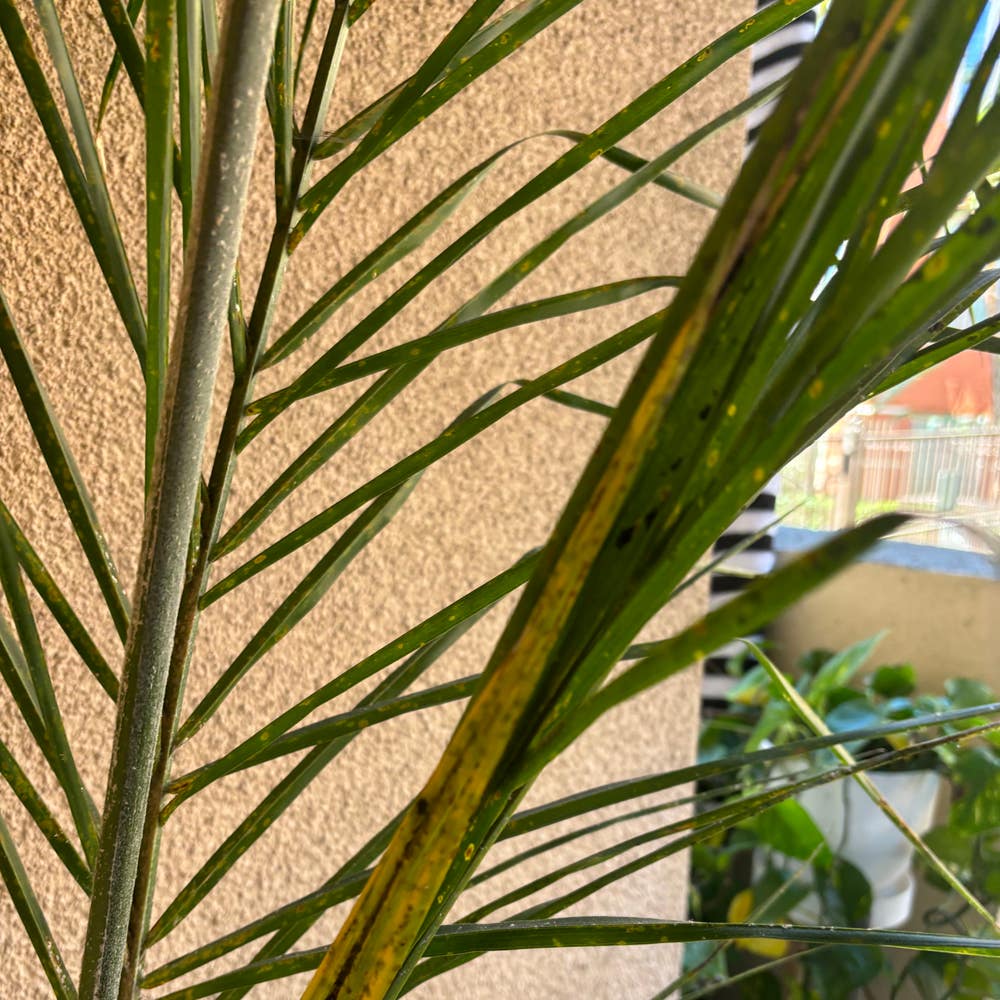
Syagrus angustifolia: A Comprehensive Overview
Syagrus angustifolia
By the Greg Editorial Team
Feb 26, 2025•11 min read
This article was created with the help of AI so we can cover more plants for you. May contain errors. See one? Report it here.
- 🌞 Syagrus angustifolia thrives in full sun, needing 6-8 hours of sunlight daily.
- 🌱 Use well-draining sandy loam soil with a pH of 6.0 to 7.0 for optimal growth.
- 🌳 Expect moderate growth of 1-2 feet per year, with a lifespan of 20-30 years.
How to Grow
Choosing a Location 🌞
To thrive, Syagrus angustifolia needs full sun exposure, ideally 6-8 hours daily. It flourishes in warm, tropical to subtropical climates, so pick a spot that meets these criteria.
Ensure there’s adequate room for growth and spread. This palm can become quite expansive, so plan accordingly to avoid overcrowding.
Soil Preparation 🌱
For optimal growth, use well-draining sandy loam soil. This type of soil allows for proper drainage, which is crucial for healthy roots.
Aim for a soil pH between 6.0 and 7.0, slightly acidic to neutral. Adding organic matter can enhance drainage and fertility, giving your palm the best start.
Planting Techniques 🌿
When planting, make sure the root ball is level with the soil surface. This positioning helps prevent water from pooling around the base.
Space your plants 6-10 feet apart if planting outdoors. If you’re using containers, select pots that are at least 18 inches deep to accommodate root growth.
Watering Requirements 💧
After planting, give your palm a deep watering to help establish its roots.
Moving forward, water when the top inch of soil feels dry. Be cautious to avoid waterlogging, especially in containers, as this can lead to root rot.
Fertilizing Schedule 🌾
Use a balanced NPK fertilizer, like 10-10-10, to nourish your palm.
Fertilize every 6-8 weeks during the growing season to keep it healthy. Watch for signs of nutrient deficiency, such as yellowing leaves or stunted growth, which indicate it may need more nutrients.
Pruning Methods ✂️
Prune your palm in late winter or early spring, just before new growth begins.
Focus on removing dead or damaged fronds to encourage healthy growth and maintain the plant's shape.
Ongoing Care Tips 🛠️
Apply organic mulch around the base of your palm to retain moisture and suppress weeds.
Regularly check for pests and diseases, adjusting your care routine based on seasonal changes. This proactive approach will help keep your palm thriving year-round.
With these guidelines, you’re well on your way to successfully growing Syagrus angustifolia. Next, let’s dive into propagation methods to expand your palm collection!
Propagation
🌱 Seed Propagation Steps
Seed propagation is a straightforward method to grow Syagrus angustifolia. Start by selecting fresh seeds, as they yield better germination rates.
Next, soak the seeds in water for 24 hours before planting. This helps to soften the seed coat and kickstart the germination process.
For optimal germination, provide a warm and humid environment, ideally around 25°C (77°F). This creates the perfect conditions for those seeds to sprout.
✂️ Division Propagation Methods
Division is another effective way to propagate this palm. The best time to divide is in spring or early summer when the plant is actively growing.
To divide, carefully separate clumps of the plant and replant them immediately. This minimizes stress and helps the new plants establish quickly.
After division, water the newly planted sections thoroughly. Providing shade for a few days can also help them adjust to their new environment.
With these propagation techniques, you can easily expand your collection of Syagrus angustifolia. Whether through seeds or division, each method offers a rewarding experience in nurturing these beautiful palms.
Lifecycle
🌱 Lifecycle Stages
The lifecycle of Syagrus angustifolia begins with germination, which takes about 2-4 weeks for seeds to sprout. Once germinated, the plant enters the seedling stage, where the first few fronds develop, marking the start of its journey.
As the plant progresses, it enters the vegetative growth phase. This is a rapid growth period where roots and fronds establish themselves, setting the foundation for future development.
After a few years, typically around 3-5 years, flowering occurs. This is an exciting milestone, as it leads to seed production, allowing the cycle to continue.
⏳ Lifespan and Growth Rate
Under optimal conditions, Syagrus angustifolia boasts an impressive average lifespan of 20-30 years. It takes approximately 5-7 years for the plant to reach its full height, making patience a virtue for gardeners.
In terms of growth rate, expect moderate progress, averaging around 1-2 feet per year. This steady growth allows for gradual integration into your landscape, enhancing its beauty over time.
As you nurture this palm, remember that its lifecycle is a testament to resilience and adaptability, rewarding your care with lush greenery and vibrant life.
Size
Mature Dimensions 🌴
Syagrus angustifolia can reach impressive heights, typically growing between 10 to 15 feet tall. Its spread is equally notable, averaging 5 to 10 feet, making it a striking addition to any landscape.
Growth Rate and Size Variability 📈
The growth rate of this palm varies significantly based on environmental factors. Soil quality, water availability, and sunlight exposure all play crucial roles in determining how quickly it flourishes.
In optimal conditions, you can expect a faster growth rate, while poor conditions may slow it down considerably. Understanding these variables can help you create the best environment for your Syagrus angustifolia to thrive.
As you plan your garden, keep in mind that providing the right conditions will not only enhance growth but also ensure a healthier, more vibrant plant.
Roots
Characteristics of the Root System 🌱
Syagrus angustifolia features a fibrous root system that is essential for its stability and nutrient uptake. While the roots are typically shallow, they spread extensively, allowing the plant to access water and nutrients efficiently.
Common Root-Related Issues 🚫
One of the most common problems is root rot, which occurs due to overwatering. To prevent this, ensure proper drainage in the soil or container.
Identifying Healthy vs. Unhealthy Roots 🔍
Healthy roots are firm, white, and spread throughout the soil, indicating a thriving plant. In contrast, unhealthy roots appear dark, mushy, or emit a foul smell, signaling potential issues.
Recognizing Rootbound Plants 🪴
If you notice roots growing out of the drainage holes of your pot, your plant may be rootbound. The best solutions are to repot the plant into a larger container or prune the roots to encourage new growth.
Understanding the root system of Syagrus angustifolia is crucial for its overall health. By monitoring root conditions and addressing any issues promptly, you can ensure your plant thrives beautifully.
Next, let’s explore the numerous benefits this palm brings to your garden.
Benefits
Top 5 Benefits 🌟
Ornamental Appeal
Syagrus angustifolia, commonly known as the queen palm, brings a stunning tropical aesthetic to any garden. Its graceful fronds and elegant stature make it a standout feature, enhancing the beauty of landscapes.
Air Purification
This palm is not just a pretty face; it actively improves air quality. By filtering pollutants, it contributes to a healthier environment, making it a great choice for urban gardens.
Erosion Control
With its extensive root system, Syagrus angustifolia plays a vital role in stabilizing soil. This natural erosion control helps maintain the integrity of your garden and surrounding areas.
Wildlife Habitat
Planting this palm can attract a variety of wildlife. Birds and beneficial insects find refuge in its fronds, promoting biodiversity in your garden.
Cultural Significance
Beyond its physical benefits, the queen palm symbolizes resilience and beauty. It represents a connection to tropical landscapes, enriching cultural narratives in landscaping.
These benefits make Syagrus angustifolia a valuable addition to any garden. Whether you're looking to beautify your space or support local wildlife, this palm delivers on multiple fronts.
Companion Plants
Best Companion Plants 🌿
When choosing companion plants for Syagrus angustifolia, consider other palms, tropical plants, and flowering shrubs. These plants share similar care needs, such as light and water requirements, making them ideal partners in your garden.
Additionally, their aesthetic appeal complements the striking beauty of the Syagrus angustifolia, creating a lush, vibrant landscape. Think about incorporating plants like hibiscus or bougainvillea for a colorful touch.
Plants to Avoid 🚫
While some plants thrive alongside Syagrus angustifolia, others can hinder its growth. Avoid heavy feeders that may compete for nutrients, as they can stress your palm and stunt its development.
Plants like certain vegetables or aggressive flowering plants can draw away essential resources, leaving your palm struggling. It's best to keep your garden harmonious by selecting compatible companions.
Toxicity to Humans
Syagrus angustifolia is not listed as toxic, making it a safe choice for gardens and landscapes. Major health organizations confirm its non-toxic status, so you can enjoy its beauty without worry.
However, there are a few potential minor issues to keep in mind. Some individuals may experience mild skin irritation or digestive discomfort if they consume large quantities of the plant.
It's always wise to exercise caution. If you notice any unusual symptoms after contact or consumption, seeking medical advice is a good idea.
In summary, Syagrus angustifolia is a safe and attractive addition to your garden. With proper care and awareness, you can enjoy its many benefits without concern for toxicity.
Next, let’s explore how this plant interacts with our furry friends, focusing on its toxicity to dogs.
Toxicity to Dogs
Syagrus angustifolia is recognized as safe for dogs by pet poison control centers. This means you can enjoy its beauty without worrying about your furry friends getting sick.
However, if your dog consumes large quantities, there might be mild gastrointestinal upset. It's always best to monitor their behavior around the plant to prevent any issues.
🐶 Tips for Safe Plant Placement
- Location Matters: Position the plant where your dog can't easily reach it.
- Regular Checks: Keep an eye on your pet's interactions with the plant.
By taking these simple precautions, you can ensure a harmonious environment for both your plants and your pets. Now, let's explore how Syagrus angustifolia interacts with our feline friends.
Toxicity to Cats
Syagrus angustifolia is considered safe for cats, according to veterinary organizations. This means you can enjoy this beautiful palm without worrying about your feline friends.
While it's non-toxic, there can be minor issues if your cat consumes too much of the plant. You might notice mild gastrointestinal upset, but this is generally not severe.
🐱 Tips for Cat Owners
To ensure a harmonious relationship between your cat and your Syagrus angustifolia, consider these tips:
Proper Placement: Position the plant in areas that are less accessible to your cat. This can help minimize any potential nibbling.
Monitoring Behavior: Keep an eye on your cat's interactions with the plant. If they show excessive interest, it might be worth redirecting their attention to cat-friendly alternatives.
By taking these simple precautions, you can enjoy the beauty of Syagrus angustifolia while keeping your furry companions safe and happy.
Next, let’s explore the potential problems that can arise with this palm, ensuring you’re well-prepared for any challenges.
Problems
Common Problems 🌱
Growing Syagrus angustifolia can be rewarding, but it comes with its share of challenges. Understanding these common problems can help you maintain a healthy plant.
Incorrect Watering 🚰
Watering is crucial for the health of your palm. Overwatering can lead to root rot, while underwatering will cause wilting and stress.
Incorrect Light Conditions 💡
Light plays a significant role in growth. Insufficient sunlight can result in leggy growth, making your plant look weak and unappealing.
Diseases 🦠
Fungal diseases can be a concern for Syagrus angustifolia. Watch out for issues like powdery mildew and rust, which can affect the overall health of your palm.
By being aware of these common problems, you can take proactive steps to ensure your Syagrus angustifolia thrives. Next, let’s explore potential pest issues that may arise in your garden.
Bugs
Potential Pest Issues 🐜
While Syagrus angustifolia is generally resilient, it can still fall prey to certain pests. Keeping an eye out for these common culprits is essential for maintaining a healthy plant.
Common Pests 🐞
- Spider Mites: These tiny pests can cause significant damage by sucking the sap from leaves, leading to discoloration and webbing.
- Scale Insects: Often appearing as small, brown bumps on stems and leaves, scale insects can weaken the plant by feeding on its juices.
- Mealybugs: Recognizable by their white, cotton-like appearance, mealybugs can cluster in leaf axils and cause leaf drop.
Damage Identification 🔍
Identifying pest damage early can save your plant from serious harm. Look for signs such as:
- Yellowing leaves
- Wilting or stunted growth
- Sticky residue on leaves, known as honeydew, which can attract other pests
Prevention and Control 🚫
To keep these pests at bay, consider the following strategies:
- Regular Inspections: Check your plant frequently for any signs of infestation.
- Natural Predators: Introduce beneficial insects like ladybugs that feast on pests.
- Insecticidal Soap: Use this eco-friendly option to treat infestations without harming your plant.
By staying vigilant and proactive, you can ensure your Syagrus angustifolia thrives without the interference of pesky bugs. Next, let’s explore the common problems that can affect your palm's health.
What Eats
🦌 Common Animals
Syagrus angustifolia, while beautiful, can attract a variety of hungry animals.
- Deer are notorious for browsing on its fronds, which can lead to significant damage.
- Rabbits love to gnaw on young shoots and fronds, making them a common nuisance.
- Squirrels may strip leaves or cause damage as they forage for food.
🚫 Deterrent Methods
To protect your Syagrus angustifolia from these hungry visitors, consider implementing some effective deterrent methods.
- Fencing can serve as a physical barrier, keeping larger animals like deer at bay.
- Repellents, whether commercial or homemade, can also discourage feeding.
By taking these precautions, you can help ensure your palm thrives without the threat of being devoured.
Next, let’s explore the common problems that can affect the health of your Syagrus angustifolia.
⚠️ Safety First
This content is for general information and may contain errors, omissions, or outdated details. It is not medical, veterinary advice, or an endorsement of therapeutic claims.
Always consult a qualified healthcare professional before using any plant as food, medicine, or supplement.
Never eat any plant (or feed one to pets) without confirming its identity with at least two trusted sources.
If you suspect poisoning, call Poison Control (800) 222-1222, the Pet Poison Helpline (800) 213-6680, or your local emergency service immediately.
Spotted an error? Please report it here.
Unlock the secrets to thriving Syagrus angustifolia 🌴 with Greg's tailored care reminders and expert tips, ensuring your palm flourishes beautifully for years to come!