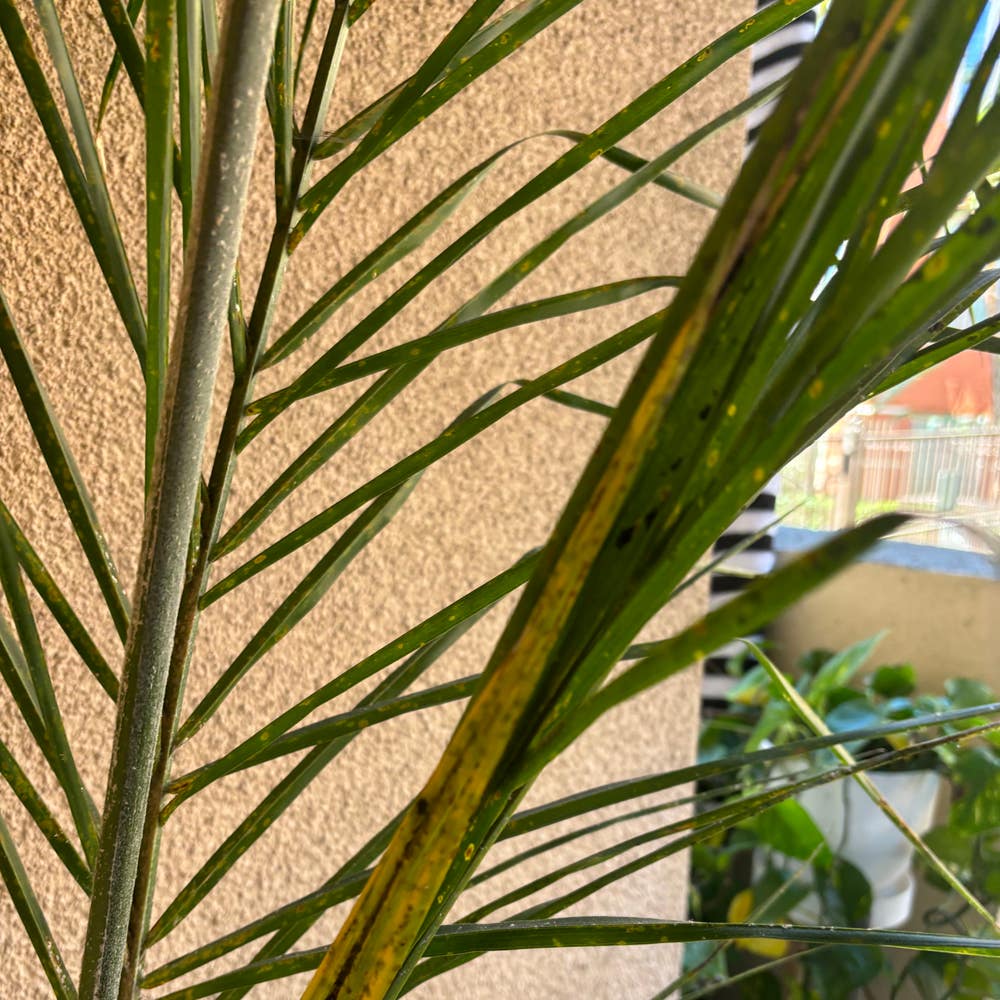
🌴 What is a Syagrus allagopteroides? Complete Guide
Syagrus allagopteroides
By the Greg Editorial Team
Feb 26, 2025•12 min read
This article was created with the help of AI so we can cover more plants for you. May contain errors. See one? Report it here.
Elevate your garden with the stunning Syagrus allagopteroides—master its care for a thriving palm! 🌴
- 🌞 Syagrus allagopteroides needs full sun and well-draining soil for optimal growth.
- 🌱 Proper spacing of 3-4 meters promotes healthy airflow and growth between plants.
- 🐛 Regular pest inspections and organic solutions ensure a thriving palm in your garden.
How to Grow
Choosing a Location 🌍
Selecting the right location for your Syagrus allagopteroides is crucial for its growth. This palm thrives in full sun to partial shade, so aim for a spot that receives plenty of light.
Space is also a key consideration. Be mindful of the mature dimensions of the plant, which can reach heights of 10-15 meters and spreads of 4-6 meters. Ensure there's enough room for it to flourish without crowding other plants.
Soil Preparation 🏗️
The foundation of a healthy plant starts with soil preparation. Syagrus allagopteroides prefers well-draining soil to prevent waterlogging and root rot.
Aim for a pH level between 6.0 and 7.5 for optimal growth. This range supports nutrient availability and overall plant health.
Planting Techniques 🌱
When planting, depth matters. The recommended planting depth is about 30-45 cm, allowing the roots to establish firmly.
Spacing is equally important. Maintain a distance of at least 3-4 meters between plants to promote healthy growth and airflow.
Watering Needs 💧
Watering frequency is essential for your palm's health. Typically, you should water once a week, but adjust based on rainfall and soil moisture.
Best practices for watering include soaking the soil thoroughly and allowing it to dry slightly between waterings. This helps prevent overwatering and encourages deep root growth.
Fertilizing Schedule 🌿
Fertilizing your Syagrus allagopteroides will boost its growth. A balanced fertilizer with an NPK ratio of 10-10-10 is recommended.
Timing is key; fertilize during the growing season, ideally in spring and mid-summer, to support robust growth.
Pruning Practices ✂️
Pruning is vital for maintaining the health and shape of your palm. The best times to prune are in late winter or early spring before new growth begins.
When pruning, focus on removing dead or damaged fronds. This encourages new growth and keeps the plant looking tidy.
Ongoing Care 🔍
Monitoring growth is essential for a thriving Syagrus allagopteroides. Look for signs of healthy growth, such as vibrant green fronds and strong vertical growth.
Seasonal adjustments in care are also important. Be prepared to modify your watering and fertilizing routines based on the changing seasons to keep your palm healthy year-round.
With these guidelines, you're well on your way to cultivating a beautiful Syagrus allagopteroides. Next, let’s explore how to propagate this stunning palm for even more greenery in your garden!
Propagation
🌱 Seed Propagation
Seed propagation is a rewarding way to grow Syagrus allagopteroides. Start by soaking the seeds in water for 24 hours to enhance germination.
Next, plant the seeds in a well-draining potting mix, burying them about half an inch deep. Keep the soil consistently moist but not soggy.
🌡️ Conditions
For optimal germination, maintain a temperature between 70°F and 85°F (21°C to 29°C). Ensure the seeds receive indirect sunlight to encourage healthy growth.
✂️ Division Propagation
Dividing established plants can rejuvenate your Syagrus allagopteroides. Begin by carefully removing the plant from its pot or the ground, taking care not to damage the roots.
Use a sharp, clean spade or knife to divide the root ball into sections, ensuring each division has healthy roots and foliage.
🌍 Replanting
When replanting divided sections, choose a location with well-draining soil and adequate sunlight. Space the divisions at least 3 feet apart to allow for future growth.
🌿 Cutting Propagation
Taking cuttings is another effective propagation method. Select healthy stems from the parent plant, ideally during the growing season.
Cut a 6-8 inch section just below a leaf node, and remove the lower leaves to prevent rot.
🌱 Rooting Cuttings
To root the cuttings, dip the cut end in rooting hormone and plant it in a pot filled with a light, well-draining mix. Keep the soil moist and place the pot in a warm, bright area, avoiding direct sunlight.
With the right care, your cuttings should develop roots within a few weeks, ready to be transplanted into their new homes.
This propagation knowledge sets the stage for understanding the lifecycle of Syagrus allagopteroides, which we will explore next.
Lifecycle
Lifecycle Stages 🌱
The lifecycle of Syagrus allagopteroides consists of four distinct stages: seed, seedling, vegetative growth, and flowering. Each stage is crucial for the plant's development, with the transition from seed to maturity taking approximately 3 to 5 years under optimal conditions.
Growth Rate 📈
When it comes to growth rate, Syagrus allagopteroides typically reaches maturity in about 5 to 7 years. This species exhibits a moderate growth rate, which means it’s not the fastest-growing palm but offers steady development that can be quite rewarding.
Fast vs. Slow Growth ⚖️
Understanding the growth characteristics is essential. Fast growth can be influenced by ideal soil conditions, adequate sunlight, and proper watering, while slow growth may result from poor soil quality or insufficient light.
The balance of these factors will determine how quickly your Syagrus allagopteroides flourishes.
As you nurture your palm, keep an eye on its growth rate, adjusting care as needed to ensure it thrives.
This knowledge sets the stage for the next section, where we will explore the fascinating methods of propagating this beautiful palm.
Size
Mature Height and Spread 🌳
Syagrus allagopteroides typically reaches a height of 10 to 15 meters, with a spread of 4 to 6 meters. This impressive size makes it a striking addition to any landscape.
Growth Rate 📈
The growth rate of Syagrus allagopteroides can vary based on several factors. Conditions such as soil quality, light exposure, and water availability play crucial roles in how quickly this palm reaches maturity.
Size Variability 📏
Different environmental factors can significantly impact the size of Syagrus allagopteroides. For instance, well-draining soil and ample sunlight can promote robust growth, while poor soil and inadequate light may stunt its development.
Understanding these size characteristics is essential for planning your garden layout. With the right conditions, this palm can thrive and become a stunning focal point in your outdoor space.
Roots
Root System Characteristics 🌱
The root system of Syagrus allagopteroides is primarily fibrous, which allows for efficient nutrient and water absorption. Typically, the roots can extend to a depth of about 1 meter and spread outwards, covering a significant area to support the plant's growth.
Common Root-Related Issues ⚠️
Root rot is a common issue that arises from overwatering or poorly draining soil. Symptoms include a foul smell and mushy roots, which can lead to the plant's decline if not addressed promptly.
Another concern is being rootbound, which occurs when the roots grow too densely within the pot or planting area. Signs of rootbound conditions include stunted growth and roots emerging from the drainage holes.
Visual Cues for Healthy vs. Unhealthy Roots 👀
Healthy roots are typically firm, white, and spread out evenly in the soil. In contrast, unhealthy roots may appear dark, mushy, or have a foul odor, indicating potential problems.
Solutions for Root Problems 🛠️
To address rootbound conditions, gently remove the plant from its pot and untangle the roots. If necessary, trim any excessively long or damaged roots before replanting in a larger container or area to promote healthy growth.
Benefits
🌟 Top 5 Benefits
Aesthetic Appeal
Syagrus allagopteroides is a stunning addition to any garden. Its graceful fronds and towering height create a striking visual impact that enhances the overall beauty of your outdoor space.
Environmental Benefits
This palm contributes significantly to local ecosystems. It provides habitat for various wildlife and helps improve soil quality, making it a valuable player in environmental health.
Cultural Significance
Historically, Syagrus allagopteroides has been appreciated in many cultures. Its uses range from traditional crafts to culinary applications, showcasing its importance beyond mere decoration.
Landscaping Potential
The versatility of this palm makes it a favorite among landscape designers. Whether used as a focal point or as part of a mixed planting scheme, it adapts well to different design styles.
Air Purification
Not only does it look good, but Syagrus allagopteroides also plays a role in improving air quality. Its ability to filter pollutants makes it a smart choice for urban gardens.
These benefits make Syagrus allagopteroides a fantastic choice for both aesthetic and ecological reasons. As we explore companion plants next, consider how this palm can work harmoniously with other species in your garden.
Companion Plants
🌱 Companion Planting Benefits
Companion planting is a fantastic strategy for enhancing the health and productivity of your Syagrus allagopteroides. By choosing the right companions, you can effectively manage pests and support growth through beneficial relationships.
- Pest Management: Certain plants naturally deter pests, reducing the need for chemical interventions. This creates a healthier garden ecosystem.
- Growth Support: Some companion plants can enhance nutrient uptake or provide shade, creating a more favorable environment for your palm.
🌼 Recommended Companion Plants
When selecting companion plants for Syagrus allagopteroides, consider species that thrive in similar conditions. Here are some excellent choices:
- Basil: This aromatic herb repels pests like aphids and whiteflies while attracting beneficial insects.
- Marigolds: Known for their pest-repelling properties, marigolds can deter nematodes and other harmful insects.
- Lemongrass: This plant not only adds a tropical feel but also helps repel mosquitoes and other pests.
Each of these companions offers unique benefits, enhancing the overall health of your garden.
🚫 Plants to Avoid
While many plants can benefit your Syagrus allagopteroides, some should be avoided. These plants may compete for nutrients or harbor pests that can harm your palm:
- Nightshades: Plants like tomatoes and potatoes can attract pests that may also target your palm.
- Fennel: This herb can inhibit the growth of nearby plants, including your palm, due to its allelopathic properties.
Steering clear of these species will help ensure your Syagrus allagopteroides thrives without unnecessary competition or pest issues.
As you consider companion planting, remember that the right combinations can lead to a flourishing garden. Next, let's explore the common problems that may arise with your Syagrus allagopteroides and how to tackle them effectively.
Problems
Common Problems 🌱
Growing Syagrus allagopteroides can come with its share of challenges. Here are some common problems to watch out for:
Overwatering: This is one of the most frequent issues. Symptoms include yellowing leaves and a soggy root system, which can lead to root rot.
Light Issues: Insufficient or excessive light can hinder growth. Look for signs like leggy growth or scorched leaves to identify light problems.
Diseases: Common diseases affecting this palm include powdery mildew and rust. These can manifest as white powdery spots or orange-brown lesions on leaves.
Root Problems: Root rot and squishy roots are signs of overwatering or poor drainage. Healthy roots should feel firm and look white.
Leaf Issues: Scorching and yellowing leaves often indicate stress. This can stem from environmental factors like nutrient deficiencies or improper watering.
Symptoms and Identification 🔍
Recognizing these issues early can save your plant.
Overwatering: Look for drooping leaves and a musty smell from the soil.
Light Issues: If your plant is stretching towards the light or showing burnt tips, it’s time to reassess its location.
Diseases: Check for unusual spots or a powdery coating on leaves, which can indicate fungal infections.
Root Problems: Gently remove the plant from its pot to inspect the roots. Healthy roots should be white and firm, while unhealthy ones may be brown and mushy.
Leaf Issues: Scorched leaves will appear crispy and brown at the edges, while yellowing can indicate nutrient deficiencies or overwatering.
Causes and Solutions 🛠️
Understanding the causes behind these problems is key to effective solutions.
Overwatering: Ensure your pot has drainage holes and allow the soil to dry out between waterings. Adjust your watering schedule based on rainfall and humidity.
Light Issues: Move your plant to a location with more suitable light. If it’s getting too much sun, consider using sheer curtains to filter the light.
Diseases: Improve air circulation around the plant and avoid overhead watering. If diseases persist, apply appropriate fungicides as needed.
Root Problems: If root rot occurs, trim away the affected roots and repot the plant in fresh, well-draining soil. Ensure proper watering practices moving forward.
Leaf Issues: Address nutrient deficiencies by using a balanced fertilizer. Monitor your watering habits to prevent further leaf stress.
By staying vigilant and addressing these common problems promptly, you can ensure your Syagrus allagopteroides thrives. Next, let’s explore the fascinating world of pests that may also affect your palm.
Bugs
🛡️ Pest Resistance
Syagrus allagopteroides is relatively resilient but not immune to pests. While it can withstand some insect pressure, it's essential to monitor for signs of infestation.
🐜 Common Pests
Several pests can target this palm, including:
- Spider Mites: Tiny and often overlooked, they can cause significant damage by sucking plant sap.
- Scale Insects: These pests appear as small, round bumps on leaves and stems, leading to yellowing and wilting.
- Mealybugs: Recognizable by their cotton-like appearance, they can weaken the plant and promote fungal growth.
Each of these pests can detract from the health and appearance of your Syagrus allagopteroides, making early identification crucial.
💊 Treatment Options
When it comes to pest control, you have options.
- Chemical Solutions: Insecticidal soaps and systemic insecticides can effectively eliminate pests but should be used judiciously to avoid harming beneficial insects.
- Organic Solutions: Neem oil and diatomaceous earth are excellent alternatives that can manage pest populations without harsh chemicals.
Regularly inspecting your plants and applying these treatments as needed will help maintain their health and vitality.
What Eats
🦌 Common Animals
When it comes to Syagrus allagopteroides, several animals may find it an appealing snack. Common culprits include deer, rabbits, and squirrels, all of which can cause significant damage if left unchecked.
🔍 Signs of Animal Presence
Identifying animal activity is crucial for protecting your plants. Look for signs such as chewed leaves, broken branches, or droppings around the base of the plant. These indicators can help you determine which animals are visiting your garden.
🚫 Deterrent Methods
To keep these hungry visitors at bay, consider both chemical and organic solutions. Chemical repellents can be effective, but many gardeners prefer organic options like garlic spray or planting deterrent herbs.
Implementing physical barriers, such as fencing, can also provide a strong line of defense. By combining these strategies, you can protect your Syagrus allagopteroides and enjoy a thriving garden.
As you explore ways to deter pests, remember that understanding their behavior is key. This knowledge will not only help you safeguard your plants but also enhance your gardening experience.
⚠️ Safety First
This content is for general information and may contain errors, omissions, or outdated details. It is not medical, veterinary advice, or an endorsement of therapeutic claims.
Always consult a qualified healthcare professional before using any plant as food, medicine, or supplement.
Never eat any plant (or feed one to pets) without confirming its identity with at least two trusted sources.
If you suspect poisoning, call Poison Control (800) 222-1222, the Pet Poison Helpline (800) 213-6680, or your local emergency service immediately.
Spotted an error? Please report it here.
Cultivate a thriving Syagrus allagopteroides 🌱 in your garden with Greg's tailored care reminders and expert tips to ensure your palm flourishes beautifully!