🌵 Sunrise Cactus: A Comprehensive Overview
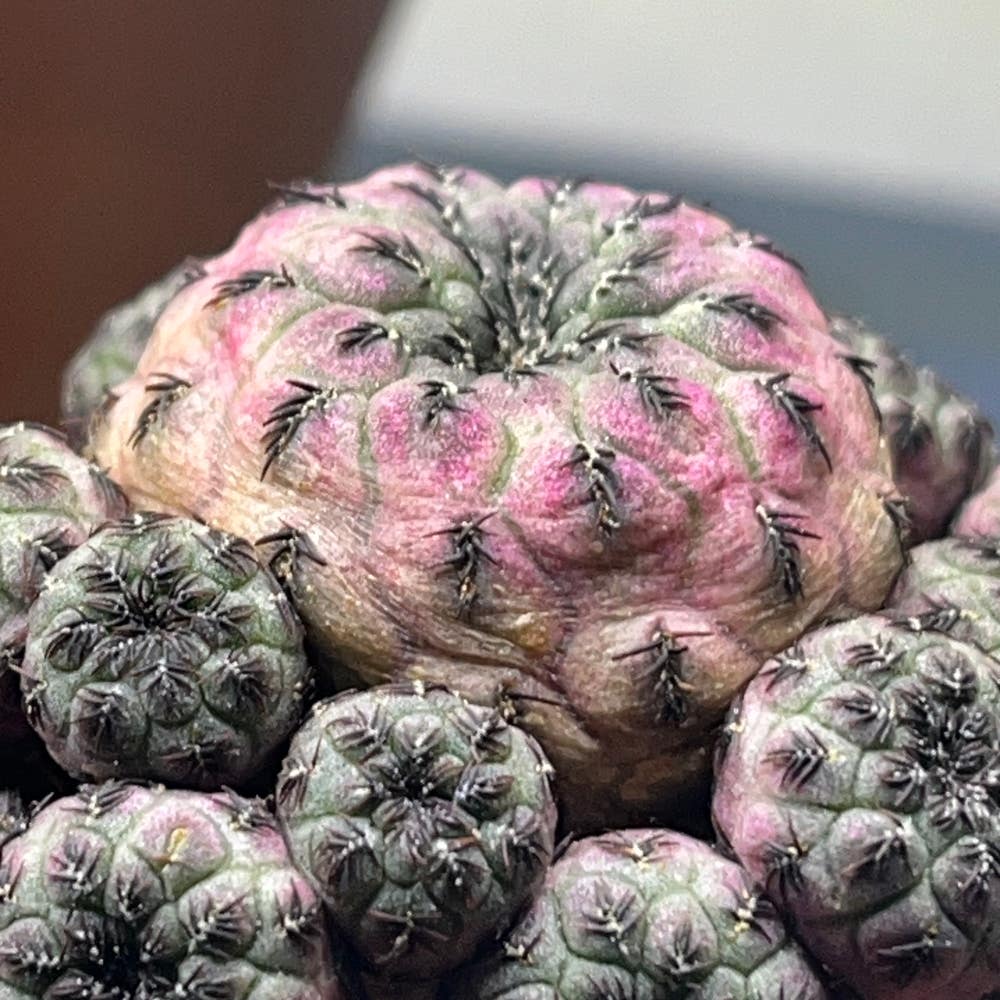
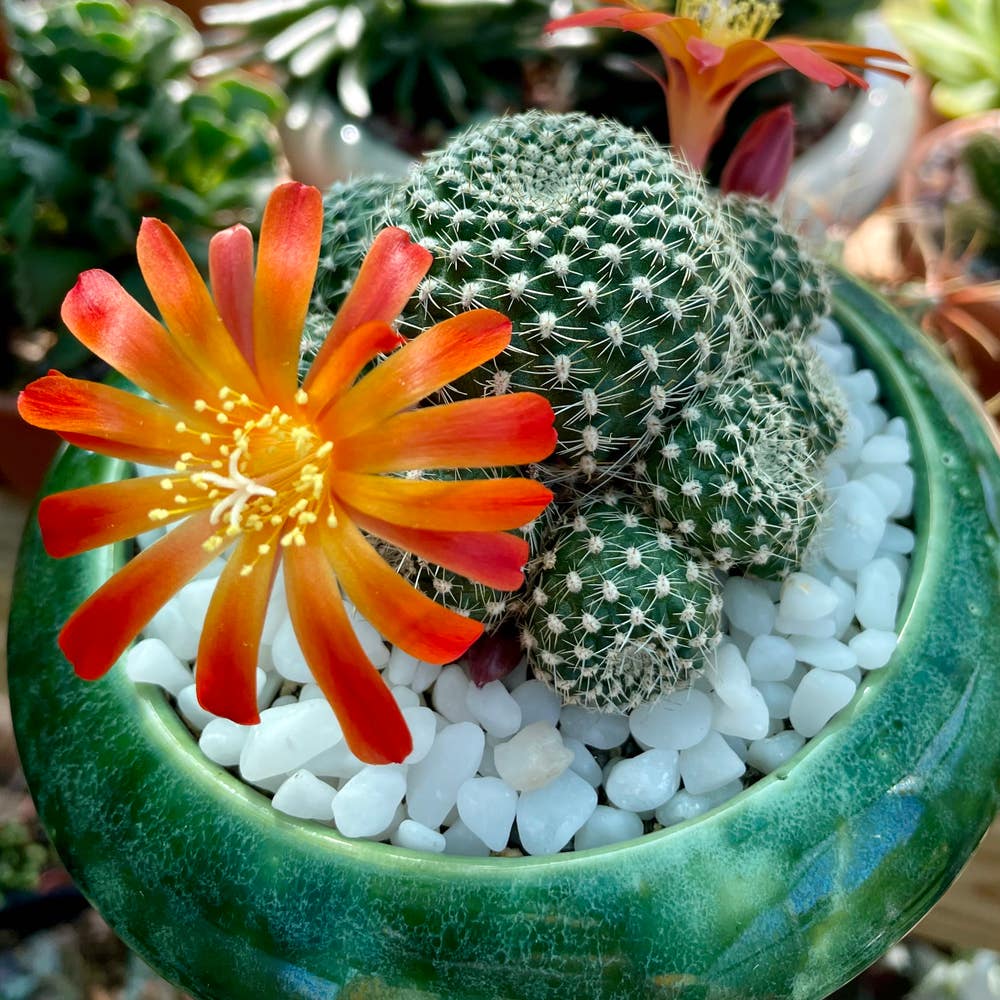
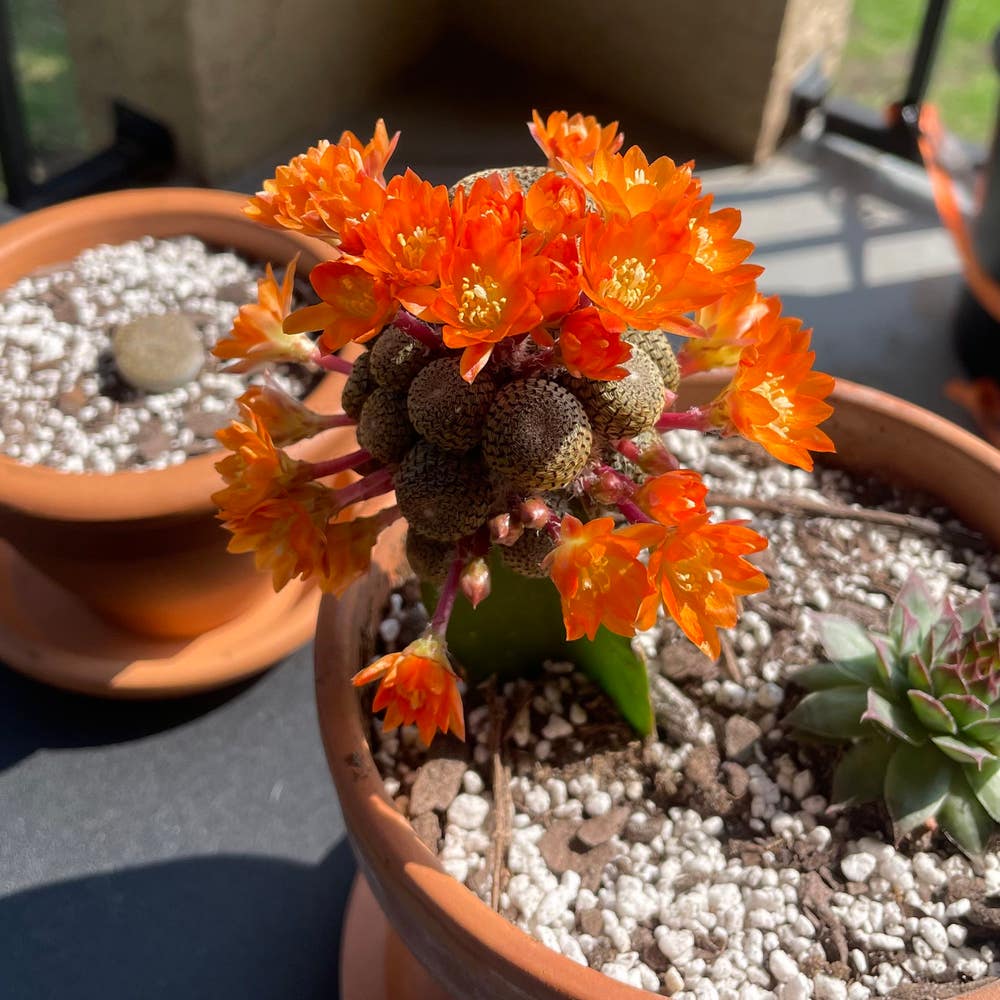
Rebutia heliosa
By the Greg Editorial Team
Jan 10, 2025•11 min read
This article was created with the help of AI so we can cover more plants for you. May contain errors. See one? Report it here.
- 🌞 Sunrise Cactus needs 6-8 hours of sunlight daily for optimal growth.
- 🌡️ Ideal temperatures range from 70°F to 100°F for healthy development.
- 💧 Water every 2-3 weeks and use well-draining soil to prevent issues.
How to Grow
Choosing the Right Location 🌞
To ensure your Sunrise Cactus thrives, it needs full sun exposure for at least 6-8 hours daily. This plant loves warmth, ideally flourishing in temperatures ranging from 70°F to 100°F.
Soil Preparation 🏜️
For optimal growth, use well-draining soil, such as a sandy mix or a specialized cactus blend. Don't forget to include drainage holes in pots or raised beds to prevent waterlogging.
Planting Techniques 🌱
When planting, place seeds or cuttings at a depth of 1-2 inches. It's also essential to maintain 12-18 inches of space between plants to promote airflow and reduce competition.
Watering Guidelines 🚰
During the growing season, water your Sunrise Cactus every 2-3 weeks. In winter, reduce watering frequency, and always water deeply but infrequently to encourage robust root growth.
Fertilizing Schedule 🍽️
Use a diluted cactus fertilizer with an NPK ratio of 10-10-10. Fertilize every 4-6 weeks during the growing season to provide essential nutrients.
Pruning Practices ✂️
Prune your cactus in early spring, just before new growth begins. Focus on removing any dead or damaged spines and stems to keep your plant healthy.
Ongoing Care 🛡️
Regularly monitor your cactus for signs of stress or disease. Adjust your watering and fertilizing routine based on seasonal changes to ensure it remains healthy and vibrant.
By following these guidelines, you'll set your Sunrise Cactus up for success, allowing it to flourish in your garden or home. Next, let’s explore how to propagate this resilient plant for even more growth opportunities.
Propagation
🌱 Methods of Propagation
Propagation of the Sunrise Cactus can be achieved through two primary methods: seeds and cuttings. You can either collect seeds from mature plants or purchase them from a nursery, while healthy cuttings can be taken from established plants.
📋 Step-by-Step Instructions for Each Method
1. Seeds
To propagate using seeds, sow them in well-draining soil. Lightly cover the seeds and water gently, ensuring you maintain humidity until germination, which typically takes 7-14 days.
2. Cuttings
For cuttings, allow them to dry for 1-2 days before planting. Once dried, place them in a cactus mix and water sparingly until roots develop, which usually takes 2-4 weeks.
🏆 Best Practices for Successful Propagation
Using sterile tools is crucial to prevent disease during propagation. Additionally, providing bright, indirect light during the rooting process will enhance your success rate.
By following these steps and best practices, you can easily propagate your Sunrise Cactus and enjoy the satisfaction of nurturing new plants. Next, let’s explore the lifecycle of this resilient cactus, from germination to flowering.
Lifecycle
Lifecycle Stages 🌱
The lifecycle of the Sunrise Cactus is an intriguing journey that begins with germination. Under optimal conditions, seeds sprout within 7-14 days, marking the start of their growth adventure.
Once germination occurs, the plant enters the seedling stage, where it develops true leaves and establishes a robust root system. This is followed by a vegetative growth phase, typically lasting several months, during which the cactus experiences rapid growth.
As spring transitions into summer, the cactus may begin to flower, showcasing vibrant blooms that add beauty to any garden. After flowering, the plant produces seeds, ready for collection and propagation.
Lifespan and Growth Timeline ⏳
The average lifespan of a Sunrise Cactus ranges from 10 to 30 years, depending on the care it receives and the conditions in which it grows. With proper attention, you can expect your cactus to reach full maturity in approximately 3-5 years.
Growth rates are moderate, but optimal conditions—like adequate sunlight and proper watering—can lead to faster development. This means that with the right environment, your Sunrise Cactus can thrive and flourish, becoming a stunning centerpiece in your garden or home.
As you nurture your cactus through its lifecycle, you'll witness its transformation and resilience, reminding you of the beauty of nature's processes.
Size
Mature Height and Spread 🌵
The Sunrise Cactus typically reaches a mature height of 1 to 3 feet. Its spread can expand to about 1 to 2 feet in diameter, making it a striking addition to any garden.
Growth Rate and Size Variability 📈
This cactus has a moderate growth rate, which can be influenced by factors like light, water, and soil quality. Size can also vary significantly depending on whether the cactus is grown indoors or outdoors, with outdoor plants often thriving more robustly.
Understanding these size characteristics can help you plan your garden layout effectively. Whether you're aiming for a compact indoor display or a bold outdoor statement, the Sunrise Cactus can adapt beautifully to your vision.
As we explore further, let’s dive into the fascinating lifecycle of this resilient plant.
Roots
Characteristics of the Root System 🌱
The Sunrise Cactus features a fibrous root system that excels at absorbing water efficiently. These roots can extend 12-18 inches deep, allowing the plant to access moisture even in arid conditions.
Common Root-Related Issues ⚠️
Root rot is a common problem, often caused by overwatering. Symptoms include mushy roots that can lead to the plant's decline.
Another issue is being rootbound, which occurs when the roots fill the pot. Signs of this include stunted growth and a plant that seems to be struggling.
Visual Cues for Healthy vs. Unhealthy Roots 👀
Healthy roots are firm, white, and spread throughout the soil, indicating a thriving plant. In contrast, unhealthy roots appear dark, mushy, or may even emit a foul smell.
Tips for Managing Root Problems 🛠️
If your cactus becomes rootbound, it's time to repot it into a larger container with fresh soil. Additionally, ensure proper drainage to prevent root rot, which is crucial for the health of your Sunrise Cactus.
With these insights, you can maintain a robust root system that supports your cactus's growth and vitality. Next, let’s explore the benefits of growing this resilient plant.
Benefits
Top 5 Benefits 🌟
1. Drought Resistance
Sunrise cactus is a champion when it comes to drought resistance. It thrives on minimal watering, making it perfect for arid climates where water conservation is key.
2. Low Maintenance
Once established, this cactus requires little care. It’s an ideal choice for busy gardeners or those new to plant care.
3. Aesthetic Appeal
With its vibrant colors and unique textures, the sunrise cactus adds a striking visual element to any garden. It can serve as a focal point or complement other plants beautifully.
4. Air Purification
Beyond its beauty, the sunrise cactus contributes to improved indoor air quality. It helps filter out toxins, making your living space healthier.
5. Symbolism
This cactus symbolizes resilience and adaptability across various cultures. It serves as a reminder of strength and survival, inspiring those who cultivate it.
Incorporating a sunrise cactus into your garden or home not only enhances your space but also brings a sense of purpose and connection to nature. As we explore further, let’s dive into the fascinating world of companion plants that thrive alongside this resilient beauty.
Companion Plants
🌱 Explanation of Companion Planting
Companion planting is a gardening technique that boosts biodiversity and improves pest management. By strategically placing plants together, you can create a thriving ecosystem that benefits all species involved.
🌿 List of Compatible Companion Plants
- Succulents: These hardy plants share similar care needs with the Sunrise Cactus, thriving in similar conditions of light and soil.
- Lavender: Not only does lavender add beauty to your garden, but it also repels pests, making it a perfect companion for your cactus.
🚫 Plants to Avoid
When selecting companions, steer clear of heavy feeders like tomatoes or corn. These plants compete for nutrients, potentially stunting the growth of your Sunrise Cactus.
By choosing the right companions, you can enhance your garden's health and aesthetics. This thoughtful approach not only supports your cactus but also creates a vibrant, diverse environment.
Toxicity to Humans
🛡️ Safety Overview
The Sunrise Cactus is generally safe for humans. Major poison control centers do not list it as toxic, making it a worry-free addition to your home or garden.
⚠️ Potential Minor Issues
While handling the cactus, you might experience mild skin irritation from its spines. Additionally, consuming it in large amounts could lead to digestive discomfort.
🤔 Recommendations for Caution
Even though the risks are minimal, it's wise to exercise caution. If you experience any unusual symptoms after contact or ingestion, consult a medical professional for advice.
This knowledge allows you to enjoy your Sunrise Cactus without unnecessary concern. Next, let’s explore how this resilient plant interacts with our furry friends!
Toxicity to Dogs
Safety Overview 🐶
The Sunrise Cactus is generally safe for dogs. Major pet poison control centers do not list it as toxic, so you can breathe easy if your furry friend gets curious.
Potential Minor Issues 🤢
However, if consumed in large quantities, your dog might experience mild gastrointestinal upset. It's always best to keep an eye on their behavior just in case.
Tips for Introducing to Homes with Dogs 🏡
To ensure a harmonious coexistence, place your Sunrise Cactus out of reach of your dog. Regularly monitor their behavior around the plant to prevent any mishaps and keep your home safe and stylish.
With these precautions, you can enjoy the beauty of your cactus without worry. Next, let’s explore how to manage common problems that may arise with your Sunrise Cactus.
Toxicity to Cats
Safety Overview 🐱
Good news for cat lovers! The Sunrise Cactus is not considered toxic according to major pet poison control centers. This means you can enjoy its beauty without worrying about your feline friends.
Potential Minor Issues 🤢
However, it's worth noting that if consumed in large quantities, mild gastrointestinal upset may occur. Keep an eye on your cat's behavior if they show interest in nibbling on the plant.
Tips for Introducing to Homes with Cats 🏡
To ensure a harmonious home, position your Sunrise Cactus where cats cannot easily access it. Observing their behavior around the plant can also help you gauge their interest and prevent any potential mishaps.
With these precautions, you can enjoy the vibrant presence of the Sunrise Cactus while keeping your curious cats safe.
Problems
Common Issues 🌵
Incorrect Watering
Watering is a critical aspect of cactus care.
Overwatered: If your cactus shows yellowing or mushy stems, it’s a sign of overwatering. Reduce the frequency of watering to allow the soil to dry out.
Underwatered: A wrinkled or shriveled appearance indicates underwatering. Increase your watering schedule to revive your plant.
Incorrect Light Conditions
Light is essential for healthy growth.
- Symptoms: Etiolated growth, where the cactus stretches towards the light, signals insufficient sunlight. Move your cactus to a sunnier spot to correct this.
Incorrect Temperature
Temperature fluctuations can stress your cactus.
- Symptoms: Stunted growth often results from temperatures outside the ideal range. Maintain a warm environment, ideally between 70°F to 100°F, to promote healthy growth.
Diseases
Cacti can fall prey to diseases if not properly cared for.
- Powdery mildew: This appears as white powdery spots on the plant. Improve air circulation around your cactus to prevent this issue.
Leaf Issues
Leaf problems can indicate underlying care issues.
- Scorching: Brown tips on the leaves suggest too much direct sunlight. Adjust the light exposure to protect your cactus from scorching.
Conclusion 🌅
By addressing these common issues, you can ensure your Sunrise Cactus thrives. Next, let’s explore the fascinating world of pests that may affect your cactus and how to manage them effectively.
Bugs
🐜 Potential Pest Issues
While the Sunrise Cactus is generally pest-resistant, it can still fall victim to certain pests. Keeping an eye out for these invaders is crucial for maintaining your cactus's health.
🔍 Identification and Damage
Spider Mites are a common issue, identifiable by their fine webbing on the plant. If you notice leaf drop, these tiny pests might be the culprit.
Mealybugs present another challenge, appearing as cotton-like clusters on your cactus. They can stunt growth and weaken your plant if not addressed promptly.
🛠️ Effective Treatment Options
To combat these pests, Neem Oil serves as a natural pesticide that effectively controls infestations. A simple spray can go a long way in protecting your cactus.
Insecticidal Soap is another effective option, particularly against soft-bodied pests like mealybugs. Regular applications can help keep your Sunrise Cactus thriving and pest-free.
By staying vigilant and employing these treatment options, you can ensure your Sunrise Cactus remains healthy and vibrant. Next, let’s explore what animals might be interested in snacking on your cactus.
What Eats Sunrise Cactus
Common Animals 🦌
Sunrise cactus can attract a variety of hungry critters.
Deer: These graceful animals often leave signs of their presence with chewed stems. To protect your cactus, consider installing fencing around your garden.
Rabbits: If you notice missing pads, rabbits might be the culprits. Using repellents can help keep these furry friends at bay.
Squirrels: Signs of dug-up roots indicate squirrel activity. Traps or barriers can effectively deter these agile pests.
Deterrent Methods 🚫
Keeping your sunrise cactus safe from these animals is essential for its health.
Chemical Repellents: There are various commercial options available that can help ward off unwanted visitors.
Organic Control Methods: For a more natural approach, consider using garlic spray or motion-activated devices to keep animals away.
By implementing these strategies, you can enjoy your sunrise cactus without the worry of it becoming a snack for local wildlife.
⚠️ Safety First
This content is for general information and may contain errors, omissions, or outdated details. It is not medical, veterinary advice, or an endorsement of therapeutic claims.
Always consult a qualified healthcare professional before using any plant as food, medicine, or supplement.
Never eat any plant (or feed one to pets) without confirming its identity with at least two trusted sources.
If you suspect poisoning, call Poison Control (800) 222-1222, the Pet Poison Helpline (800) 213-6680, or your local emergency service immediately.
Spotted an error? Please report it here.
The Sunrise Cactus is a sun-loving superstar 🌵 that can thrive for decades, and with Greg's tailored care reminders, you'll keep it hydrated and happy all year round!