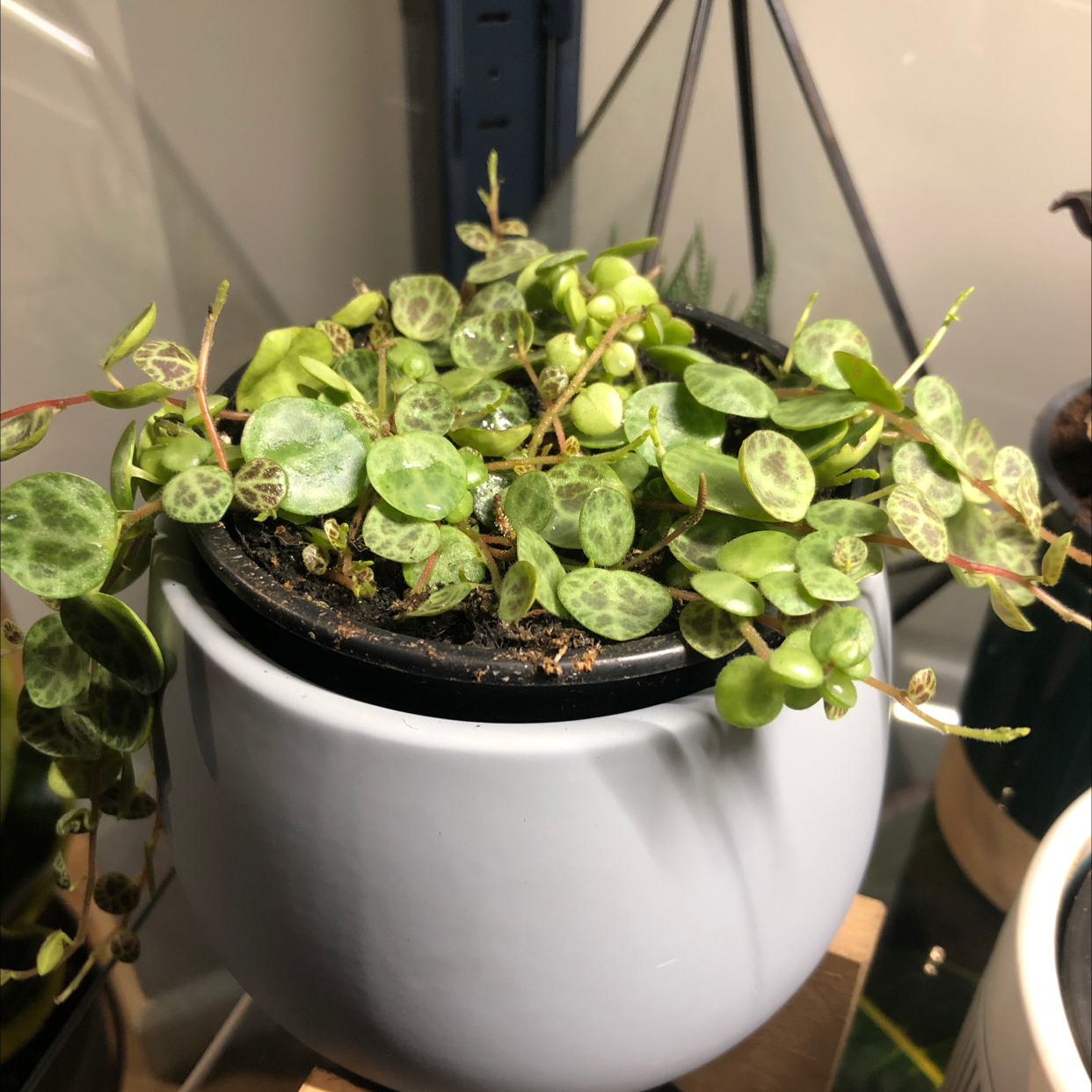
π’ Common String Of Turtles Problems
Peperomia prostrata
By the Greg Editorial Team
Jun 17, 2024•4 min read
This article was created with the help of AI so we can cover more plants for you. May contain errors. See one? Report it here.
Nurture a thriving String of Turtles π’ by tackling these typical plant pitfalls with ease!
- Wilting leaves? Check soil moisture to determine over or underwatering.
- Discoloration and drop signal nutrient issues or environmental stress.
- Mushy stems and foul odor often mean root rot; act quickly.
Identifying Unhealthy Signs
In the lush world of houseplants, the String of Turtles (Peperomia prostrata) is a quirky charmer. But when this peppy plant starts throwing tantrums, it's time to play detective. Here's how to spot trouble before your plant's health goes south.
π₯ Wilting: The Telltale Droop
Wilting is your plant's melodramatic way of saying, "I've had better days." When those cute turtle-shell leaves lose their plumpness and hang limp, it's a red flag. Overwatering or underwatering could be the culprits, so check the soil before you do anything drastic.
π¨ Discoloration: A Colorful Cry for Help
Leaves that turn as pale as a ghost or as yellow as a rubber duck are screaming for attention. Overwatering often leads to this sad state, but don't rule out a nutrient deficiency. It's like your plant is on a bad diet and showing it.
π Leaf Drop: A Rain of Regret
When leaves start dropping faster than hot potatoes, it's a sign that your String of Turtles isn't happy. Could be too much water, not enough love, or a drafty spot. It's like the plant's shedding tears in the form of leaves.
π¦ Mushy Stems: The Squish of Doom
If the stems feel like overcooked pasta, you're likely dealing with root rot. It's the plant equivalent of a zombie apocalypse down there. Time to channel your inner surgeon and cut out the rot.
π· Foul Odor: The Stench of Despair
Sniff around. If your plant smells like last week's forgotten leftovers, that's root rot broadcasting its presence. It's the botanical SOS signal, and you need to act fast.
π Pests: Uninvited Guests
Tiny critters like spider mites and mealybugs love to crash the party. Look for webbing, spots, or actual bugs. It's like your plant's got freeloaders, and they're not paying rent.
π± Leggy Growth: Stretching for the Stars
When your plant starts getting all spindly, it's reaching for more light. It's not trying to become a ballerina; it just needs a sunnier spot. Poor light conditions can make it go all lanky on you.
π Stunted Growth: The Unfulfilled Potential
If your String of Turtles is growing slower than a snail on a lazy day, it might be shouting for nutrients or better care. It's like it's stuck in a rut and needs a boost.
Remember, proactive observation is key. Catch these signs early, and you can turn your plant's frown upside down. Keep an eye out, and your String of Turtles will reward you with a cascade of happy, healthy leaves.
Common Issues and Solutions
π§ Overwatering
Symptoms: Yellowing leaves, mushy stems, and that telltale foul odor from the soil scream overwatering. Solutions: Cut back on the H2O, folks. Improve soil drainage and let that dirt dry out before giving it another drink.
ποΈ Underwatering
Symptoms: Shriveled leaves and droopy stems are your plant's way of saying, "I'm thirsty!" Solutions: Consistency is keyβwater regularly. Make sure each sip counts, and don't skimp on the humidity.
π©Ή Root Rot
Symptoms: A stench like death, mushy and discolored roots, and wilting foliage are the unholy trinity of root rot. Solutions: Get surgical and trim the dead weight. Repot in well-draining soil and review your watering habits.
π Pest Infestations (e.g., Spider Mites, Mealybugs)
Symptoms: If you see creepy crawlies, webbing, or yellow spots, it's time for pest control. Solutions: Quarantine your plant like it's got the plague. Use your pest assassin of choice and keep a vigilant watch post-treatment.
π Poor Light Conditions
Symptoms: Leggy growth and pale leaves are your plant's plea for more light. Solutions: Move it to a brighter spot, but don't roast it in direct sunlight. Acclimate slowly to avoid a plant meltdown.
π½οΈ Nutrient Deficiency
Symptoms: Yellowing or browning leaves and stunted growth are signs your plant is malnourished. Solutions: Feed it a balanced diet of diluted fertilizer and tweak the feeding schedule as you see improvements.
π‘οΈ Temperature Stress
Symptoms: Browning leaves and wilting are your plant's reaction to temperature tantrums. Solutions: Keep the temps steady, dodge drafts, and maintain that sweet spot of humidity.
β οΈ Safety First
This content is for general information and may contain errors, omissions, or outdated details. It is not medical, veterinary advice, or an endorsement of therapeutic claims.
Always consult a qualified healthcare professional before using any plant as food, medicine, or supplement.
Never eat any plant (or feed one to pets) without confirming its identity with at least two trusted sources.
If you suspect poisoning, call Poison Control (800) 222-1222, the Pet Poison Helpline (800) 213-6680, or your local emergency service immediately.
Spotted an error? Please report it here.