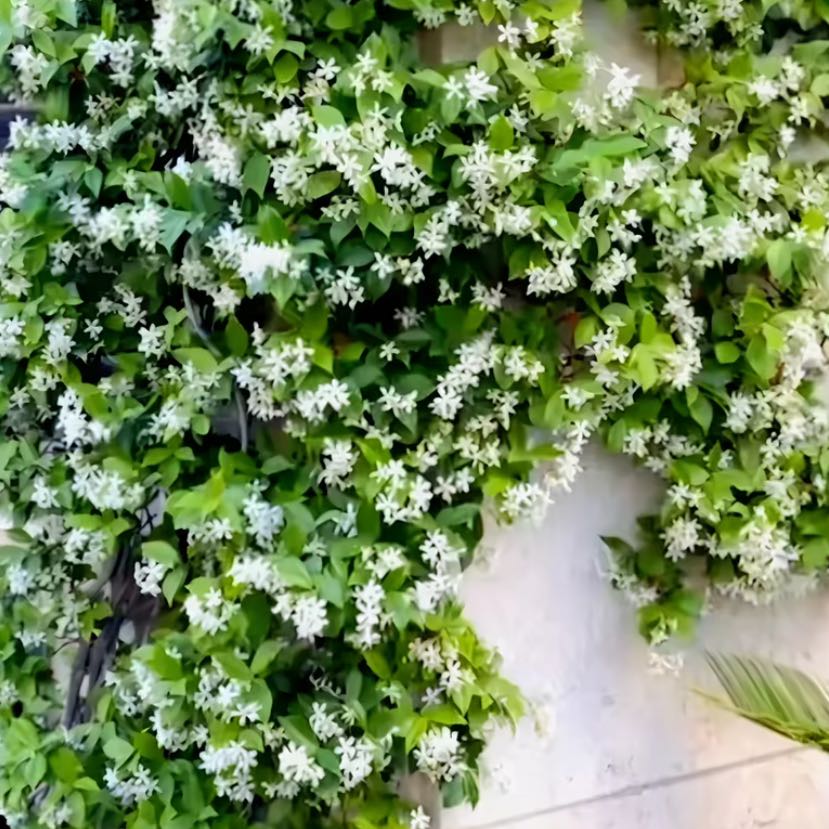
Common Star Jasmine Problems

Trachelospermum jasminoides

By the Greg Editorial Team

Jun 17, 20249 min read

This article was created with the help of AI so we can cover more plants for you. May contain errors. See one? Report it here.

Star jasmine
  1. πŸ’§ Adjust watering to prevent yellowing, wilting, or crispy leaves.
  2. 🌑️ Maintain 60-75°F and consistent light for Star Jasmine health.
  3. 🐞 Combat pests with oils, soaps, and beneficial bugs like ladybugs.

Water-Related Issues in Star Jasmine

πŸ’§ Over-Watering Symptoms

Yellowing leaves and a wilted appearance scream "help, I'm drowning!" in plant language. If your Star Jasmine has mushy stems, it's practically waving a white flag. Over-watering can suffocate roots, leading to a dull and unhappy plant.

🏜️ Under-Watering Symptoms

Conversely, a Star Jasmine gasping for water will sport crispy, dry leaves. It's like the plant's version of a parched throat on a scorching day.

πŸ’¦ Adjusting Your Watering Game

If you're over-loving with water, let the soil dry out a bit. Think of it as a plant detox. For the underwatered, it's time to quench that thirst. Give it a thorough drink and watch for a revival.

🌱 Root Rot: The Sneaky Plant Assassin

Over-watering's sidekick, root rot, is a real backstabber. If your Star Jasmine's roots are looking more like a slimy horror movie prop, it's time to repot and rethink your watering strategy.

🚰 Pro Tips for Water Wisdom

  • Check the soil moisture before watering; if it sticks to your finger, hold off on the H2O.
  • Ensure good drainage; your plant's not a fish, it doesn't need to swim.
  • Observe your plant like it's the latest binge-worthy series; know its normal state so you can spot when things go awry.

Remember, Star Jasmine isn't needy with its water demands. Aim for the sweet spot between a desert and a swamp, and you'll be golden.

Potted Star Jasmine plant with support structure, visible soil, and some browning leaves.

Light and Temperature Issues

🌞 Irregular Light Exposure

Star Jasmine thrives in consistent conditions, but when light and temperature are out of whack, the plant can suffer. Here's how to identify and correct these issues.

🌑️ Inconsistent Temperature

Star Jasmine dislikes temperature extremes. Keep it away from heat sources and cold drafts. Ideal temperatures hover between 60-75Β°F (15-24Β°C). On cloudy days, lower temperatures slightly to match the reduced light levels.

πŸ”„ Adjusting Care Routines

Adjust watering in tandem with light changesβ€”less light, less water. Rotate your plant regularly to promote even growth and prevent it from stretching towards the light source. Remember, the goal is to mimic the Goldilocks zoneβ€”conditions that are just right.

Potted Star Jasmine plant with significant leaf browning and yellowing, indicating health issues.

Pest Infestations and Their Management

🐞 Identifying the Culprits

Aphids, mites, and scale insects are the usual suspects when it comes to Star Jasmine woes. These pests are like uninvited guests at a garden party, sucking the life out of your plants. Aphids are particularly notorious for their love affair with plant sap, causing yellowing and distorted growth. Mites, on the other hand, are tiny spider-like critters that can cause leaves to turn yellow and drop prematurely. Scale insects are stealthy, hiding under their protective shells while they feast on your plant's fluids.

βš”οΈ The Battle Plan

First, let's get physical. Sometimes, the best offense is a good defense. Knock pests off with a strong stream of water or pick them off by hand if you're not squeamish. It's a workout for you and a tsunami for them. If the infestation is more like a full-blown invasion, it's time to bring out the big guns. Horticultural oils, such as neem oil, are your allies in this fight. They're like bouncers at the club door, keeping the riff-raff out.

🌿 Non-Toxic Tactics

Before you go nuclear, consider gentler methods. Insecticidal soaps can wash away your pest problems without the environmental guilt trip. They're like giving your plants a spa day that's fatal to insects. And don't forget about the power of beneficial bugs. Ladybugs and lacewings aren't just pretty faces; they're voracious predators that will happily munch on your pest population.

🚫 Preventive Measures

An ounce of prevention is worth a pound of cure. Regular inspections are the equivalent of neighborhood watch for your plants. Catching pests early can prevent the need for more aggressive treatments later. Also, maintaining the overall health of your Star Jasmine can make it less appealing to pests. It's like having a strong immune system; healthy plants are less likely to get sick.

☣️ When Chemicals are the Answer

Sometimes, you've got to fight fire with fire. If you've tried all else and the pests are laughing in your face, it might be time for targeted pesticides. But remember, with great power comes great responsibility. Use chemicals as a last resort and always follow the instructions to the letter. It's like antibiotics for your plants; you don't want to contribute to superbugs.

Potted Star Jasmine plant with green leaves and white flowers.

Addressing Leaf Scorch

Leaf scorch in Star Jasmine can sneak up on you like a sunburn after a deceptively cool day at the beach. Recognize it by the browning of leaf tips and margins, which can progress inwards if unchecked. It's not a plant plague but a cry for help against environmental stress.

🌡 Symptoms of Leaf Scorch

Scorched leaves look like they've had a rough day in the Saharaβ€”crispy, brown, and utterly unhappy. This isn't a sign of disease; it's your Star Jasmine telling you it's thirsty or it's had too much sun, like a tourist who forgot their sunscreen.

🚿 Quick Fixes to Mitigate Leaf Scorch

  • Water deeply to quench your plant's roots, not just a superficial sprinkle.
  • Use mulch to keep the soil moist longer, like a protective blanket.
  • If your Star Jasmine is baking in the sun, move it to a spot with some afternoon shade. Think of it as relocating from the beach to the cabana.

πŸ›‘οΈ Preventing Further Damage

Remember, leaf scorch is more of a temporary setback than a death sentence. With prompt and proper care, your Star Jasmine will bounce back, ready to face another day.

Combating Mold and Fungus

Mold and fungus can be the silent assassins of houseplants, including Star Jasmine. Recognizing the enemy is half the battle. Look out for powdery residues, discolored patches, or a musty smell. These are telltale signs that your Star Jasmine is hosting an unwanted fungal party.

πŸ•΅οΈβ€β™‚οΈ Early Detection

Act fast – if you spot any unusual growth or discoloration, it's time to play detective. Mold thrives in moist conditions, so check your watering habits. Overzealous hydration could be the culprit.

βš”οΈ Strategic Strikes

Fungicides are your go-to weapon. Tebuconazole, for instance, is a systemic fungicide that gets absorbed into the plant, stopping the spread of nasties like Botrytis. But remember, with great power comes great responsibility – use it sparingly and according to the label's instructions.

πŸ›‘οΈ Prevention Tactics

Air circulation is your ally. Ensure your Star Jasmine isn't suffocating in stagnant air, especially if you're raising it in a terrarium. Prune dead leaves to avoid detritus build-up, which is basically a welcome mat for mold.

πŸ’§ The Watering Conundrum

Watering is a delicate dance. Too much, and you're setting the stage for mold. Too little, and your plant throws a tantrum. Ditch the schedule; water when your Star Jasmine thirsts for it. If the soil's damp, hold off on the H2O.

🧼 Cleanliness is Key

Keep your tools sterilized. A simple bleach solution (1 part bleach to 4 parts water) can prevent the spread of fungal spores. And if you're pruning away infected parts, don't even think about composting them – that's just asking for trouble.

πŸ’¨ Humidity and Circulation

High humidity without proper airflow is like a fungus festival. Monitor humidity levels and ensure your plant's environment isn't a petri dish in disguise.

By staying vigilant and adopting these strategies, you can keep mold and fungus at bay and ensure your Star Jasmine remains the envy of the plant world.

Tackling Root Rot

Star Jasmine's root rot is a silent assassin; it's a problem that thrives in the shadows, beneath the soil. Recognizing the stench of decay, mushy or discolored roots, and wilting leaves is crucial.

🚨 Symptoms of Root Rot

Steps for Recovery

  1. Unpot the plant carefully to inspect the roots.
  2. Trim the infected roots using sterilized scissors, cutting back to healthy tissue.
  3. Dispose of the rotten roots and contaminated soil responsibly.
  4. Clean the pot with a bleach solution or use a new one to prevent reinfection.
  5. Repot with fresh, well-draining soil to give your Star Jasmine a new lease on life.
  6. Adjust watering habits; ensure the soil dries out between waterings to prevent a recurrence.
  7. Monitor closely for signs of recovery or further decline.

Remember, the key to beating root rot is swift action. If you're too late, and the rot has claimed most of the root system, it might be time to start anew. But, catch it early, and your Star Jasmine could bounce back with the resilience of a phoenix.

Reviving Unhealthy Star Jasmine

Reviving a Star Jasmine plant requires swift and precise action. Here's how to tackle each issue.

πŸ’§ Water-Related Recovery

Over-watering: Check the soil before watering; if it's soggy, hold off. Allow the top inch to dry out between waterings. Under-watering: If leaves are dry and crispy, soak the soil thoroughly. Ensure consistent moisture levels going forward.

🌞 Light and Temperature Adjustments

Move plants to a location with bright, indirect light if they show signs of light stress. Protect from extreme temperatures by placing in a spot with stable conditions.

🐜 Pest Management

For pest infestations, apply neem oil or insecticidal soap. Remove affected foliage and maintain a clean environment to prevent reinfestation.

πŸ‚ Addressing Leaf Scorch

Prune scorched leaves only after temperatures rise above 45 degrees Fahrenheit. Monitor new growth for signs of recurring scorch.

πŸ„ Mold and Fungus Eradication

Isolate the plant. Treat with a fungicide or a baking soda-water mixture. Remove and discard any affected plant parts to halt the spread.

🌱 Root Rot Rescue

If root rot is suspected, remove the plant from its pot. Trim away rotted roots and replant in fresh, well-draining soil.

🌿 Ongoing Care

After addressing specific issues, maintain plant health with regular pruning and fertilization. Adjust care routines to prevent recurrence of problems.

Regular monitoring is key to catching issues early. Adjust care as needed and watch your Star Jasmine bounce back with vigor.

⚠️ Safety First

This content is for general information and may contain errors, omissions, or outdated details. It is not medical, veterinary advice, or an endorsement of therapeutic claims.

Always consult a qualified healthcare professional before using any plant as food, medicine, or supplement.

Never eat any plant (or feed one to pets) without confirming its identity with at least two trusted sources.

If you suspect poisoning, call Poison Control (800) 222-1222, the Pet Poison Helpline (800) 213-6680, or your local emergency service immediately.

Spotted an error? Please report it here.

Nurture your Star Jasmine to peak health 🌿 with Greg's support in fine-tuning watering and shielding against pests, based on the savvy insights from this article!