๐ What To Do About Bugs on My Star Jasmine?
Trachelospermum jasminoides
By the Greg Editorial Team
Jun 17, 2024•9 min read
This article was created with the help of AI so we can cover more plants for you. May contain errors. See one? Report it here.
- Identify pests early with regular inspections for webbing, stickiness, or white masses.
- Use water, soap, oils, or introduce predators for eco-friendly pest control.
- Prevent infestations with proper care, quarantine of new plants, and encouraging predators.
Identifying and Treating Spider Mites on Star Jasmine
๐ท๏ธ Spotting the Culprits
Tiny moving dots or fine webbing on your Star Jasmine? You've got spider mites. These pests are like the ninjas of the plant worldโstealthy, and if not caught in time, deadly to your green beauties.
๐ก๏ธ The Treatment Game Plan
Isolation is key. Think quarantine, but for plants. Move the affected Star Jasmine away from its green comrades to prevent the mite mayhem from spreading.
Step 1: Prune the Damage
Snip off the most heavily infested leaves. Itโs like cutting off the zombie bite before it turns you into a plant-eating monster.
Step 2: Water Warfare
Blast those mites away with a strong stream of water. Imagine you're power-washing the filth off your driveway, but it's your plant.
Step 3: Soap Them Up
Mix water with a squirt of dish soap. It's like giving your plant a bath, except you're suffocating the invaders. A bit dark, but effective.
Step 4: Bring Out the Big Guns
If the mites laugh in the face of your soapy water, it's time for miticides or neem oil. These are like the elite pest SWAT team, coming in to clean up the mess.
Step 5: Repeat Offenders
Keep an eye out. Spider mites are like that one friend who canโt take a hint to leave. You might need to treat again in a week or two.
๐ฟ Maintenance: The Long Game
Regularly inspect your Star Jasmine for signs of an encore. Prevention is better than cure, and less of a headache. Stay vigilant, and your Star Jasmine will thank you by not becoming a mite motel.
Battling Scale Insects on Star Jasmine
Scale insects can be sneaky pests, masquerading as part of your Star Jasmine's stem or leaves. Here's how to show them the door.
๐ต๏ธ Spotting the Culprits
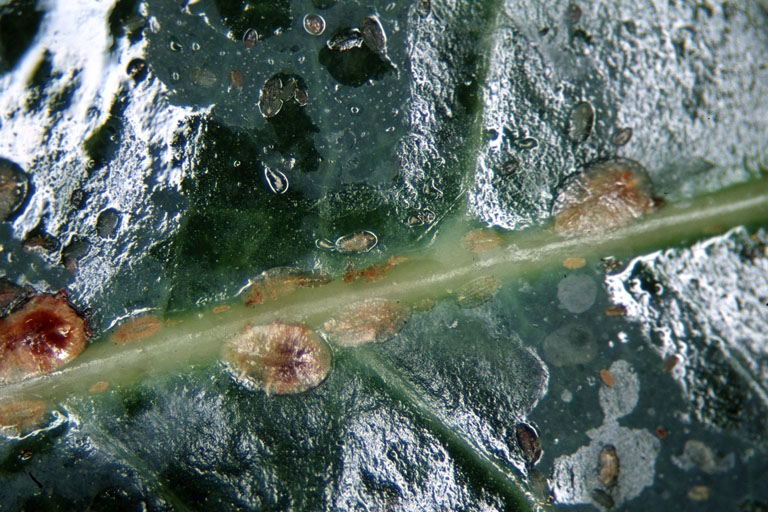
Sticky leaves or a sooty mold appearance? You've got scale. These critters look like tiny barnacles, hunkered down and sucking the life out of your plant.
โ๏ธ The Battle Plan
Step 1: Physical Removal
Get down and dirty. Scrape them off with your fingernails, an old toothbrush, or a toothpick. Be thoroughโcheck every nook and cranny.
Step 2: Horticultural Oil
Neem oil is your friend here. It's like throwing a wrench in the scales' little insect lives. Drench the plant until it's dripping; do this in the early evening when the temperature is just right.
Step 3: Insecticidal Soap
Not all soaps are created equal. Grab one that's meant for ornamental plants and go to town. Spray every part of the plant, and repeat as necessary.
Step 4: Persistence
Repeat treatments weekly or as per the product's instructions. Don't let up until those scales have waved the white flag.
๐ฏ Pro Tips
- Keep an eye out for ant activity; they're often scale accomplices.
- If you're dealing with a heavy infestation, consider pruning affected areas.
- Always test treatments on a small area first to avoid harming your plant.
Managing Fungus Gnats and Fruit Flies Around Star Jasmine
Identifying these pests is the first step to maintaining a healthy Star Jasmine. Fungus gnats are tiny, mosquito-like insects, often found near moist soil, while fruit flies are drawn to fermenting organic matter and have distinct red eyes. Both can be a nuisance, though fungus gnats are more likely to affect plant health.
๐ต๏ธ Spotting the Invaders
Look for gnats hovering around the soil or plants, and fruit flies zipping away when disturbed. Check for the telltale signs of larvae in the soil, which resemble tiny white worms.
๐ก๏ธ Winning the Battle
Yellow sticky traps are your first line of defense, effectively capturing adult gnats and flies. For a more aggressive approach, a hydrogen peroxide solution (1 part hydrogen peroxide to 4 parts water) can be sprayed to target larvae in the soil. Diatomaceous earth also works wonders by drying out the pests' exoskeletons.
๐ฆ Natural Predators
Introduce Beauveria bassiana, a fungus that acts as a natural enemy to gnats, available through various vendors.
๐ฑ Cultural Controls
Prevent overwatering and ensure proper drainage to discourage these pests from setting up shop. Regularly inspect your Star Jasmine for early signs of infestation, and be ready to act swiftly. Remember, a dry environment is less inviting to these moisture-loving nuisances.
Eradicating Mealybugs from Star Jasmine
๐ต๏ธ Detection of Mealybugs
Spotting mealybugs on your Star Jasmine is like finding uninvited guests at a partyโthey're a buzzkill. Look for the telltale signs: white, cottony masses on leaves, stems, and sometimes flowers. These pests are sap-suckers, causing yellowing, wilting, and potentially plant death. If you see ants, they might be farming the mealybugs for their sweet secretions, so keep an eye out for these tiny accomplices.
โ๏ธ Manual Removal
Got a small infestation? It's time for some hands-on bug combat. Grab a cotton swab and dip it in rubbing alcohol. Suit up and dab those mealybugs away. Check every possible hideoutโunder leaves, along stems, and at the base of flowers. It's a tedious job, but think of it as a meditative practice in plant care.
๐ฟ Pruning Infested Parts
When the situation looks like a horror movie, pruning is your plot twist. Cut away the heavily infested parts with sterilized shears. Remember, you're performing surgery hereโbe precise and dispose of the contaminated bits like they're biohazardous waste.
๐งผ Insecticidal Soap
Insecticidal soap is your ally in the chemical warfare against mealybugs. Make sure it's labeled safe for ornamentals and follow the battle plan on the label. Coat all surfaces like you're painting a masterpiece. If the bugs bounce back, reapply. Persistence is key.
๐ฃ Systemic Insecticides
When you've tried all else, systemic insecticides are the nuclear option. They're like sending in the cavalryโthey get absorbed by the plant and poison the bugs from the inside out. But be warned, they don't discriminate between friend and foe, so beneficial insects might get caught in the crossfire.
๐ Natural Predators
For a more eco-friendly approach, recruit some natural predators. Ladybugs and lacewings are like the special forces of the bug worldโthey'll take out mealybugs with precision. You can order these insect heroes online or find them at your local garden center.
๐ก๏ธ Regular Maintenance
Prevention is better than cure. Keep your Star Jasmine in top shape with proper watering, sunlight, and air circulation. Regular check-ups will help you spot trouble early. Think of it as a wellness routine for your plantโpreventative care goes a long way.
Remember, mealybugs are tough adversaries, but with vigilance and the right tactics, you can send them packing. Keep your Star Jasmine thriving and show those bugs who's boss.
Controlling Aphid Populations on Star Jasmine
๐ Recognizing Aphid Infestations
Aphids are the clingy guests at your Star Jasmine's garden party. Look for clusters of tiny, pear-shaped pests in shades of green, black, brown, or pink. They're fond of tender shoots and the underside of leaves, sipping sap and leaving a sticky residue called honeydew. This goo can attract ants and sooty mold, adding insult to injury.
๐ก๏ธ Aphid Treatment Options
Non-Chemical Control
Start with a blast of water from your hose to knock these freeloaders off their feet. It's simple, satisfying, and safe for the environment. For a more hands-on approach, introduce ladybugs or lacewings to your garden; they're like the bouncers at the club, showing aphids the door.
Soapy Solution
Mix water with a few drops of dish soap for a homemade aphid irritant. Spray it directly on the pests, and they'll slip-slide away. It's like sending them down a water slide without a pool at the end.
Insecticidal Soaps and Oils
When the aphid party gets out of hand, it's time to bring in the bouncers. Horticultural soaps or neem oil can break up the gathering without trashing the place. Apply it when you first spot trouble or as a preventative measure when your Star Jasmine starts strutting its stuff in spring.
Chemical Control
If all else fails and the aphids are throwing a rave, you might need to use a targeted insecticide. Remember, this is the last resortโlike calling the cops on the party. Products containing imidacloprid can be effective, but apply with care to avoid resistance and protect the good guys.
Cultural Practices
Keep your Star Jasmine healthy; a stressed plant is like a neon sign for aphids. Proper watering, fertilizing, and pruning go a long way in avoiding infestations. It's like keeping your immune system strong so you don't catch the flu.
Sticky Traps
Yellow sticky traps can catch the winged aphids looking to expand their horizons. It's like setting up a speed trap on the aphid highway.
Remember, controlling aphids is a marathon, not a sprint. Stay vigilant, and your Star Jasmine will thank you by flourishing and filling your garden with its sweet scent.
Proactive Pest Prevention for Star Jasmine
Star Jasmine, with its fragrant blossoms, can be a magnet for pests. ๐ก๏ธ Prevention is crucial to keeping these plants healthy and pest-free. Here's how to safeguard your Star Jasmine against common invaders.
๐ต๏ธ Regular Inspection
Inspect your Star Jasmine frequently. Early detection of pests like scale insects or aphids can prevent a full-scale invasion. Look for telltale signs such as sticky honeydew, discolored leaves, or visible bugs.
๐ฟ Optimal Growing Conditions
Ensure your Star Jasmine is planted in a shady spot, especially in hot climates, to avoid stress that can attract pests. Overwintering in a protected area is key for those in colder regions.
๐ง Watering and Drainage
Water only when the top inch of soil is dry. Overwatering can lead to root rot, which weakens the plant and makes it more susceptible to pests. Ensure good drainage to prevent soggy soil.
๐จ Air Circulation
Good air circulation is essential. Use a fan or space plants out to prevent mold and pest issues. Stagnant air is a no-go.
โ๏ธ Pruning and Hygiene
Prune to maintain shape and remove any dead or diseased foliage. Clean your pruning tools between cuts to prevent spreading any potential infestations.
๐ฑ Fertilizing
Feed your Star Jasmine after flowering and again in early spring. Opt for a slow-release fertilizer to avoid overfeeding, which can attract pests.
๐ Natural Predators
Encourage beneficial insects like ladybugs that prey on aphids and other pests. They're your garden allies.
๐ฟ Non-Toxic Treatments
If pests appear, start with mild solutions like soapy water or neem oil before resorting to harsher chemicals. Always identify the pest first to choose the right treatment.
๐ซ Quarantine New Plants
New additions to your garden should be quarantined. This prevents any hitchhiking pests from spreading to your healthy Star Jasmine.
By following these steps, you'll create a less hospitable environment for pests and a thriving one for your Star Jasmine. Stay vigilant and enjoy the sweet-smelling rewards.
โ ๏ธ Safety First
This content is for general information and may contain errors, omissions, or outdated details. It is not medical, veterinary advice, or an endorsement of therapeutic claims.
Always consult a qualified healthcare professional before using any plant as food, medicine, or supplement.
Never eat any plant (or feed one to pets) without confirming its identity with at least two trusted sources.
If you suspect poisoning, call Poison Control (800) 222-1222, the Pet Poison Helpline (800) 213-6680, or your local emergency service immediately.
Spotted an error? Please report it here.