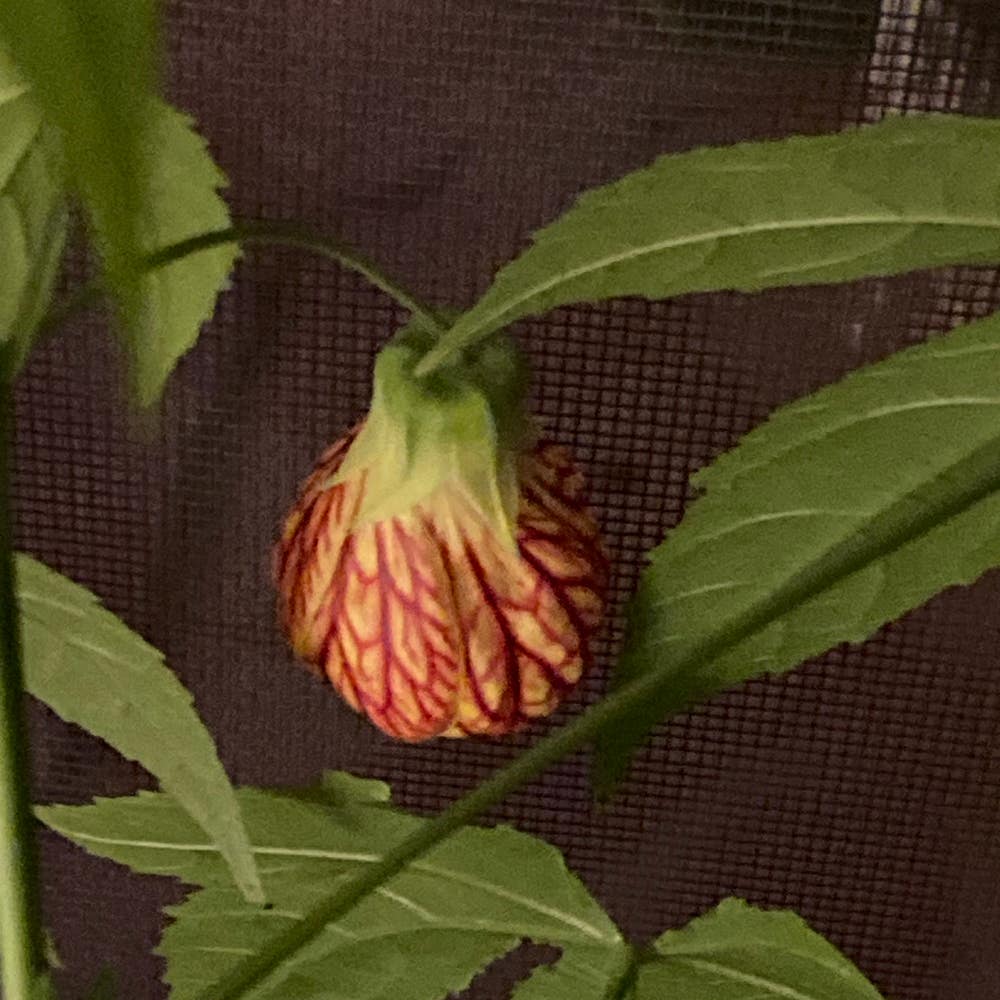
Understanding Spirabutilon: The Basics
Spirabutilon
By the Greg Editorial Team
Feb 28, 2025•12 min read
This article was created with the help of AI so we can cover more plants for you. May contain errors. See one? Report it here.
- 🌞 Spirabutilon thrives in full sun to partial shade; choose the right location!
- 🌱 Well-draining, fertile soil with pH 6.0-7.0 is essential for healthy roots.
- 💧 Consistent moisture is key; avoid waterlogging to prevent root damage.
How to Grow
🌞 Choosing a Location
When growing Spirabutilon, sunlight exposure is crucial. Aim for a spot that receives full sun to partial shade for optimal growth.
Consider whether you’ll plant outdoors or in containers. Container growing allows for flexibility, but ensure they receive adequate light.
🌱 Soil Preparation
The right soil type is essential for Spirabutilon. Use well-draining, fertile soil to promote healthy root development.
Additionally, check the pH level; an optimal range of 6.0 to 7.0 is ideal for growth.
🌼 Planting Techniques
Timing your planting is key. The best times to plant Spirabutilon are in spring or fall when temperatures are mild.
Ensure proper spacing between plants to allow for optimal growth. Aim for at least 18 to 24 inches apart.
💧 Watering Requirements
Consistent moisture is vital for Spirabutilon. Water regularly, but avoid waterlogging, which can harm the roots.
Be aware of the signs of overwatering, such as yellowing leaves, and underwatering, which may cause wilting.
🌿 Fertilizing Schedule
For healthy growth, use a balanced NPK fertilizer. This will provide the necessary nutrients for your Spirabutilon.
Apply fertilizer monthly during the growing season to keep your plants thriving.
✂️ Pruning Methods
Pruning is essential for maintaining the shape and health of Spirabutilon. The best time to prune is early spring or right after flowering.
Use proper techniques to encourage bushier growth and remove any dead or damaged branches.
🔍 Ongoing Care
Regular monitoring for pests and diseases is crucial. Keep an eye out for any unusual signs that may indicate a problem.
Adjust your care seasonally to meet the changing needs of your plants. This proactive approach will help ensure their long-term health.
With these guidelines, you’re well on your way to successfully growing Spirabutilon. Next, let’s explore how to propagate this fascinating plant!
Propagation
🌱 Seed Propagation
Sowing seeds is a straightforward process that can yield great results. Start by planting seeds at a depth of about 1/4 inch, ensuring they are spaced adequately to allow for growth.
Germination typically occurs within 2 to 4 weeks, depending on environmental conditions. Keep the soil consistently moist and provide warmth to encourage sprouting.
✂️ Cutting Propagation
Cutting propagation is another effective method. Choose healthy cuttings that are around 4 to 6 inches long, ensuring they have several leaves for optimal growth.
Use a well-draining rooting medium, such as a mix of perlite and peat. Maintain humidity and warmth to promote successful rooting.
🌿 Layering Techniques
Layering is a unique propagation method that involves bending a stem to the ground and covering it with soil. This encourages the stem to develop roots while still attached to the parent plant.
Timing is crucial; perform layering in early spring or late summer. Once roots form, you can separate the new plant from the parent and transplant it.
With these propagation techniques, you can easily expand your Spirabutilon collection. Next, let’s explore the lifecycle of this fascinating plant and how it grows over time.
Lifecycle
Lifecycle Stages 🌱
Spirabutilon can be classified as an annual, perennial, or biennial plant, depending on the specific variety. Understanding this classification helps in planning your gardening strategy and expectations for growth.
Germination Process 🌼
Successful germination requires specific conditions, including warmth, moisture, and light. Ensure the seeds are sown at the right depth and maintain consistent moisture for optimal results.
Seedling Stage 🌿
During the seedling stage, which typically lasts a few weeks, plants need careful attention. Provide adequate light and water to support healthy growth and prevent damping off.
Vegetative Growth 🌳
The vegetative phase is characterized by rapid leaf and stem development. This stage is crucial for establishing a strong foundation for future flowering and fruiting.
Flowering and Seed Production 🌸
Flowering usually occurs in late spring to early summer, followed by seed production. Timing can vary based on environmental conditions, so keep an eye on your plants for signs of blooming.
Lifespan and Growth Timeline ⏳
Spirabutilon generally takes several months to reach maturity, with growth rates varying by species and environmental factors. Understanding the average timeline helps you manage your expectations and care routines effectively.
This lifecycle overview sets the stage for understanding how to nurture Spirabutilon through its various growth phases. Next, we’ll explore propagation techniques to expand your garden with these beautiful plants.
Size
Mature Height and Spread 🌳
Mature Spirabutilon plants typically reach heights of 2 to 4 feet, with a spread of about 3 to 5 feet. This size makes them a striking addition to any garden, providing both visual interest and a sense of fullness.
Growth Rate and Size Variability 📈
Growth rates can vary significantly based on several factors. These include the plant's environment, care practices, and genetic variations within species.
Factors Affecting Size 🌱
Key factors influencing size include soil quality, sunlight exposure, and water availability. Well-draining, nutrient-rich soil combined with adequate sunlight and consistent moisture will promote optimal growth, leading to larger, healthier plants.
Understanding these aspects can help you cultivate a thriving Spirabutilon that enhances your garden's beauty. As we move forward, let’s explore the roots of this fascinating plant and how they contribute to its overall health and growth.
Roots
Root System Characteristics 🌱
Spirabutilon features a fibrous root system, which is essential for its stability and nutrient absorption. These roots typically spread out widely, allowing the plant to access moisture and nutrients efficiently.
Common Root-Related Issues ⚠️
One of the most common problems is root rot, often caused by overwatering or poorly draining soil. Recognizing the signs early can save your plant from severe damage.
Healthy vs. Unhealthy Roots 🥴
Healthy roots are firm and white, indicating vitality. In contrast, unhealthy roots may appear brown or mushy, signaling potential issues that need addressing.
Recognizing Rootbound Conditions 🚪
Rootbound plants exhibit signs such as stunted growth and roots emerging from drainage holes. To remedy this, consider repotting into a larger container to give the roots room to expand.
Understanding the root system of Spirabutilon is crucial for its overall health and growth. By keeping an eye on root conditions, you can ensure your plant thrives beautifully.
Benefits
Top 5 Benefits 🌟
Spirabutilon is not just a pretty face in the garden; it offers a range of benefits that make it a must-have for any plant enthusiast.
Aesthetic Appeal: With its vibrant foliage and striking flowers, Spirabutilon adds a splash of color and texture, enhancing the visual interest of any landscape.
Traditional Medicinal Uses: Historically, various cultures have utilized Spirabutilon for its medicinal properties, making it a plant of both beauty and utility.
Attracts Beneficial Insects: This plant is a magnet for pollinators like bees and butterflies, promoting a healthy ecosystem in your garden.
Enhances Biodiversity: By incorporating Spirabutilon, you contribute to a diverse habitat that supports various species, enriching your garden's environment.
Low Maintenance Requirements: Ideal for busy gardeners, Spirabutilon thrives with minimal care, allowing you to enjoy its beauty without constant attention.
Symbolism and Cultural Significance 🌍
Beyond its practical benefits, Spirabutilon carries rich symbolism and cultural significance.
Historically, this plant has been associated with healing and protection in various cultures. Its presence in gardens often symbolizes growth, renewal, and the interconnectedness of life.
Incorporating Spirabutilon into your garden not only beautifies your space but also connects you to a deeper tradition of plant appreciation and cultural heritage.
As you cultivate this remarkable plant, you embrace both its aesthetic and its storied past, enriching your gardening experience.
Companion Plants
🌱 Concept of Companion Planting
Companion planting is the practice of growing different plants together for mutual benefits. This technique can enhance growth, deter pests, and improve overall garden health.
🌼 Best Companion Plants
Here are some of the best companion plants for Spirabutilon:
- Marigolds: These vibrant flowers repel harmful insects and attract beneficial ones.
- Basil: Known to enhance flavor and growth, basil can also deter pests like aphids.
- Nasturtiums: These plants act as a trap for aphids, keeping them away from Spirabutilon.
Each of these companions brings unique advantages, making them excellent choices for a thriving garden.
🚫 Plants to Avoid
While many plants can benefit Spirabutilon, some should be avoided due to potential negative interactions.
- Cabbage family: Members like broccoli and cauliflower can compete for nutrients and space.
- Nightshades: Plants such as tomatoes and potatoes may attract similar pests, increasing the risk of infestations.
Choosing the right companions is crucial for maintaining a healthy garden ecosystem.
By understanding companion planting, you can create a more vibrant and resilient garden. Next, let’s explore the toxicity of Spirabutilon to humans and pets.
Toxicity to Humans
Safety of Spirabutilon 🌱
Spirabutilon is generally considered safe for humans, as it is not listed as toxic by major poison control centers. However, minor issues may arise from contact or ingestion, so it's wise to handle the plant with care.
Recommendations for Caution ⚠️
Even though Spirabutilon is not highly toxic, it's essential to monitor for any unusual symptoms after contact or consumption. Staying vigilant can help ensure a safe and enjoyable gardening experience.
Toxicity to Dogs
🐶 Safety of Spirabutilon
Spirabutilon is generally safe for dogs, as it is not listed as toxic by major pet poison control centers. However, while serious toxicity is unlikely, minor issues can arise if your dog consumes the plant.
🏡 Tips for Introducing to Homes with Dogs
When bringing Spirabutilon into your home, consider its placement carefully. Keep it out of reach of curious pups and monitor their behavior around the plant to ensure they don't nibble on it.
With these precautions, you can enjoy the beauty of Spirabutilon without worrying about your furry friends. Next, let’s explore how this plant interacts with our feline companions.
Toxicity to Cats
Safety of Spirabutilon 🐱
Spirabutilon is generally safe for cats, as it is not listed as toxic by major pet poison control centers. However, minor issues can arise if a cat consumes a significant amount, leading to mild gastrointestinal upset.
Tips for Introducing to Homes with Cats 🏡
When introducing Spirabutilon into your home, consider placing it in areas that are less accessible to your feline friends. Regularly monitor their behavior around the plant to ensure they don’t nibble on it excessively, keeping both your cat and the plant happy.
By taking these precautions, you can enjoy the beauty of Spirabutilon without worrying about your furry companions.
Problems
🕵️♂️ Identifying Symptoms and Causes
Growing Spirabutilon can be a rewarding experience, but it’s not without its challenges. Understanding common issues is key to maintaining a healthy plant.
Watering Issues
Overwatering or underwatering can lead to significant problems. Look for signs like wilting or yellowing leaves to determine if your watering habits need adjustment.
Light Conditions
Spirabutilon thrives in full sun to partial shade. If your plant is stretching towards the light or showing scorched leaves, it may not be receiving the right amount of sunlight.
Diseases
Fungal infections can plague your Spirabutilon. Watch for unusual spots or mold, which may indicate a need for treatment.
🛠️ Solutions for Common Issues
Incorrect Watering
To avoid overwatering, ensure the soil is well-draining. If the leaves are yellowing and mushy, cut back on watering and allow the soil to dry out.
Incorrect Light Conditions
If your plant is not thriving, assess its light exposure. Move it to a brighter location if it's too shaded, or provide some shade if it’s getting scorched.
Diseases
For fungal issues, remove affected leaves and apply a fungicide as needed. Keeping the plant well-ventilated can also help prevent future outbreaks.
Root Problems
Root rot is a common issue, often caused by excessive moisture. If you notice a foul smell or mushy roots, it’s time to repot your plant in fresh, dry soil.
Leaf Issues
Yellowing leaves can signal various problems, from nutrient deficiencies to pests. Regularly check for pests and consider a balanced fertilizer if nutrient levels are low.
By staying vigilant and addressing these common problems, you can ensure your Spirabutilon remains healthy and vibrant. Next, let’s explore the potential pests that could threaten your plant's well-being.
Bugs
🐛 Potential Pest Issues
When growing Spirabutilon, be aware of its susceptibility to certain pests. While some varieties show resistance, others may attract unwelcome visitors that can harm your plants.
🔍 Identification of Common Pests
Here are some common pests that may affect Spirabutilon:
- Aphids: Tiny, soft-bodied insects that cluster on new growth.
- Spider Mites: Microscopic pests that create fine webs and cause stippling on leaves.
- Whiteflies: Small, white flying insects that feed on the undersides of leaves.
- Mealybugs: White, cottony masses that can be found in leaf axils and on stems.
⚠️ Damage Caused by Pests
Pests can wreak havoc on your Spirabutilon. Aphids and mealybugs suck sap, leading to stunted growth and yellowing leaves. Spider mites can cause leaf drop and webbing, while whiteflies may result in a sticky residue known as honeydew, which attracts further pests.
🧪 Effective Treatment Options
To combat these pests, consider the following treatment methods:
- Insecticidal Soap: Effective against soft-bodied insects like aphids and mealybugs.
- Neem Oil: A natural pesticide that disrupts the life cycle of various pests.
- Horticultural Oil: Helps suffocate pests and is safe for most plants.
- Regular Monitoring: Keep an eye on your plants to catch infestations early.
By staying vigilant and employing these strategies, you can protect your Spirabutilon from pest damage and ensure its healthy growth. Next, let’s explore what animals might be interested in munching on your plants.
What Eats Spirabutilon
🐇 Common Animals That May Damage
Spirabutilon can attract a variety of animals that may cause damage. Common culprits include rabbits, deer, and certain insects like aphids and caterpillars.
🕵️♂️ Signs of Animal Presence
Identifying animal activity is crucial for protecting your plants. Look for signs such as chewed leaves, droppings near the plant, or tracks in the soil.
🐾 Types of Damage Caused
Different animals inflict varying types of damage. Rabbits tend to nibble on the foliage, while deer can strip entire branches. Insects like aphids may cause wilting and discoloration.
🚫 Deterrent Methods
To safeguard your Spirabutilon, consider both chemical and organic deterrent methods. Chemical repellents can be effective, but natural options like planting garlic or using cayenne pepper can also keep animals at bay.
By being proactive, you can enjoy the beauty of Spirabutilon without the worry of unwanted visitors. Now, let's explore how to effectively manage pests that may threaten your plants.
⚠️ Safety First
This content is for general information and may contain errors, omissions, or outdated details. It is not medical, veterinary advice, or an endorsement of therapeutic claims.
Always consult a qualified healthcare professional before using any plant as food, medicine, or supplement.
Never eat any plant (or feed one to pets) without confirming its identity with at least two trusted sources.
If you suspect poisoning, call Poison Control (800) 222-1222, the Pet Poison Helpline (800) 213-6680, or your local emergency service immediately.
Spotted an error? Please report it here.
Unlock the secrets to a thriving Spirabutilon 🌿 with Greg's tailored care reminders and expert tips, ensuring your plant flourishes beautifully while attracting beneficial insects!