Ultimate Guide to Small-Flowered Columnea 🌸
Columnea parviflora
By the Greg Editorial Team
Feb 23, 2025•13 min read
This article was created with the help of AI so we can cover more plants for you. May contain errors. See one? Report it here.
Elevate your indoor garden with the vibrant small-flowered Columnea—easy care for stunning beauty! 🌸
- 🌱 Small-flowered Columnea thrives in warm, humid, indirect light—perfect for indoor spaces!
- 💧 Maintain moist, well-draining soil to prevent root rot and ensure healthy growth.
- 🌼 Regular pruning and fertilizing every 4-6 weeks promote bushier growth and vibrant blooms.
How to Grow
Choosing a Location 🌞
Small-flowered Columnea thrives in indirect light, making it perfect for bright indoor spaces without direct sun exposure. It also loves warmth and humidity, so aim for a cozy spot that mimics its tropical origins.
Soil Preparation 🌱
For optimal growth, use well-draining, fertile soil that allows excess water to escape. The ideal pH level is slightly acidic to neutral, ranging from 6.0 to 7.0, ensuring your plant gets the nutrients it needs.
Planting Techniques 🌿
When planting, consider whether to use a container or plant outdoors. If using a container, ensure it has drainage holes; for outdoor planting, space your Columnea appropriately to allow for its trailing growth.
Watering Requirements 🚰
Keep the soil consistently moist but avoid waterlogging, which can lead to root rot. Watch for signs of overwatering, like yellowing leaves, or underwatering, indicated by wilting and dry soil.
Fertilizing Schedule 🍽️
A balanced, water-soluble fertilizer is best for your Columnea. Apply it every 4-6 weeks during the growing season to support healthy growth and vibrant blooms.
Pruning Methods ✂️
Prune your Columnea regularly to encourage bushier growth and maintain its shape. The best time to prune is during the growing season, focusing on removing any leggy or dead stems.
Ongoing Care Tips 🛡️
Monitor humidity levels to keep your plant happy, especially in dry environments. Regularly inspect for pests and diseases to catch any issues early and ensure your Columnea remains healthy and vibrant.
With these care tips, your small-flowered Columnea will flourish, bringing beauty and life to your space. Next, let’s explore how to propagate this lovely plant and expand your collection!
Propagation
Stem Cuttings 🌱
To propagate small-flowered Columnea through stem cuttings, start by selecting healthy stems that are 4-6 inches long. Use a rooting medium that combines peat and perlite for optimal results, and aim to take your cuttings in spring or early summer for the best chance of success.
Leaf Cuttings 🍃
Leaf cuttings are another effective propagation method. Choose mature, healthy leaves and use the same peat and perlite mix as with stem cuttings. During the rooting process, it's crucial to maintain high humidity to encourage growth.
Division ✂️
Dividing your Columnea is a more advanced technique, typically recommended every 2-3 years. Ensure that each division has roots to promote successful re-establishment in new pots or locations.
This propagation knowledge opens up exciting possibilities for expanding your collection or sharing with friends. Next, let's explore the lifecycle of this fascinating plant, from germination to flowering.
Lifecycle
🌱 Annual vs. Perennial Characteristics
Small-flowered Columnea is generally classified as a perennial plant. This means it can live for several years, providing beauty and interest in your garden or home.
📈 Stages of Growth
Germination
Germination is the first crucial step in the lifecycle of Columnea. Under optimal conditions, expect seeds to sprout within 10-14 days.
Seedling Stage
Once germinated, the plant enters the seedling stage. During this time, it develops true leaves, marking its transition to a more mature form.
Vegetative Growth
In the vegetative growth phase, Columnea exhibits its characteristic trailing and spreading nature. This growth habit makes it an excellent choice for hanging baskets or cascading arrangements.
Flowering
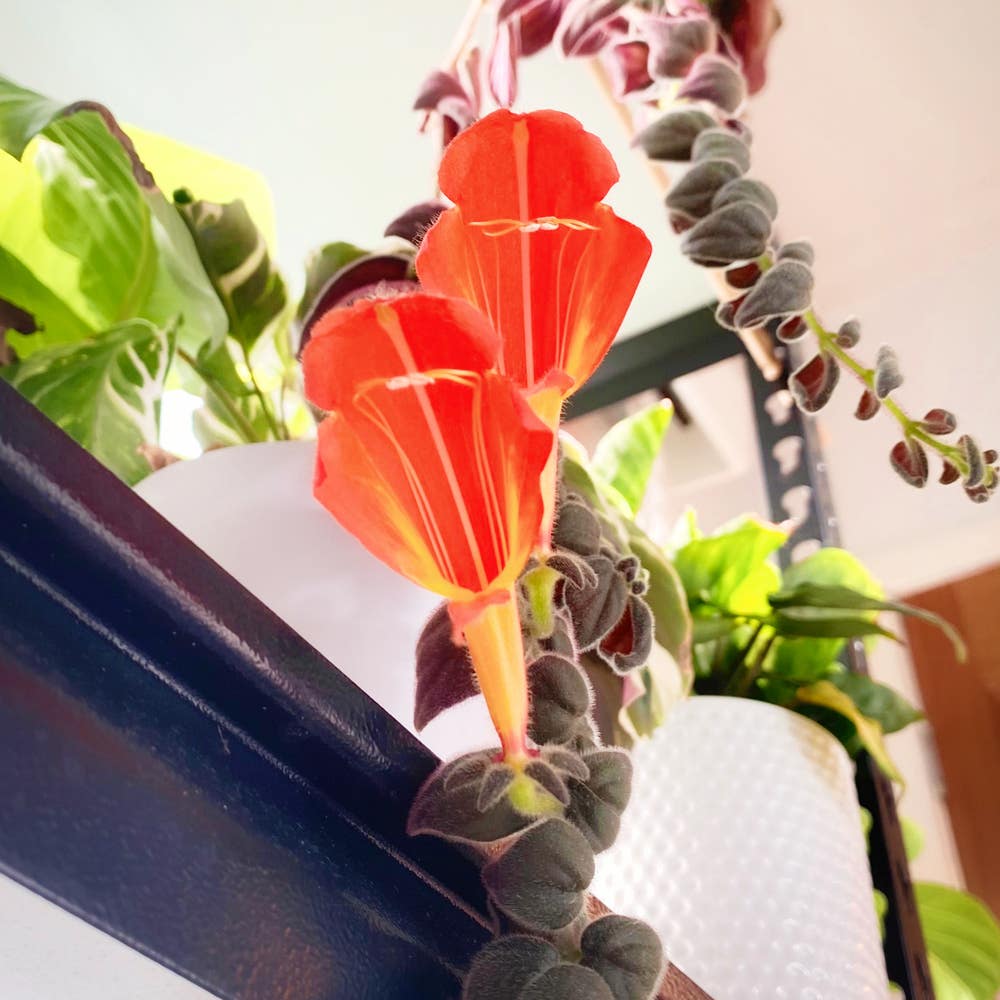
Typically, Columnea blooms in late spring to summer. The vibrant flowers add a splash of color and attract pollinators, enhancing the plant's appeal.
Seed Production
After flowering, the plant produces seeds. This seed formation and dispersal are essential for the continuation of the species and can lead to new plants in your garden.
⏳ Growth Timeline and Speed
Columnea takes approximately 6-12 months to reach its full size. The growth rate is moderate, influenced by factors such as light, water, and nutrients.
This lifecycle overview highlights the fascinating journey of Small-flowered Columnea from seed to maturity. Understanding these stages can help you provide the best care for your plants, ensuring they thrive beautifully. Next, we will explore the size characteristics of this lovely plant.
Size
Mature Height and Spread 🌱
Small-flowered Columnea typically reaches a height of 12 to 24 inches, with a similar spread. This makes it an excellent choice for both hanging baskets and tabletop displays.
Growth Rate and Size Variability 📈
The growth rate of Columnea can vary significantly based on several factors. Key influences include light exposure, watering practices, and nutrient availability.
Impact of Growing Conditions on Size 🌍
Growing conditions play a crucial role in determining the size of your Columnea. Indoor plants may be smaller due to limited light, while those grown outdoors often flourish, achieving their full potential.
Understanding these aspects can help you create the ideal environment for your Columnea, ensuring it thrives and showcases its beautiful foliage and flowers. Next, we’ll explore the roots of this fascinating plant and their significance in its overall health.
Roots
Root System Characteristics 🌱
Small-flowered Columnea features a fibrous root system. This type of root structure is essential for anchoring the plant and absorbing nutrients efficiently.
Depth and Spread of Roots 📏
Typically, the roots extend to a depth of 6-12 inches. This depth allows for adequate moisture retention while preventing waterlogging.
Common Root-Related Issues ⚠️
One of the most common problems is root rot, which occurs when the roots sit in overly wet soil. To prevent this, ensure proper drainage and avoid overwatering.
Identifying Healthy vs. Unhealthy Roots 🧐
Healthy roots are firm and white, indicating good vitality. In contrast, brown and mushy roots signal distress and potential rot.
Recognizing and Addressing Rootbound Conditions 🔄
If you notice roots growing out of drainage holes, your plant may be rootbound. To remedy this, consider repotting or pruning the roots to encourage healthier growth.
Understanding the root system of your Columnea is crucial for its overall health. With proper care and attention, you can ensure your plant thrives beautifully.
Next, let’s explore the benefits of growing small-flowered Columnea and how it can enhance your living space.
Benefits
Aesthetic Appeal 🌸
Small-flowered Columnea brings a unique charm to any space with its vibrant flowers and trailing growth. These plants can transform dull corners into lush, lively displays, making them a favorite among indoor gardeners.
Air Purification 🌬️
Beyond beauty, Columnea contributes to indoor air quality. By filtering out toxins, it helps create a healthier living environment, allowing you to breathe easier.
Attracting Pollinators 🐝
These plants play a vital role in supporting local ecosystems. Their flowers attract pollinators like bees and hummingbirds, fostering biodiversity in your garden.
Cultural Significance 🌍
In various cultures, Columnea symbolizes beauty and resilience. This adds a layer of meaning to your gardening experience, connecting you to traditions and stories.
Therapeutic Benefits 🧘♀️
Gardening with Columnea can provide stress relief and enhance mental well-being. Engaging with plants fosters a sense of accomplishment and tranquility, making it a rewarding hobby.
Incorporating Small-flowered Columnea into your life not only beautifies your space but also enriches your environment and mental health. As you explore its benefits, consider how it can enhance your home and well-being.
Companion Plants
🌱 Concept of Companion Planting
Companion planting is all about creating a harmonious garden by pairing compatible species. This practice can enhance growth, deter pests, and improve overall plant health.
🌼 Best Companion Plants
When it comes to small-flowered Columnea, consider these excellent companions:
- Ferns: Their lush foliage complements Columnea's trailing growth while providing a humid microclimate.
- Other Tropical Plants: Varieties like philodendrons or pothos thrive in similar conditions, creating a vibrant display.
- Flowering Annuals: Bright blooms from annuals can add color and attract beneficial pollinators.
🚫 Plants to Avoid Near Columnea
Not all plants play nicely with Columnea. Steer clear of:
- Heavy Feeders: Plants that require a lot of nutrients can compete with Columnea, stunting its growth.
- Aggressive Growers: Species that spread quickly may overshadow Columnea, limiting its access to light and space.
By choosing the right companions, you can create a thriving environment for your Columnea while enhancing the beauty of your garden. Next, let’s explore the fascinating topic of toxicity to humans and pets.
Toxicity to Humans
When it comes to small-flowered Columnea, you can breathe easy. This plant is not listed as toxic by major poison control centers, making it a safe choice for your home.
However, it's worth noting that contact or ingestion can lead to minor issues. You might experience mild skin irritation or digestive discomfort if consumed in excessive amounts.
Always keep an eye out for any unusual symptoms after contact. Monitoring is key to ensuring a safe and enjoyable experience with your Columnea.
As you cultivate this beautiful plant, remember that knowledge is power. Understanding its non-toxic nature allows you to appreciate its beauty without worry.
Toxicity to Dogs
When it comes to small-flowered Columnea, you can breathe easy—it's not toxic according to veterinary organizations. This means you can enjoy its beauty without worrying about your furry friends getting sick.
However, if your dog decides to munch on a few leaves, you might notice some mild gastrointestinal upset. This is typically only an issue if they consume large quantities, so moderation is key.
🐶 Tips for Introducing Columnea to Your Home
To ensure a harmonious coexistence with your canine companion, consider these simple tips:
Proper Placement: Keep your Columnea out of reach to prevent any curious snacking. High shelves or hanging baskets can be great options.
Monitoring Behavior: Pay attention to your dog's interactions with the plant. If they show excessive interest, it might be worth relocating the plant.
By following these guidelines, you can enjoy the vibrant beauty of Columnea while keeping your dog safe and sound. Now, let’s explore how this plant interacts with our feline friends.
Toxicity to Cats
When it comes to small-flowered Columnea, you can breathe easy. This plant is not considered toxic according to major pet poison control centers, making it a safe choice for cat owners.
However, moderation is key. While Columnea won't harm your feline friend, consuming large quantities can lead to mild gastrointestinal upset. Keep an eye on your cat's behavior to ensure they don't overindulge.
🌱 Tips for Introducing Columnea to Your Home
To create a harmonious environment, consider these practical tips:
Proper Placement: Position your Columnea out of reach of curious paws. High shelves or hanging baskets can be great options.
Monitoring Behavior: Observe your cat's interactions with the plant. If they show excessive interest, it might be worth relocating the plant.
By following these guidelines, you can enjoy the beauty of Columnea while keeping your furry companions safe and sound.
Next, let’s explore the potential toxicity of Columnea to dogs.
Problems
Common Issues 🌱
Growing small-flowered Columnea can be rewarding, but it’s not without its challenges. Here are some common problems you might encounter.
Incorrect Watering 🚰
Watering is crucial for Columnea health. Overwatering can lead to root rot, while underwatering results in wilting and dry leaves.
Symptoms of Overwatering:
- Yellowing leaves
- Wilting despite wet soil
Symptoms of Underwatering:
- Crispy leaf edges
- Soil pulling away from the pot
Incorrect Light Conditions 💡
Light plays a significant role in plant vitality. Insufficient light can cause leggy growth, while too much direct sunlight can scorch the leaves.
Signs of Insufficient Light:
- Stretched stems
- Sparse foliage
Signs of Excessive Light:
- Leaf burn
- Faded colors
Incorrect Temperature 🌡️
Columnea thrives in warm, humid environments. Extreme temperatures can stress the plant, leading to various health issues.
Effects of Temperature Extremes:
- Cold drafts can cause leaf drop.
- High heat can lead to wilting and dehydration.
Diseases 🦠
Fungal diseases can be a real threat to your Columnea. Common issues include powdery mildew and rust, which can spread quickly if not addressed.
Common Fungal Issues:
- Powdery Mildew: White, powdery spots on leaves.
- Rust: Orange or brown spots on the undersides of leaves.
Root Problems 🌿
Healthy roots are essential for a thriving plant. Root rot is a common issue, often caused by overwatering.
Identifying Root Rot:
- Brown, mushy roots
- Foul smell from the soil
Leaf Issues 🍃
Leaves can tell you a lot about your plant's health. Scorching, yellowing, or fuzzy growth can indicate underlying problems.
Symptoms to Watch For:
- Scorching: Brown tips and edges.
- Yellowing: Often a sign of nutrient deficiency or overwatering.
Growth Problems 📈
If your Columnea isn’t growing as expected, it could be due to several factors. Stunted growth or leggy plants often indicate environmental stress.
Signs of Stunted Growth:
- Minimal new growth
- Weak, elongated stems
Identification and Resolution 🔍
Identifying these problems early can save your plant. Here are brief solutions for each issue:
- Watering: Adjust frequency based on soil moisture.
- Light: Move to a location with indirect light.
- Temperature: Keep in a stable, warm environment.
- Diseases: Treat with appropriate fungicides.
- Root Problems: Repot in fresh, well-draining soil.
- Leaf Issues: Adjust watering and check for pests.
- Growth Problems: Ensure proper light and nutrients.
By staying vigilant and addressing these common issues, you can keep your small-flowered Columnea healthy and thriving. Next, let’s explore the pests that might disrupt your plant's peace.
Bugs
Common Pests 🐜
Small-flowered Columnea can attract a variety of pests, which can be a nuisance for any gardener. Understanding pest resistance and susceptibility is crucial for maintaining healthy plants.
Identification and Damage 🔍
Among the most common pests are spider mites, scale insects, and mealybugs. Spider mites create fine webbing and cause leaf discoloration, while scale insects appear as small, sticky bumps on stems and leaves. Mealybugs, on the other hand, leave a white, cottony residue and can weaken your plant significantly.
Treatment Options 💊
To combat these pests, consider using insecticidal soap or neem oil, which are effective and environmentally friendly. Regularly inspecting your plants and maintaining good air circulation can also help prevent infestations. If you notice a severe outbreak, you may need to remove heavily infested leaves or even repot the plant to ensure it thrives.
By staying vigilant and proactive, you can keep your Columnea healthy and vibrant, ready to showcase its stunning flowers.
What Eats
🦌 Common Animals That May Damage
When it comes to small-flowered Columnea, several herbivores might take a liking to your plants. Deer, rabbits, and squirrels are among the most common culprits that can cause significant damage.
🔍 Signs of Animal Presence and Damage
Identifying animal damage is crucial for timely intervention. Look for signs such as chewed leaves, missing flowers, or even tracks around the base of your plants. You might also notice droppings nearby, which can confirm the presence of these hungry visitors.
🚫 Deterrent Methods
Protecting your Columnea from these pests can be achieved through various methods.
- Chemical Deterrents: Use commercial repellents that contain ingredients like capsaicin or garlic to deter animals.
- Organic Solutions: Consider natural options like sprinkling cayenne pepper or using soap sprays to keep pests at bay.
- Physical Barriers: Installing fencing or using netting can effectively shield your plants from larger animals.
By employing these strategies, you can help ensure your Columnea thrives without the threat of being nibbled away. Now, let’s explore how to keep your plants healthy and thriving in the next section.
⚠️ Safety First
This content is for general information and may contain errors, omissions, or outdated details. It is not medical, veterinary advice, or an endorsement of therapeutic claims.
Always consult a qualified healthcare professional before using any plant as food, medicine, or supplement.
Never eat any plant (or feed one to pets) without confirming its identity with at least two trusted sources.
If you suspect poisoning, call Poison Control (800) 222-1222, the Pet Poison Helpline (800) 213-6680, or your local emergency service immediately.
Spotted an error? Please report it here.
Transform your space into a blooming paradise 🌼 with Greg's tailored care tips and reminders, ensuring your Small-flowered Columnea thrives beautifully!