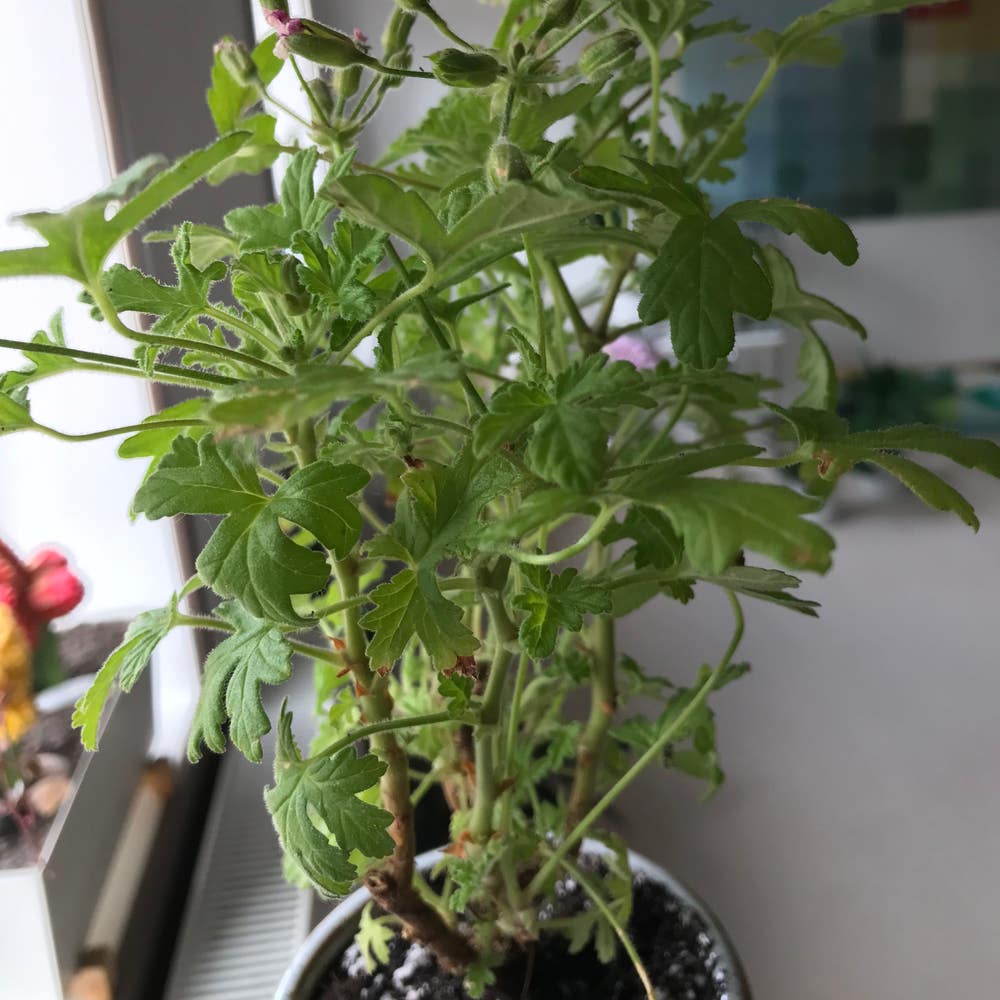
🌼 All About Small Mallow: Essential Facts
Malva pusilla
By the Greg Editorial Team
Jan 23, 2025•12 min read
This article was created with the help of AI so we can cover more plants for you. May contain errors. See one? Report it here.
- 🌞 Small Mallow needs 6-8 hours of sunlight daily for optimal growth.
- 🌱 Ideal soil is well-drained sandy loam with a pH of 6.0 to 7.0.
- 🐝 Attracts pollinators and is drought-resistant, making it a low-maintenance choice.
How to Grow
Choosing a Location 🌞
To thrive, Small Mallow needs full sun exposure, ideally basking in 6-8 hours of sunlight daily. It flourishes best in a Mediterranean climate with well-drained soils, making location selection crucial for robust growth.
Soil Preparation 🏜️
For optimal growth, aim for well-draining sandy loam soil. The ideal soil pH is slightly acidic to neutral, ranging from 6.0 to 7.0, ensuring your plants have the nutrients they need.
Planting Techniques 🌱
When planting, sow seeds at a depth of 1/4 inch. Space them 12-18 inches apart to allow for healthy growth and airflow between plants.
Watering Requirements 🚰
Water Small Mallow moderately, allowing the soil to dry out between waterings. Once established, these resilient plants can tolerate dry conditions, making them a low-maintenance choice.
Fertilizing Tips 🍽️
During the growing season, provide light feeding with a balanced fertilizer. For an organic approach, consider using compost or well-rotted manure to enrich the soil naturally.
Pruning and Ongoing Care ✂️
Regularly prune by removing dead or damaged leaves to promote new growth. Keep an eye out for pests and diseases, ensuring your plants remain healthy and vibrant.
Outdoor vs. Container Growing 🏡
If growing in containers, choose pots that are at least 12 inches deep to accommodate root space. For outdoor planting, ensure good drainage and ample sunlight to support thriving plants.
Transitioning from planting to propagation, let’s explore how to multiply your Small Mallow plants effectively.
Propagation
🌱 Seed Propagation
To start your Small Mallow journey, sow seeds in early spring after the last frost. Under optimal conditions, expect germination within 7-14 days, giving you a head start on a vibrant garden.
✂️ Division of Established Plants
If you have established plants, the best time for division is in early spring or fall. Carefully separate the roots and replant them in prepared soil to encourage healthy growth and expansion.
With these propagation techniques, you can easily expand your Small Mallow collection and enjoy its many benefits. Next, let’s explore the lifecycle of this fascinating plant.
Lifecycle
Lifecycle Stages 🌱
Small Mallow is primarily a perennial plant, meaning it can live for several years. This characteristic allows it to thrive in gardens, returning each season with vibrant growth.
Germination Process 🌡️
For successful germination, Small Mallow seeds prefer an optimal temperature range of 65°F to 75°F (18°C to 24°C). This warm environment encourages the seeds to sprout effectively.
Seedling Development 🌿
Once germination occurs, it typically takes about 2-3 weeks for seedlings to develop. During this time, they establish their initial roots and leaves, setting the stage for future growth.
Vegetative Growth Phase 🌳
The vegetative growth phase lasts approximately 4-6 weeks before the plant begins to flower. This period is crucial as the plant focuses on building a strong structure and foliage.
Flowering and Seed Production 🌼
Small Mallow usually flowers from late spring to early summer. After flowering, seeds mature within 4-6 weeks, ready for the next cycle of growth.
Lifespan and Growth Rate ⏳
In optimal conditions, Small Mallow has an average lifespan of 3-5 years. It grows at a moderate pace, reaching maturity in about 2-3 months, making it a rewarding addition to any garden.
This lifecycle overview highlights the resilience and beauty of Small Mallow, paving the way for understanding its care and cultivation. Next, we will explore the size characteristics of this delightful plant.
Size
Mature Height and Spread 🌱
Small Mallow typically reaches a height of 1 to 3 feet (30 to 90 cm) and can spread between 1 to 2 feet (30 to 60 cm). This compact size makes it an excellent choice for various garden settings.
Growth Rate and Size Variability 📈
Several factors influence the size of Small Mallow, including soil quality, water availability, and sunlight exposure. Healthy, well-drained soil and adequate sunlight can lead to more robust growth.
Factors Affecting Size in Different Growing Conditions 🌍
When grown in containers, Small Mallow may be smaller due to limited root space. In contrast, plants in the ground often achieve their full potential, thriving with more room to spread their roots.
Understanding these size dynamics can help you plan your garden layout effectively. By considering the growing conditions, you can ensure your Small Mallow flourishes beautifully.
Roots
🌱 Root System Characteristics
Small Mallow features a fibrous root system that helps anchor the plant securely in the soil. This type of root structure is beneficial for nutrient absorption and stability.
📏 Root Depth and Spread
On average, the roots of Small Mallow reach a depth of 12-18 inches (30-45 cm). They can also spread wider than the plant's canopy, allowing for better access to water and nutrients.
⚠️ Common Root-Related Issues
One of the most common problems faced by Small Mallow is root rot, which occurs due to overwatering. Symptoms include wilting and yellowing leaves, signaling that the roots are struggling.
👀 Identifying Healthy vs. Unhealthy Roots
Healthy roots are typically firm and exhibit a white or light tan color. In contrast, unhealthy roots may appear dark, mushy, or emit a foul smell, indicating decay.
🔗 Recognizing Rootbound Plants and Solutions
If you notice roots growing out of the drainage holes, your Small Mallow may be rootbound. The best solutions are to repot the plant into a larger container or divide it to promote healthier growth.
Understanding the root system of Small Mallow is crucial for its overall health and vitality. Proper care can prevent common issues and ensure your plant thrives. Next, we will explore the numerous benefits of growing Small Mallow in your garden.
Benefits
Five Benefits of Growing Small Mallow 🌱
Growing Small Mallow offers a variety of advantages that can enhance your garden and lifestyle. Here are five compelling benefits to consider:
1. Attracts Pollinators
Small Mallow is a magnet for pollinators like bees and butterflies. By planting it, you contribute to a thriving ecosystem and enjoy the beauty of these creatures in your garden.
2. Drought-Resistant
Once established, Small Mallow demonstrates impressive drought resistance. This makes it an excellent choice for gardeners looking to conserve water while maintaining a vibrant landscape.
3. Edible Leaves and Flowers
The young leaves and flowers of Small Mallow are not only edible but also delicious. Incorporate them into salads or use them as garnishes to add a unique touch to your culinary creations.
4. Medicinal Properties
Historically, Small Mallow has been valued for its medicinal properties. It has been used in various herbal remedies, making it a beneficial addition to your garden for both health and wellness.
5. Ornamental Value
With its delicate flowers, Small Mallow adds ornamental beauty to any garden. Its aesthetic appeal can brighten up your outdoor space and create a serene atmosphere.
Incorporating Small Mallow into your garden not only enhances its beauty but also provides practical benefits. Next, let’s explore the concept of companion planting and how it can further enrich your gardening experience.
Companion Plants
Concept of Companion Planting 🌱
Companion planting is a gardening strategy that promotes the growth of diverse plant species together. This method enhances garden diversity, improves pest management, and boosts overall plant health.
Best Companion Plants 🌼
When growing Small Mallow, consider pairing it with Marigolds and Basil. Marigolds act as natural pest repellents, while Basil shares similar care requirements, making them excellent companions.
Plants to Avoid 🚫
Be cautious of planting heavy feeders near Small Mallow. These plants compete for nutrients, potentially stunting the growth of your Mallow and leading to poor health.
Companion planting not only supports your Small Mallow but also creates a thriving garden ecosystem. By choosing the right partners, you can enhance your garden's resilience and beauty.
Toxicity to Humans
Safety of Small Mallow for Humans 🌱
Small Mallow is generally considered safe for human consumption. It is not listed as toxic by major poison control centers, making it a low-risk plant for those curious about its culinary uses.
However, it's important to note that consuming large quantities may lead to minor issues. Some individuals might experience mild skin irritation or digestive discomfort, so moderation is key.
If you notice any unusual symptoms after consuming Small Mallow, it's wise to seek medical advice. Staying informed and cautious can help you enjoy this plant without worry.
In summary, Small Mallow can be a delightful addition to your garden and plate, but always listen to your body and prioritize safety.
As we explore further, let’s look at the edible parts of Small Mallow and how to prepare them for your next meal.
Edible
Edible Parts 🌱
Small Mallow is a delightful plant with several edible parts. You can enjoy its young leaves, vibrant flowers, and even the seeds.
Identification, Harvesting, and Preparation 🌿
For the best flavor and nutrition, harvest young leaves and flowers in the morning. This is when they are most tender and full of moisture.
Nutritional Value and Health Benefits 🥗
Small Mallow is a nutritional powerhouse, rich in vitamins A and C, along with antioxidants. Incorporating it into your diet can boost your health and add a fresh touch to your meals.
With its edible qualities, Small Mallow not only enhances your garden but also your plate. Next, let's explore the safety of Small Mallow for pets.
Toxicity to Dogs
Safety of Small Mallow for Dogs 🐶
Small Mallow is not listed as toxic by major pet poison control centers, making it a relatively safe choice for gardens shared with dogs. However, consuming large quantities may lead to mild gastrointestinal upset.
To ensure a safe environment, keep Small Mallow out of reach of your furry friends. It's also wise to monitor your dog's behavior around the plant, especially if they show curiosity.
Potential Minor Issues ⚠️
While Small Mallow is generally safe, it's important to be aware of potential minor issues. If your dog consumes a significant amount, watch for signs of mild digestive discomfort.
Tips for Introducing to Homes with Dogs 🏡
When introducing Small Mallow into a home with dogs, consider these tips:
- Keep Out of Reach: Place the plant in areas where your dog cannot access it easily.
- Monitor Behavior: Observe your dog's interactions with the plant, especially during the initial introduction.
By taking these precautions, you can enjoy the beauty of Small Mallow while keeping your canine companions safe.
Transition to Next Section 🔄
With the safety of Small Mallow established, let's explore its effects on cats and how to ensure a harmonious environment for all your pets.
Toxicity to Cats
Safety of Small Mallow for Cats 🐱
Small Mallow is generally safe for cats, as it is not listed as toxic by major pet poison control centers. However, if consumed in large quantities, it may cause mild gastrointestinal upset.
Tips for Introducing to Homes with Cats 🏡
When introducing Small Mallow into your home, it's wise to monitor your cat's behavior closely. Discourage excessive nibbling to prevent any potential digestive discomfort.
By keeping an eye on your feline friend, you can ensure a harmonious coexistence with your garden plants. This way, you can enjoy the beauty of Small Mallow without worrying about your cat's health.
Problems
🌱 Common Problems Faced
Growing Small Mallow can be rewarding, but it does come with its challenges. Incorrect watering is a primary issue; overwatering can lead to root rot, while underwatering results in wilting.
🔍 Identifying Symptoms and Causes
One of the most noticeable signs of trouble is leaf yellowing. This often indicates nutrient deficiency or overwatering, signaling that your plant needs immediate attention.
🛠️ Solutions for Common Issues
- Overwatering: Allow the soil to dry out completely and improve drainage to prevent water accumulation.
- Underwatering: Increase your watering frequency and keep a close eye on soil moisture levels to ensure your plant stays hydrated.
- Fungal Diseases: Combat these by using fungicides and enhancing air circulation around your plants.
- Leaf Scorch: Provide shade during extreme heat to protect your plants from sunburn.
- Pest Infestations: Regularly inspect your plants for pests and apply organic pest control methods when necessary.
By addressing these common problems proactively, you can ensure your Small Mallow thrives and flourishes in your garden. Next, let’s explore the potential pest issues that may arise while growing this delightful plant.
Bugs
🐛 Potential Pest Issues
While Small Mallow is generally pest-resistant, it can still attract a few unwelcome guests. Keeping an eye out for these pests is key to maintaining a healthy plant.
🔍 Identification and Damage
Spider Mites are a common issue, identifiable by fine webbing and stippled leaves. If you notice these signs, act quickly to prevent further damage.
Aphids can also be a nuisance, leaving behind a sticky residue and causing leaves to curl. These tiny pests can multiply rapidly, so early detection is crucial.
🧪 Effective Treatment Options
For pest control, Neem oil is a fantastic organic option that disrupts the life cycle of pests without harming beneficial insects.
Insecticidal soap is another effective treatment that suffocates pests on contact. Regular applications can help keep your Small Mallow thriving and pest-free.
By staying vigilant and using these treatments, you can enjoy the beauty of Small Mallow without the worry of pest problems. Next, let’s explore what animals might be tempted to munch on your plants.
What Eats Small Mallow
🦌 Common Animals That May Eat or Damage
Small Mallow can attract a variety of hungry critters. Deer, rabbits, squirrels, and rodents are known to nibble on its tender leaves and flowers.
👀 Signs of Animal Presence and Damage
Keep an eye out for signs of these visitors. Chewed leaves, droppings, and tracks can indicate that your Small Mallow is being targeted by local wildlife.
🚫 Deterrent Methods
To protect your plants, consider using deterrent methods.
Chemical Repellents
Commercial deer and rabbit repellents can be effective in keeping these animals at bay.
Organic Methods
Alternatively, you can opt for organic solutions. Planting deterrent plants or using physical barriers like fencing can help safeguard your Small Mallow from unwanted munchers.
By being proactive, you can enjoy the beauty of Small Mallow without the worry of it becoming a snack for local wildlife. Next, let’s explore the benefits of growing this delightful plant in your garden.
⚠️ Safety First
This content is for general information and may contain errors, omissions, or outdated details. It is not medical, veterinary advice, or an endorsement of therapeutic claims.
Always consult a qualified healthcare professional before using any plant as food, medicine, or supplement.
Never eat any plant (or feed one to pets) without confirming its identity with at least two trusted sources.
If you suspect poisoning, call Poison Control (800) 222-1222, the Pet Poison Helpline (800) 213-6680, or your local emergency service immediately.
Spotted an error? Please report it here.
Grow vibrant Small Mallow 🌼 with Greg's tailored watering alerts and expert care tips, ensuring your garden thrives while attracting pollinators and providing delicious edibles!