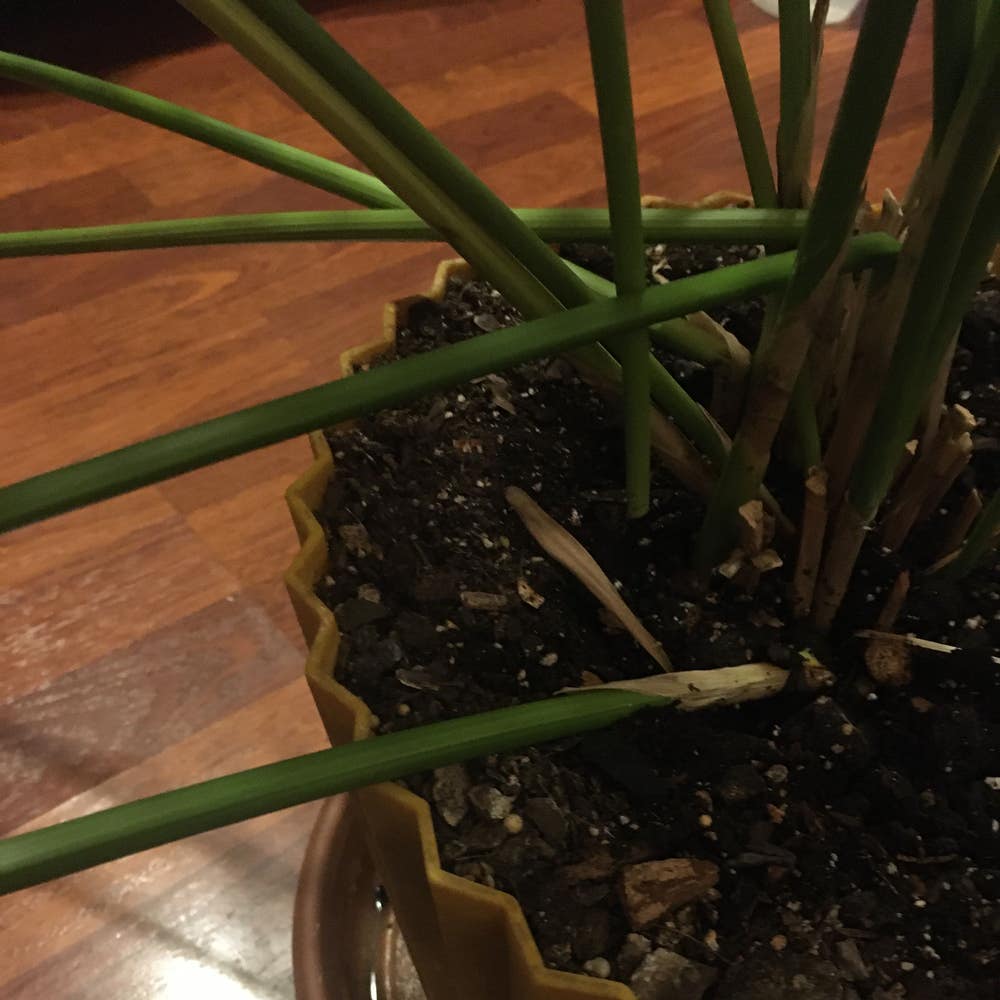
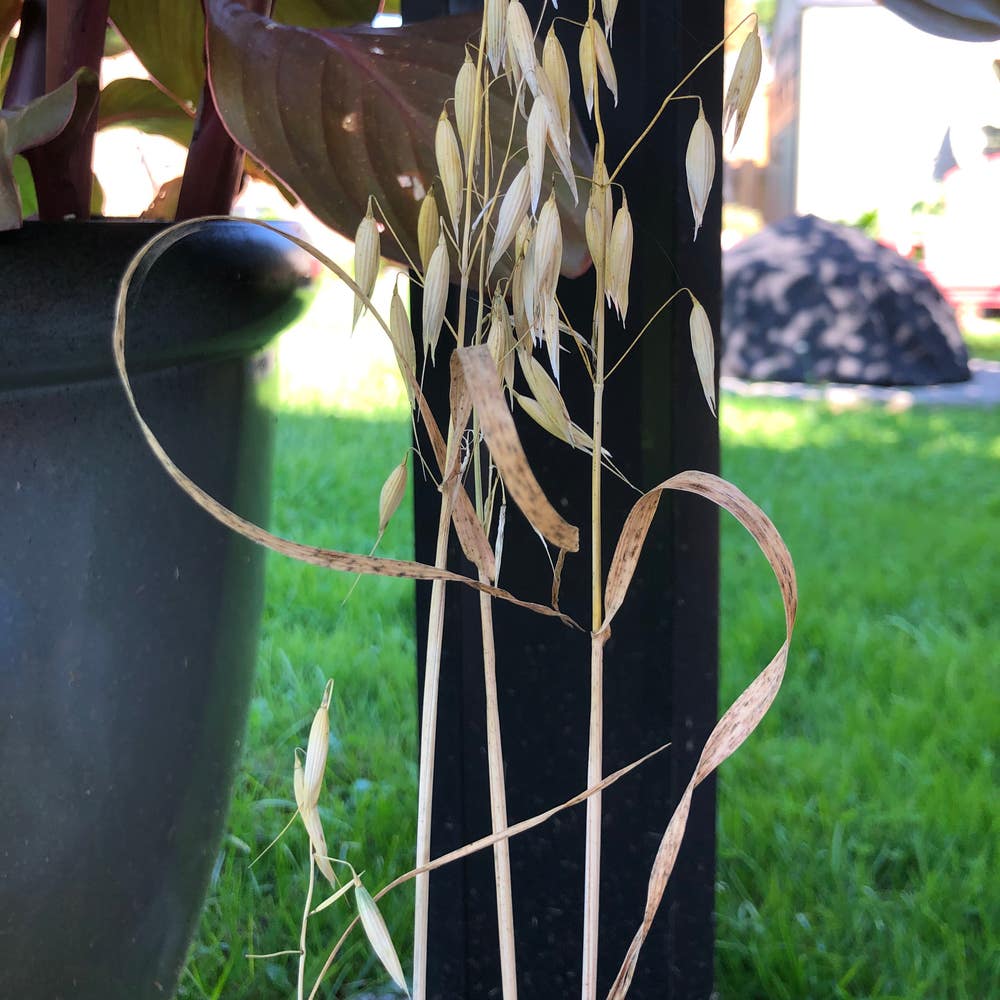
Overview of Slender Flatsedge
Cyperus bipartitus
By the Greg Editorial Team
Feb 02, 2025•11 min read
This article was created with the help of AI so we can cover more plants for you. May contain errors. See one? Report it here.
Elevate your garden's beauty 🌱 with Slender Flatsedge, a resilient plant that supports local ecosystems and thrives effortlessly!
- 🌞💧 Slender Flatsedge thrives in wet, well-drained soil with full sun to partial shade.
- 🌱 Space plants 12-18 inches apart and keep soil damp to prevent root rot.
- 🐾 Safe for pets and humans, but monitor for pests like spider mites and aphids.
How to Grow
Choosing a Location 🌞
To thrive, Slender Flatsedge prefers full sun to partial shade. It's crucial to select a spot with wet, well-drained soil to ensure optimal growth.
Soil Preparation 🏜️
For the best results, aim for loamy or sandy soil that drains well. The ideal pH level should be slightly acidic to neutral, ranging from 6.0 to 7.0.
Planting Techniques 🌱
When planting, dig a hole that is 1-2 inches deep. Space your plants 12-18 inches apart to allow for healthy growth and airflow.
Watering Requirements 🚰
Keep the soil consistently damp, especially during dry spells, to support your plants. Watch for signs of overwatering, such as yellowing leaves and root rot, which can be detrimental.
Fertilizing Schedule 🍽️
Fertilize every 4-6 weeks during the growing season to keep your plants nourished. A balanced NPK fertilizer is recommended for optimal results.
Pruning and Ongoing Care ✂️
Regularly prune by removing dead or damaged leaves to encourage new growth. It's also essential to monitor your plants for pests and diseases to maintain their health.
Outdoor vs. Container Growing 🏡
If you're growing in containers, choose a large pot with drainage holes to prevent waterlogging. For outdoor gardening, Slender Flatsedge is well-suited for garden beds or water features, adding beauty and functionality to your landscape.
With these guidelines, you’re well on your way to cultivating a thriving Slender Flatsedge garden. Next, let’s explore how to propagate this resilient plant for even more growth opportunities.
Propagation
🌱 Seed Propagation
To propagate Slender Flatsedge from seeds, wait until the flower heads turn brown before harvesting. Once collected, sow the seeds at a depth of 1/4 inch for optimal germination.
✂️ Division of Clumps
Dividing clumps is best done in early spring or fall when the plant is not actively growing. Carefully separate the clumps and replant them to encourage new growth.
🌿 Cutting Propagation
For cutting propagation, select healthy stems that are 4-6 inches long. Use a rooting medium consisting of a mix of peat and perlite to promote successful rooting.
With these propagation methods, you can easily expand your Slender Flatsedge collection and enjoy its beauty in various areas of your garden. Next, let’s explore the lifecycle of this fascinating plant.
Lifecycle
Lifecycle Stages 🌱
Slender flatsedge is primarily grown as a perennial, meaning it can thrive for multiple years. This characteristic makes it a reliable choice for gardeners looking for long-lasting greenery.
Germination Process 🌼
Under optimal conditions, the germination time for slender flatsedge seeds ranges from 7 to 14 days. Providing the right warmth and moisture is crucial to kickstart this process.
Seedling Development 🌿
Once germinated, the seedlings focus on establishing their roots and initial leaves. This early growth phase is vital for the plant's future health and vigor.
Vegetative Growth Phase 🌳
During the warm months, slender flatsedge experiences rapid growth. This phase is marked by lush foliage and a noticeable increase in size, making it a striking addition to any garden.
Flowering and Seed Production 🌸
Flowering typically occurs from late spring to summer, showcasing delicate blooms. Seed production follows shortly after, ensuring the continuation of the species.
Lifespan and Growth Rate ⏳
In optimal conditions, slender flatsedge can live for 3 to 5 years. It generally takes about one year to reach its full size, making it a relatively quick-growing option for gardeners.
This lifecycle overview highlights the resilience and adaptability of slender flatsedge, making it a fantastic choice for various gardening scenarios. Next, let’s explore how to effectively grow this versatile plant.
Size
Mature Height and Spread 🌱
Slender flatsedge typically reaches an average height of 2-3 feet, making it a striking addition to any garden. With a spread of 1-2 feet, it offers a lush, full appearance that enhances the landscape.
Growth Rate and Size Variability 🚀
Under optimal conditions, this plant exhibits a moderate to fast growth rate. However, its size can vary significantly based on factors like water availability and sunlight exposure.
Factors Affecting Size ⚖️
Several elements influence the growth of slender flatsedge. Soil quality, moisture levels, and light exposure all play crucial roles in determining how well this plant thrives.
Understanding these factors can help you create the ideal environment for your slender flatsedge, ensuring it reaches its full potential.
As you prepare to cultivate this unique plant, consider how these size-related aspects will impact your gardening strategy.
Roots
Root System Characteristics 🌱
Slender flatsedge features a fibrous root system that plays a crucial role in its growth and stability. This type of root structure allows the plant to efficiently absorb moisture and nutrients from the soil.
Root Depth and Spread 🌍
Typically, the roots of slender flatsedge are shallow, spreading horizontally rather than delving deep into the ground. This characteristic helps the plant thrive in wet, well-drained soils.
Common Root-Related Issues ⚠️
One of the most common problems faced by slender flatsedge is root rot, which occurs due to overwatering and poor drainage. It's essential to monitor soil moisture levels to prevent this issue.
Identifying Healthy vs. Unhealthy Roots 🔍
Healthy roots are firm, white, and spread evenly throughout the soil. In contrast, unhealthy roots appear dark, mushy, or may emit a foul smell, indicating a problem that needs addressing.
Recognizing Rootbound Plants 🪴
If you notice roots growing out of the drainage holes of your container, your plant may be rootbound. The solution is simple: repot the plant into a larger container or divide it to encourage healthy growth.
Understanding the root system of slender flatsedge is vital for its care and maintenance. With proper attention to root health, you can ensure your plants thrive beautifully.
Next, let's explore the benefits of growing slender flatsedge in your garden.
Benefits
Top 5 Benefits 🌟
Ornamental Appeal
Slender flatsedge is a stunning addition to any garden. Its unique texture and height create visual interest, making it a favorite among landscape designers.
Wildlife Habitat
This plant isn't just pretty; it also serves as a sanctuary for beneficial insects. By providing shelter and food, slender flatsedge supports local ecosystems.
Erosion Control
In areas prone to erosion, slender flatsedge plays a crucial role. Its root system stabilizes soil, particularly in wet conditions, preventing loss of valuable topsoil.
Water Filtration
Slender flatsedge excels in waterlogged environments. It helps filter pollutants, contributing to cleaner water in ponds and wetlands.
Versatile Landscaping
Whether in a formal garden or a natural setting, slender flatsedge fits right in. Its adaptability makes it suitable for various landscaping styles, enhancing any outdoor space.
These benefits highlight why slender flatsedge is a valuable addition to your garden. Its beauty and ecological contributions make it a win-win for both aesthetics and the environment.
Companion Plants
🌱 Concept of Companion Planting
Companion planting is all about creating a harmonious garden environment. By pairing plants that benefit each other, you can enhance biodiversity and improve pest management.
🌼 Best Companion Plants
For Slender Flatsedge, consider planting it alongside moisture-loving companions. Water lilies, ferns, and other similar plants thrive in wet conditions and can create a vibrant, lush landscape.
🚫 Plants to Avoid
On the flip side, steer clear of drought-tolerant plants. These can compete for moisture, which is crucial for the health of your Slender Flatsedge.
By carefully selecting companion plants, you can cultivate a thriving garden that supports both aesthetics and plant health. Next, let’s explore the potential toxicity of Slender Flatsedge to humans and pets.
Toxicity to Humans
Safety Overview 🌱
Slender flatsedge is generally considered safe for humans. It is not listed as toxic by major poison control centers, making it a low-risk plant for gardens and landscapes.
Potential Minor Issues ⚠️
While it’s not harmful, consuming large quantities may lead to mild skin irritation or digestive discomfort. Always be mindful of how much you handle or ingest.
Cautionary Advice 🩺
If you experience unusual symptoms after contact or consumption, it’s wise to seek medical advice. Staying informed and cautious can help ensure a safe gardening experience.
This knowledge about the plant's safety can ease concerns for those looking to incorporate slender flatsedge into their gardens. Next, let’s explore its effects on our furry friends—dogs.
Toxicity to Dogs
Safety Overview 🐶
Slender flatsedge is not listed as toxic by major pet poison control centers. This means that your furry friends can enjoy the garden without the risk of serious harm from this plant.
Potential Minor Issues ⚠️
However, if dogs consume large quantities, they may experience mild gastrointestinal upset. It's always best to monitor your pet's behavior around new plants to ensure their well-being.
Tips for Introducing 🐾
To keep your dog safe, place slender flatsedge out of reach. Regularly observe their interactions with the plant to prevent any unwanted nibbling.
Toxicity to Cats
Safety Overview 🐱
Slender flatsedge is not considered toxic by major pet poison control centers. This means your feline friends can safely coexist with this plant in your home or garden.
Potential Minor Issues 🤢
While generally safe, consuming large quantities of slender flatsedge may lead to mild gastrointestinal upset in cats. It's always wise to monitor their behavior after any new additions to your space.
Tips for Introducing 🌱
When introducing slender flatsedge to your environment, proper placement is key. Keep the plant out of reach and observe your cat's interactions to discourage excessive nibbling.
Problems
🌧️ Common Problems
1. Incorrect Watering
Watering issues are a common challenge for Slender Flatsedge. Overwatering can lead to yellowing leaves, while underwatering causes wilting.
Solutions: Adjust your watering frequency based on the moisture level of the soil. Regularly check the soil to ensure it remains consistently damp but not soggy.
2. Incorrect Light Conditions
Light conditions play a crucial role in the health of your plants. Inadequate light can result in leggy growth, while too much direct sunlight can scorch the leaves.
Solutions: Move your plants to a location that provides the appropriate light conditions. Aim for full sun to partial shade for optimal growth.
3. Incorrect Temperature
Temperature fluctuations can stunt the growth of Slender Flatsedge. Cold temperatures can hinder development and overall vigor.
Solutions: Protect your plants from frost and extreme cold. Consider using row covers or moving container plants indoors during chilly nights.
4. Diseases
Diseases such as powdery mildew and root rot can threaten your plants. These issues often arise from poor air circulation and overwatering.
Solutions: Improve air circulation around your plants and avoid overwatering. Regularly inspect your plants for early signs of disease to take action promptly.
5. Leaf Issues
Leaf problems can manifest as yellowing or fuzzy growth. These symptoms often indicate underlying issues with watering or light exposure.
Solutions: Assess your watering habits and light conditions. Adjust as necessary to promote healthier leaf development.
With these common problems addressed, you can ensure your Slender Flatsedge thrives. Next, let’s explore the various pests that might affect your plants.
Bugs
🐛 Potential Pest Issues
While Slender Flatsedge boasts moderate pest resistance, it can still fall victim to certain pests. Being aware of these potential issues is key to maintaining a healthy plant.
🔍 Identification of Common Pests
Spider Mites
- Signs: Look for fine webbing on leaves.
- Damage: These pests cause leaf discoloration and can lead to leaf drop.
- Treatment: Increase humidity around the plant and consider using miticides for control.
Scale Insects
- Signs: Sticky residue and small bumps on stems are telltale signs.
- Damage: Scale insects weaken the plant's vigor, making it less robust.
- Treatment: Use insecticidal soap or neem oil to combat these pests effectively.
Mealybugs
- Signs: Cotton-like masses on stems and leaves indicate their presence.
- Damage: They can stunt growth significantly if not addressed.
- Treatment: Manual removal is effective, along with insecticidal soap for any remaining pests.
Aphids
- Signs: Curling leaves and sticky residue are common indicators.
- Damage: Aphids reduce growth and overall plant vigor.
- Treatment: Neem oil can help, or you can introduce ladybugs to naturally manage the population.
By staying vigilant and addressing these pest issues promptly, you can ensure your Slender Flatsedge thrives beautifully. Next, let’s explore what animals might be interested in snacking on your plants.
What Eats
🦌 Common Animals
Slender flatsedge can attract a variety of hungry critters. Deer, rabbits, squirrels, and rodents often find this plant appealing.
🕵️♂️ Signs of Animal Presence
To identify if animals are munching on your slender flatsedge, look for clear signs. Chewed leaves, tracks, or droppings nearby can indicate their presence.
⚠️ Types of Damage
When these animals browse on the stems and leaves, it can lead to stunted growth. This damage not only affects the plant's appearance but also its overall health.
🚫 Deterrent Methods
To protect your slender flatsedge, consider various deterrent methods.
- Chemical: Commercial repellents can effectively keep animals at bay.
- Organic: Planting deterrent species or using physical barriers can also help safeguard your plants.
By implementing these strategies, you can enjoy the beauty of your slender flatsedge without the worry of unwanted nibblers.
⚠️ Safety First
This content is for general information and may contain errors, omissions, or outdated details. It is not medical, veterinary advice, or an endorsement of therapeutic claims.
Always consult a qualified healthcare professional before using any plant as food, medicine, or supplement.
Never eat any plant (or feed one to pets) without confirming its identity with at least two trusted sources.
If you suspect poisoning, call Poison Control (800) 222-1222, the Pet Poison Helpline (800) 213-6680, or your local emergency service immediately.
Spotted an error? Please report it here.
Unlock the full potential of your Slender Flatsedge 🌿 with Greg's tailored care reminders and expert tips, ensuring it thrives beautifully in your garden!