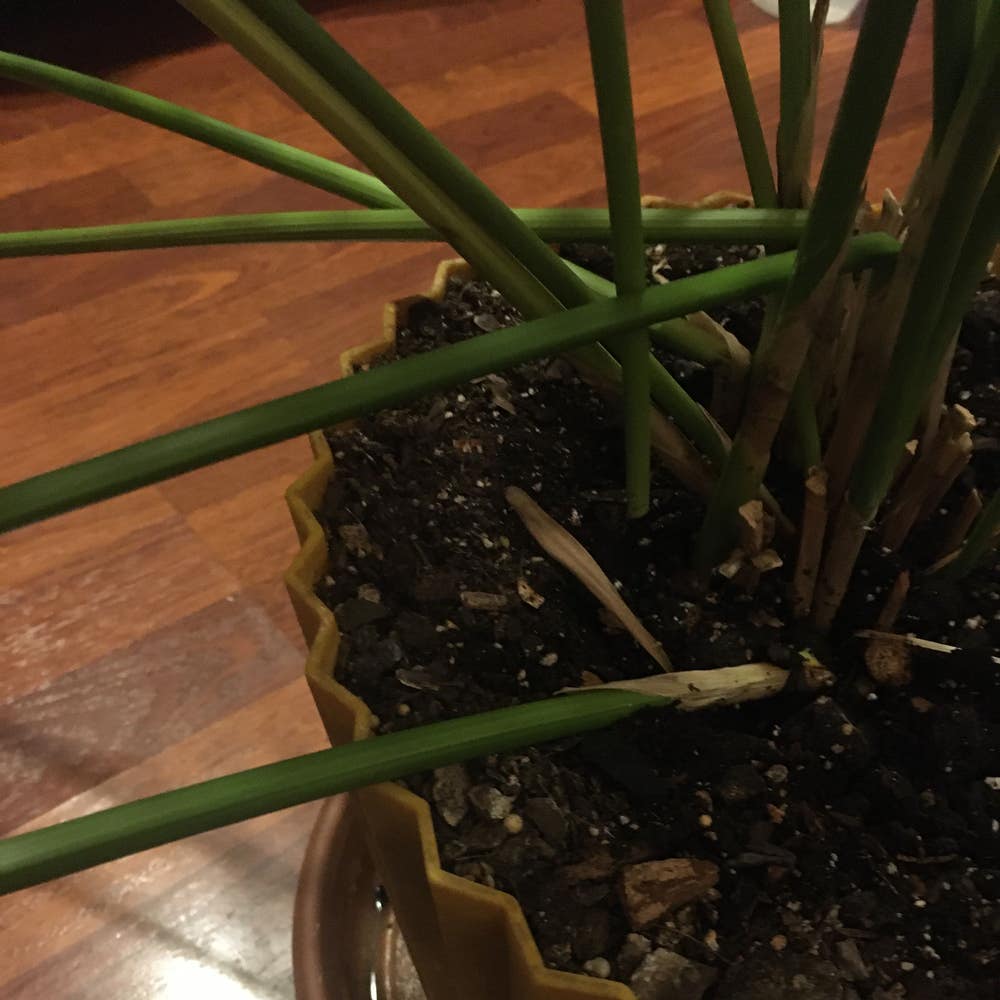
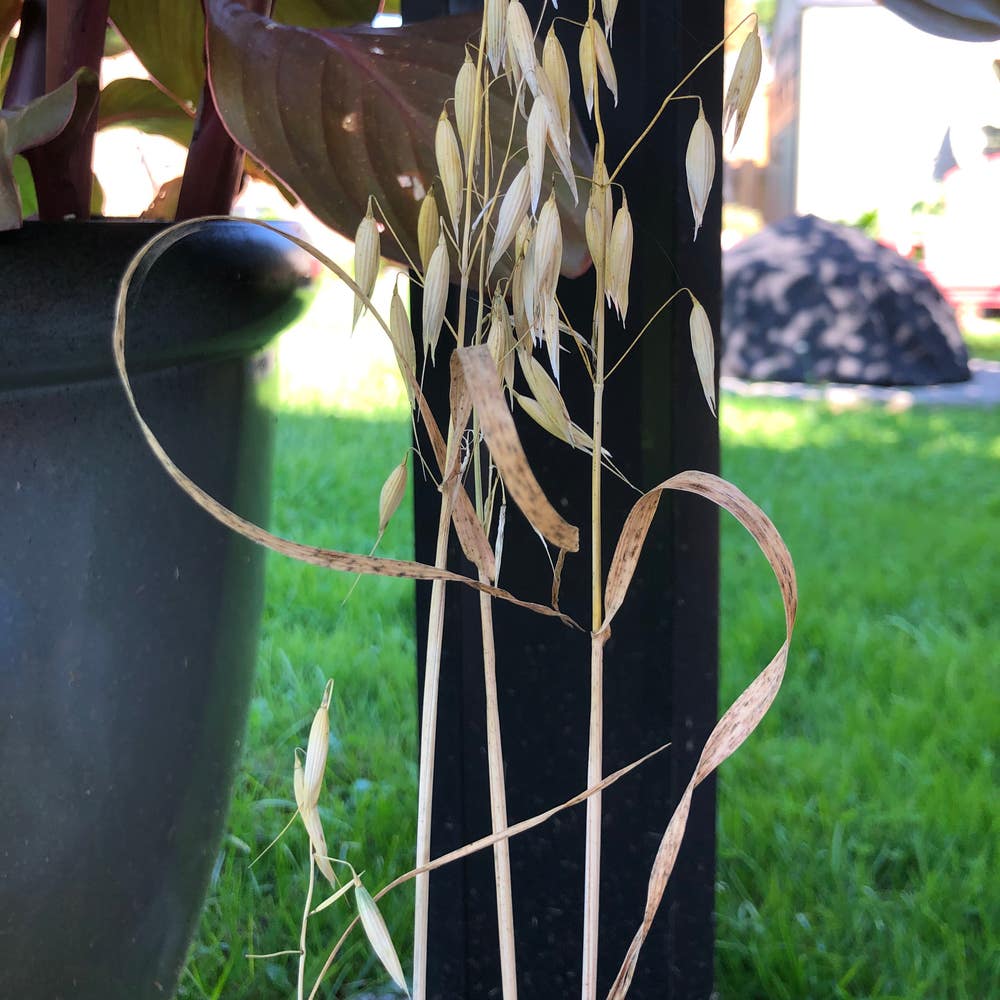
All About Slender Flat Sedge: Essential Facts
Cyperus filipes
By the Greg Editorial Team
Feb 21, 2025•13 min read
This article was created with the help of AI so we can cover more plants for you. May contain errors. See one? Report it here.
- 🌱 Slender Flat Sedge thrives in moist, well-drained soils with full sun to partial shade.
- 🌿 Low-maintenance and ideal for busy gardeners, it supports wildlife and prevents erosion.
- 🐾 Non-toxic to pets, but large quantities may cause mild irritation.
How to Grow
Choosing the Right Location 🌞
To thrive, Slender Flat Sedge prefers moist, well-drained soils. Aim for a spot that gets full sun to partial shade, ensuring the plant has the best chance to flourish.
When considering outdoor versus container growing, think about space and accessibility. Containers can be a great option if you have limited garden space or want to control the growing conditions more closely.
Soil Preparation and Amendments 🌱
For optimal growth, use loamy or sandy soils that provide good drainage. This type of soil helps prevent waterlogging, which can be detrimental to the plant.
Amend the soil with organic matter to enhance moisture retention. This will create a more hospitable environment for your Slender Flat Sedge.
Planting Techniques and Spacing 📏
When planting, dig a hole that is 1-2 inches deep. This depth allows the roots to establish without being too exposed.
Space your plants 12-18 inches apart to give them room to grow. Proper spacing ensures that each plant receives adequate sunlight and nutrients.
Watering Requirements and Frequency 💧
Consistent moisture is crucial for Slender Flat Sedge. However, be careful to avoid waterlogging, as this can lead to root rot.
During dry spells, water your plants weekly. This regular watering schedule helps maintain the moisture levels they need to thrive.
Fertilizing Schedule and Types of Fertilizers 🌼
In early spring, apply a light application of balanced fertilizer. This will give your plants the nutrients they need to kickstart their growth.
Slow-release fertilizers are recommended for their convenience. They provide a steady supply of nutrients over time, reducing the need for frequent applications.
Pruning and Maintenance Practices ✂️
Prune your Slender Flat Sedge by removing dead or damaged leaves in early spring. This helps promote healthy growth and keeps the plant looking tidy.
Regularly check for pests and diseases as part of your maintenance routine. Early detection can prevent larger issues down the line.
Container Growing Considerations 🪴
If you're growing Slender Flat Sedge in containers, choose pots that are at least 12 inches deep. This depth allows for adequate root growth.
Ensure your containers have drainage holes to prevent root rot. Proper drainage is essential for maintaining healthy plants in pots.
With these guidelines, you can successfully grow Slender Flat Sedge in various environments. Next, let’s explore how to propagate this resilient plant for even more greenery in your garden!
Propagation
🌱 Seed Propagation Methods
To propagate Slender Flat Sedge, start by collecting seeds from mature plants in late summer. Once gathered, sow the seeds in a seed tray filled with moist soil to encourage germination.
✂️ Division of Established Plants
Dividing established plants is another effective propagation method. The best time for this is early spring or fall; simply dig up the plant and carefully separate it into sections, ensuring each section has roots.
🌿 Tips for Successful Propagation
For successful germination, keep the soil consistently moist. Additionally, provide indirect sunlight until the seedlings are well-established to promote healthy growth.
With these straightforward propagation techniques, you can easily expand your Slender Flat Sedge collection and enjoy its beauty in your garden. Next, let’s explore the lifecycle of this fascinating plant.
Lifecycle
Lifecycle Stages 🌱
The lifecycle of Slender Flat Sedge is fascinating and unfolds in distinct stages. It begins with germination, which takes about 14-30 days under optimal conditions.
Following germination, the plant enters the seedling stage, lasting 4-6 weeks. This is when the initial growth takes place, setting the foundation for future development.
Vegetative Growth and Flowering 🌼
Next is the vegetative growth phase, characterized by rapid growth that can last several months. During this time, the plant establishes itself and prepares for the next stage: flowering.
Flowering typically occurs in late spring to early summer, showcasing the plant's beauty and vitality. After flowering, the plant shifts focus to seed production, with seeds maturing by late summer.
Duration Until Maturity and Growth Rate ⏳
Reaching full maturity takes approximately 1-2 years, depending on environmental conditions. The growth rate is moderate, but with optimal care, you can expect faster development.
Lifespan 🌳
Slender Flat Sedge has a lifespan of about 5-10 years, influenced by the care it receives and the conditions in which it grows. Proper maintenance can help maximize its longevity, ensuring it thrives in your garden for years to come.
As we explore the lifecycle of Slender Flat Sedge, it’s clear that understanding these stages can enhance your gardening experience. Next, we’ll delve into the size of this remarkable plant and how it can fit into your landscape design.
Size
Mature Height and Spread 🌱
Slender Flat Sedge can reach impressive heights of up to 3 feet. Under optimal conditions, it can spread out to about 2 feet wide, making it a striking addition to any garden.
Growth Rate and Time to Full Size ⏳
This plant typically takes about 1 to 2 years to reach its full size. Its growth rate is moderate, heavily influenced by the quality of soil and water availability.
Size Variability Based on Growing Conditions 🌍
It's important to note that the size of Slender Flat Sedge can vary significantly based on growing conditions. In poor soil or with inadequate moisture, you may see a noticeable decrease in its overall size.
With this understanding of size, you can better plan your garden layout and ensure that Slender Flat Sedge thrives in its designated spot. Next, let's explore the roots of this fascinating plant and how they contribute to its overall health and stability.
Roots
Description of Root System Type 🌱
The root system of Slender Flat Sedge is fibrous, which plays a crucial role in providing stability and moisture absorption. This type of root structure allows the plant to thrive in various soil conditions.
Root Depth, Spread, and Growth Patterns 📏
Typically, the roots extend 12-18 inches deep, anchoring the plant securely. They can also spread laterally up to 2 feet, enabling efficient nutrient and water uptake.
Common Root-Related Issues and Solutions ⚠️
One common issue is root rot, often caused by overwatering. To prevent this, ensure good drainage in the soil and avoid waterlogging.
Squishy roots are another sign of poor health, indicating that adjustments in watering practices may be necessary. If you notice this, reduce watering frequency and improve drainage.
Identifying Healthy vs. Unhealthy Roots 🧐
Healthy roots are firm, white, and spread out evenly in the soil. In contrast, unhealthy roots appear dark, mushy, or may emit a foul smell, signaling a need for immediate attention.
Recognizing and Addressing Rootbound Conditions 🔄
When roots begin to circle the pot, the plant is considered rootbound. To remedy this, repot the plant into a larger container, allowing the roots more space to grow and thrive.
By understanding these root characteristics and issues, you can ensure your Slender Flat Sedge remains healthy and vibrant. This knowledge sets the stage for effective care and maintenance, leading to a flourishing plant.
Benefits
🌍 Environmental Benefits
Slender Flat Sedge plays a crucial role in erosion control, particularly in wetland areas. Its robust root system stabilizes soil, preventing loss during heavy rains.
Additionally, this plant provides essential habitat for various wildlife. Birds and small mammals find shelter among its dense foliage, contributing to a thriving ecosystem.
🌿 Aesthetic Appeal in Landscaping
In landscaping, Slender Flat Sedge adds both texture and height to garden designs. Its graceful form complements a variety of plants, creating visually appealing arrangements.
This versatility makes it an excellent choice for both formal and naturalistic gardens. It enhances the overall beauty of outdoor spaces, inviting admiration from visitors.
🧑🌾 Low Maintenance Requirements
Once established, Slender Flat Sedge requires minimal care. Its resilience means you can enjoy a lush garden without constant attention.
This low-maintenance quality makes it perfect for busy gardeners or those new to plant care. You can focus on enjoying your garden rather than worrying about upkeep.
🌱 Symbolism in Various Cultures
In many cultures, Slender Flat Sedge symbolizes resilience and adaptability. Its ability to thrive in diverse conditions reflects the strength of nature.
This symbolism can inspire gardeners to appreciate the beauty of perseverance. Incorporating this plant into your garden can serve as a reminder of nature's enduring spirit.
🦋 Contribution to Biodiversity in Gardens
Slender Flat Sedge supports a range of insects and wildlife, enhancing biodiversity in gardens. By attracting pollinators and beneficial insects, it promotes a healthy ecosystem.
This contribution is vital for maintaining the balance of garden life. A diverse garden not only looks beautiful but also supports the environment in meaningful ways.
As you consider adding Slender Flat Sedge to your garden, think about the broader impact it can have. Its benefits extend beyond aesthetics, enriching both your space and the surrounding ecosystem.
Companion Plants
🌱 Explanation of Companion Planting Benefits
Companion planting is a fantastic way to enhance garden diversity and improve pest management. By selecting the right plants to grow alongside Slender Flat Sedge, you can create a thriving ecosystem that supports healthy growth.
🌼 List of Compatible Plants and Their Advantages
When considering companion plants, think about native wildflowers, ferns, and other sedges. These plants share similar moisture needs and can help repel pests, creating a harmonious garden environment.
| Compatible Plants | Advantages |
|---|---|
| Native Wildflowers | Attract beneficial insects |
| Ferns | Provide shade and moisture retention |
| Other Sedge Varieties | Similar growth habits and moisture needs |
🚫 Plants to Avoid Near Slender Flat Sedge
It's crucial to avoid aggressive species that may outcompete Slender Flat Sedge for resources. Plants like certain invasive grasses can overshadow and choke out your sedge, hindering its growth and overall health.
By carefully selecting companion plants, you can foster a vibrant garden that not only looks great but also thrives together. This thoughtful approach to planting will ensure your Slender Flat Sedge flourishes in its environment.
Toxicity to Humans
Slender Flat Sedge is not considered toxic by major poison control centers. This means you can enjoy its beauty without worrying about serious health risks.
However, it's important to note that consuming large quantities may lead to mild skin irritation or digestive discomfort. Always exercise caution with any plant and consult a medical professional if you experience unusual symptoms after contact or consumption.
In summary, while Slender Flat Sedge is generally safe, being mindful of your interactions with it is wise. This approach ensures a positive experience with your gardening endeavors.
Next, let’s explore how this plant interacts with our furry friends, particularly dogs.
Toxicity to Dogs
Slender Flat Sedge is not listed as toxic by major pet poison control centers, making it a safe choice for gardens shared with dogs. However, if your furry friend munches on large quantities, they might experience mild gastrointestinal upset.
To keep your dog safe, it's wise to place the plant out of reach. Always monitor your dog's behavior around new plants to ensure they don't indulge too much.
With proper care and attention, you can enjoy the beauty of Slender Flat Sedge without worrying about your canine companion's health.
Toxicity to Cats
Slender Flat Sedge is not listed as toxic by major pet poison control centers, making it a safe choice for cat owners. However, if your feline friend decides to nibble on it, there could be minor issues like mild gastrointestinal upset, especially if they consume large quantities.
To keep your cat safe, it's wise to place the plant in an area where they can't easily reach it. Always monitor their behavior around new plants to ensure they don't show any signs of discomfort or curiosity that could lead to munching.
Problems
🐛 Common Issues
Growing Slender Flat Sedge can be rewarding, but it’s not without its challenges. Here are some common issues you might encounter:
- Overwatering: This can lead to yellowing leaves and root rot.
- Underwatering: Signs include wilting and browning leaf tips.
- Incorrect light conditions: Leaf scorch may occur in full sun, while leggy growth can result from low light.
- Diseases: Watch for fungal issues like powdery mildew and rust.
- Root problems: Squishy roots often indicate root rot.
🔍 Symptoms and Causes of Each Problem
Recognizing symptoms is key to diagnosing issues effectively.
- Overwatering: Yellow leaves and mushy roots signal too much moisture.
- Underwatering: Wilting leaves and browning tips indicate a lack of water.
- Light issues: Scorched leaves suggest too much sun, while leggy growth points to insufficient light.
- Diseases: Fungal infections can manifest as discolored spots or a powdery coating.
- Root problems: Squishy roots are a clear sign of root rot, often due to poor drainage.
🛠️ Solutions and Recovery Methods
Fortunately, many of these problems can be resolved with some adjustments.
- Adjust Watering: Ensure consistent moisture without waterlogging.
- Optimize Light Conditions: Move the plant to a location with suitable light exposure.
- Treat Diseases: Use fungicides or remove infected leaves to manage fungal issues.
- Improve Drainage: If root rot is suspected, repot the plant in fresh, well-draining soil.
By keeping an eye on these common issues and responding promptly, you can help your Slender Flat Sedge thrive. Next, let’s explore the fascinating world of pests that may impact your plant’s health.
Bugs
🐞 Overview of Pest Resistance and Susceptibility
Slender Flat Sedge is generally pest-resistant, making it a robust choice for gardens. However, it can still fall prey to certain pests that may cause damage.
🔍 Identification and Damage Caused by Common Pests
Spider Mites: Look for fine webbing and stippled leaves, which indicate their presence. These tiny pests can quickly multiply and weaken your plants.
Scale Insects: These pests leave a sticky residue and cause yellowing leaves. They can be tough to spot but can severely impact the health of your sedge.
Fungus Gnats: The larvae of these gnats can damage roots, leading to poor plant health. If you notice small flies around your plant, it’s a sign to check for these pests.
🛠️ Treatment Options for Pest Control
For effective pest control, consider using organic methods. Neem oil is a popular choice, as it disrupts the life cycle of pests without harming beneficial insects.
Insecticidal soap can also be effective against soft-bodied insects like spider mites and scale. Regular monitoring and early intervention are key to keeping your Slender Flat Sedge thriving.
By staying vigilant and employing these treatments, you can protect your plants from potential pest issues. Next, let’s explore what animals might be interested in munching on your Slender Flat Sedge.
What Eats Slender Flat Sedge
🦌 Common Animals That May Damage
Slender Flat Sedge can attract a variety of hungry critters. Deer, rabbits, squirrels, and rodents are known to nibble on this plant, potentially causing significant damage.
🐾 Signs of Animal Presence and Damage
Keep an eye out for signs of these animals. Chewed leaves and tracks around the plant are clear indicators that your Slender Flat Sedge is being targeted.
🚧 Deterrent Methods for Protecting the Plant
To protect your plants, consider using a mix of deterrent methods. Chemical repellents can discourage animals, while physical barriers like fencing can provide a more robust defense against these hungry visitors.
By implementing these strategies, you can help ensure your Slender Flat Sedge thrives despite the local wildlife.
⚠️ Safety First
This content is for general information and may contain errors, omissions, or outdated details. It is not medical, veterinary advice, or an endorsement of therapeutic claims.
Always consult a qualified healthcare professional before using any plant as food, medicine, or supplement.
Never eat any plant (or feed one to pets) without confirming its identity with at least two trusted sources.
If you suspect poisoning, call Poison Control (800) 222-1222, the Pet Poison Helpline (800) 213-6680, or your local emergency service immediately.
Spotted an error? Please report it here.
Unlock the secrets to thriving Slender Flat Sedge 🌿 with Greg's tailored watering plans and reminders, ensuring your garden flourishes while supporting local wildlife!