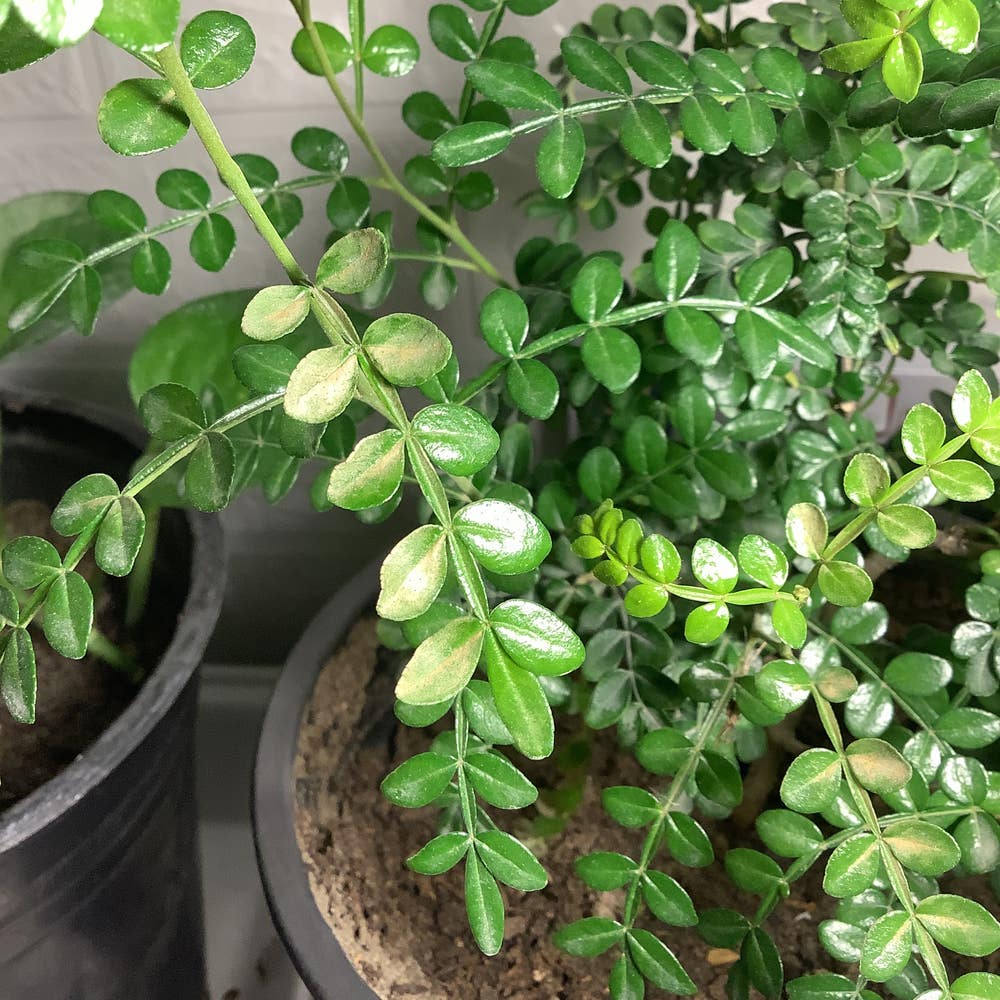
What is a Shrubby Prickly Ash? Complete Guide 🌵
Zanthoxylum retroflexum
By the Greg Editorial Team
Feb 22, 2025•12 min read
This article was created with the help of AI so we can cover more plants for you. May contain errors. See one? Report it here.
- 🌞 Shrubby prickly ash thrives in full sun and well-drained, loamy soil for optimal growth.
- 🌱 Proper watering and fertilization are key to maintaining healthy prickly ash plants.
- 🐦 This plant deters pests and supports soil stability, enhancing your garden's ecosystem.
How to Grow
🌞 Choosing a Location
When selecting a spot for your shrubby prickly ash, aim for full sun to partial shade. This plant thrives best in temperate regions with well-drained soil, ensuring it gets the right amount of light and moisture.
🌱 Soil Preparation
For optimal growth, use well-draining, loamy soil. The ideal pH level should be slightly acidic to neutral, ranging from 6.0 to 7.0, to support healthy root development.
🌳 Planting Techniques
When planting, dig a hole that allows the root ball to sit 1-2 inches deeper than its original depth. Space shrubs 3-5 feet apart and small trees 10-15 feet apart to give them room to flourish.
💧 Watering Requirements
After planting, give your prickly ash a deep watering to help establish its roots. Moving forward, water weekly during dry spells, but reduce frequency in winter to prevent overwatering.
🌼 Fertilizing Tips
Fertilize your plant in early spring and mid-summer to promote healthy growth. A balanced NPK fertilizer, such as 10-10-10, is recommended for optimal nutrient supply.
✂️ Pruning Methods
Timing is key for pruning; do it in late winter or early spring before new growth begins. Focus on removing dead or crossing branches to enhance airflow and overall plant health.
🌿 Ongoing Care
For container-grown prickly ash, ensure adequate drainage and keep an eye on moisture levels. In outdoor settings, apply mulch to retain moisture and suppress weeds, creating a healthier environment for your plant.
With these tips, your shrubby prickly ash will thrive, setting the stage for a vibrant garden. Next, let’s explore how to propagate this resilient plant for even more greenery!
Propagation
🌱 Seed Propagation Steps
Propagating shrubby prickly ash from seeds is a straightforward process. Start by soaking the seeds in water for 24 hours to enhance germination.
Next, sow the seeds at a depth of 1/4 inch in well-draining soil. Maintain a temperature of around 70°F (21°C) for optimal germination, which typically takes 2-4 weeks.
✂️ Cutting Propagation Techniques
If you prefer a faster method, consider propagation through cuttings. Select healthy stems that are 4-6 inches long for the best results.
Use a rooting medium that consists of equal parts peat and perlite to encourage root development. Under a humidity dome, expect rooting to take about 4-6 weeks.
This propagation knowledge opens up exciting possibilities for expanding your garden with shrubby prickly ash. Next, let’s explore the lifecycle of this fascinating plant.
Lifecycle
Lifecycle Stages 🌱
The lifecycle of a shrubby prickly ash begins with germination, where seeds sprout within 2-4 weeks. Following this, the seedling stage emerges, marked by initial growth and the development of leaves.
In the vegetative growth phase, the plant experiences rapid growth, establishing a robust root system. Flowering occurs in late spring to early summer, leading to the exciting stage of seed production, where fruits develop in late summer.
Lifespan and Growth Timeline ⏳
Under optimal conditions, the overall lifespan of a shrubby prickly ash ranges from 20 to 30 years. It typically takes about 3 to 5 years for the plant to reach full maturity.
Growth Rate 📈
This plant has a moderate growth rate, averaging approximately 1 to 2 feet per year. With the right care, you can witness its steady progress and vibrant development over the years.
Understanding the lifecycle of the shrubby prickly ash not only enhances your gardening experience but also prepares you for the ongoing care it requires. Next, let’s explore the size characteristics of this fascinating plant.
Size
Mature Height and Spread 🌳
The shrubby prickly ash typically reaches a height of 6 to 15 feet. Its spread ranges from 4 to 10 feet, making it a versatile choice for various garden spaces.
Growth Rate and Size Variability 📈
Several factors influence the size of your prickly ash. Soil quality, water availability, and sunlight exposure all play crucial roles in determining how tall and wide your plant will grow.
By ensuring optimal conditions, you can help your prickly ash thrive and reach its full potential. This adaptability makes it a fantastic addition to any garden, providing both beauty and functionality.
As you consider planting, remember that the right environment can significantly enhance growth. Next, let’s explore the fascinating lifecycle of the shrubby prickly ash.
Roots
Characteristics of the Root System 🌱
The shrubby prickly ash features a fibrous root system that plays a crucial role in soil stabilization. Typically, these roots extend 12-18 inches deep, anchoring the plant securely while also aiding in nutrient absorption.
Common Root-Related Issues 🚫
One common issue is root rot, often caused by overwatering. To combat this, ensure proper drainage to keep the roots healthy and thriving.
Another problem to watch for is squishy roots, which indicate poor health. If you notice this, it's best to repot the plant in fresh soil to give it a new lease on life.
Identifying Healthy vs. Unhealthy Roots 🔍
Healthy roots are firm and exhibit a white or light tan color. In contrast, unhealthy roots appear dark, mushy, or may even emit a foul smell.
Recognizing Rootbound Conditions 🔗
If you see roots growing out of the drainage holes, your plant may be rootbound. The solution is simple: either repot it into a larger container or prune the roots to encourage new growth.
Understanding the root system of the shrubby prickly ash is essential for its care. With proper attention to its roots, you can ensure a thriving, healthy plant that enhances your garden.
Next, let's explore the benefits of incorporating this unique plant into your landscape.
Benefits
Top 5 Benefits 🌟
The shrubby prickly ash offers a range of benefits that make it a valuable addition to any garden.
Natural Pest Deterrent: This plant is known for its ability to repel certain insects, helping to keep your garden healthy without the need for harsh chemicals.
Erosion Control: With its extensive root system, the prickly ash stabilizes soil, making it an excellent choice for preventing erosion on slopes or loose ground.
Aesthetic Appeal: Its attractive foliage and flowers add beauty to your landscape, providing visual interest throughout the growing season.
Culinary Uses: The young leaves and fruit can be used as a flavoring agent in various traditional dishes, adding a unique twist to your culinary creations.
Cultural Significance: Historically, prickly ash has been utilized in traditional medicine practices, showcasing its importance in various cultures.
Incorporating shrubby prickly ash into your garden not only enhances its beauty but also contributes to a healthier ecosystem. With its multifaceted benefits, this plant is a fantastic choice for both novice and experienced gardeners alike.
Companion Plants
Companion Planting 🌱
Companion planting is a fantastic way to enhance your garden's diversity while managing pests naturally. By pairing plants that support each other's growth, you can create a thriving ecosystem.
Best Companion Plants 🌼
Consider incorporating native wildflowers and herbs like mint and basil alongside your shrubby prickly ash. These plants share similar care needs and can repel pests, making them ideal companions.
Plants to Avoid 🚫
Be cautious of heavy feeders, as they can compete for nutrients with your prickly ash. Avoid planting them nearby to ensure your shrub receives the resources it needs to flourish.
Incorporating the right companions can elevate your gardening experience, leading to healthier plants and a more vibrant garden. Next, let’s explore the potential toxicity of the shrubby prickly ash to humans and pets.
Toxicity to Humans
The shrubby prickly ash is not listed as toxic by major poison control centers, making it a relatively safe choice for gardens. However, like many plants, it can cause minor issues if consumed in large quantities.
⚠️ Potential Minor Issues
Some individuals may experience mild skin irritation upon contact with the plant. Additionally, ingesting excessive amounts can lead to digestive discomfort, so moderation is key.
🛡️ Caution and Care
Always exercise caution when handling or consuming any part of the plant. If any adverse reactions occur, seek medical advice promptly to ensure safety and peace of mind.
As we explore the benefits of the shrubby prickly ash, it’s essential to understand its role in the ecosystem and how it can enhance your garden.
Edible
Edible Parts 🌿
The shrubby prickly ash offers delightful culinary treasures, primarily its young leaves and fruit. These parts not only add flavor but also bring a unique twist to various dishes.
Identification and Harvesting 🌱
To enjoy the young leaves, harvest them in the spring when they are tender and vibrant. Wait until the fruit is fully ripe for the best flavor, ensuring you pick at the right time for optimal taste.
Nutritional Value 🥗
These edible parts are not just tasty; they are also packed with nutrients. Rich in antioxidants, they may aid digestion, making them a healthy addition to your diet.
Incorporating shrubby prickly ash into your meals can enhance both flavor and nutrition. As you explore its culinary potential, remember to enjoy the journey of discovering new tastes and benefits.
Toxicity to Dogs
When it comes to the shrubby prickly ash, good news for dog owners: it’s not listed as toxic by major pet poison control centers. This means your furry friends can roam around these plants without the worry of severe reactions.
However, moderation is key. While the plant isn’t toxic, excessive consumption can lead to mild gastrointestinal upset.
🐶 Tips for Safe Interaction
To ensure your dog's safety, consider these simple strategies:
Proper Placement: Position the prickly ash in areas that are less accessible to your dog. This can help minimize any temptation to nibble.
Monitoring Behavior: Keep an eye on your dog’s interactions with the plant. If they show unusual interest, gently redirect them.
By taking these precautions, you can enjoy the beauty of the shrubby prickly ash while keeping your canine companions safe and sound.
Next, let’s explore how this plant interacts with our feline friends.
Toxicity to Cats
When it comes to the shrubby prickly ash, cat owners can breathe a sigh of relief. This plant is not listed as toxic by major pet poison control centers, making it a safer choice for households with feline friends.
However, moderation is key. While the plant isn't harmful, excessive consumption can lead to mild gastrointestinal upset in cats. It's always a good idea to keep an eye on your pets and monitor their behavior around plants.
🐱 Tips for Cat Owners
To ensure your cat stays safe, consider these simple strategies:
- Proper Placement: Position the shrubby prickly ash in areas that are less accessible to your curious cat.
- Monitoring Behavior: Keep an eye on your cat's interactions with the plant. If you notice any unusual behavior, it may be best to remove the plant from their reach.
By taking these precautions, you can enjoy the beauty of the shrubby prickly ash without worrying about your furry companions. Now, let's explore the potential problems that can arise when growing this unique plant.
Problems
Common Problems with Shrubby Prickly Ash 🌿
Growing Shrubby Prickly Ash can be rewarding, but it's essential to be aware of common problems that may arise. Addressing these issues promptly can help ensure a healthy plant.
Incorrect Watering 🚰
Watering is crucial for plant health. Overwatering can lead to root rot, while underwatering may cause wilting and stress.
- Signs of Overwatering: Yellowing leaves, mushy roots, and a foul smell from the soil.
- Signs of Underwatering: Drooping leaves and dry, cracked soil.
Incorrect Light Conditions ☀️
Light plays a vital role in the growth of your Shrubby Prickly Ash. Too much or too little can lead to various issues.
- Leaf Scorch: Leaves may turn brown and crispy if exposed to intense sunlight.
- Leggy Growth: Insufficient light can cause the plant to stretch towards the light source, resulting in weak, elongated stems.
Diseases 🦠
Fungal diseases can pose a threat to your plant's health. Keeping an eye out for symptoms can help you catch these issues early.
- Powdery Mildew: A white, powdery substance on leaves indicates this common fungal disease.
- Blight: Dark spots on leaves can signal blight, which can spread quickly if not addressed.
Root Problems 🌱
Healthy roots are essential for nutrient uptake and overall plant vigor. Pay attention to any signs of root distress.
- Root Rot: Caused by overwatering, roots will appear dark and mushy.
- Squishy Roots: Indicate poor health and may require repotting in fresh soil.
Leaf Issues 🍃
Leaves can tell you a lot about your plant's condition. Watch for changes that may indicate underlying problems.
- Yellowing Leaves: Often a sign of nutrient deficiency or poor watering practices.
- Fuzzy Growth: Could indicate a pest issue or fungal infection.
By staying vigilant and addressing these common problems, you can help your Shrubby Prickly Ash thrive. Next, let’s explore the fascinating world of pests that may affect your plant.
Bugs
🐞 Potential Pest Issues
Shrubby prickly ash can face a few pest challenges, but it also shows some resilience. Understanding its susceptibility helps you stay ahead of potential infestations.
🔍 Identification and Damage
Keep an eye out for common pests like spider mites, aphids, and mealybugs.
- Spider Mites: Look for fine webbing and stippled leaves.
- Aphids: These tiny insects cluster on new growth, causing curling leaves.
- Mealybugs: Recognizable by their white, cottony appearance, they can weaken the plant by sucking sap.
🛠️ Treatment Options
Addressing these pests can be straightforward with the right approach.
- Organic Methods: Use insecticidal soap or neem oil for effective control.
- Chemical Solutions: If the infestation is severe, consider a targeted pesticide, but always follow label instructions.
Regular monitoring and prompt action can keep your shrubby prickly ash thriving and pest-free. With a little diligence, you can enjoy the beauty and benefits of this unique plant without the worry of pests.
What Eats
Common Animals 🦌
Shrubby prickly ash can attract a variety of wildlife. Common visitors include deer, rabbits, squirrels, and rodents, all of which may find the plant's foliage appealing.
Signs of Damage 🕵️♂️
Keep an eye out for browsing patterns on the leaves and any physical damage to the plant. These signs can indicate that your prickly ash is a tasty treat for local fauna.
Deterrent Methods 🚧
To protect your prickly ash, consider using chemical repellents or physical barriers. Fencing or netting can effectively keep these hungry animals at bay, ensuring your plant thrives.
⚠️ Safety First
This content is for general information and may contain errors, omissions, or outdated details. It is not medical, veterinary advice, or an endorsement of therapeutic claims.
Always consult a qualified healthcare professional before using any plant as food, medicine, or supplement.
Never eat any plant (or feed one to pets) without confirming its identity with at least two trusted sources.
If you suspect poisoning, call Poison Control (800) 222-1222, the Pet Poison Helpline (800) 213-6680, or your local emergency service immediately.
Spotted an error? Please report it here.
Grow your shrubby prickly ash thriving 🌱 with Greg's tailored watering alerts and expert care tips to ensure it flourishes beautifully in your garden!