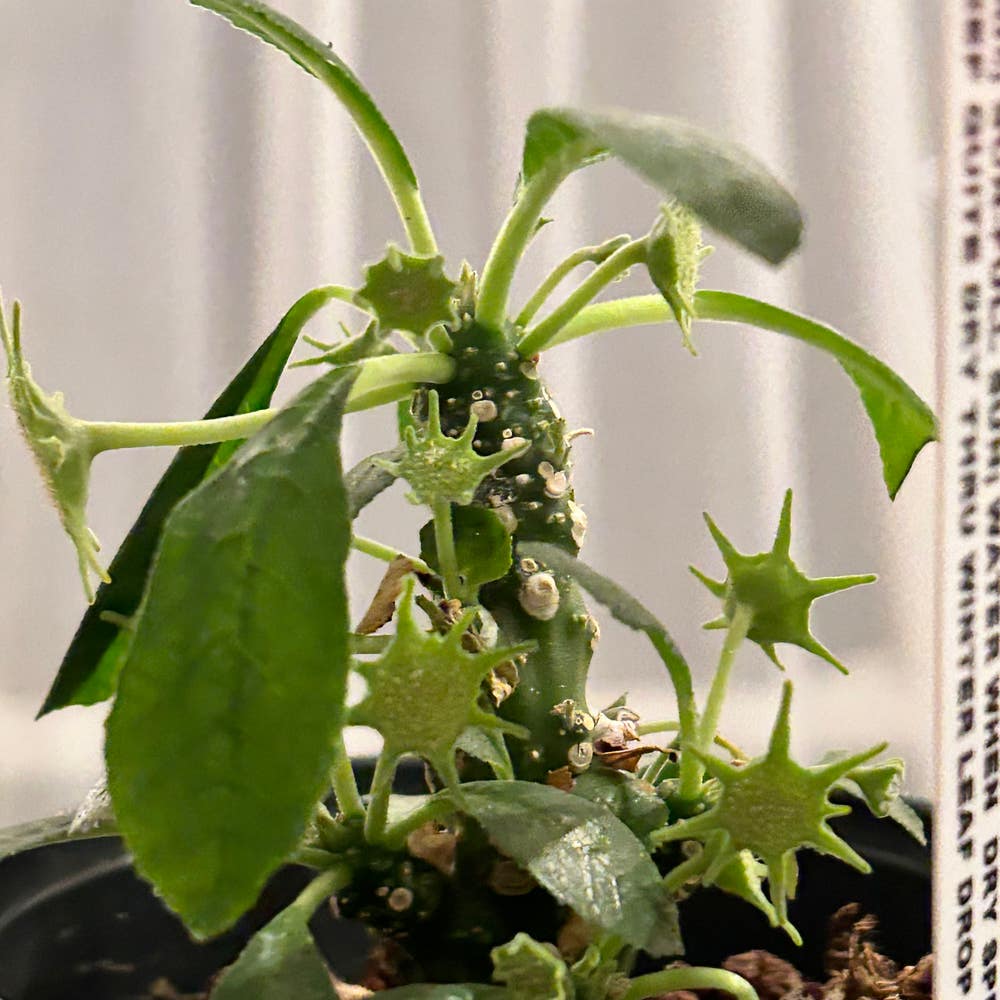
What You Should Know About Shield Flower 🌸
Dorstenia foetida
By the Greg Editorial Team
Jan 10, 2025•10 min read
This article was created with the help of AI so we can cover more plants for you. May contain errors. See one? Report it here.
- 🌞 Shield Flower needs 6-8 hours of sunlight daily for optimal growth.
- 🌱 Well-drained, moderately fertile soil with pH 6.0-7.5 is ideal for planting.
- 🐝 Attracts pollinators like bees and butterflies, enhancing garden biodiversity.
How to Grow Shield Flower
🌞 Choosing a Location
To thrive, Shield Flower needs full sun, ideally receiving 6-8 hours of sunlight daily. When selecting a spot, ensure there's enough space for the plant's mature spread and good air circulation.
🌱 Soil Preparation
The ideal soil for Shield Flower is well-drained and poor to moderately fertile. Aim for a soil pH between 6.0 and 7.5 to promote optimal growth and prevent root rot.
🌼 Planting Techniques
When planting, seeds should be sown at a depth of 1-2 inches, while divisions should be planted at crown level. Space plants 12-18 inches apart to allow for healthy growth and airflow.
💧 Watering Requirements
Initially, water your Shield Flower regularly until it's established; afterward, it becomes drought-tolerant. Deep watering is essential to encourage the development of a strong taproot.
🌿 Fertilizing
Use a low-nitrogen fertilizer to prevent excessive foliage growth. Fertilize in early spring and again in mid-summer for the best results.
✂️ Pruning and Ongoing Care
Regular deadheading is crucial; removing spent flowers encourages more blooms. Maintenance is minimal, focusing mainly on the removal of any dead or damaged foliage.
With these steps, you'll be well on your way to cultivating a vibrant Shield Flower garden. Next, let's explore how to propagate these beautiful plants for even more blooms!
Propagation
🌱 Seed Propagation
To propagate Shield Flower from seeds, sow them in spring. Keep the soil moist until germination occurs, which typically takes about 10 to 14 days.
✂️ Division of Established Plants
For those with established plants, division is a great way to propagate. This should be done in early spring or fall by carefully separating clumps and replanting them immediately to ensure they thrive.
Propagation is an exciting way to expand your garden while enjoying the beauty of Shield Flowers. Whether you choose seeds or divisions, both methods are straightforward and rewarding.
Lifecycle
Lifecycle Stages 🌱
Shield flower is a perennial plant, meaning it lives for several years. Its lifecycle consists of distinct stages: seed or cutting, germination, seedling, vegetative growth, flowering, and seed production.
Lifespan and Growth Timeline ⏳
Typically, shield flowers thrive for about 3-5 years, providing optimal flowering and health during this period. It takes around 2-3 years for the plant to reach its full maturity, so patience is key for gardeners.
Understanding Each Stage 📚
- Seed/Cutting: This initial stage involves planting seeds or taking cuttings from established plants.
- Germination: Seeds sprout within 10-14 days under the right conditions, marking the beginning of growth.
- Seedling: Young plants develop their first true leaves, establishing a foundation for future growth.
- Vegetative Growth: The plant focuses on growing leaves and stems, preparing for the flowering stage.
- Flowering: This is when the shield flower showcases its stunning blooms, attracting pollinators.
- Seed Production: After flowering, the plant produces seeds, ensuring the continuation of its lifecycle.
Understanding these stages helps gardeners provide the right care at each point, ensuring a healthy and vibrant shield flower. As we move forward, let’s explore how to propagate this beautiful plant effectively.
Size
Mature Height and Spread 🌱
Shield flowers are impressive perennials, typically reaching an average mature height of 3 to 4 feet. Their spread is more modest, averaging between 1 to 2 feet, making them a great choice for adding vertical interest without overwhelming your garden space.
Growth Rate and Time to Full Size ⏳
These plants have a moderate growth rate, taking about 2 to 3 years to reach their full size. Several factors can influence their growth, including soil quality, sunlight exposure, and water availability, so be mindful of these elements to ensure your shield flowers thrive.
In summary, understanding the size and growth characteristics of shield flowers can help you plan your garden layout effectively. Next, let’s explore the fascinating lifecycle of this resilient plant.
Roots
Characteristics of the Root System 🌱
The shield flower boasts a deep taproot system, which is essential for its survival. This root structure provides drought resistance and stability, allowing the plant to thrive even in poor soil conditions.
Common Root-Related Issues ⚠️
However, gardeners should be aware of common root-related issues. Root rot can occur from overwatering, leading to mushy roots, while being rootbound can stunt growth, evident by circling roots.
Visual Cues for Healthy vs. Unhealthy Roots 👀
Recognizing healthy roots is crucial for maintaining plant health. Healthy roots are firm, white, and spread out, while unhealthy roots appear dark, mushy, or even foul-smelling.
Understanding these root characteristics and issues can help ensure your shield flower flourishes. With the right care, you can enjoy its beauty for years to come.
Benefits
Attracts Pollinators 🐝
Shield flower is a magnet for pollinators. Bees and butterflies flock to its vibrant blooms, making it a fantastic addition to any garden.
Drought-Resistant 🌵
This hardy plant thrives in poor soil and requires minimal water. Its drought resistance means less worry about watering schedules, perfect for busy gardeners.
Low Maintenance 🧘♀️
Once established, shield flower demands very little care. This makes it an ideal choice for those who want beauty without the constant upkeep.
Unique Appearance 🌼
With its globe-shaped blooms, shield flower adds a distinctive flair to your landscape. Its unique look can elevate the aesthetic of any garden space.
Cultural Significance 🌍
Often found in traditional gardens, shield flower carries cultural weight. Its beauty and resilience make it a cherished choice for many gardening enthusiasts.
These benefits make shield flower not just a plant, but a valuable addition to your gardening journey. Whether you're looking to attract wildlife or simply enjoy its beauty, this flower has much to offer. Next, let’s explore the best companion plants that can enhance your shield flower garden.
Companion Plants
Best Companion Plants for Shield Flower 🌼
Choosing the right companions for your Shield Flower can enhance its growth and beauty.
Lavender: This fragrant herb not only attracts pollinators but also repels pests, making it a perfect partner.
Salvia: With similar care requirements, Salvia attracts beneficial insects that help keep your garden thriving.
Yarrow: Known for enhancing soil health, Yarrow also draws in pollinators, creating a vibrant ecosystem around your Shield Flower.
Plants to Avoid Near Shield Flower 🚫
While some plants thrive alongside Shield Flower, others can hinder its growth.
- Heavy feeders: Plants like tomatoes compete for nutrients, potentially stunting the growth of your Shield Flower.
By selecting the right companions and avoiding nutrient hogs, you can create a flourishing garden that showcases the unique beauty of Shield Flower. This thoughtful planting strategy sets the stage for a healthy, vibrant garden.
Toxicity to Humans
🛡️ Safety of Shield Flower for Humans
Shield flower is not listed as toxic by major poison control centers, making it a safe choice for gardens. You can handle and even ingest it in small amounts without worry.
⚠️ General Safety Considerations
While generally safe, it's always wise to exercise caution with any plant. If you experience unusual symptoms after contact or ingestion, seek medical advice promptly.
🌼 Final Thoughts
Enjoy the beauty of shield flower without fear! Just remember to keep an eye out for any unexpected reactions, and you'll be able to appreciate this stunning plant worry-free.
Next, let’s explore how shield flower interacts with our furry friends, starting with its safety for dogs.
Toxicity to Dogs
Safety of Shield Flower for Dogs 🐶
Shield flower is not listed as toxic by major pet poison control centers, making it a safe choice for dog owners. Generally, it poses minimal risk of issues for your furry friends.
Caution ⚠️
Even though shield flower is considered safe, it's always wise to monitor your pets around any plants. If you notice unusual symptoms, consult a veterinarian for peace of mind.
Summary 📜
In summary, shield flower can be a delightful addition to your garden without the worry of harming your dogs. Enjoy the beauty of these blooms while keeping an eye on your pets for a harmonious garden experience.
As we move forward, let's explore the safety of shield flower for cats, ensuring our feline friends can also enjoy the garden's beauty without risk.
Toxicity to Cats
Safety of Shield Flower for Cats 🐱
Shield flower is not listed as toxic by major pet poison control centers, making it a safe choice for your feline friends. Generally, it poses minimal risk of issues, allowing you to enjoy its beauty without worry.
Caution ⚠️
While shield flower is considered safe, it's always wise to monitor your pets around any plants. If you notice any unusual symptoms, consult a veterinarian for peace of mind.
This knowledge allows you to cultivate a vibrant garden while keeping your curious cats safe. Now, let’s explore common problems faced when growing shield flower.
Common Problems Faced When Growing Shield Flower
Growing Shield Flower can be rewarding, but it's not without its challenges. Understanding these common problems can help you maintain a thriving garden.
💧 Incorrect Watering
Watering is crucial for Shield Flower health. Underwatering leads to wilting, while overwatering causes yellowing leaves.
☀️ Incorrect Light Conditions
Light conditions can significantly affect growth. Too much sun can scorch leaves, while insufficient light results in leggy growth.
🦠 Diseases
Fungal diseases can be a concern. Watch for powdery mildew and blight, which can hinder your plant's vitality.
🌱 Root Problems
Root issues often stem from poor drainage. Root rot can develop, leading to serious health problems for your Shield Flower.
By staying vigilant about these potential problems, you can ensure your Shield Flower flourishes. Next, let’s explore the pests that might disrupt your garden's harmony.
Bugs
🐞 Potential Pest Issues for Shield Flower
While shield flowers are known for their moderate pest resistance, they can still attract a few unwelcome guests. Keeping an eye on your plants can help you catch any issues early.
🕷️ Common Pests
Spider Mites
These tiny pests can be a nuisance, leaving fine webbing and stippled leaves in their wake. If you notice these signs, it's time to take action.
Mealybugs
Look out for cotton-like masses on stems and leaves, which indicate a mealybug infestation. These pests can weaken your plants if not addressed promptly.
🚫 Prevention and Management
To keep your shield flowers thriving, consider implementing a few preventive measures. Regularly inspect your plants and maintain good air circulation to deter pests.
If you do encounter pests, gentle insecticidal soap or neem oil can be effective treatments. Always follow the instructions carefully to protect your plants while managing pest issues.
🏁 Conclusion
By staying vigilant and proactive, you can enjoy the beauty of shield flowers without the worry of pest problems. Next, let’s explore what animals might be tempted to munch on these lovely blooms.
What Eats Shield Flower
Common Animals That May Eat or Damage Shield Flower 🦌
Shield flower can attract a few hungry visitors in your garden. Deer are notorious for munching on these plants, leaving behind chewed leaves and broken stems as evidence of their feast.
Rabbits are another common culprit. If you notice clipped stems and missing foliage, these little critters may be the reason behind your plant's sudden decline.
Deterrent Methods 🚫
To protect your shield flower from these nibblers, consider using chemical repellents. These can create an uninviting environment for deer and rabbits.
Another effective strategy is to plant strong-smelling herbs nearby. Herbs like rosemary or sage can deter these animals, keeping your shield flower safe and thriving.
By taking these precautions, you can enjoy the beauty of your shield flower without the worry of unwanted munchers.
⚠️ Safety First
This content is for general information and may contain errors, omissions, or outdated details. It is not medical, veterinary advice, or an endorsement of therapeutic claims.
Always consult a qualified healthcare professional before using any plant as food, medicine, or supplement.
Never eat any plant (or feed one to pets) without confirming its identity with at least two trusted sources.
If you suspect poisoning, call Poison Control (800) 222-1222, the Pet Poison Helpline (800) 213-6680, or your local emergency service immediately.
Spotted an error? Please report it here.
Cultivate a thriving Shield Flower garden 🌼 with Greg's tailored watering reminders and care tips, ensuring your plants flourish with minimal effort while attracting beautiful pollinators!