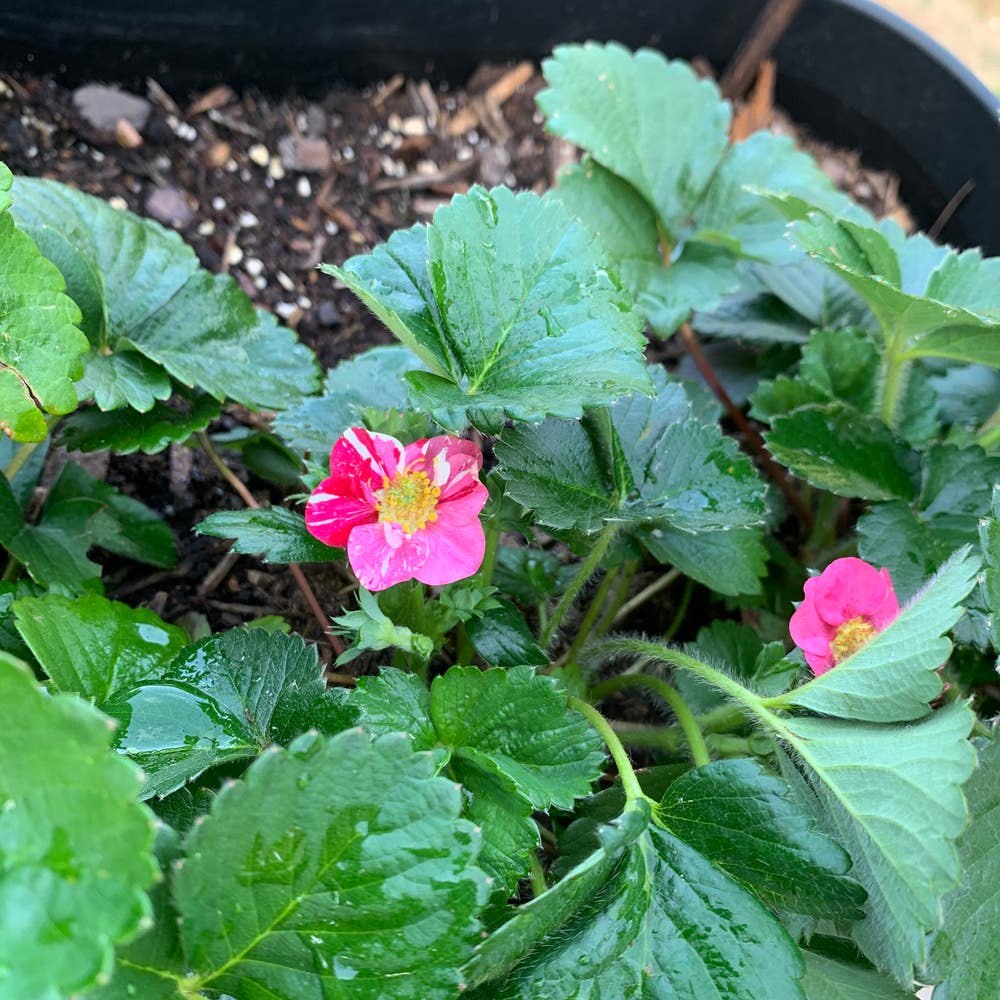
Introduction to Shade Cinquefoil ☀️
Potentilla umbrosa
By the Greg Editorial Team
Feb 27, 2025•13 min read
This article was created with the help of AI so we can cover more plants for you. May contain errors. See one? Report it here.
Elevate your shaded garden with the vibrant blooms of Shade Cinquefoil 🌼—a low-maintenance beauty that thrives in tough spots!
- 🌳 Shade Cinquefoil thrives in low-light, perfect for shaded garden areas.
- 🌱 Optimal growth requires well-drained soil with a pH of 6.0 to 7.0.
- 🐾 Non-toxic to pets, but monitor for mild gastrointestinal upset if consumed in large amounts.
How to Grow
Choosing a Location 🌳
Shade Cinquefoil thrives in partial to full shade, making it an excellent choice for those tricky spots in your garden. Selecting the right location is crucial; it protects the plant from harsh sunlight and extreme temperature fluctuations.
Soil Preparation 🌱
To ensure healthy growth, aim for well-drained, fertile soil. The ideal soil pH should be slightly acidic to neutral, ranging from 6.0 to 7.0.
Adding organic matter can significantly improve both drainage and fertility, setting your plants up for success.
Planting Techniques 🌼
When planting, dig a hole that is 1-2 inches deep and space your plants 12-18 inches apart for optimal growth. The best times to plant are in spring or fall, allowing the plants to establish before extreme weather sets in.
Watering Requirements 💧
Regular watering is essential to maintain consistent moisture levels in the soil. Watch for signs of overwatering, such as yellowing leaves and root rot, or signs of underwatering, like wilting and dry leaf edges.
Fertilizing Schedule 🌿
Use a balanced, slow-release fertilizer to nourish your Shade Cinquefoil. Fertilize in early spring and mid-summer to support healthy growth throughout the growing season.
Pruning Methods ✂️
Prune your plants in late winter or early spring before new growth begins. Focus on removing dead or damaged stems to encourage a bushier appearance and promote overall health.
Ongoing Care 🪴
For container care, ensure your pots have drainage holes and use a quality potting mix. If planting outdoors, consider mulching to retain moisture and suppress weeds, creating a thriving environment for your Shade Cinquefoil.
With these tips, you'll be well on your way to cultivating a beautiful and resilient Shade Cinquefoil garden. Next, let’s explore how to propagate this lovely plant!
Propagation
🌱 Seed Propagation Steps
Seed propagation is a straightforward method to expand your Shade Cinquefoil collection. Start by collecting seeds from mature plants in late summer.
Next, stratify the seeds by placing them in the refrigerator for 4-6 weeks. This mimics winter conditions and encourages germination.
Once stratified, sow the seeds in well-draining soil, covering them lightly. Keep the soil moist until germination occurs, which typically takes 2-3 weeks.
✂️ Division Propagation Steps
Dividing your Shade Cinquefoil is another effective propagation technique. The best time for division is early spring or fall.
Begin by digging up the plant and gently separating the root clumps. Be careful not to damage the roots during this process.
Replant the divisions immediately in prepared soil to ensure they establish quickly.
🌿 Cutting Propagation Steps
For those looking for a more advanced method, cutting propagation can yield great results. Start by taking 4-6 inch cuttings from healthy stems in late spring.
Remove the lower leaves from the cuttings and dip the cut ends in rooting hormone to promote root growth.
Plant the cuttings in a moist, well-draining medium and cover them with plastic to maintain humidity. This step is crucial for successful rooting.
📋 Summary of Propagation Methods
Each propagation method has its own level of difficulty and timing. Here’s a quick overview:
| Method | Difficulty | Best Time |
|---|---|---|
| Seed Propagation | Easy | Late Summer |
| Division | Moderate | Early Spring/Fall |
| Cutting | Hard | Late Spring |
With these propagation techniques, you can easily multiply your Shade Cinquefoil plants and enjoy their beauty in various spots around your garden. Next, let’s explore the lifecycle of this resilient perennial.
Lifecycle
Lifecycle Stages 🌱
Shade Cinquefoil is a resilient perennial that goes through several distinct stages. These include seed germination, seedling development, vegetative growth, flowering, and seed production.
Lifespan and Growth Rate ⏳
Under optimal conditions, Shade Cinquefoil can live for 3-5 years. It has a moderate growth rate, typically reaching maturity in about 2-3 years.
Understanding the Growth Process 🧬
Each stage of the lifecycle is crucial for the plant's overall health and productivity. From the moment seeds germinate, they embark on a journey that shapes their future as vibrant contributors to your garden.
Importance of Optimal Conditions 🌤️
Providing the right conditions—like adequate moisture and suitable light—can significantly enhance the growth process. This attention to detail ensures that your Shade Cinquefoil thrives and flourishes.
Conclusion 📚
Understanding the lifecycle of Shade Cinquefoil not only helps in its cultivation but also enriches your gardening experience. As we move forward, let’s explore how to effectively propagate this beautiful plant.
Size
Mature Height and Spread 🌱
Shade Cinquefoil typically reaches a mature height of 12 to 24 inches. Its spread can range from 18 to 24 inches, making it a lovely addition to any garden space.
Growth Rate and Time to Full Size ⏳
This perennial plant grows at a moderate pace, taking about 2 to 3 years to reach its full size. Growth rate can vary based on environmental conditions, so keep an eye on your plants as they develop.
Size Variability 📏
Several factors can influence the size of Shade Cinquefoil. Light availability, soil quality, and moisture levels all play a crucial role in determining how robust your plants will grow.
As you cultivate your Shade Cinquefoil, remember that these factors can be adjusted to optimize growth. With the right conditions, you can enjoy a flourishing display of vibrant foliage and flowers.
Roots
Characteristics of the Root System 🌱
Shade Cinquefoil features a fibrous root system that is essential for its growth. These shallow, spreading roots are excellent for moisture retention, ensuring the plant thrives even in less-than-ideal conditions.
Common Root-Related Issues 🚫
One of the most common problems is root rot, which occurs due to overwatering and poor drainage. Signs of unhealthy roots include dark, mushy textures and stunted growth, indicating that your plant may need immediate attention.
Identifying Healthy vs. Unhealthy Roots 🔍
Healthy roots are firm and typically white or light tan in color. In contrast, unhealthy roots will appear dark, mushy, or even emit a foul smell, signaling that something is wrong.
Recognizing Rootbound Plants 🪴
If you notice roots growing out of drainage holes or circling the pot, your plant is likely rootbound. The best solutions are to repot it into a larger container or divide the plant to promote healthier growth.
Understanding the root system of Shade Cinquefoil is crucial for its overall health. By keeping an eye on these indicators, you can ensure your plant remains vibrant and flourishing. Next, let’s explore the benefits of growing this resilient perennial.
Benefits
Five Benefits of Growing Shade Cinquefoil 🌼
Shade Cinquefoil is a fantastic addition to any garden, offering a range of benefits that make it a must-have for both novice and experienced gardeners.
Attractive Yellow Flowers
The bright yellow flowers of Shade Cinquefoil add a cheerful pop of color to shaded areas, enhancing your garden's aesthetics. Their vibrant blooms can brighten up even the gloomiest spots.Low Maintenance
This plant is perfect for busy gardeners. Once established, it requires minimal care, allowing you to enjoy a beautiful garden without constant upkeep.Ground Cover
Shade Cinquefoil effectively provides ground cover, helping to reduce soil erosion. Its spreading habit stabilizes the soil, making it an excellent choice for sloped areas.Attracts Pollinators
By growing Shade Cinquefoil, you’ll invite beneficial pollinators like bees and butterflies into your garden. This not only supports local ecosystems but also enhances the overall health of your garden.Resilient in Shaded Areas
This plant thrives in partial to full shade, making it a resilient option for those tricky spots where other plants struggle. Its adaptability promotes biodiversity, allowing various species to coexist harmoniously.
With these benefits, Shade Cinquefoil proves to be a valuable addition to any garden, offering beauty, ease of care, and ecological support. Ready to explore how to propagate this versatile plant? Let’s dive into the next section!
Companion Plants
🌱 Explanation of Companion Planting
Companion planting is a gardening technique that enhances growth and pest management through beneficial relationships between plants. By strategically placing certain plants together, you can create a thriving ecosystem that supports healthy growth and minimizes pest issues.
🌼 Best Companion Plants
When growing Shade Cinquefoil, consider these excellent companions:
Hostas
Hostas thrive in similar shade conditions and offer attractive foliage that complements the Cinquefoil's yellow flowers.
Ferns
Ferns have complementary growth habits and moisture needs, making them ideal partners in shaded areas.
Astilbe
Astilbe adds vibrant color to your garden and flourishes in the same conditions as Shade Cinquefoil, creating a beautiful display.
🚫 Plants to Avoid
Avoid planting sun-loving species like tomatoes and peppers near Shade Cinquefoil. These plants require full sun and may compete for resources, hindering the growth of your Cinquefoil.
By choosing the right companions, you can create a lush, vibrant garden that not only looks great but also supports the health of your Shade Cinquefoil. This thoughtful approach to planting can lead to a more resilient and productive garden overall.
Toxicity to Humans
Safety of Shade Cinquefoil 🌿
Shade Cinquefoil is generally safe for humans. Major poison control centers and health organizations do not list it as toxic.
However, consuming large quantities may lead to mild skin irritation or minor digestive discomfort. Always exercise caution with any plant and consult a medical professional if you experience unusual symptoms.
Being informed about the plants around you is essential for safety and peace of mind. Enjoy the beauty of Shade Cinquefoil while keeping these safety tips in mind!
As we explore further, let’s look into the safety of Shade Cinquefoil for our furry friends.
Toxicity to Dogs
Safety of Shade Cinquefoil 🐶
Shade Cinquefoil is generally safe for dogs. Major pet poison control centers and veterinary organizations do not list it as toxic.
However, if your dog consumes large quantities, it may experience mild gastrointestinal upset.
Proper Placement 🏡
To ensure your furry friend stays safe, keep Shade Cinquefoil out of reach.
It's also wise to monitor your dog's behavior around new plants to prevent any unwanted snacking.
This way, you can enjoy your garden while keeping your pet healthy and happy.
As you explore the world of Shade Cinquefoil, remember that awareness is key to a harmonious home and garden.
Toxicity to Cats
Safety of Shade Cinquefoil 🐱
Shade Cinquefoil is not considered toxic to cats according to major pet poison control centers and veterinary organizations. This means you can enjoy this beautiful plant without worrying too much about your feline friends.
However, if a cat consumes a large quantity, it may experience mild gastrointestinal upset. It's always a good idea to monitor your cat's behavior around new plants to ensure they don't nibble too much.
Proper Placement 🏡
To keep your cat safe, place Shade Cinquefoil out of reach. This simple precaution can help prevent any accidental munching and ensure your plant thrives in peace.
By being mindful of your cat's habits and the plant's location, you can create a harmonious environment for both your pets and your garden.
Problems
Common Problems with Shade Cinquefoil 🌱
Growing Shade Cinquefoil can be rewarding, but it’s not without its challenges. Here are some common problems you might encounter.
Incorrect Watering:
- Overwatering leads to yellowing leaves, while underwatering causes wilting.
- Finding the right balance is crucial for healthy growth.
Incorrect Light Conditions:
- Too much sun can scorch the leaves, damaging the plant.
- Ensure your Shade Cinquefoil is in a location that provides partial to full shade.
Incorrect Temperature:
- Cold damage can occur in frost-prone areas, affecting the plant's vitality.
- Protecting your plants during unexpected cold snaps is essential.
Diseases:
- Fungal issues like powdery mildew and rust can plague Shade Cinquefoil.
- Regular monitoring and good air circulation can help prevent these diseases.
Leaf Issues:
- Yellowing or fuzzy growth often indicates nutrient deficiencies.
- A balanced fertilization schedule can help maintain vibrant foliage.
By being aware of these potential problems, you can take proactive steps to ensure your Shade Cinquefoil thrives. Next, let’s explore the pests that might disrupt its growth.
Bugs
🐛 Potential Pest Issues
Shade Cinquefoil is generally a resilient plant, but it can still fall prey to certain pests. Keeping an eye out for these nuisances is crucial to maintaining the health of your plants.
🔍 Identification of Pests
Identifying pests early can save your Shade Cinquefoil from significant damage. Here are some common culprits:
Spider Mites
Look for fine webbing and stippled leaves. These tiny pests thrive in dry conditions and can quickly multiply if not addressed.
Aphids
These small green or black insects often cluster on new growth. They suck sap from the plant, leading to stunted growth and distorted leaves.
Mealybugs
Recognizable by their white, cottony masses on stems and leaves, mealybugs can weaken your plant significantly. They also produce a sticky residue that can attract other pests.
🛠️ Managing Pest Problems
Regularly inspect your plants for these pests, especially during warm months. If you spot any, consider using insecticidal soap or neem oil for effective treatment.
By staying vigilant and proactive, you can keep your Shade Cinquefoil thriving and beautiful. Next, let’s explore the common problems that might arise while growing this lovely plant.
What Eats Shade Cinquefoil
Common Animals 🦌
Shade Cinquefoil can attract a few hungry visitors.
- Deer: Look for signs like chewed leaves and broken stems, which indicate their grazing habits.
- Rabbits: These little critters leave behind cleanly cut stems and missing foliage, making them easy to spot.
- Squirrels: They may dig around the base or nibble on the flowers, leaving evidence of their presence.
Signs of Animal Presence 🐾
Identifying animal activity around your Shade Cinquefoil is crucial for its protection.
Keep an eye out for tracks, droppings, or any damaged foliage. These signs can help you determine which animals are causing trouble.
Methods for Deterring Animals 🚫
Preventing these animals from munching on your plants can be straightforward.
- Fencing: Installing a fence can create a physical barrier against larger animals like deer.
- Repellents: Consider using natural or commercial repellents to deter rabbits and squirrels.
- Planting Deterrent Species: Surrounding your Shade Cinquefoil with plants that animals dislike can help keep them at bay.
By taking these steps, you can enjoy your Shade Cinquefoil without the worry of it becoming a snack for local wildlife. Next, let’s explore the common problems that can affect this resilient plant.
⚠️ Safety First
This content is for general information and may contain errors, omissions, or outdated details. It is not medical, veterinary advice, or an endorsement of therapeutic claims.
Always consult a qualified healthcare professional before using any plant as food, medicine, or supplement.
Never eat any plant (or feed one to pets) without confirming its identity with at least two trusted sources.
If you suspect poisoning, call Poison Control (800) 222-1222, the Pet Poison Helpline (800) 213-6680, or your local emergency service immediately.
Spotted an error? Please report it here.
Transform your low-light garden into a vibrant oasis 🌼 with Shade Cinquefoil, and let Greg guide you with tailored care tips and reminders for thriving plants!