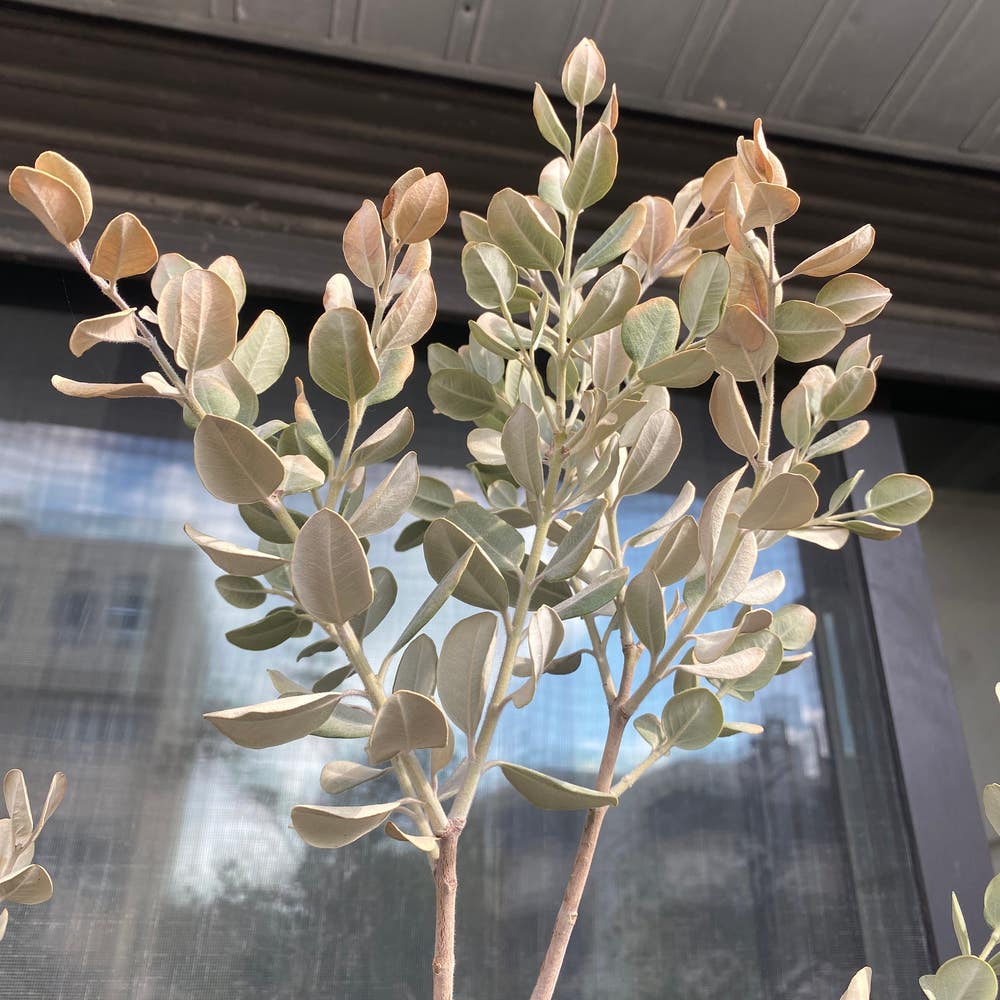
🍎 All About Scarlet Rata: Essential Facts
Metrosideros fulgens
By the Greg Editorial Team
Jan 23, 2025•14 min read
This article was created with the help of AI so we can cover more plants for you. May contain errors. See one? Report it here.
Unlock the secrets to thriving Scarlet Rata plants 🌱 and elevate your garden's beauty effortlessly!
- 🌞 Scarlet Rata needs at least six hours of sunlight daily for optimal growth.
- 🌱 Well-draining, organic-rich soil with pH 6.0 to 7.5 is ideal for planting.
- 💧 Consistent watering without overwatering prevents root rot and supports healthy growth.
How to Grow
🌞 Choosing a Location
Selecting the right location is crucial for your Scarlet Rata's success. Aim for a spot that receives full sun for at least six hours a day, though partial shade can work if you live in a particularly hot climate.
Additionally, ensure your plants are protected from strong winds and extreme weather. This will help prevent damage and promote healthy growth.
🌱 Soil Preparation
Scarlet Rata thrives in well-draining soil rich in organic matter. Aim for a soil pH between 6.0 and 7.5 to create the ideal growing environment.
To prepare your soil, consider adding compost or well-rotted manure to enhance its nutrient content. This will support robust plant development.
🌿 Planting Techniques
When planting, dig a hole that is about twice the width of the root ball and deep enough to accommodate the roots without bending them. Space your plants about 18 to 24 inches apart to allow for proper air circulation.
Timing is also essential; spring is generally the best time to plant. However, fall planting can work in milder climates.
💧 Watering Requirements
Scarlet Rata prefers consistent moisture, so water regularly, especially during dry spells. Be cautious not to overwater, as this can lead to root rot.
Signs of overwatering include yellowing leaves and a soggy root system, while underwatering may cause wilting and browning leaf edges.
🌼 Fertilizing
Choose between organic and synthetic fertilizers based on your gardening philosophy. Organic options, like compost or fish emulsion, can enhance soil health over time.
Fertilize monthly during the growing season to provide essential nutrients. This will help your Scarlet Rata flourish.
✂️ Pruning
Pruning is vital for maintaining the health and aesthetics of your Scarlet Rata. Aim to prune in early spring before new growth begins.
Regular pruning encourages bushier growth and removes any dead or diseased branches, promoting overall plant vitality.
🛠️ Ongoing Care
Regular maintenance tasks include weeding, mulching, and monitoring for pests. Mulching helps retain moisture and suppress weeds, making your gardening efforts easier.
Adjust your care routine seasonally to accommodate changing weather conditions. This ensures your plants remain healthy year-round.
🌍 Outdoor vs. Container Growing
Both outdoor and container growing have their pros and cons. Outdoor planting allows for more space and natural conditions, while container gardening offers flexibility and mobility.
If you choose containers, opt for sizes that are at least 12 inches deep and wide. This will provide enough room for root development and growth.
Transitioning to the next section, let's explore how to propagate your Scarlet Rata effectively.
Propagation
🌱 Methods of Propagating
Propagation is an exciting way to expand your Scarlet Rata collection. You can choose between seed propagation and vegetative propagation, which includes cuttings and division.
Seed Propagation
Timing is crucial for successful seed propagation. Start your seeds indoors about 6-8 weeks before the last frost or sow them directly outdoors after the danger of frost has passed.
Vegetative Propagation
For vegetative propagation, you can use cuttings or divide existing plants. This method allows you to maintain the characteristics of the parent plant, ensuring consistency in growth and appearance.
🛠️ Step-by-Step Techniques
1. Seed Propagation
Soaking Seeds: Begin by soaking your seeds in water for 24 hours. This helps to soften the seed coat and promotes germination.
Planting Depth: Plant the seeds about 1/4 inch deep in well-draining soil. Ensure they have enough space to grow without overcrowding.
Care: Keep the soil consistently moist but not waterlogged. Provide warmth and light to encourage healthy growth.
2. Cutting Propagation
Selecting Stems: Choose healthy, non-flowering stems for cuttings. Aim for 4-6 inches in length, cutting just below a node.
Rooting Medium: Place the cuttings in a sterile rooting medium, such as perlite or a mix of peat and vermiculite. This helps prevent rot and encourages root development.
Care: Keep the medium moist and provide indirect light. After a few weeks, you should see roots developing, indicating that your cuttings are ready to be potted.
By mastering these propagation techniques, you can easily multiply your Scarlet Rata plants and enjoy their beauty in various locations. Next, let’s explore the lifecycle of this fascinating plant and what to expect as it grows.
Lifecycle
Life cycle overview 🌱
Scarlet Rata can be classified as an annual, perennial, or biennial plant, depending on the specific variety. Understanding this classification helps in planning your garden and knowing what to expect each growing season.
Stages from seed/cutting to maturity 🌿
The lifecycle begins with germination, which requires warmth and moisture. Typically, seeds germinate within 7 to 14 days under optimal conditions.
Seedling stage 🌼
Once germinated, seedlings need careful attention. Providing adequate light and consistent moisture is crucial for their development during this early stage.
Vegetative growth and flowering 🌸
As the plant matures, it enters the vegetative growth phase, where it focuses on leaf and stem development. Flowering usually occurs several weeks after the vegetative stage, depending on the variety and environmental conditions.
Seed production and lifespan 🌾
Scarlet Rata produces seeds once flowering is complete, contributing to its lifecycle. The lifespan of the plant varies, but many can thrive for several years, especially perennials.
Growth timeline ⏳
On average, Scarlet Rata takes about 3 to 4 months to reach full maturity. Factors such as soil quality, light exposure, and watering practices can significantly influence this growth rate.
This understanding of the lifecycle is essential for successful cultivation and care of Scarlet Rata. Next, we’ll explore the size of this fascinating plant and how it can fit into your garden space.
Size
Mature height and spread 🌱
Scarlet Rata plants typically reach a mature height of 2 to 4 feet, with a spread of about 1 to 3 feet. These dimensions can vary significantly based on the growing conditions, such as soil quality and sunlight exposure.
Growth rate and time to full size ⏳
Several factors influence the growth rate of Scarlet Rata, including soil fertility, water availability, and light conditions. Generally, you can expect these plants to reach their full size within 1 to 3 years.
Size variability 📏
The size of Scarlet Rata can fluctuate due to environmental factors. Adequate sunlight, rich soil, and consistent watering can lead to larger plants, while poor conditions may stunt their growth.
Roots
Characteristics of Root System 🌱
Scarlet Rata typically features a fibrous root system. This type of root structure allows for efficient nutrient absorption and stability in various soil conditions.
Root Depth, Spread, and Growth Patterns 📏
The roots generally extend to a depth of about 12 to 18 inches. They spread outwards, often reaching a diameter of 2 to 3 feet, depending on the growing conditions.
Common Root-Related Issues ⚠️
Root rot is a common problem, often caused by overwatering or poorly draining soil. To prevent this, ensure your plant has adequate drainage and monitor watering habits closely.
Signs of unhealthy roots include discoloration, mushiness, and a foul odor. If you notice these symptoms, it’s crucial to act quickly to save your plant.
Identifying Healthy vs. Unhealthy Roots 🧐
Healthy roots are typically firm, white, and have a fresh smell. In contrast, unhealthy roots may appear brown or black and feel soft to the touch.
Recognizing Rootbound Plants 🪴
Rootbound plants exhibit symptoms such as stunted growth and roots growing out of the drainage holes. If you suspect your plant is rootbound, consider repotting it into a larger container.
To remedy rootbound conditions, gently loosen the roots and trim any that are excessively tangled. This encourages new growth and helps the plant thrive in its new environment.
With proper care and attention to root health, your Scarlet Rata can flourish beautifully. Next, let’s explore the benefits this stunning plant brings to your garden.
Benefits
Scarlet Rata offers a multitude of advantages that make it a fantastic addition to any garden. Here are the top five benefits you can enjoy:
🌺 Aesthetic Appeal in Gardens
The vibrant colors and unique foliage of Scarlet Rata enhance the visual appeal of any landscape. Its striking presence can serve as a focal point or complement other plants beautifully.
🐝 Attracting Beneficial Pollinators
Scarlet Rata is a magnet for pollinators like bees and butterflies. By planting it, you contribute to a healthier ecosystem and promote biodiversity in your garden.
🌱 Soil Improvement Through Organic Matter
As Scarlet Rata grows, it enriches the soil with organic matter. This natural process improves soil structure, fertility, and moisture retention, benefiting surrounding plants.
🍽️ Culinary Uses and Flavor Enhancement
The leaves and flowers of Scarlet Rata are not just pretty; they can also be used in culinary dishes. Their unique flavor can elevate salads, teas, and other recipes, making them a delightful addition to your kitchen.
🌍 Cultural Significance and Symbolism
Scarlet Rata holds cultural significance in various traditions, symbolizing beauty and resilience. Incorporating it into your garden can add a layer of meaning and connection to nature.
These benefits make Scarlet Rata a worthy choice for gardeners looking to enhance their outdoor spaces. Next, let’s explore the concept of companion planting and how it can further enrich your gardening experience.
Companion Plants
🌱 Concept of Companion Planting
Companion planting is all about creating a harmonious garden ecosystem. By pairing plants that benefit each other, you can enhance garden diversity and improve pest management.
🌼 Best Companion Plants
Certain plants thrive alongside Scarlet Rata, offering mutual benefits. Here are some top companions:
- Basil: Enhances flavor and repels pests.
- Marigolds: Deter harmful insects and attract beneficial ones.
- Nasturtiums: Act as a trap for aphids, keeping them away from Scarlet Rata.
These companions not only support growth but also contribute to a vibrant garden.
🚫 Plants to Avoid
Not all plants play well together. Some can hinder the growth of Scarlet Rata or attract pests. Avoid planting:
- Cabbage family: Competes for nutrients and can attract pests.
- Fennel: Can inhibit growth and development of nearby plants.
Choosing the right companions is crucial for a thriving garden. By understanding these relationships, you can create a flourishing environment for your Scarlet Rata.
As you plan your garden, consider these companion planting strategies to maximize health and yield. Next, let’s explore the fascinating world of Scarlet Rata propagation!
Toxicity to Humans
Safety for humans 🛡️
Scarlet Rata is generally safe for humans. It is not listed as toxic by major poison control centers, making it a worry-free addition to your garden.
Potential minor issues ⚠️
While the plant poses minimal risks, some individuals may experience mild skin irritation or digestive discomfort if they consume it in excessive amounts. It's always wise to enjoy in moderation.
Recommendations for caution 🚨
If you encounter any unusual symptoms after contact or consumption, seeking medical advice is essential. Staying informed helps ensure a safe and enjoyable experience with Scarlet Rata.
As we explore the next section, let's delve into how this plant interacts with our furry friends, particularly dogs.
Toxicity to Dogs
Safety for dogs 🐶
Scarlet Rata is not listed as toxic by veterinary organizations, making it a safe choice for homes with dogs. You can enjoy the beauty of this plant without worrying about your furry friends.
Potential minor issues ⚠️
While generally safe, consuming large quantities of Scarlet Rata may lead to mild gastrointestinal upset in dogs. It's always best to monitor their behavior after they've been around the plant.
Tips for introducing to homes with dogs 🏡
When introducing Scarlet Rata to your home, consider proper placement to minimize any potential nibbling. Keep an eye on your dog's behavior around the plant, ensuring they don’t show excessive interest or discomfort.
With these precautions, you can enjoy the vibrant presence of Scarlet Rata while keeping your canine companions safe. Next, let’s explore how this plant interacts with our feline friends.
Toxicity to Cats
Safety for cats 🐱
Scarlet Rata is not listed as toxic by major pet poison control centers. This means you can enjoy this vibrant plant without worrying about your feline friends getting sick.
Potential minor issues ⚠️
While generally safe, excessive interaction with Scarlet Rata may lead to mild gastrointestinal upset in cats. It's always good to keep an eye on your pet's behavior after introducing new plants.
Tips for introducing to homes with cats 🏡
When bringing Scarlet Rata into your home, consider its placement carefully. Position it in areas that are less accessible to your cats, and monitor their behavior to ensure they don't nibble on the leaves.
With these precautions, you can enjoy the beauty of Scarlet Rata while keeping your cats safe and sound. Next, let’s explore the potential problems that can arise when caring for this plant.
Problems
Common Problems 🌱
Scarlet Rata can face several challenges during its growth. Understanding these common problems is crucial for maintaining a healthy plant.
Incorrect Watering
Watering is a delicate balance. Overwatering can lead to root rot, while underwatering causes wilting and stress.
- Signs of Overwatering: Yellowing leaves, mushy roots, and a foul smell from the soil.
- Signs of Underwatering: Dry, crispy leaves and stunted growth.
Incorrect Light Conditions
Light is vital for photosynthesis. Insufficient light can hinder growth and flowering.
- Symptoms of Inadequate Light: Leggy growth, pale leaves, and fewer blooms.
Incorrect Temperature
Temperature extremes can stress Scarlet Rata. Both cold snaps and excessive heat can impact its health.
- Effects of Temperature Extremes: Leaf drop, slowed growth, and increased susceptibility to diseases.
Diseases
Fungal diseases are a common threat. Conditions like powdery mildew and blight can devastate your plant.
- Common Fungal Issues: Powdery mildew appears as white spots, while blight causes dark, water-soaked spots on leaves.
Root Problems
Roots are the lifeline of your plant. Issues like root rot or squishy roots can be detrimental.
- Identifying Root Rot: Look for dark, mushy roots and a foul odor.
Identifying Symptoms and Causes 🔍
Recognizing symptoms early can save your Scarlet Rata. Here’s a quick guide to help you identify issues:
- Overwatering: Yellow leaves, soggy soil.
- Underwatering: Crispy leaves, dry soil.
- Inadequate Light: Weak, leggy stems.
- Temperature Stress: Leaf drop, slow growth.
- Fungal Diseases: White spots or dark patches on leaves.
Solutions for Top 5 Common Issues 🛠️
Addressing these problems promptly can revive your Scarlet Rata. Here are some simple solutions:
- Adjust Watering: Ensure consistent moisture without waterlogging. Check soil moisture before watering.
- Optimize Light: Move your plant to a brighter location if it shows signs of inadequate light.
- Control Temperature: Protect your plant from extreme temperatures by moving it indoors or using shade cloth.
- Treat Diseases: Remove affected leaves and apply fungicides as needed to combat fungal issues.
- Inspect Roots: If you suspect root rot, gently remove the plant from its pot, trim damaged roots, and repot in fresh soil.
By staying vigilant and addressing these common problems, you can ensure your Scarlet Rata thrives. Next, let’s explore how to effectively manage pests that may threaten your plant's health.
Bugs
🐞 Potential Pest Issues
Scarlet Rata can face various pest challenges, impacting its health and growth. Understanding its resistance and susceptibility to pests is crucial for effective management.
🐜 Common Pests
Several pests can invade your Scarlet Rata, including:
- Spider Mites: Tiny, often invisible to the naked eye, they create fine webs and cause leaf discoloration.
- Aphids: These small, soft-bodied insects cluster on new growth, sucking sap and leading to stunted growth.
- Mealybugs: Recognizable by their white, cotton-like appearance, they can weaken plants by feeding on sap.
Identifying these pests early can save your plant from significant damage.
⚠️ Damage Caused by Pests
Each pest leaves its mark. Spider mites cause stippling on leaves, while aphids can lead to curling and yellowing. Mealybugs can create a sticky residue, attracting other pests like ants.
🧪 Effective Treatment Options
Managing pests effectively involves a mix of organic and chemical methods. Here are some options:
- Organic Treatments: Use insecticidal soap or neem oil to suffocate pests without harming beneficial insects. Regularly spraying your plants can help keep infestations at bay.
- Chemical Control: If the infestation is severe, consider using systemic insecticides. These are absorbed by the plant and can provide long-lasting protection.
Regular monitoring and prompt action are key to keeping your Scarlet Rata thriving.
🏁 Conclusion
By understanding potential pest issues and employing effective treatment options, you can protect your Scarlet Rata from unwanted invaders. Next, let’s explore what animals might be interested in munching on your beautiful plant.
What Eats Scarlet Rata
🦌 Common Animals
Scarlet Rata can attract a variety of hungry critters. Common culprits include deer, rabbits, and squirrels, all of which may find your plants irresistible.
🕵️♂️ Signs of Animal Presence and Damage
Identifying damage caused by these animals is crucial for effective management. Look for chewed leaves, broken stems, or even tracks around your garden that indicate their presence.
🚫 Methods for Deterring or Managing
To protect your Scarlet Rata, consider both chemical and organic control methods.
- Chemical deterrents: Commercial repellents can be effective but should be used with caution.
- Organic options: Try using barriers like fencing or netting, or plant strong-smelling herbs nearby to deter these animals naturally.
By staying vigilant and employing these strategies, you can keep your Scarlet Rata thriving despite the local wildlife.
⚠️ Safety First
This content is for general information and may contain errors, omissions, or outdated details. It is not medical, veterinary advice, or an endorsement of therapeutic claims.
Always consult a qualified healthcare professional before using any plant as food, medicine, or supplement.
Never eat any plant (or feed one to pets) without confirming its identity with at least two trusted sources.
If you suspect poisoning, call Poison Control (800) 222-1222, the Pet Poison Helpline (800) 213-6680, or your local emergency service immediately.
Spotted an error? Please report it here.
Grow a thriving Scarlet Rata 🌿 with Greg's tailored watering alerts and expert care tips to ensure your garden flourishes beautifully!