🌴 Sancona Palm Explained: Key Information
Syagrus sancona
By the Greg Editorial Team
Feb 17, 2025•11 min read
This article was created with the help of AI so we can cover more plants for you. May contain errors. See one? Report it here.
Elevate your garden with the stunning Sancona Palm 🌴 and master its care for a thriving tropical oasis!
- 🌞🌿 Sancona Palm thrives in warm, humid environments with plenty of sunlight.
- 💧 Consistent moisture is crucial; avoid waterlogging and adjust watering in cooler months.
- 🌱 Regular pruning and pest monitoring maintain health and beauty of the Sancona Palm.
How to Grow
Choosing a Location 🌞
To thrive, the Sancona Palm needs warm, humid environments with plenty of sunlight. Whether you choose to plant it outdoors or in a container, consider the available space, light exposure, and your local climate.
Soil Preparation 🌱
The Sancona Palm flourishes in well-draining, fertile soil enriched with organic matter. Aim for a pH level between 6.0 and 7.0, which is slightly acidic to neutral, to promote healthy growth.
Planting Techniques 🌿
When planting, ensure the root ball is level with the soil surface to avoid water pooling around the roots. For outdoor planting, space your palms 3-5 feet apart to allow for proper growth and airflow.
Watering Requirements 🚰
Keep the soil consistently moist but avoid waterlogging, which can harm the roots. As temperatures drop in cooler months, reduce your watering frequency to prevent over-saturation.
Fertilizing Schedule 🍽️
Use a balanced NPK fertilizer to provide essential nutrients. Apply it every 4-6 weeks during the growing season to support robust growth.
Pruning Methods ✂️
Prune dead or damaged fronds as needed to maintain the palm's health and appearance. Always use clean, sharp tools to prevent the spread of disease.
Ongoing Care 🛡️
Regularly monitor your Sancona Palm for pests and diseases, adjusting care based on seasonal changes and growth patterns. Staying proactive will help ensure your palm remains vibrant and healthy.
With these foundational care tips, you're well on your way to nurturing a thriving Sancona Palm. Next, let’s explore how to propagate this beautiful plant effectively.
Propagation
🌱 Seed Propagation
To start propagating your Sancona Palm, begin by soaking the seeds in water for 24 hours. This simple step helps kickstart the germination process, which typically takes 2-4 weeks in warm, humid conditions.
✂️ Division Propagation
If you prefer division propagation, the best time to do this is during the growing season. Carefully separate the clumps of your palm and replant them in suitable soil to encourage healthy growth.
Propagation can be a rewarding experience, allowing you to expand your collection or share the beauty of the Sancona Palm with friends. With the right techniques, you can ensure your palms thrive and flourish.
Next, let's explore the lifecycle of the Sancona Palm and what to expect as it grows.
Lifecycle
Lifecycle Stages 🌱
The Sancona Palm is a perennial plant, meaning it lives for multiple years and continues to grow throughout its life cycle. This characteristic allows it to thrive in various environments, making it a popular choice for gardens and landscapes.
Germination Process 🌡️
For successful germination, the seeds require warm temperatures and consistent moisture. These optimal conditions typically lead to sprouting within 2-4 weeks.
Seedling Stage 🌿
Once germinated, the seedling stage lasts about 3-6 months. During this time, the young plants establish their roots and begin to develop their first fronds.
Vegetative Growth 🌳
As the weather warms, the Sancona Palm enters a phase of rapid vegetative growth. This period is crucial for building a strong foundation for future development.
Flowering and Seed Production 🌼
Flowering usually occurs after 3-5 years of growth. This stage is essential for seed production, allowing the palm to propagate and continue its lifecycle.
Lifespan and Growth Timeline ⏳
Under optimal conditions, the Sancona Palm can live for 20-30 years. It typically takes about 5-7 years to reach full maturity, showcasing its impressive longevity and growth potential.
The lifecycle of the Sancona Palm is a fascinating journey, from seed to mature plant. Understanding this process can help you nurture your palm effectively, ensuring it thrives for years to come.
Size
🌳 Mature Height and Spread
The Sancona Palm typically reaches an average height of 10 to 15 feet. At maturity, it can spread between 5 to 10 feet wide, making it a striking addition to any landscape.
🚀 Growth Rate and Time to Full Size
This palm exhibits a moderate to fast growth rate, which can vary based on environmental conditions. Generally, it takes about 5 to 7 years to reach its full size, allowing for a relatively quick transformation of your garden space.
📏 Size Variability Based on Conditions
Several factors can influence the size of your Sancona Palm. Key elements include soil quality, watering practices, and the amount of sunlight the plant receives, all of which play a crucial role in its overall growth and health.
Understanding these size characteristics can help you plan your garden layout effectively. With proper care, your Sancona Palm can thrive and become a stunning focal point in your outdoor space.
Roots
🌱 Root System Characteristics
The Sancona palm features a fibrous root system that plays a crucial role in its stability and nutrient uptake. This type of root structure allows the plant to adapt well to various soil conditions.
📏 Depth and Spread of Roots
Typically, the roots extend 2-3 feet deep, providing a solid foundation. They can spread outward up to 3-4 feet, which helps the palm absorb moisture and nutrients efficiently.
⚠️ Common Root-Related Issues
Root rot is a common problem caused by overwatering, leading to symptoms like wilting and yellowing leaves. Additionally, squishy roots often indicate poor drainage or disease, signaling that immediate action is needed.
🔍 Identifying Healthy vs. Unhealthy Roots
Healthy roots are firm, white, and spread evenly throughout the soil. In contrast, unhealthy roots appear dark, mushy, or may emit a foul smell, indicating a serious issue that requires attention.
🪴 Recognizing and Addressing Rootbound Conditions
If you notice roots growing out of drainage holes, your palm may be rootbound. To remedy this, consider repotting the plant in a larger container or amending the soil to encourage healthier growth.
Understanding the root system of your Sancona palm is essential for its overall health. By monitoring root conditions and addressing issues promptly, you can ensure your palm thrives beautifully.
Next, let’s explore the numerous benefits that come with growing this stunning palm.
Benefits
Top 5 Benefits 🌟
1. Aesthetic Appeal
The Sancona Palm is a stunning addition to any garden. Its elegant fronds create a tropical vibe that enhances the overall beauty of outdoor spaces.
2. Air Purification
This palm doesn't just look good; it also helps improve indoor air quality. By filtering out pollutants, it contributes to a healthier living environment.
3. Shade Provider
Need a break from the sun? The Sancona Palm offers ample shade, making it a perfect choice for relaxing outdoor areas.
4. Erosion Control
The roots of the Sancona Palm play a vital role in stabilizing soil. This makes it an excellent option for landscaping projects aimed at preventing erosion.
5. Cultural Significance
Often featured in traditional landscaping designs, the Sancona Palm carries cultural weight. Its presence can evoke a sense of heritage and connection to nature.
These benefits make the Sancona Palm not just a pretty face in the garden but a valuable asset for any landscape. Whether you're looking to beautify your space or improve air quality, this palm has you covered.
Next, let’s explore the concept of companion planting and how it can enhance your gardening experience.
Companion Plants
🌱 Companion Planting Concept
Companion planting is all about creating a thriving garden ecosystem. By pairing plants that support each other, you enhance diversity, improve pest management, and boost overall plant health.
🌿 Best Companion Plants
When it comes to the Sancona Palm, consider companions like ferns, bromeliads, and other tropical plants. These choices not only share similar care requirements but also create a visually appealing landscape that complements the palm's elegant fronds.
🚫 Plants to Avoid
Be cautious of heavy feeders in your garden. These plants can compete for nutrients, potentially stunting the growth of your Sancona Palm and its companions.
Incorporating the right companion plants can elevate your gardening experience, making it more vibrant and resilient. As you plan your garden, think about how these relationships can foster a healthier environment for your Sancona Palm.
Toxicity to Humans
The Sancona palm is not listed as toxic by major poison control centers, making it a safe choice for most households. However, it's wise to be cautious; consuming large quantities may lead to mild skin irritation or digestive discomfort.
If you experience any unusual symptoms after contact or consumption, seek medical advice promptly. Always prioritize safety and stay informed about the plants in your environment.
This knowledge allows you to enjoy the beauty of the Sancona palm without worry, enhancing your space while keeping health concerns at bay.
Toxicity to Dogs
The Sancona Palm is not listed as toxic by major pet poison control centers, making it a safe choice for dog owners. However, if your furry friend munches on a large quantity, they might experience mild gastrointestinal upset.
🐶 Monitoring Your Dog
To ensure your dog's safety, consider the placement of your Sancona Palm. Keep it out of reach if your dog has a tendency to nibble on plants.
👀 Observing Behavior
Always monitor your dog's behavior around the plant. If you notice any unusual symptoms, consult your veterinarian for advice.
With a little care, you can enjoy the beauty of the Sancona Palm without worrying about your canine companion!
Toxicity to Cats
The Sancona palm is not considered toxic to cats according to major pet poison control centers. This means you can enjoy this beautiful plant without worrying about your feline friends getting harmed.
However, if your cat decides to nibble on the leaves, there could be minor issues. Eating large quantities may lead to mild gastrointestinal upset, which can be uncomfortable for your pet.
🐾 Tips for Cat Owners
To ensure your cat stays safe, consider the following tips:
Proper Placement: Keep the Sancona palm out of reach of curious paws. A high shelf or hanging planter can work wonders.
Monitor Behavior: Watch for any signs of distress in your cat. If they show unusual symptoms after interacting with the plant, consult your veterinarian.
By taking these precautions, you can enjoy the beauty of the Sancona palm while keeping your furry companions safe.
Next, let’s explore the common problems that can arise when caring for this palm.
Problems
Common Problems 🌱
Growing a Sancona Palm can be rewarding, but it’s not without its challenges. Here are some common issues you might encounter:
- Incorrect watering: Wilting or yellowing leaves often signal overwatering or underwatering.
- Incorrect light conditions: If you notice leggy growth or leaf scorch, your palm may not be getting the right amount of light.
- Diseases: Fungal issues like powdery mildew and root rot can plague your plant if conditions aren't ideal.
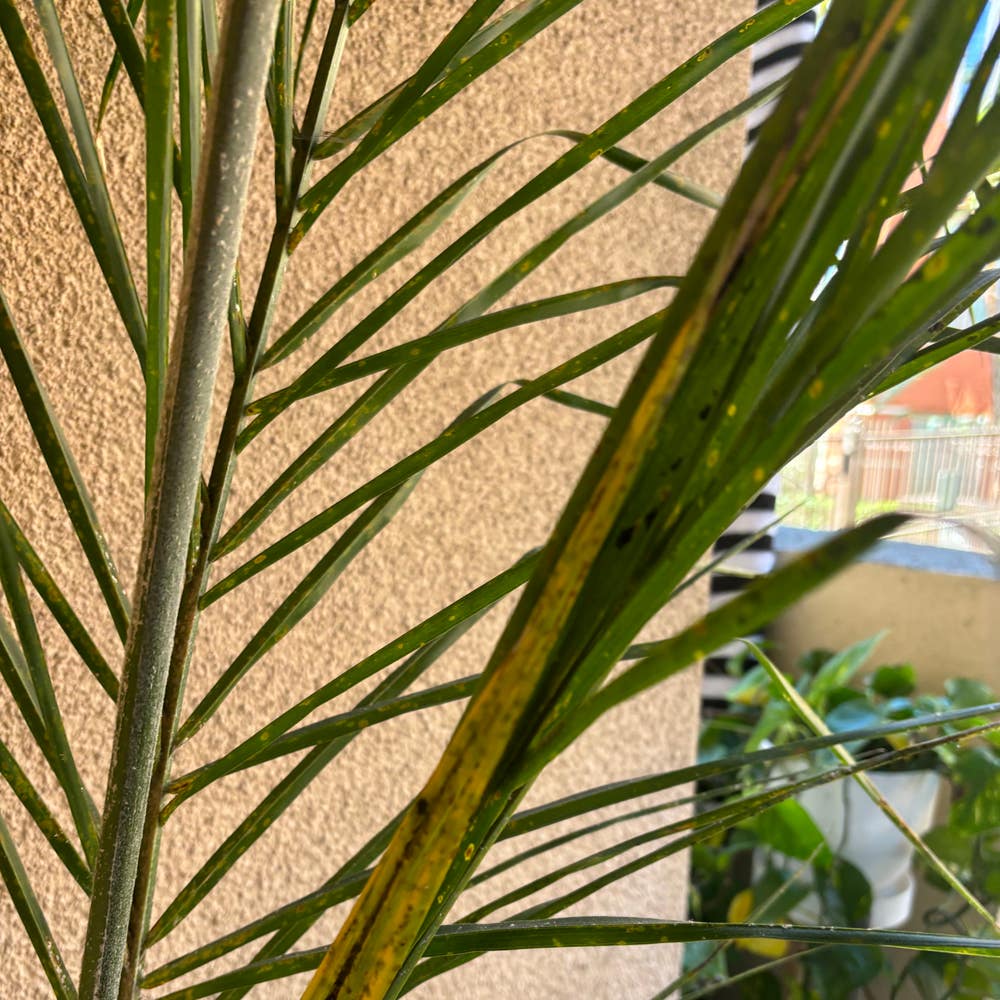
- Leaf issues: Scorching or fuzzy growth can indicate stress, often due to environmental factors.
- Growth problems: Leaning or etiolated growth patterns suggest your palm is struggling to thrive.
Identifying Symptoms and Causes 🔍
Recognizing the signs of distress is crucial for your palm's health. Pay attention to changes in leaf color, growth patterns, and overall vigor to pinpoint the underlying issues.
Solutions for Each Problem 🛠️
Once you've identified the problem, here are some effective solutions:
- For incorrect watering: Adjust your watering schedule. Ensure the soil is consistently moist but not soggy.
- For light issues: Move your palm to a location with more suitable light conditions, ideally partial to full sunlight.
- For diseases: Treat fungal infections with appropriate fungicides and improve air circulation around the plant.
- For leaf issues: Trim damaged leaves and adjust environmental conditions to reduce stress.
- For growth problems: Reassess your care routine, ensuring proper watering, light, and nutrients.
By staying vigilant and responsive to your Sancona Palm's needs, you can foster a healthy and thriving plant. Next, let’s explore the fascinating world of pests that might affect your palm.
Bugs
🐜 Potential Pest Issues
While the Sancona Palm boasts moderate pest resistance, it can still fall prey to certain nuisances. Keeping an eye out for these pests is essential for maintaining the health of your palm.
🔍 Identification and Damage
- Spider Mites: Look for fine webbing and stippled leaves, which indicate these tiny pests are at work.
- Scale Insects: These pests leave a sticky residue and cause yellowing leaves, signaling their presence.
- Mealybugs: Identified by white cotton-like masses on stems and leaves, mealybugs can weaken your palm if not addressed.
🧴 Treatment Options
To combat these pests effectively, consider using insecticidal soap or neem oil. Both options are gentle yet effective, helping to restore your palm's health without harsh chemicals.
By staying vigilant and addressing pest issues promptly, you can ensure your Sancona Palm thrives beautifully. Next, let’s explore what animals might be munching on your palm and how to deter them.
What Eats
Common Animals 🦌
Sancona palms can attract a variety of hungry critters. Deer, rabbits, squirrels, and rodents are known to nibble on their fronds.
Signs of Animal Presence 🐾
Keep an eye out for signs that these animals are visiting your garden. Look for tracks, droppings, and chewed leaves as indicators of their presence.
Damage Caused by Animals 🐻
When animals munch on the fronds, it can lead to stunted growth. This browsing can weaken the plant, making it more susceptible to other issues.
Deterrent Methods 🚧
To protect your Sancona palm, consider implementing a few deterrent strategies. Fencing, repellents, and companion planting can help keep these hungry visitors at bay.
By taking proactive measures, you can ensure your palm thrives without unwanted interruptions. Now that you know what eats your Sancona palm, let’s explore how to effectively manage common problems that may arise in its care.
⚠️ Safety First
This content is for general information and may contain errors, omissions, or outdated details. It is not medical, veterinary advice, or an endorsement of therapeutic claims.
Always consult a qualified healthcare professional before using any plant as food, medicine, or supplement.
Never eat any plant (or feed one to pets) without confirming its identity with at least two trusted sources.
If you suspect poisoning, call Poison Control (800) 222-1222, the Pet Poison Helpline (800) 213-6680, or your local emergency service immediately.
Spotted an error? Please report it here.
Keep your Sancona Palm thriving 🌱 by using Greg's tailored watering reminders and expert care tips to create the perfect environment for its growth!