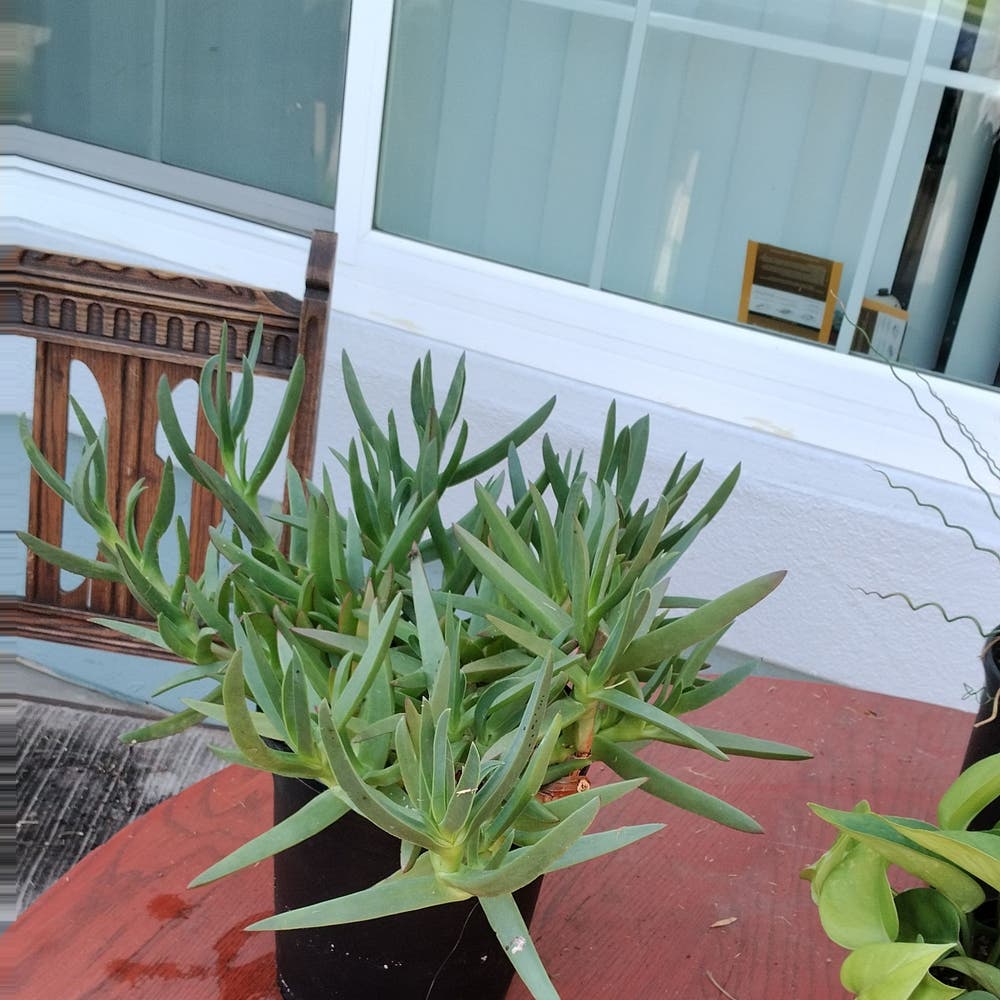
✨ Sally-My-Handsone: A Comprehensive Overview
Carpobrotus acinaciformis
By the Greg Editorial Team
Feb 02, 2025•12 min read
This article was created with the help of AI so we can cover more plants for you. May contain errors. See one? Report it here.
- 🌞 Optimal growth requires moderate sunlight and well-drained, fertile soil with pH 6.0-7.0.
- 🌱 Regular watering and monthly fertilization ensure healthy growth and prevent common issues.
- 🐝 Sally-My-Handsone attracts pollinators, enhancing biodiversity and supporting local ecosystems.
How to Grow
Choosing the Right Location 🌞
To ensure your Sally-My-Handsone thrives, choose a sSally-My-Handsone moderate sunlight. This plant prefers temperate regions, so consider your local climate when deciding between outdoor or indoor growing spaces.
Soil Preparation and Amendments 🏞️
Sally-My-Handsone flourishes in well-drained, fertile soil. Aim for a soil pH between 6.0 and 7.0, and enhance your soil with organic matter, compost, and drainage materials for optimal growth.
Planting Techniques and Spacing 🌱
When planting, dig a hole 1-2 inches deep and space your plants 12-18 inches apart. The best time to plant is in spring, after the last frost, to give your plants a strong start.
Watering Requirements and Schedules 🚰
Regular watering is crucial to maintain consistent moisture levels in the soil. Watch for signs of overwatering, like yellowing leaves, or underwatering, which causes wilting.
Fertilizing Methods and Schedules 🍽️
Fertilize your Sally-My-Handsone monthly during the growing season. A balanced NPK fertilizer, such as 10-10-10, will provide the nutrients needed for healthy growth.
Pruning and Ongoing Care Tips ✂️
To encourage bushiness, pinch back the tips of your plants. Regularly inspect for pests and diseases to keep your Sally-My-Handsone healthy and vibraSally-My-Handsonevs. Container Growing Considerations 🏡 If growing in containers, choose pots that are at least 12 inches deep to allow for adequate root space. Ensure your containers have drainage holes to prevent root rot, which can be detrimental to your plants.
Transitioning to the next section, understanding propagation techniques will enhance your gardening skills and help you expand your Sally-My-Handsone collection.
Propagation
🌱 Seed Propagation Steps
Seed propagation is a straightforward method to grow new Sally-My-Handsone plants. Start by collecting seeds from mature plants, ensuring they are fully developed.
Next, sow the seeds at a depth of 1/4 inch. For optimal germination, maintain a warm, moist environment around 70°F (21°C).
✂️ Cutting Propagation Techniques
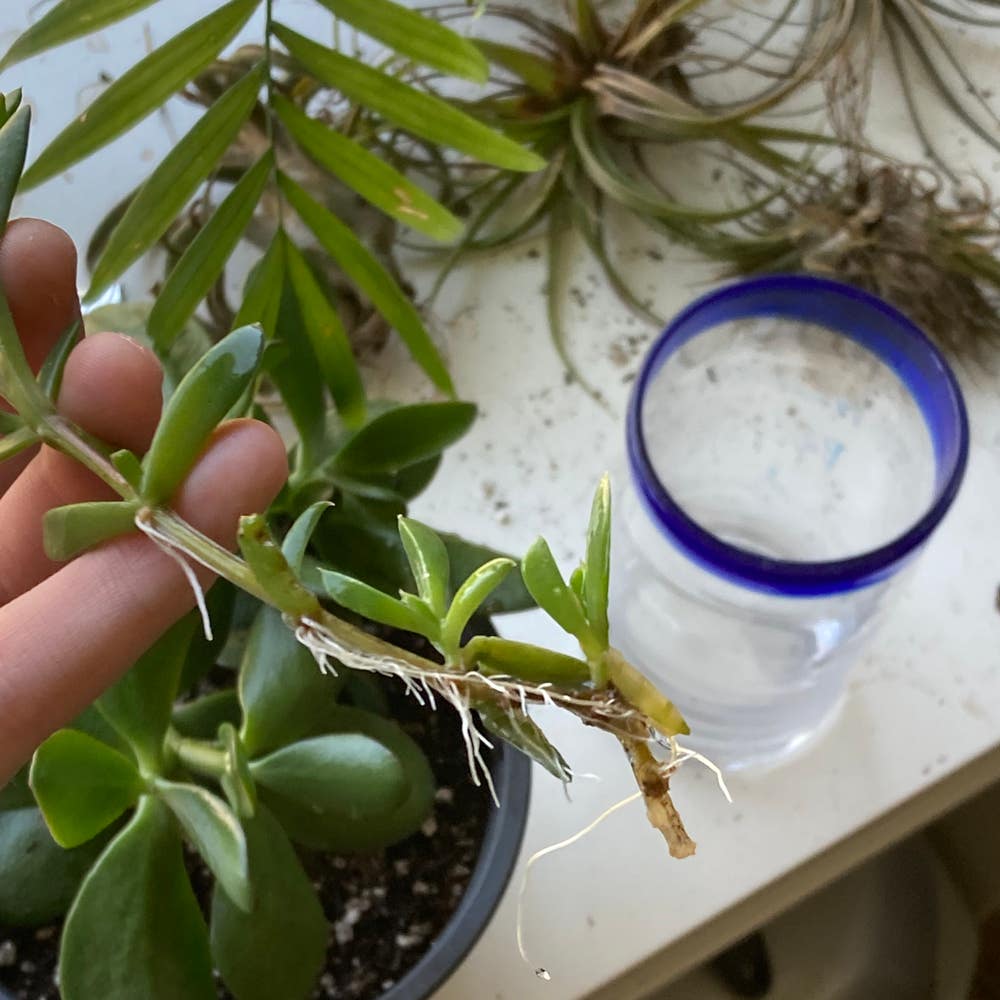
Cutting propagation is another effective way to expand your collection. Begin by selecting cuttings that are 4-6 inches long from healthy stems.
Use a rooting medium consisting of a mix of peat and perlite for the best results. Expect the cuttings to take 2-4 weeks to root under humid conditions.
🌿 Division Methods for Established Plants
DSally-My-Handsoneed plants can rejuvenate them and create new ones. The best time for this is in early spring or fall when the plant is less stressed.
To divide, carefully separate root clumps and replant them in suitable locations. This method not only promotes growth but also helps maintain the health of your Sally-My-Handsone.
With these propagation techniques, you can easily expand your garden and enjoy the beauty of Sally-My-Handsone in various spaces. Next, let’s explore the lifecycle of this fascinating plant and what to expect as it grows.
Lifecycle
🌱 Lifecycle Stages
The lifecycle of Sally-My-Handsone begins with germination, which takes about 7-14 days under optimal conditions. Following this, the seedling stage sees the development of true leaves, marking the plant's first steps toward maturity.
🌿 Vegetative Growth and Flowering
During the vegetative growth phase, the plant expSally-My-Handsoneaf and stem growth, establishing a robust structure. Flowering typically occurs in mid-summer, leading to the exciting stage of seed production, where seeds mature in late summer.
⏳ Duration Until Maturity and Growth Rate
From seed to full growth, expect approximately 3-4 months of care and attention. The growth rate is moderate, but with consistent care, you'll see your plant thrive.
🌼 Lifespan
In optimal conditions, Sally-My-Handsone has a typical lifespan of 2-3 years. This longevity allows for multiple seasons of enjoyment and beauty in your garden.
As you nurture your Sally-My-Handsone through its lifecycle, you'll gain a deeper appreciation for its growth stages and the care it requires. Next, let’s explore how to effectively propagate this delightful plant.
Size
Mature Height and Spread 🌱
Sally-My-Handsone typically reaches an average mature height of 2 to 3 feet. Its spread generally ranges from 1 to 2 feet, making it a manageable addition to various garden spaces.
Growth Rate and Time to Full Size ⏳
This plant exhibits a moderate growth rate, achieving its full size in approximately 3 to 4 months. With consistent care, you can expect to see significant growth during the growing season.
Size Variability Based on Growing Conditions 🌍
Several factors influence the size of Sally-My-Handsone, including soil quality, sunlight exposure, and water availability. Ensuring optimal conditions can lead to healthier plants that reach their full potential.
As you consider the size of Sally-My-Handsone, remember that providing the right environment will enhance its growth. NSally-My-Handsonee the fascinating lifecycle of this resilient plant.
Roots
Description of Root System Type 🌱
Sally-My-Handsone features a fibrous root system. This type is characterized by a shallow yet extensive network that supports the plant effectively.
Root Depth, Spread, and Growth Patterns 📏
Typically, the roots reach a depth of 12-18 inches. They also spread laterally, extending beyond the plant's canopy to maximize nutrient absorption.
Common Root-Related Issues and Solutions 🛠️
One common issue is root rot, often caused by overwatering. To prevent this, ensure good drainage in your planting medium.
Identifying Healthy vs. Unhealthy Roots 👀
Healthy roots are firm and exhibit a white or light tan color. In contrast, unhealthy roots appear dark, soft, or may even emit a foul smell.
Recognizing and Addressing Rootbound ConditiSally-My-Handsonece roots growing out of drainage holes, your plant may be rootbound. The solution is to repot it into a larger container or divide the plant to promote healthier growth.
This understanding of root health is crucial for maintaining a thriving Sally-My-Handsone. Next, let’s explore the benefits of this remarkable plant and how it can enhance your garden.
Benefits
Aesthetic Appeal 🌺
Sally-My-Handsone is a visual delight, boasting vibrant foliage that can transform any garden into a lush paradise. Its striking appearance not only enhances outdoor spaces but also brings life to indoor environments.
Air Purification 🌬️
This plant does more than just look good; it actively contributes to better indoor air quality. By filtering out toxins, it creates a healthier living space for you and your loved ones.
Traditional Medicinal Uses 🌿
Historically, Sally-My-Handsone has been valued for its medicinal properties. Many cultures have utilized its leaves and flowers for various ailments, showcasing its versatility beyond mere decoration.
Attracts Pollinators 🐝
The flowers of Sally-My-Handsone are a magnet for pollinators like bees and butterflies. This not only supports local ecosystems but also enhances the overall biodiversity of your garden.
Versatile Culinary Applications 🍽️
In the kitchen, this plant shines as a flavorful addition to various dishes. Whether used in salads or as a garnish, its culinary potential is as rich aSally-My-Handsone# Cultural Significance and Symbolism 🎭 Beyond its practical benefits, Sally-My-Handsone carries deep cultural significance. It symbolizes resilience and adaptability, making it a cherished plant in many traditional ceremonies and rituals.
These benefits make Sally-My-Handsone a fantastic choice for both novice and experienced gardeners. Its combination of beauty, utility, and cultural importance ensures it remains a beloved staple in gardens worldwide.
Next, let’s explore the fascinating world of companion planting and how it can enhance your gardening experience.
Companion Plants
🌱 Explanation of Companion Planting and Its Benefits
Companion planting involves growing compatible species together to enhance their growth and health. This practice can lead to effective pest management, improved growth rates, and increased garden diversity.
🌼 List of Compatible Companion Plants
Some excellent companions for Sally-My-Handsone include:
- Basil: Shares similar care needs and can repel pests.
- Marigolds: Known for their pest-repelling properties, they help keep harmful insects at bay.
- Nasturtiums: Attract beneficial insects while deterring aphids.
These plants not only thrive together but also contribute to a healthier garden ecosystem.
🚫 Plants to Avoid Planting Near
It's wise to avoid planting Sally-My-Handsone near nightshades, such as tomatoes. These plants compete for nutrients, which can hinder growth and overall health.
By strategically selecting companion plants, you can create a flourishing garden that benefits all its inhabitants. This thoughtful approach not only enhances plant health but also makes gardening a more rewarding experience.
Toxicity to Humans
🛡️ Safety Profile
Sally-My-Handsone is not listed as toxic Sally-My-Handsoneontrol centers. This means it’s generally safe for handling and consumption in small amounts.
⚠️ Potential Minor Issues
While it’s mostly safe, consuming excessive amounts may lead to mild skin irritation or digestive discomfort. It’s always good to be aware of your body’s reactions.
📋 Recommendations for Caution
As a best practice, exercise caution when trying new plants. If you experience any unusual symptoms, consult a physician to ensure your well-being.
This plant can be a delightful addition to your garden or kitchen, but staying informed is key to enjoying it safely. Next, let’s explore its edible parts and how to prepare them for your culinary adventures.
Edible
Identification of Edible Parts 🌿
Sally-My-Handsone offers delightful culinary options with its leaves and flowers being the edible parts. However, it's important to note that the stems and roots are not suitable for consumption.
Instructions for Safe Harvesting and Preparation 🥗
For the best flavor and freshness, harvest leaves and Sally-My-Handsonerning when their essential oils are at their peak. Always rinse them thoroughly before use to remove any dirt or potential contaminants.
Nutritional Value and Health Benefits 🥦
These edible parts are not just tasty; they are also packed with nutrients. Rich in vitamins A and C, they provide antioxidant properties and can aid in digestion, making them a healthy addition to your diet.
Cultural Uses 🌍
In various cultures, Sally-My-Handsone is a staple in traditional dishes, often featured in salads and herbal teas. Its versatility in the kitchen enhances both flavor and nutrition, making it a cherished ingredient in many recipes.
As you explore the culinary potential of Sally-My-Handsone, consider how it can elevate your meals while contributing to your health. Next, let’s delve into its safety profile regarding pets, ensurinSally-My-Handsoneme for both plants and furry friends.
Toxicity to Dogs
Safety Profile 🐶
Sally-My-Handsone is not listed as toxic by major pet poison control centers. This means it’s generally safe for households with dogs, presenting no significant health risks.
Potential Minor Issues 🤢
While it’s safe, consuming large quantities may lead to mild gastrointestinal upset. It’s always best to monitor your furry friends if they show interest in nibbling on your plants.
Tips for Introducing to Homes with Dogs 🏡
To keep your dog safe, place Sally-My-Handsone out of reach of curious pets. Regularly observe their behavior around the plant to catch any unusual reactions early on.
Transitioning to a pet-friendly environment can be seamless with a little planning. Next, let’s explore how this plant interacts with our feline friends.
Toxicity to Cats
Safety Profile 🐱
Sally-My-Handsone is not listed as toxic by major pet poison control centers. This means it’s generally safe to have around cats without significant health risks.
Potential Minor Issues 🤢
However, if your feline friend indulges in large quantities, there could be a mild gastrointestinal upset. It's always good to keep an eye on their behavior after they munch on anything new.
Tips for Introducing to Homes with Cats 🏡
To keep things safe, place your Sally-MySally-My-Handsonereach of curious paws. Regularly monitor your cat for any unusual reactions, ensuring they’re comfortable and healthy around your plants.
With these precautions, you can enjoy the beauty of Sally-My-Handsone while keeping your furry companions safe. Now, let’s explore the common problems that might arise with this plant!
Problems
Common Problems Faced 🌱
Growing Sally-My-Handsone can be rewarding, but it comes with its challenges. Incorrect watering is a frequent issue, where overwatering leads to yellowing leaves, while underwatering results in wilting.
Another common problem is incorrect light conditions. Too much sun can cause leaf scorch, damaging the plant's health and appearance.
Identification and Solutions for Top 5 Issues 🛠️
Overwatering: Look for yellowing leaves as a sign. To remedy this, adjust your watering frequency to allow the soil to dry out between waterings.
Underwatering: If your plant is wilting, it’s likely thirsty. Increase your watering schedule to restore moisture.
Fungal diseases: Powdery mildew can be a nuisance. Improve air circulation around the plant and apply a fungicide to combat this issue.
Leaf issues: Yellowing or scorching leaves indicate improper light exposure. Adjust the plant's location to ensure it receives the right amount of sunlight.
Growth problems: If your Sally-My-Handsone is leggy, it may not be getting enough light or nutrients. Ensure it has adequate light and consider fertilizing to promote healthy growth.
By staying vigilant and addressing these common problems, you can keep your Sally-My-Handsone thriving and beautiful. NextSally-My-Handsoneotential pest issues that could affect your plant.
Bugs
🐛 Potential Pest Issues
Sally-My-Handsone is generally pest-resistant, making it a resilient choice for your garden. However, it can still fall victim to a few pesky intruders.
🔍 Identification and Treatment Options
Spider Mites
Look out for fine webbing on leaves, a telltale sign of spider mites. To cominimizing damagese humidity around the plant and consider using miticides for effective treatment.
Aphids
If you notice a sticky residue on your leaves, aphids might be the culprit. Treat these pests with insecticidal soap or neem oil to keep them at bay.
Mealybugs
Cotton-like masses on your plant indicate a mealybug infestation. You can eliminate them by using alcohol swabs or applying insecticidal soap directly to the affected areas.
👀 Staying Vigilant
Regularly inspect your plants for these pests to catch any issues early. A proactive approach will help maintain the health and beauty of your Sally-My-Handsone.
🌱 Transitioning to Care
With pest management in mind, let’s explore how to ensure your plant thrives through proper care and maintenance.
What Eats
Common Animals That May Damage 🦌
Sally-My-Handsone can attract a variety of garden animals that may cause damage. These creatures often find the plant's foliage and stems irresistible, leading to potential harm.
Signs of Animal Presence and Damage 🐇
Deer are notorious for browsing on leaves. If you notice stripped foliage, it's a clear sign that deer have been snacking on your plants.
Rabbits also pose a threat, often leaving behind chewed stems. Look for clean cuts on plant parts, which indicate their presence.
Deterrent Methods 🚫
To protect your Sally-My-Handsone, consider using chemical deterrents like commercial repellents. These can effectively keep hungry animals at bay.
For a more natural approach, try organic methods such as planting strong-smelling herbs nearby, like garlic. These scents can deter pests and help safeguard your plants.
By being proactive and observant, you can enjoy the beauty of your Sally-My-Handsone while minimizing damage from garden visitors. Next, let’s explore the potential pest issues that can affect your plant.
⚠️ Safety First
This content is for general information and may contain errors, omissions, or outdated details. It is not medical, veterinary advice, or an endorsement of therapeutic claims.
Always consult a qualified healthcare professional before using any plant as food, medicine, or supplement.
Never eat any plant (or feed one to pets) without confirming its identity with at least two trusted sources.
If you suspect poisoning, call Poison Control (800) 222-1222, the Pet Poison Helpline (800) 213-6680, or your local emergency service immediately.
Spotted an error? Please report it here.
Grow a thriving Sally-My-Handsone 🌱 with Greg's tailored watering reminders and expert tips, ensuring your plant flourishes while enhancing your garden's beauty and biodiversity!