What You Should Know About Rusch's Palm
Syagrus ruschiana
By the Greg Editorial Team
Feb 21, 2025•11 min read
This article was created with the help of AI so we can cover more plants for you. May contain errors. See one? Report it here.
Elevate your garden's beauty 🌿 with Rusch's Palm, a low-maintenance plant that purifies air and supports wildlife! 🌴
- 🌞 Rusch's Palm thrives in warm climates with full sun to partial shade.
- 🌱 Use well-draining soil and water deeply but infrequently to prevent root rot.
- 🌿 Prune in spring and monitor for pests to ensure healthy growth.
How to Grow
Choosing a Location 🌞
Rusch's Palm thrives in full sun to partial shade, making it versatile for various garden settings. It prefers warm climates, ideally above 60°F (15°C), so choose a spot that meets these temperature needs.
Soil Preparation 🌱
For optimal growth, use well-draining sandy loam enriched with organic matter. Aim for a slightly acidic to neutral pH level, ideally between 6.0 and 7.0, to support healthy root development.
Planting Techniques 🌍
When planting, ensure the root ball is level with the soil surface to promote stability. Space your plants 3-5 feet apart for outdoor planting to allow for their natural spread.
Watering Requirements 💧
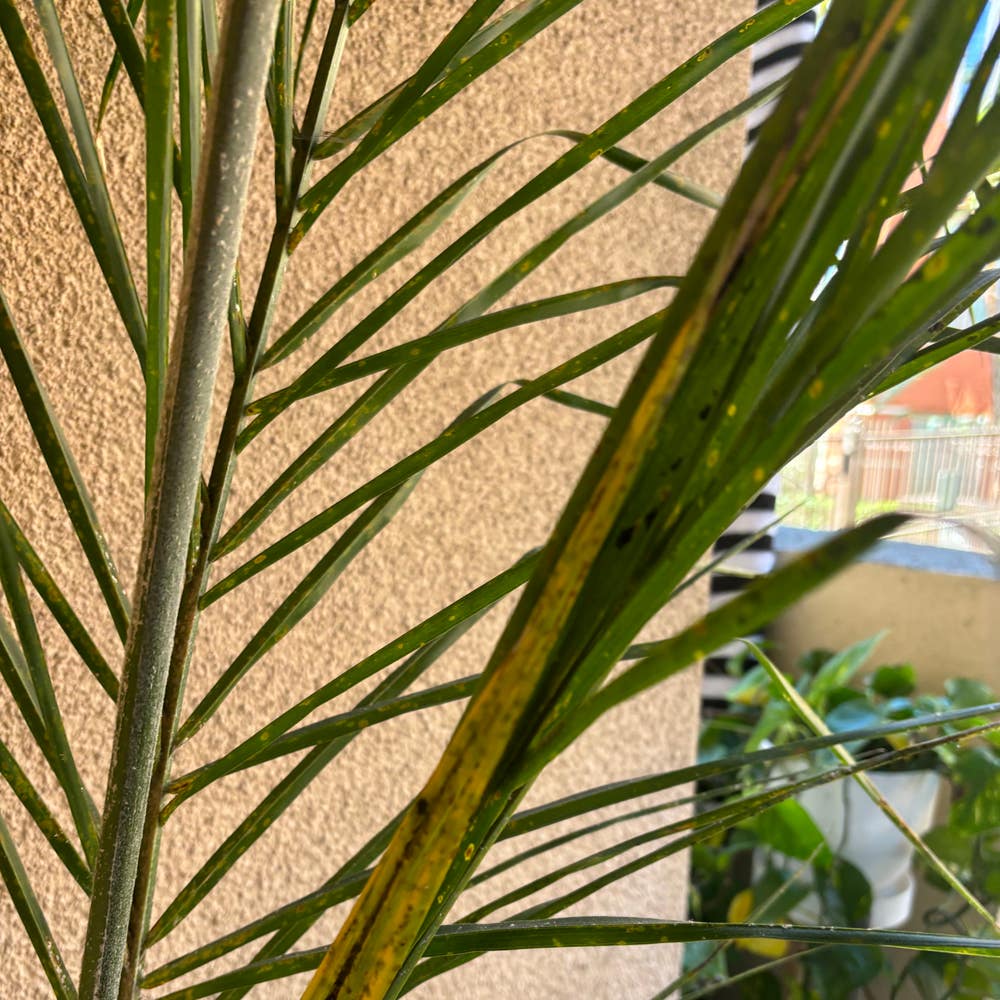
Water Rusch's Palm deeply but infrequently, allowing the soil to dry out between watering sessions. Watch for signs of overwatering, such as yellowing leaves or root rot, which can harm your plant.
Fertilizing Schedule 🌿
Use a balanced slow-release fertilizer to nourish your palm. Apply it every 6-8 weeks during the growing season to keep your plant healthy and thriving.
Pruning Methods ✂️
Prune Rusch's Palm in early spring, just before new growth begins. Focus on removing dead or damaged fronds to encourage healthy growth and maintain its aesthetic appeal.
Ongoing Care 🛠️
For container care, ensure pots have drainage holes and use a quality potting mix. If planted outdoors, regularly monitor for pests and diseases to keep your palm in top shape.
With these guidelines, you can cultivate a thriving Rusch's Palm that enhances your garden's beauty. Next, let's explore how to propagate this stunning plant effectively.
Propagation
🌱 Seed Propagation
To propagate Rusch's Palm from seeds, start by soaking the seeds in water for 24 hours. This simple step helps to kickstart the germination process, which typically takes about 4-6 weeks in warm, humid conditions.
✂️ Division Propagation
Another effective method is division propagation, best done in spring when the plant is actively growing. Carefully separate clumps of the palm and replant them in suitable soil to ensure they thrive in their new locations.
With these propagation techniques, you can expand your collection of Rusch's Palm and share this beautiful plant with friends or enhance your garden's diversity. Next, let’s explore the lifecycle of this fascinating palm and what to expect as it grows.
Lifecycle
Lifecycle Stages 🌱
Rusch's Palm is classified as a perennial plant, meaning it lives for multiple years. This longevity allows it to thrive and adapt to its environment over time.
Germination Process 🌡️
For optimal germination, Rusch's Palm seeds require warm temperatures and consistent moisture. These conditions create the perfect environment for the seeds to sprout.
Seedling Stage 🌿
Once germinated, the seedling stage lasts approximately 3-6 months. During this time, the seedlings establish their roots and begin to grow.
Vegetative Growth 🌳
Following the seedling stage, Rusch's Palm enters a vegetative growth period that typically lasts 1-2 years. This phase is crucial for building a strong foundation before the plant flowers.
Flowering and Seed Production 🌼
Flowering usually occurs in late spring to early summer. After flowering, seeds develop, taking several weeks to mature before they can be harvested or sown.
Lifespan and Growth Timeline ⏳
Under optimal conditions, Rusch's Palm can live for 20-30 years. It has a moderate growth rate, typically reaching maturity in 5-7 years, making it a long-term addition to any garden.
This lifecycle overview highlights the resilience and adaptability of Rusch's Palm, setting the stage for understanding its care and maintenance. Next, we'll explore the size characteristics of this remarkable plant.
Size
Mature Height and Spread 🌴
Rusch's Palm can reach an impressive height of 10 to 15 feet at maturity. Its spread typically ranges from 5 to 10 feet wide, making it a striking addition to any landscape.
Growth Rate and Size Variability 📈
This palm has a moderate growth rate, averaging about 1 to 2 feet per year. However, its size can vary significantly based on growing conditions, particularly light and water availability.
Understanding these factors can help you create the ideal environment for your Rusch's Palm to thrive. With the right care, you can enjoy its majestic presence for years to come.
As we explore further, let’s dive into the fascinating lifecycle of Rusch's Palm and how it develops over time.
Roots
🌱 Root System Characteristics
Rusch's Palm features a fibrous root system that is essential for its stability and nutrient absorption. Typically, the roots extend 1-2 feet deep, allowing the plant to access moisture and nutrients efficiently.
⚠️ Common Root-Related Issues
One of the most common problems is root rot, which occurs due to overwatering. Signs of this issue include wilting and yellowing leaves, indicating that the roots are struggling to function properly.
🔍 Identifying Healthy vs. Unhealthy Roots
Healthy roots are firm, white, and spread evenly throughout the soil. In contrast, unhealthy roots appear dark, mushy, or may emit a foul smell, signaling that something is wrong.
🪴 Recognizing and Addressing Rootbound Conditions
If you notice roots growing out of drainage holes or circling the pot, your Rusch's Palm may be rootbound. The solution is simple: repot the plant into a larger container or divide it to promote healthier growth.
Understanding the root system and its health is crucial for the overall well-being of Rusch's Palm. By keeping an eye on these factors, you can ensure your plant thrives and flourishes.
Next, let’s explore the benefits of Rusch's Palm and why it’s a fantastic addition to any garden.
Benefits
Top 5 Benefits 🌟
Rusch's Palm offers a variety of advantages that make it a fantastic addition to any garden. Here are the top five benefits:
Aesthetic Appeal
This palm enhances garden beauty with its unique foliage. Its striking appearance can serve as a focal point or complement other plants beautifully.
Air Purification
Rusch's Palm contributes to improved air quality. By absorbing toxins and releasing oxygen, it helps create a healthier environment indoors and outdoors.
Erosion Control
This plant plays a vital role in stabilizing soil in garden beds. Its root system helps prevent erosion, making it an excellent choice for sloped areas.
Cultural Significance
Rusch's Palm is often used in traditional landscaping practices. Its presence can add cultural depth to your garden, reflecting local heritage and practices.
Habitat Creation
This palm provides shelter for local wildlife. By planting Rusch's Palm, you can create a welcoming environment for birds and beneficial insects.
Incorporating Rusch's Palm into your garden not only beautifies your space but also supports the ecosystem. Its numerous benefits make it a worthwhile investment for any gardening enthusiast.
Next, let’s explore the concept of companion planting and discover which plants thrive alongside Rusch's Palm.
Companion Plants
Concept of Companion Planting 🌱
Companion planting is all about creating a harmonious garden environment. It enhances diversity and can significantly improve pest management, making your garden healthier and more vibrant.
Best Companion Plants 🌿
When it comes to Rusch's Palm, consider pairing it with ferns, bromeliads, and other tropical plants. These companions share similar care needs and create a visually appealing aesthetic that complements the palm's unique foliage.
Plants to Avoid 🚫
Be cautious with heavy feeders, as they can compete for nutrients with Rusch's Palm. Avoid planting them nearby to ensure your palm thrives without competition for essential resources.
Incorporating the right companions can elevate your gardening experience, fostering a lush and thriving ecosystem. With thoughtful planning, your garden can flourish beautifully!
Toxicity to Humans
Rusch's Palm is generally considered safe, as it is not listed as toxic by major poison control centers. However, like many plants, it can cause minor issues.
⚠️ Potential Minor Issues
If consumed in large quantities, Rusch's Palm may lead to mild skin irritation or digestive discomfort.
🩺 Cautionary Advice
Always exercise caution with any plant. If you experience unusual symptoms after contact or ingestion, seek medical advice promptly.
This knowledge can help you enjoy your Rusch's Palm without worry. Next, let’s explore how this plant interacts with our furry friends.
Toxicity to Dogs
Rusch's Palm is generally safe for dogs, as it is not listed as toxic by major pet poison control centers. However, if your furry friend decides to munch on it, there could be minor issues like mild gastrointestinal upset from eating large quantities.
🐶 Tips for Dog Owners
To keep your dog safe, it's wise to keep Rusch's Palm out of reach. Additionally, monitor your dog's behavior around the plant to ensure they don’t experience any discomfort.
💭 Final Thoughts
While Rusch's Palm poses minimal risk, always exercise caution with any plant. If you notice unusual symptoms in your dog, consult your veterinarian for advice.
Toxicity to Cats
Rusch's Palm is generally safe for cats, as it is not listed as toxic by major pet poison control centers. However, if your feline friend decides to munch on it, there could be minor issues like mild gastrointestinal upset from consuming large quantities.
🐱 Monitoring Your Cat
It's always a good idea to keep an eye on your cat's behavior around plants. If you notice any unusual symptoms after they’ve been nibbling, it’s best to consult your veterinarian for advice.
🚫 Preventive Tips
To discourage your cat from snacking on your Rusch's Palm, consider placing the plant in an area that's hard for them to reach. You can also provide alternative plants that are safe and appealing to cats, like cat grass or catnip, to keep them occupied.
With a little care and attention, you can enjoy the beauty of Rusch's Palm without worrying about your furry companion's health.
Problems
Common Problems 🌱
Rusch's Palm can face a few common challenges that every gardener should be aware of.
- Incorrect watering: Overwatering can lead to yellowing leaves and root rot, while underwatering may cause wilting.
- Incorrect light conditions: Insufficient light can result in leggy growth, while too much sun can scorch the leaves.
- Diseases: Fungal issues like powdery mildew and root rot can also plague your palm, especially in humid conditions.
Identifying Symptoms and Causes 🔍
Recognizing the symptoms of these problems is crucial for effective care.
- Overwatering: Look for yellowing leaves and a soggy root ball.
- Underwatering: Signs include wilting and dry, crispy leaf edges.
- Light issues: Leaf scorch appears as brown tips, while leggy growth results in elongated stems with sparse leaves.
- Diseases: Powdery mildew manifests as a white, powdery coating on leaves, while root rot leads to a mushy root system.
Solutions for Common Issues 🛠️
Addressing these problems can help revive your Rusch's Palm and keep it thriving.
- Watering: Adjust your watering schedule to ensure the soil dries out between waterings.
- Light conditions: Move the plant to a location with appropriate light—full sun to partial shade is ideal.
- Diseases: For powdery mildew, improve air circulation and apply a fungicide if necessary. To combat root rot, reduce watering and consider repotting into fresh, well-draining soil.
By staying vigilant and responsive to these common issues, you can ensure your Rusch's Palm remains healthy and vibrant. Next, let’s explore the potential pest problems that can affect your plant.
Bugs
🐜 Potential Pest Issues
Rusch's Palm is generally known for its moderate pest resistance. However, it can still fall victim to certain pests that may affect its health.
🔍 Identification and Damage
Spider Mites: Look for fine webbing on the leaves and stippled discoloration. These tiny pests can quickly multiply and cause significant damage.
Scale Insects: These pests leave a sticky residue on the leaves, often accompanied by yellowing foliage. Their presence can indicate a more serious infestation.
🧪 Effective Treatment Options
For spider mites, consider using insecticidal soap or neem oil to eliminate them effectively. Regularly washing the leaves can also help keep these pests at bay.
For scale insects, you can gently scrub them off with a soft cloth or use a horticultural oil to suffocate them. Both organic and chemical control methods are available, so choose what fits your gardening style best.
By staying vigilant and addressing pest issues promptly, you can ensure your Rusch's Palm remains healthy and vibrant. Next, let’s explore what animals might be interested in munching on your palm.
What Eats
🦌 Common Animals
Rusch's Palm can attract a variety of hungry critters. Common visitors include deer, rabbits, squirrels, and rodents, all of which may find your palm a tasty treat.
🕵️♂️ Signs of Animal Presence
Identifying animal activity is crucial for protecting your plants. Look for tracks, droppings, and visible damage to leaves, which can indicate that your palm has been nibbled on.
⚠️ Damage Caused by Animals
These animals can cause significant harm. They may browse on fronds or even uproot young plants, leading to stunted growth or plant loss.
🚧 Deterrent Methods
To keep your Rusch's Palm safe, consider using deterrent methods. Chemical repellents can be effective, but physical barriers like fencing can provide a more permanent solution to keep these pests at bay.
By being proactive, you can enjoy the beauty of your Rusch's Palm without the worry of unwanted visitors. Next, let’s explore the common problems that can affect your palm and how to tackle them effectively.
⚠️ Safety First
This content is for general information and may contain errors, omissions, or outdated details. It is not medical, veterinary advice, or an endorsement of therapeutic claims.
Always consult a qualified healthcare professional before using any plant as food, medicine, or supplement.
Never eat any plant (or feed one to pets) without confirming its identity with at least two trusted sources.
If you suspect poisoning, call Poison Control (800) 222-1222, the Pet Poison Helpline (800) 213-6680, or your local emergency service immediately.
Spotted an error? Please report it here.
Nurture your Rusch's Palm to thriving heights 🌴 with Greg's personalized watering reminders and expert care tips that ensure your garden flourishes beautifully!